
A well-kept secret
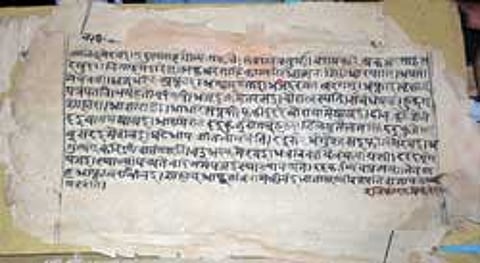
In a dimly lit room at Punjab University in Lahore, the library staff sits amidst stacks of centuries-old Sanskrit manuscripts inscribed on strips of palm leaves and faded paper. Mechanically, sheet by sheet, they take high-resolution digital photos of the documents, and transfer the images to computers. Though oblivious to the wealth of knowledge contained in these manuscripts, they do seem to know that their mundane task is in some way extraordinary.
The digitisation of the Sanskrit manuscripts on which the staffers are working is part of a much larger project to translate and study the long-forgotten texts. Written in the Nagari, Dravidian, Andna, Sarada, Keral and Prakit scripts, the manuscripts are estimated to date to the 14th century AD. They were stored on the premises of Punjab University before Partition, and there they have lain ever since, almost forgotten and entirely unexplored. Whether due to conscious neglect or resulting from a lack of capacity, no serious effort was made in the last six decades to put these manuscripts to use. A large part of the problem – in fact, the biggest current hurdle to scrutinising these documents – has been the complete dearth of scholars in Pakistan able to translate from the Sanskrit. That the university did not seek any help from India is quite understandable, given that doing so could have been considered tantamount to sharing sensitive information with an unfriendly state.