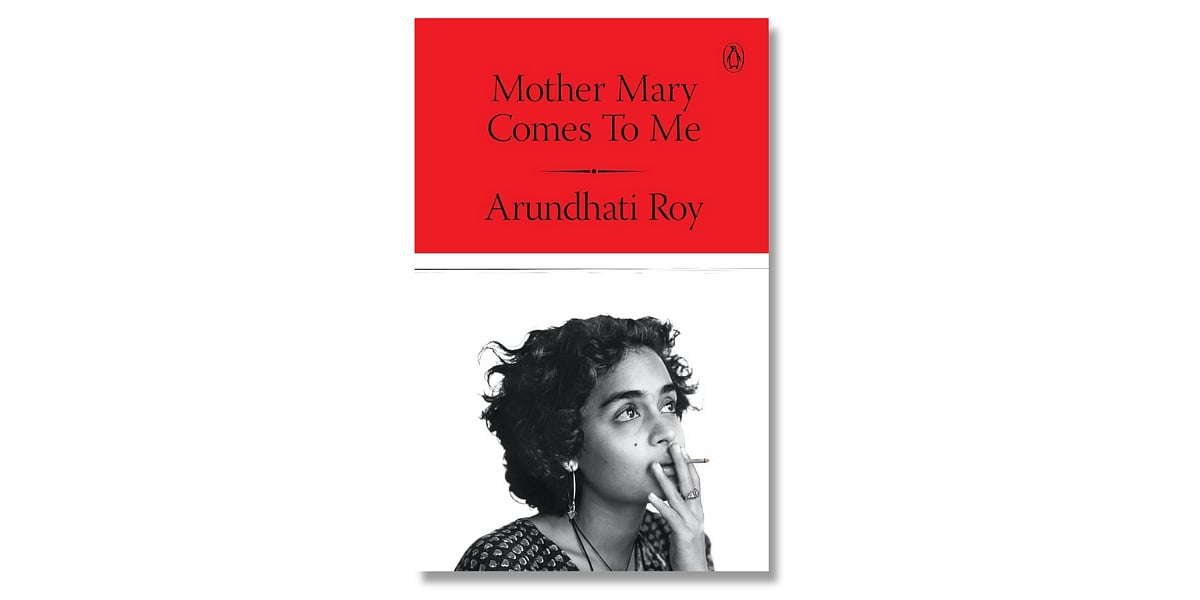
ALMOST EVERY EDITOR of an English-language publication in India today grew up on British and American rock music from the 1960s and 70s. As a former member of the tribe, I joined the battle for the most apt Beatles-themed headline for a feature the moment I finished Mother Mary Comes to Me, whose title is borrowed from the second line of their hit ‘Let It Be’. It was half-past midnight on the day after the book was published. I decided to title this review “She Came In Through The Bathroom Window”, which is a song from their 1969 album Abbey Road. A Twitter-brained part of me, reflexively uncharitable, snagged on the continuation of the absurd title lyric: “protected by a silver spoon”.
Arundhati Roy wrote Mother Mary Comes To Me in memory of her mother, the feminist educator Mary Roy, who passed away in 2022. Despite being a chronicle of the pain of their difficult relationship, the book is also, straightforwardly, an account of the abundance of riches, both material and otherwise, that Roy has created and accumulated through her life. Mother Mary brings Mary Roy alive, but not in the traditional way of biography. It brings to life a private history that Roy has already drawn on, sometimes to transcendent effect, in her fiction.
The history and the fiction have an excitingly tense relationship with each other. Yet, in Mother Mary, Roy strikes her most serene tone yet. The book betrays neither the insecurity of arrogance nor the security of gratitude. If you didn’t already know that this writer dislikes being grateful for things, then this is not the Roy book to begin with. It recounts how she has found artistic purpose and success both despite the towering and capricious mother of the book’s publicity materials, and because of her.