HOME IS A SPACE structured around men’s comfort and authority. Yet men often treat it as incidental to their lives, reserving significance for the worlds of politics, work and public life beyond. A closer look, however, reveals how everyday life in India is organised around gendered hierarchies.
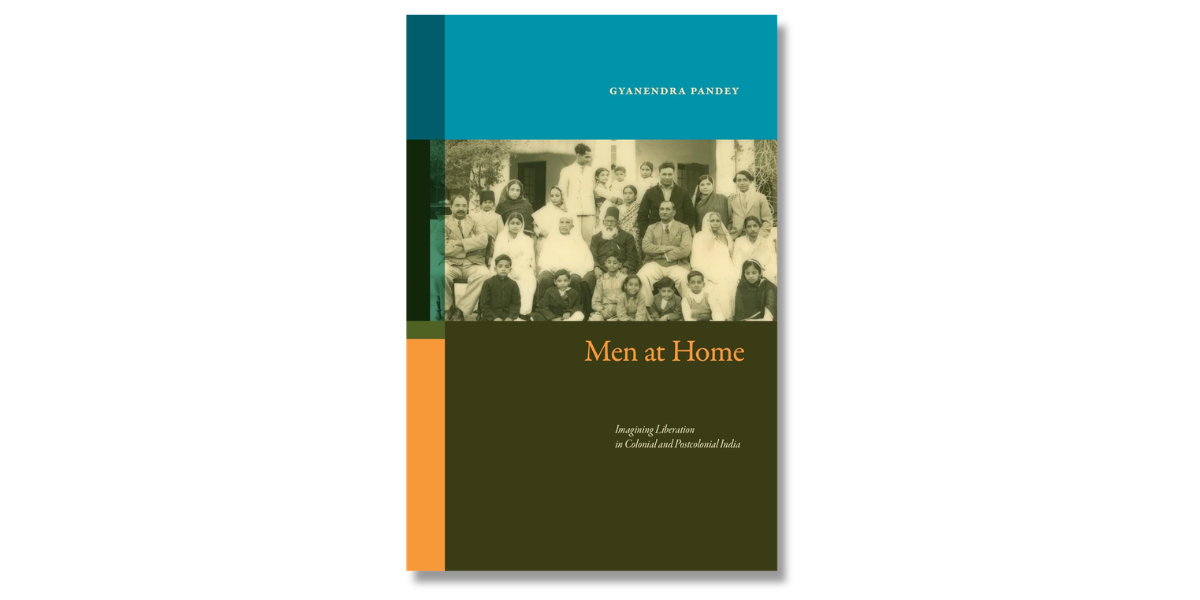
This is precisely what the historian Gyanendra Pandey’s Men at Home: Imagining Liberation in Colonial and Postcolonial India sets out to explore. Bringing together essays on “men’s existence in the South Asian domestic world,” the book shows how many of the famous men it examines – intellectuals and political figures alike – either failed to acknowledge the home or dismissed it as an obstacle to the more “significant” work they performed outside it. At best, these writers, reformers and bureaucrats cast the home as having only secondary or tertiary significance: a space for rest, recovery from illness, procreation, entertainment and the projection of social status.
Attending to the performative dimensions of men’s domestic lives as captured in the autobiographical and biographical narratives featured in Pandey’s study, and extending these into present-day India, the home comes into view not as a passive backdrop but as a space that shapes power and identity. By offering an expansive account of the Indian domestic sphere, the book also reveals how it serves as a site of vulnerability or outright suppression for women.