This is Southasia Weekly, your regular update on the latest from Himal and across the region. If you only read one email from us all week, this should be it.
From youth-led protests across India to courageous acts of resistance that aren’t getting the attention they deserve, Himal Southasian adds context to the key events unfolding across Southasia. This newsletter is free, but the work behind it isn’t – and that’s why we need your support. Join our Patrons programme – and keep independent media alive.
I watched with shock and horror this week as the police in Delhi lathi-charged and tear-gassed young protesters calling for education reform and basic government accountability. The police action was distressing, but not altogether surprising – I remember being at a 2019 protest in Bangalore against the Citizenship Amendment Act and being violently shoved by a policeman simply for trying to take a photo of the crowd. A friend who was filming the protest had his arm dislocated by a policeman dragging him away.
The Cockroach Janta Party’s founder, Abhijit Dipke, has taken care to emphasise the peaceful nature of the protests and to distance the movement from recent mass uprisings in Sri Lanka, Bangladesh and Nepal, which resulted in the overthrows of their respective governments. We tend to forget that each of these movements began peacefully. Often, it was heavy-handed police action that turned limited protests into mass movements.
The young Indian protesters in Delhi and elsewhere have remained extraordinarily calm and have continued to protest with great energy, finding innovative ways of stymying the police. I've seen videos of them pre-empting lathi charges by singing the national anthem and even turning a water cannon onslaught into an occasion for a rain dance. I write this from Mumbai, which has just offered up its own incredible viral moment from a solidarity protest – a young woman standing in the middle of a busy road to block a police van.
Dharmendra Pradhan, the education minister, has finally submitted his resignation, as the protesters have been demanding. But it seems the CJP is not done yet. I can only hope the government responds fairly to the demands for reform and justice from these brave young people, and from the other protest movements also unfolding across India that aren’t getting the same attention.
|
Nayantara Narayanan Associate Editor Himal Southasian |
|
Here’s what Himal published this week:
POLITICS
How the CJP protests have shaken Modi’s stranglehold over India
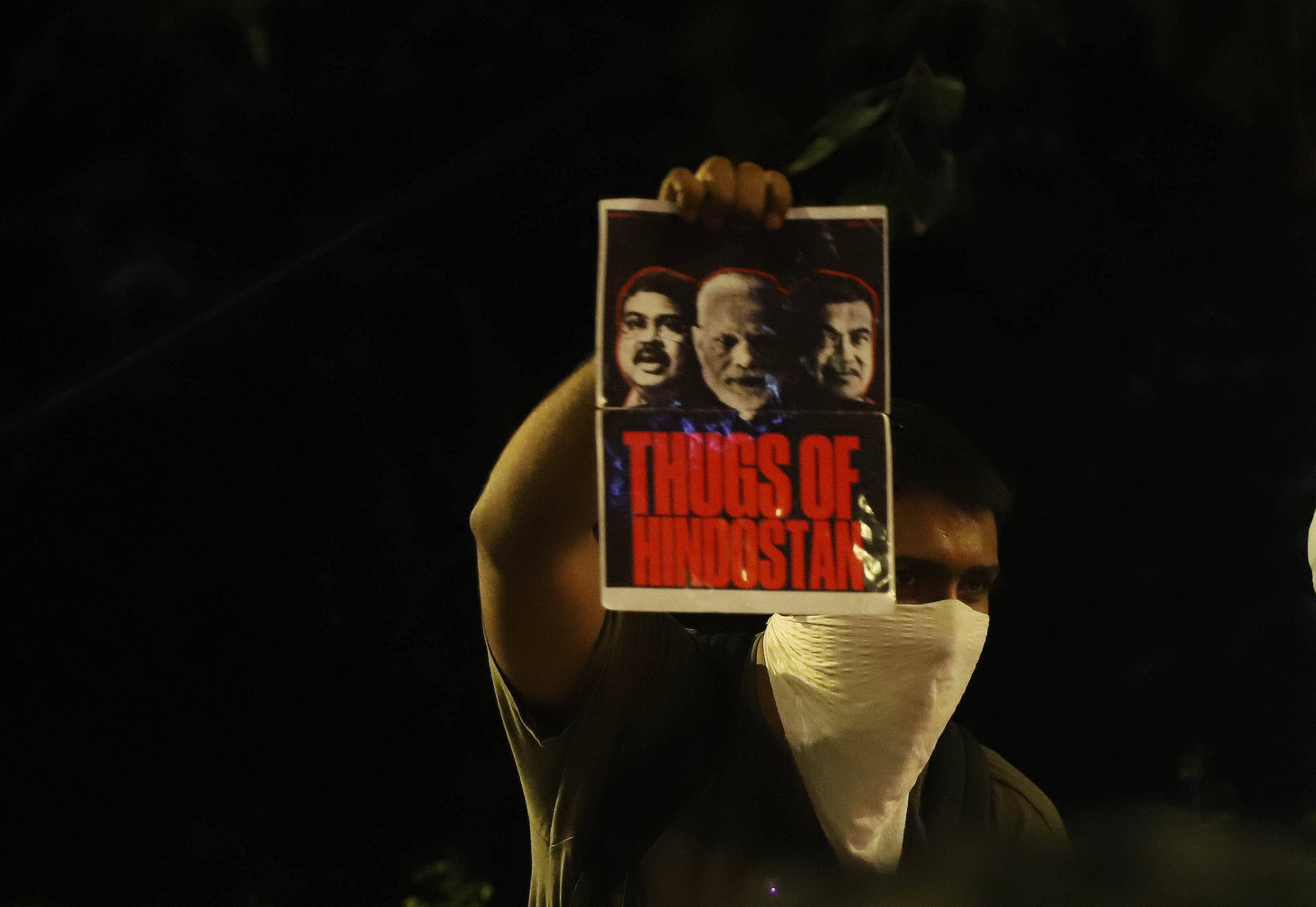
Neha Dixit writes about the Cockroach Janta Party protests in Jantar Mantar and the police’s brutal crackdown, tracing connections to past protest movements across India.
PODCAST
Mirza Waheed on writing beyond the radicalisation story: Southasia Review of Books podcast #40

In the latest episode of the Southasia Review of Books podcast, Himal Associate Editor Shwetha Srikanthan hosts a conversation with Kashmiri-British writer Mirza Waheed, who discusses his new novel ‘Maryam & Son’, the language of bureaucracy and surveillance, and the intimate lives that exist past the headlines.
BOOKS
S Shakthidharan’s memoir of Sri Lanka’s unfinished war and its afterlives

Fathima Cader writes about Australian playwright of Sri Lankan Tamil heritage S Shakthidharan’s memoir about Sri Lanka’s war, colonialism and migration, tracing his family’s intertwined histories charting political violence, generational loss and cultural identity.
If you’re in Colombo, head to the inaugural Colombo Literary Festival taking place in Sri Lanka from 24 to 29 July, and drop by the session ‘Borders and Voices: Reporting South Asia’ on 28 July to catch up with Himal's Senior Editor, Raisa Wickrematunge.
We bring you the view of Southasia, by Southasians and from Southasia. If you value our coverage, become a paying Himal Patron to support our work.
Here’s what happened in Southasia this week:
NEWS DIVE
India’s youth protesters undeterred by a violent crackdown on the Cockroach Janta Party
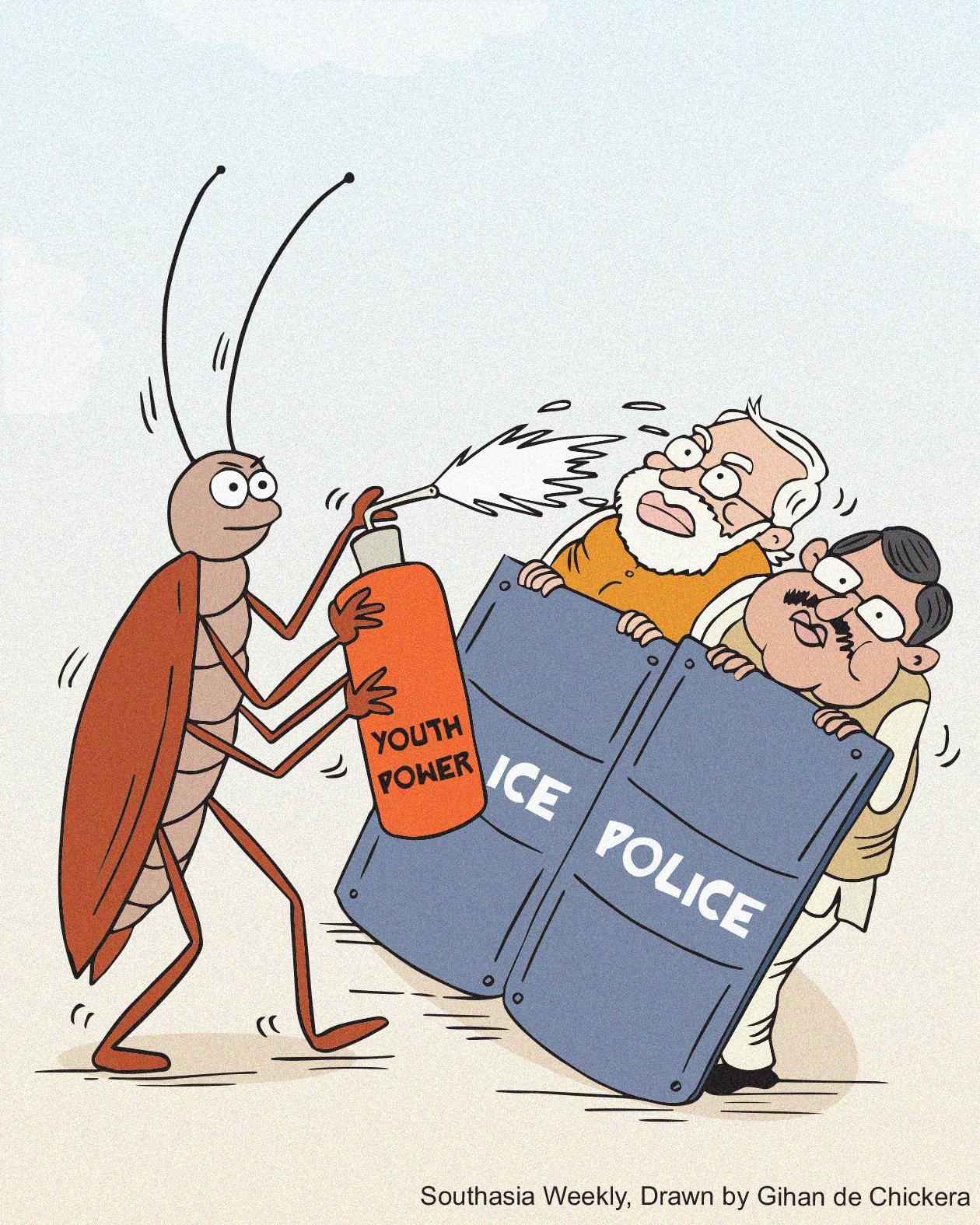
On 20 July, police fired tear gas and lathi-charged more than 10,000 protesters and supporters of the Cockroach Janta Party in Delhi as they marched towards India’s parliament to demand the resignation of education minister Dharmendra Pradhan, a crackdown of corruption within the exam system and in protest against the forced hospitalisation of activist Sonam Wangchuk, who has since ended his hunger-strike. There were fresh clashes late on 23 July as police sought to break up the protest movement. So far, 60 civilians and 118 police personnel have reportedly been injured, with at least four bearing injuries consistent with the use of pellet guns, which the Delhi police denied using.
Apart from Delhi, there were solidarity protests in Bengaluru, Mumbai, Hyderabad, Bihar and Goa, with more planned. These have also been met with gunfire, detentions, surveillance and the filing of First Information Reports in a bid to dissuade participation in the protests. Under pressure after opposition parties disrupted parliament proceedings and called for a government response, Narendra Modi said he would set up ‘fast-track courts’ to expedite punishment of the officials who leaked medical entrance exam papers. But representatives of the CJP have called this proposal a ‘band aid’ and continued to call for Pradhan’s resignation. Their calls were successful, with Pradhan stepping down on Saturday afternoon in response to the protests.
The crackdown on the Cockroach Janta Party protests has grabbed headlines in India and beyond. Less coverage has been given to the breakup of the Chita Andolan (funeral pyre) protests by indigenous communities facing displacement by the Ken-Betwa river linking project, and the alleged detention of movement leader Amit Bhatnagar, who was also on hunger strike, or the detention of activist Pranab Doley who has been leading protests against proposed luxury hotels near the Kaziranga National Park in Assam, or the week-long protests against felling nearly 3000 trees in Uttarakhand to widen the Dehradun-Rishikesh highway. What is common to almost all these movements is the state response, which has been to stifle and suppress dissent, often through violence. The protests continue – in Delhi and beyond.
ELSEWHERE IN SOUTHASIA
- Bangladesh issues court order to investigate disappearance of 30-year-old Miraj Sheikh, last seen in Coast Guard custody, in first disappearance case under Bangladesh Nationalist Party government
- Pakistan condemns attacks by Iran-backed Houthis on Saudi-flagged vessels on the Red Sea after the Houthis threaten a blockade of Saudi ships, warns any aggressive action towards Pakistan’s maritime interests could result in “lawful use of force”
- Monsoon rains leave at least 20 dead, more than 100 missing in east Afghanistan, 37 in northwest Pakistan, 41 in northeast India and 44 in Bangladesh over the past week, nine highways across Nepal blocked by landslides and flooding
- Bangladesh president Mohammed Shahabuddin set to resign halfway through his term due to pressure from ruling Bangladesh Nationalist Party after former prime minister Sheikh Hasina announced her intention to return to Bangladesh
- Two BBC Sinhala journalists summoned before Sri Lanka’s Parliament Privileges Committee for their coverage of a Women’s Parliamentary caucus meeting in the delay in police response to the child abuse case involving senior Buddhist monk Pallegama Hemarathana was discussed, Sri Lanka Working Journalists Association says summoning journalists a threat to free speech, independence
- China launches new round of demolitions impacting 1060 residences of monks and nuns in Kardze Tibetan Autonomous prefecture in China’s Western Sichuan province
- Police, government to investigate death of Sri Lanka’s former IGP C D Wickramaratne initially suspected as suicide, later ruled as accidental discharge
- Pakistan seeks USD 10 billion fund from US and trade-finance facility from US EXIM bank after mediating Iran talks to bolster reserves, ease pressure on the Pakistan rupee
- Uttarakhand Technical University cancels two exams after one paper leaked by external paper setter
- Only 32 percent of Thimphu’s registered voters elect Bhutan capital’s thrompon (elected mayor of a municipality), record low turnout attributed to voter apathy and declining public interest in local government
FROM THE ARCHIVE
Revisit stories from Himal’s archive that add more context to this week’s news updates from India, Bangladesh and Sri Lanka.
 Anand Teltumbde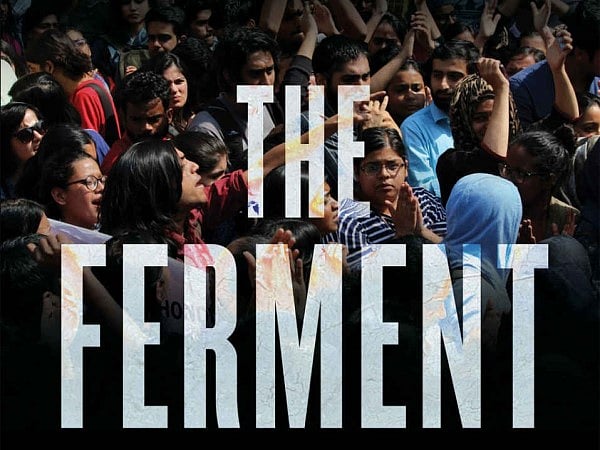
 Cyrus Naji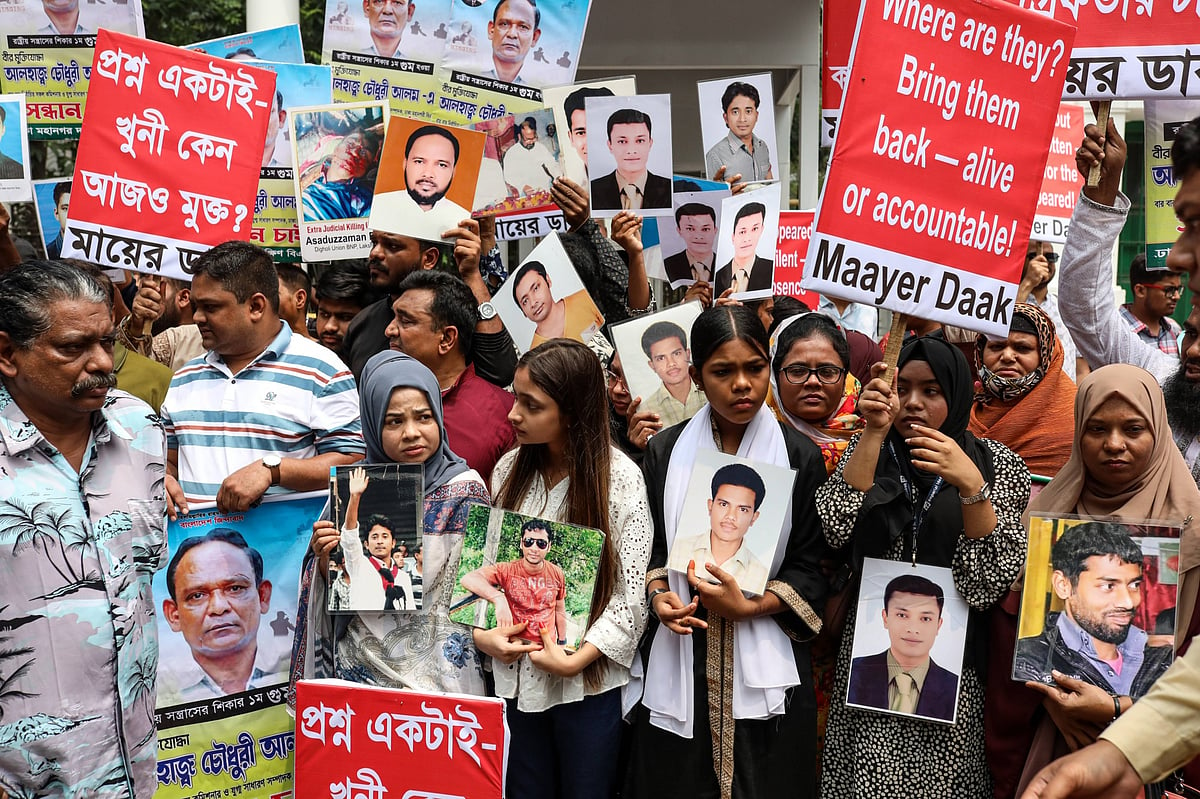
 Salman Rafi Sheikh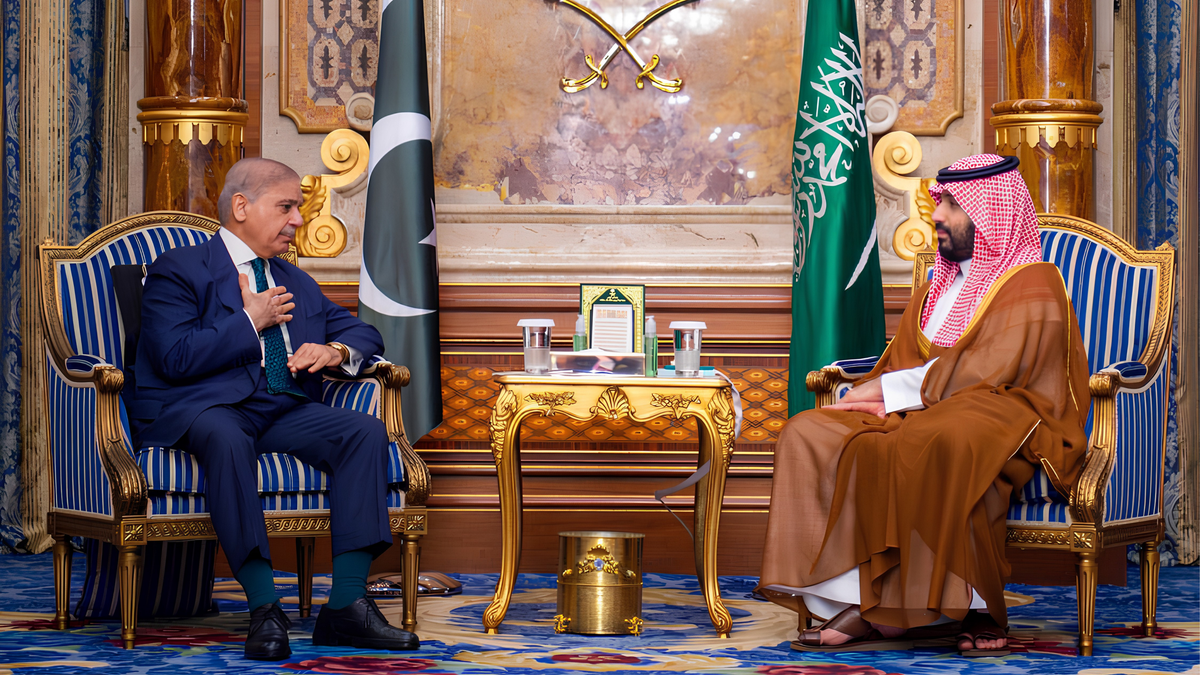
SNAP SOUTHASIA
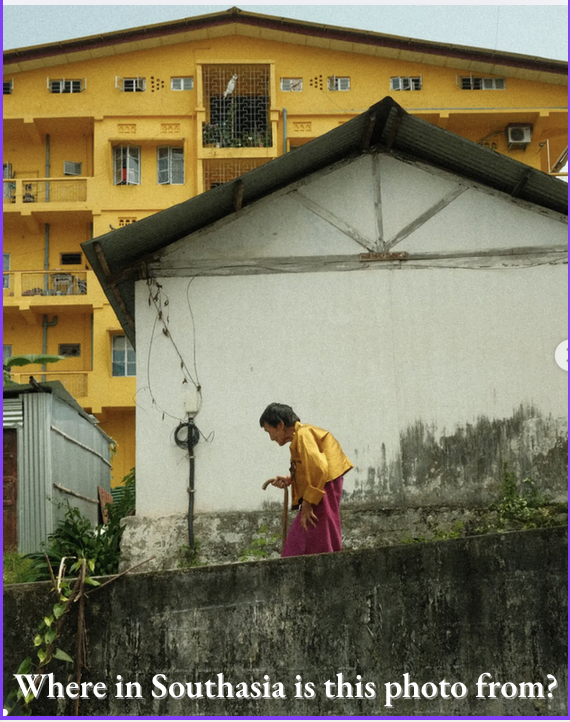
@vishal_banik_street