This is Southasia Weekly, your regular update on the latest from Himal and across the region. If you only read one email from us all week, this should be it.
Himal brings you grounded reportage and analysis on Southasian politics and culture. Help us keep doing it.
In “Called by the Hills: A Home in the Himalaya”, the novelist Anuradha Roy writes about more than two decades of life in Ranikhet, a hill station in the north Indian state of Uttarakhand, becoming intimately attuned to the landscape and the many lives around her. In her review essay for Himal, Sukhada Tatke traces this relationship and the forces reshaping it. Working on Sukhada’s piece this past week, it was hard not to think about the enormous human loss and devastation in Nepal. The videos that emerged were terrifying: walls of mud and debris sweeping away everything in its path, people running as the torrent overtook them.
We also published a first-person account by the journalist and writer Pranaya Rana, who narrowly escaped the flood while travelling in central Nepal. Writing about the loss and trauma left in its wake, he captures the uncertainty of living in a place where: “No ground feels high enough, no home sturdy enough when the earth itself moves under your feet.” Reading about Roy’s life in the mountains, Sukhada similarly finds herself asking: “Why live where landslides can nearly kill you?” Roy’s answer is that some people become so deeply attached to a place that “no other place, however beautiful or exciting, will ever mean to them what the Himalaya does.” But that attachment exists alongside the reality of an unforgiving landscape, where human pressures intersect with environmental change and extreme weather to devastating effect.
|
Shwetha Srikanthan Associate Editor Himal Southasian |

|
Here’s what Himal published this week:
POLITICS
I escaped the Nepali flood by an hour. Like all Nepalis, I know disaster can hit me next time
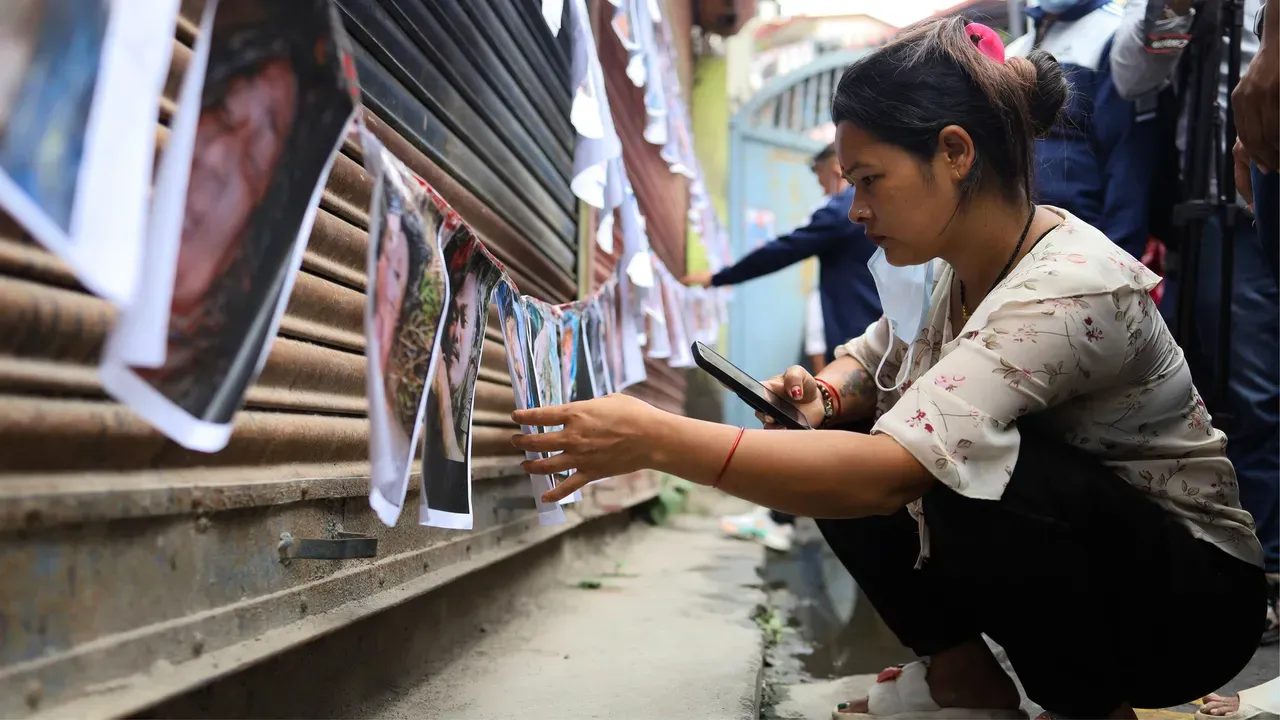
Pranaya Rana writes about his near-miss with the Nepal-Tibet flash flood and what it reveals about the precarity of living in Nepal, caught between climate crisis and an inept government.
POLITICS
Finding a home in a Himalayan landscape under threat
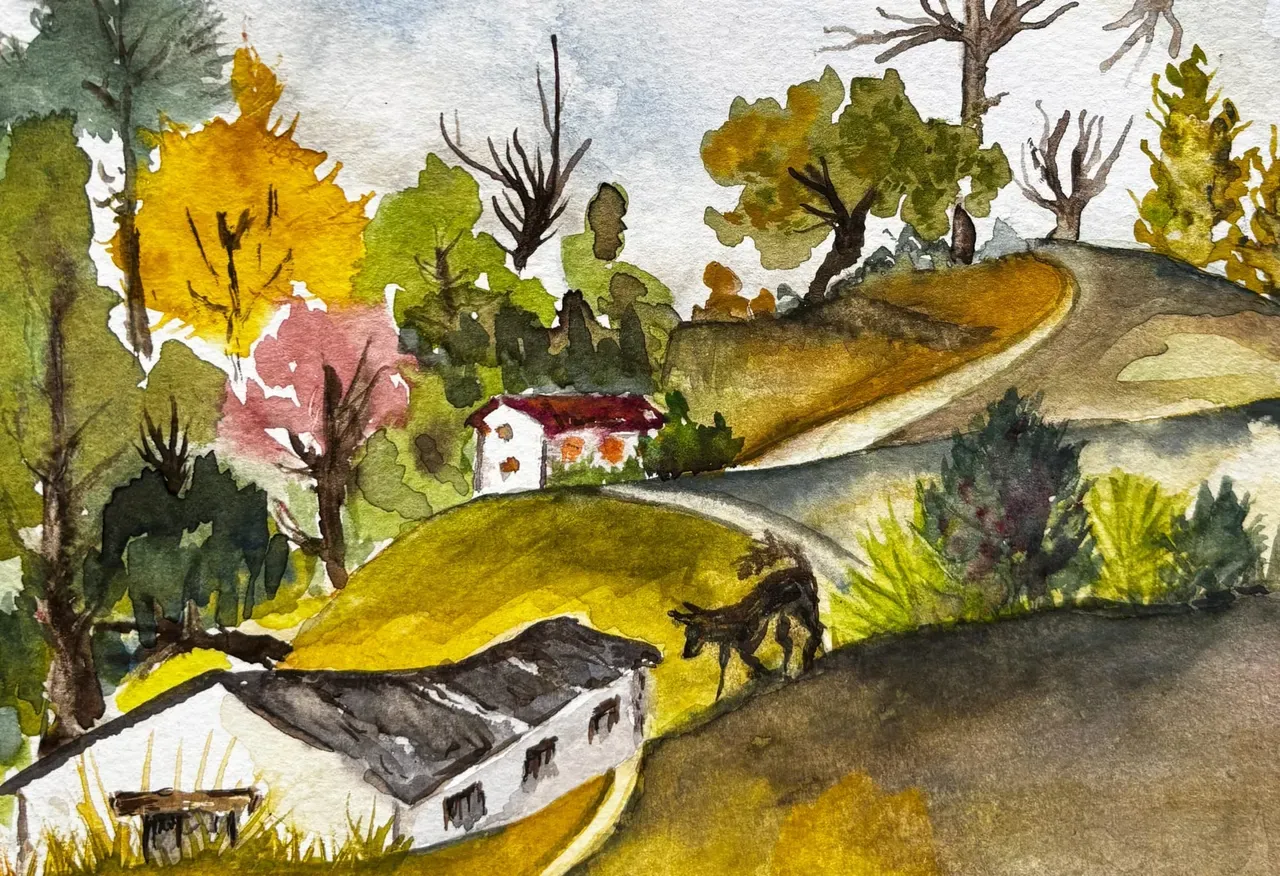
Sukhada Tatke reviews Anuradha Roy’s new book which chronicles more than two decades of life in a hill station in the north Indian state of Uttarakhand, where the allure of the Himalaya is inseparable from ecological crisis.
Before we move on to the News Dive, we want to give a special shout-out to our friends at The Atlas, a new WhatsApp-friendly international newspaper published by Coda Story and The Continent. They’re introducing their readers to Himal, so we’re returning the favour by introducing you to them.

Here’s what happened in Southasia this week:
NEWS DIVE
China censors death toll of flash floods in Tibet
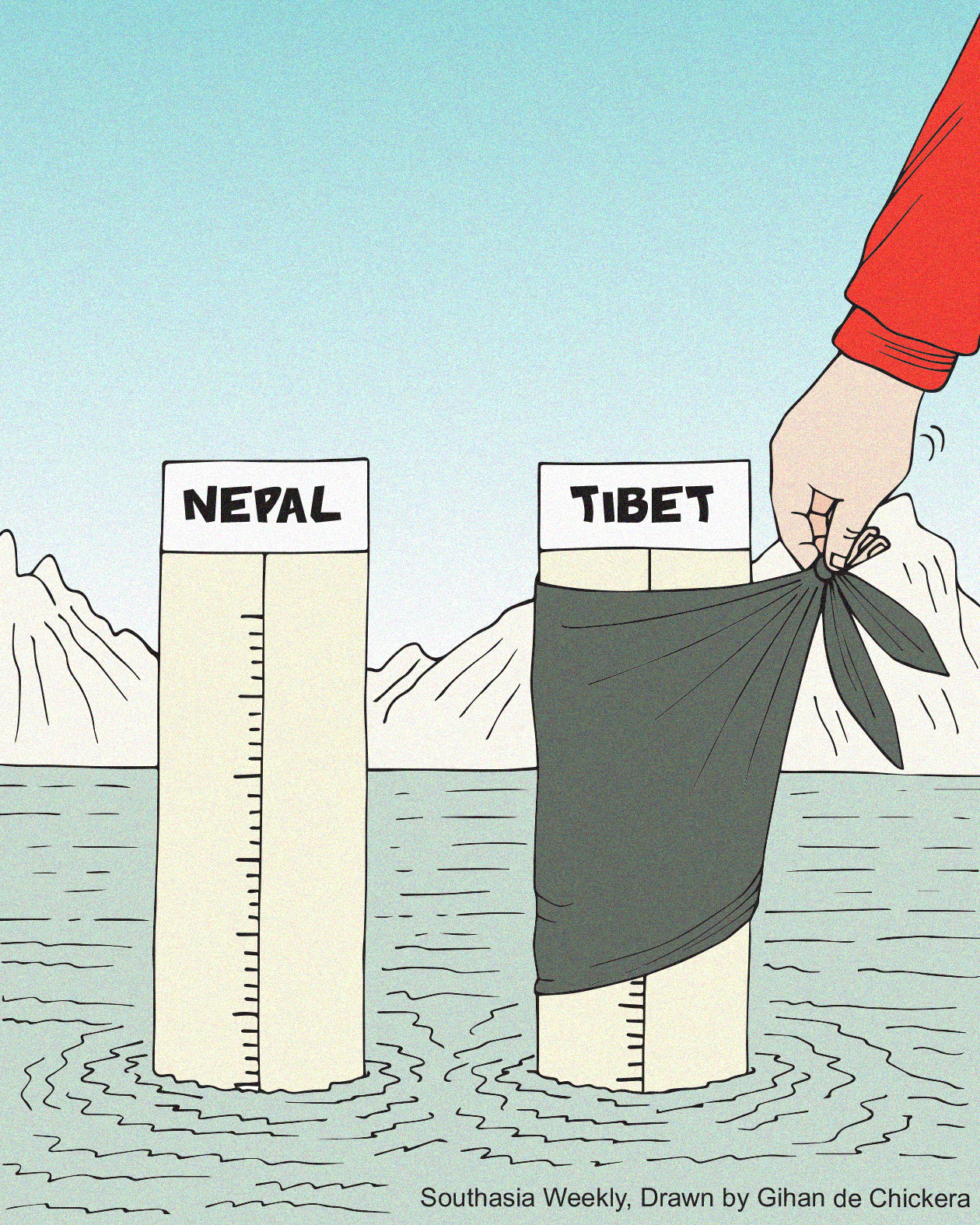
On 26 August, a glacier collapse along the Nepal-Tibet border triggered deadly flash floods. The mounting death toll in Nepal has dominated headlines (on 2 September, it climbed to 1200, with over 4500 missing.) Yet, while Kathmandu reports extensive casualties, Beijing claims negligible losses - 21 deaths as of 2 September, and over 540 missing according to Chinese state media. And yet, Tibet's government-in-exile reports that the floods swept away 'entire communities' in Gyirong County (Kyirong in Tibetan script), charging that the Chinese government concealed casualty figures for a day before reporting only three deaths, despite video clips that showed a wall of water sweeping away households and people at the Kyirong Port border crossing. The advocacy group International Campaign for Tibet says the death toll is significantly higher than government figures, with at least 300 homes destroyed in Tibet.
Videos and other firsthand documentation of the floods uploaded to Chinese social media platforms are being removed, raising concerns about information control on the part of the Chinese government. At least 10 people have been detained for sharing "false disaster information". This information asymmetry is not new. In January 2025, when a 7.1 magnitude earthquake struck Tibet, ordinary Tibetans mobilised to coordinate relief, with monasteries fundraising and holding last rites, even as China amplified official rescue efforts and sought to stifle the death toll. Now too, reports from China have focused on rescue efforts, the delivery of relief and the re-opening of roads rather than on how the floods have impacted the lives of Tibetans.
ELSEWHERE IN SOUTHASIA
- Sri Lanka Podujana Peramuna National Organiser Namal Rajapaksa arrested by the Commission to Investigate Allegations of Bribery and Corruption over 2013 Airbus deal, UNP MP Ravi Karunanayake arrested by Bribery Commission on 31 August for using three National Lotteries Board employees for political activities
- India’s Supreme Court including Supreme Court Justice Surya Kant quashes First Information Reports filed against students participating in Cockroach Janta Party protests
- Around 89 people injured in clashes between rival Bangladesh Nationalist Party factions over celebrations marking the party’s formation on 1 September
- Pakistan’s Foreign Minister Ishaq Dar meets with Afghan envoy to discuss regional stability, security developments as security concerns grow
- Sri Lanka’s Prime Minister Harini Amarasuriya and Bhutan’s Minister for Education and Skills Development Yeezang De Thapa hold bilateral talks on strengthening cooperation on education and vocational training on sidelines of Global Conscious Food Systems Summit 2026
- Six civilians including two children killed in Myanmar regime airstrike on Karenni mining hub held by anti-junta groups, days after UN report details 8075 civilian deaths at the hands of the military between February 2021 and 31 May 2026.
- India’s prime minister Narendra Modi meets with Iran President Masoud Pezeshkian on the sidelines of the SCO summit, US issues warning
- Arbitration court in The Hague rules that India cannot unilaterally suspend Indus Water Treaty, India rejects the court order based on lack of jurisdiction
- India’s police invoke Scheduled Castes and Scheduled Tribes (Prevention of Atrocities) Act against headmistress of a government school in Madurai after 16-year-old Dalit student takes her own life over verbal altercation
- President of The Maldives Mohamed Muizzu nominates former Information Commissioner Abdul Azeez Abubaker for second stint, raising debate on legality of term
- Delhi’s draft voter rolls released on Monday, over 32.78 percent of voters removed from electoral roll based on forms that were not returned
- Pakistan and Kuwait sign new defence agreement building on existing 2023 framework on military training, defence capacity and border management
FROM THE ARCHIVE
Revisit archival stories from Himal that add more context and insight to this week’s news updates from Pakistan, India and Myanmar
 Daanish Mustafa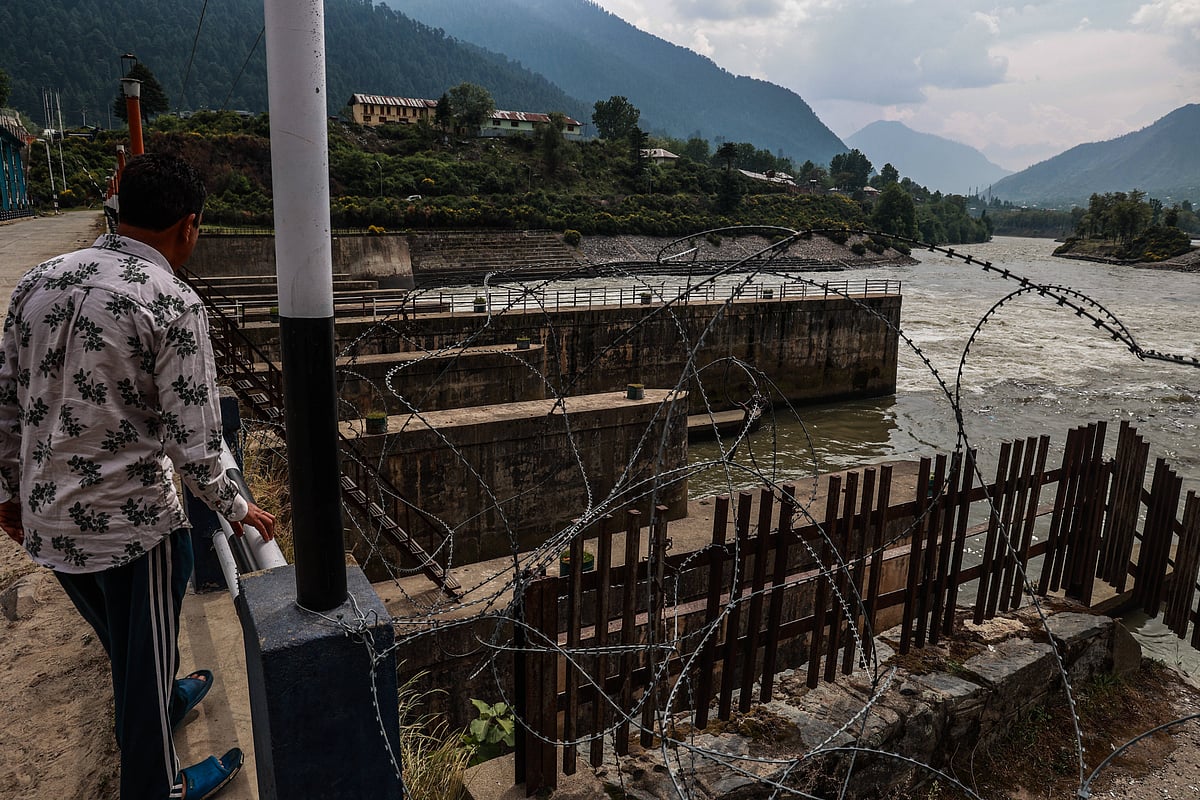
 Meena Kandasamy
 Salil Tripathi
SNAP SOUTHASIA

@mamaralte