This is Southasia Weekly, your regular update on the latest from Himal and across the region. If you only read one email from us all week, this should be it.
There’s something unusual happening at Himal this week: we’re all in the same place! For almost the whole of the year, our team is scattered across Southasia – working from different cities, across different time zones, with lots of email and chats and some long video calls to keep everyone on the same page. For the next few days, however, we’re all in Sri Lanka for our yearly team retreat. Being together in the same place is a rarity for us and it feels pretty special.
We’re using this time to talk about where Himal is going, what we can do better and the ambitious projects that we want to take on next. There’s plenty to discuss – the new paywall, future hires, our next big essays and investigations. But we’re also thinking a lot about the people who make it possible for us to do this work in the first place. And that means you.
We rely on paying Himal Patrons to support what we do, to give us the room to take risks, to let us focus on difficult stories and not shy away from taking on powerful people and corporations. You make our independent journalism possible for Southasia.
That’s why now is the perfect time to become a Patron. On Monday, 12 October, while the team is together, we’re hosting the next Himal Patron Meet – a quarterly online call where the magazine’s team and Patrons come together to talk about what the magazine has been doing, where it’s going, and what more it can be doing to give everyone a window on Southasia. And, more than that, it’s a chance for the growing community behind Himal to spend a little time together and just hang out. Independent journalism needs readers who care enough to keep it going, and we need to hear from them to keep the magazine vital and exciting!
Become a Patron now and you’ll get an invite to the Patrons Meet on Monday (and for a limited time, we’re also offering membership at a discount at just USD 49/year.) We’d love to have you join us.
|
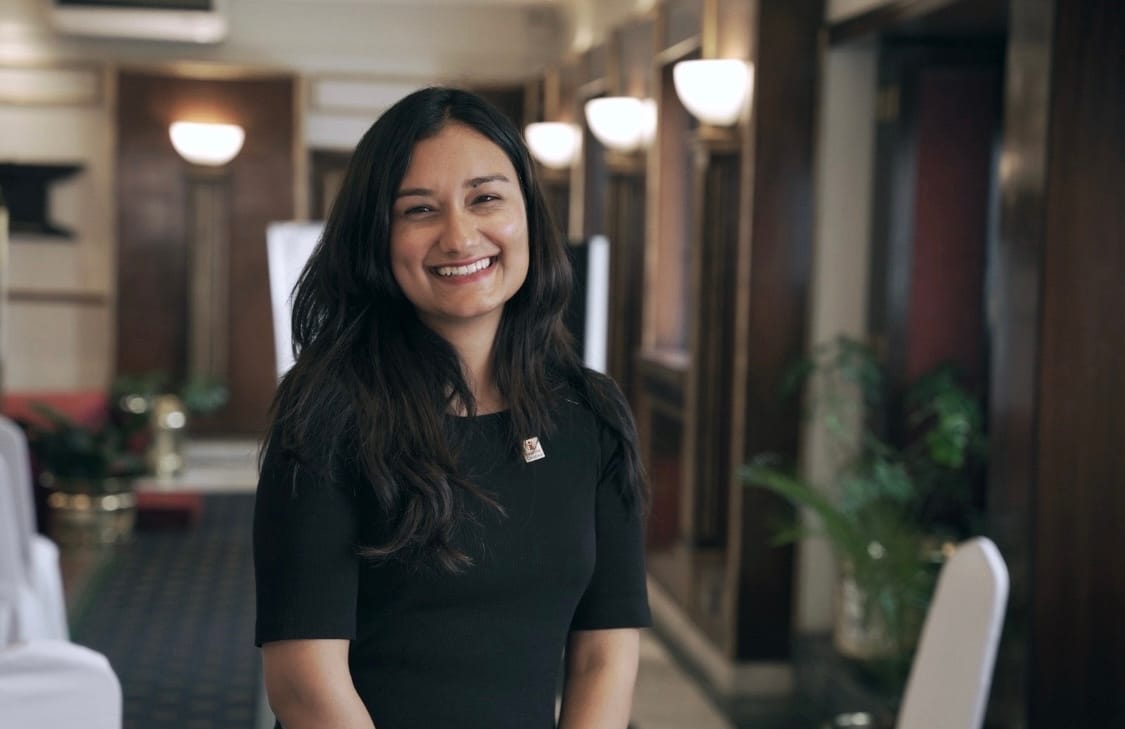
Prachi Aryal Engagement and Audience Manager Himal Southasian |
|
Here’s what Himal published this week:
REVIEWS
Why land reform has failed in Nepal’s Tarai
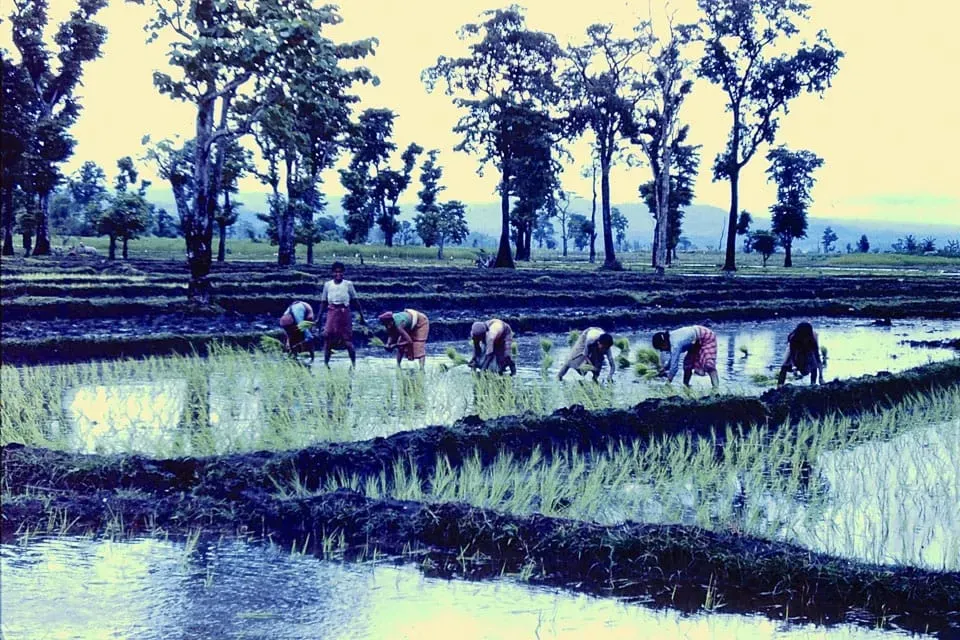
Maximillian Morch writes that decades of political upheaval have failed to break the cycle of landlordism and poverty in Nepal’s Tarai, or southern plains, in a review of human geographer Fraser Sugden’s ‘Land, Labour and Agrarian Change in Nepal’s Tarai-Madhesh’.
POLITICS
The promises and pitfalls of the Makkah Pact for Bangladesh
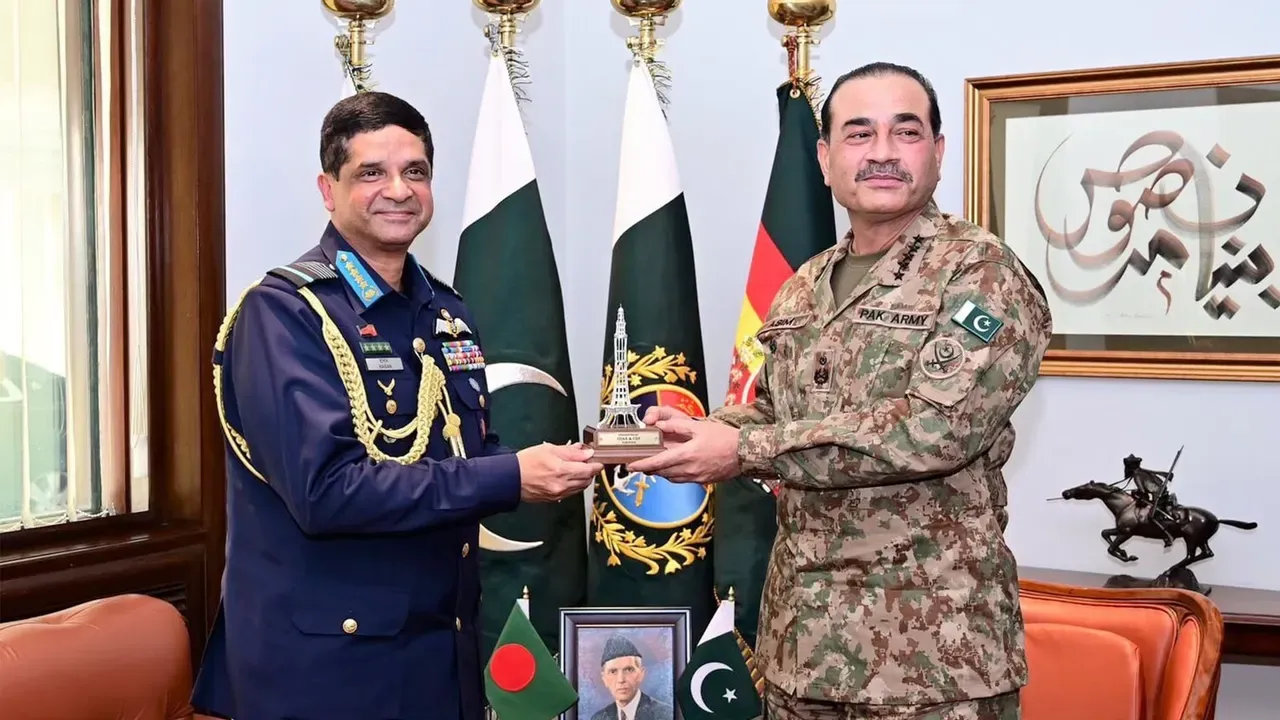
Maruf Hasan writes that even as Bangladesh mulls joining Pakistan, Türkiye and Saudi Arabia in the Makkah Pact, a collective defence deal, the country risks further fallout in its relationship with India.
Here’s what happened in Southasia this week:
NEWS DIVE
India gears up for massive day of protests
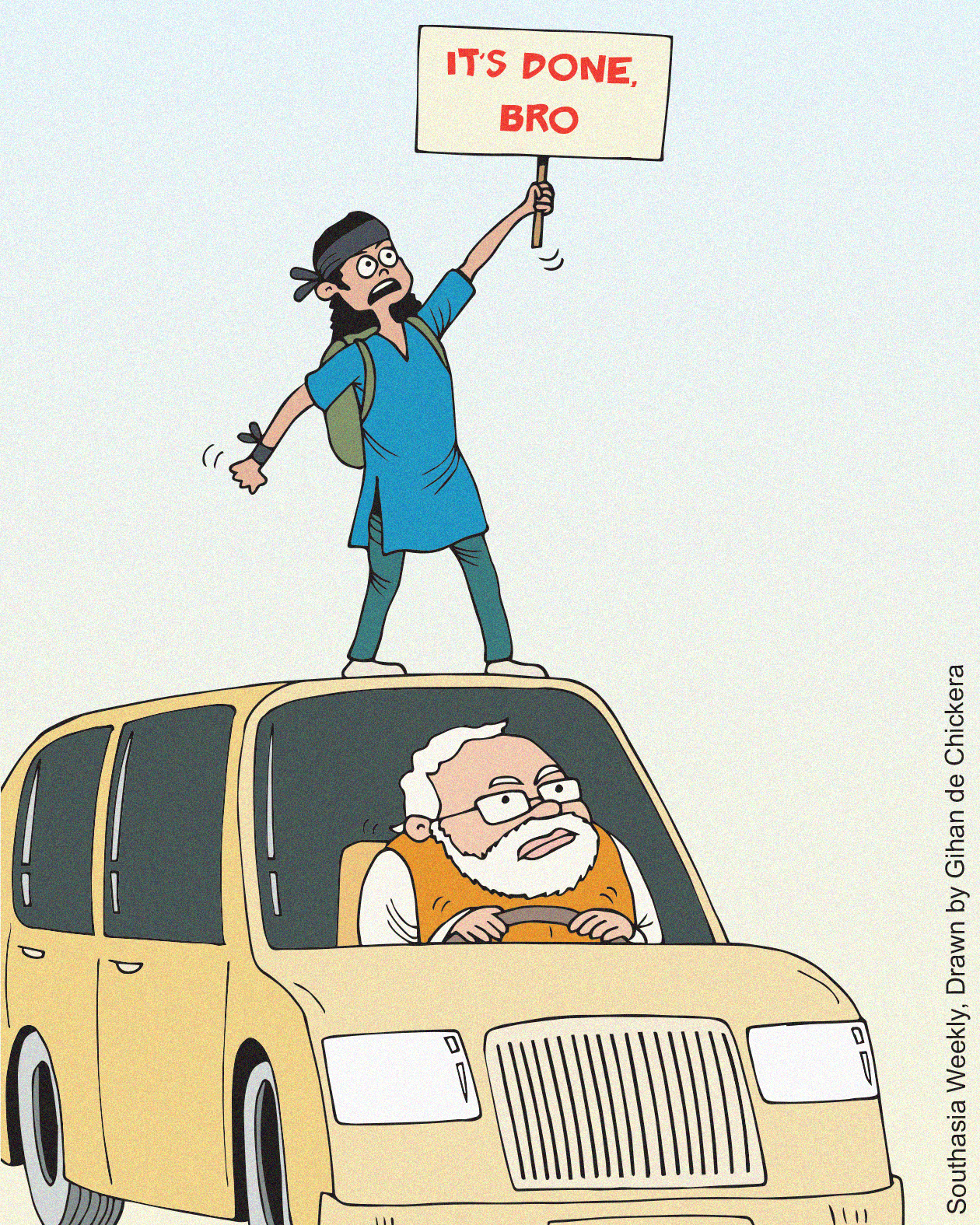
Over the past few weeks, India has erupted in protest, even as the government has grown more aggressive in its response. On 4 October, around 120 protesters, including the leader of the All India Students Association, Neha Bora, were detained alongside dozens of political opposition leaders as thousands marched in protest over three days to demand the resignation of the election chief over irregularities in the Special Intensive Revision process. The detentions came a day after three women journalists accused Delhi Police officers of sexual harassment while covering the Jantar Mantar protests. Police have denied permission for a planned Cockroach Janta Party protest on 10 October, despite advance notice from CJP representatives. Security is being ramped up in Delhi, with around 7000 officers of the Central Reserve Police Force deployed, metro stations closed and police loudspeaker announcements at a mosque in Old Delhi advising people not to participate in the protests. This has not deterred the protesters, with the CJP announcing that they will go ahead as planned.
The protests have cast a shadow over prime minister Narendra Modi marking 25 years in public office. The initial protests about leaked exam papers have also evolved to encompass more social issues, reflecting the anger and frustration of India’s youth. Even as protesters called for the Election Commissioner’s resignation, women took to the streets to protest rape and sexual assault, and to call for freedom of movement, apart from broader calls for education reform. The intensifying clampdown on the protests reflects growing anxiety on the part of the Indian government, even as critics have raised crucial questions about the sustainability of the protests and whether they will be able to move beyond immediate grievances to pose a more long-term challenge to Modi’s regime and ambitions of building a dynasty.
ELSEWHERE IN SOUTHASIA
- Saudi Arabia, Türkiye and Pakistan activate collective deterrence measures under their newly formed Makkah Defence Alliance and agree to rapidly deploy military forces to Saudi Arabia to repel Houthi attacks; the pact, signed in August, treats an armed attack on any member as an attack on all three
- Sri Lankan police arrests extremist monk Galagoda Aththe Gnanasara Thera, the general secretary of Bodu Bala Sena, in Kalutara after he failed to appear in court, following the Supreme Court decision to annul presidential pardon for his contempt-of-court conviction; the monk has a history of hate speech and anti-Tamil and anti-Muslim agitation
- Myanmar military leader-turned-president Min Aung Hlaing visits Malaysia for his first trip to the country since the 2021 coup, with talks expected to cover the repatriation of thousands of Myanmar nationals amid concerns over the possible return of Rohingya to a country where they face persecution
- Nepal’s Department of Money Laundering Investigation raids the home of Prabhu Shumsher Rana, brother of former chief justice Cholendra Shumsher Rana, and the homes of several associates, seizing documents and electronic devices as part of a probe into alleged attempts to influence court cases and secure the release of businessman Deepak Bhatta
- Sri Lanka arrests former first lady Shiranthi Rajapaksa over allegations that a charity linked to her misused LKR 10 million donated for a specialised scanner for Colombo’s Lady Ridgeway Children’s Hospital, despite officials saying the Chinese government had already donated one; the arrest comes as the government revives corruption investigations involving the Rajapaksa family
- Internet watchdog Internet Freedom Foundation flags Freedom Foundation calls the removal of encrypted messaging apps, including BitChat after their use during Jantar Mantar protests to circumvent internet jamming, from India’s App Store as unconstitutional, after their use during Jantar Mantar protests to circumvent internet jamming and mobile internet suspensions
- The International Monetary Fund (IMF) considers lowering Pakistan’s health and education spending target from PKR 4.2 trillion to around PKR 3.9 trillion as provincial governments face fiscal pressures after committing cash surpluses and grants to the federal government, with provinces having already fallen PKR 370 billion short of their targets last year
- Indigenous communities and workers in Bangladesh call for constitutional recognition of their rights, including recognition as “indigenous peoples” or “janjati”, reserved parliamentary seats and proportional representation
FROM THE ARCHIVE
Revisit archival stories from Himal that add more context and insight to this week’s news updates from India, Pakistan and Sri Lanka:
 Anand Teltumbde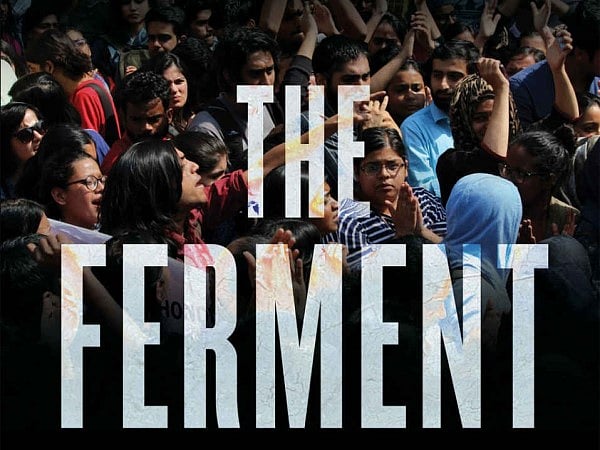
 Salman Rafi Sheikh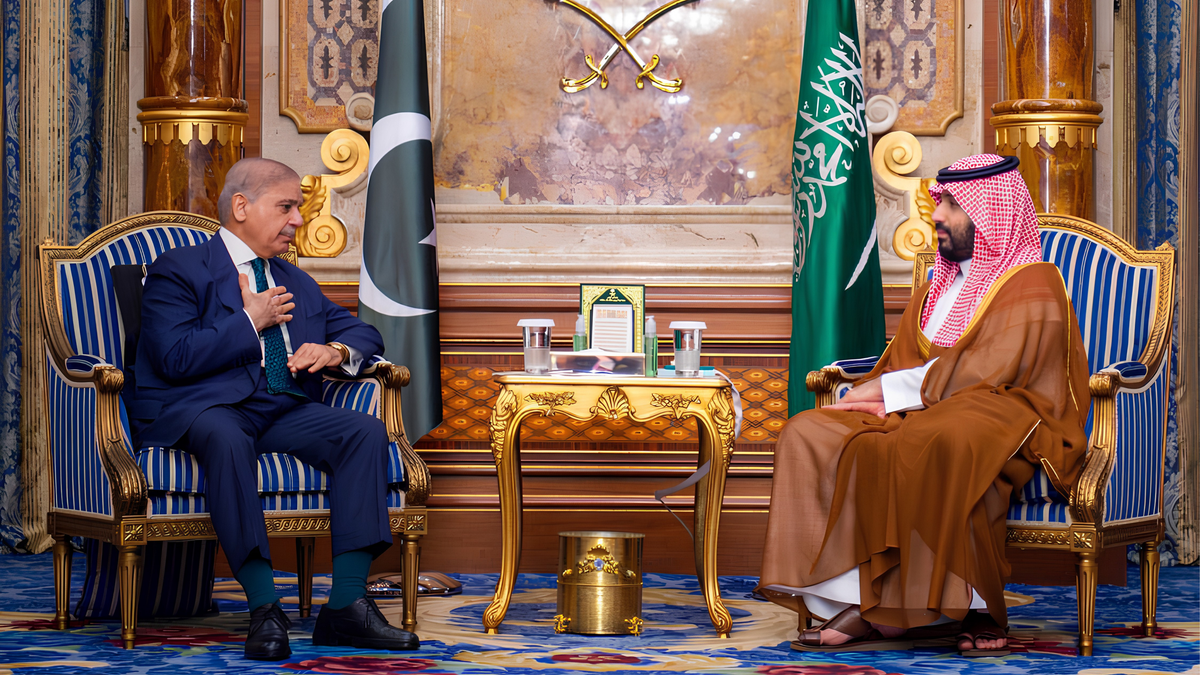
 Tisaranee Gunasekara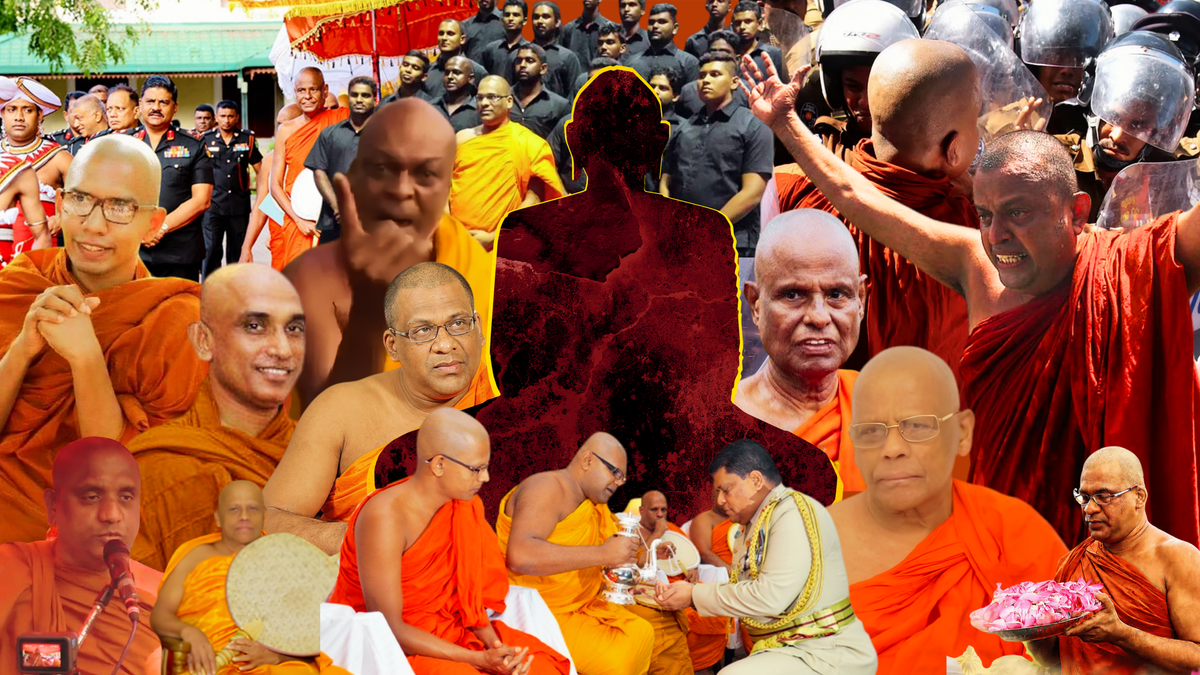
SNAP SOUTHASIA
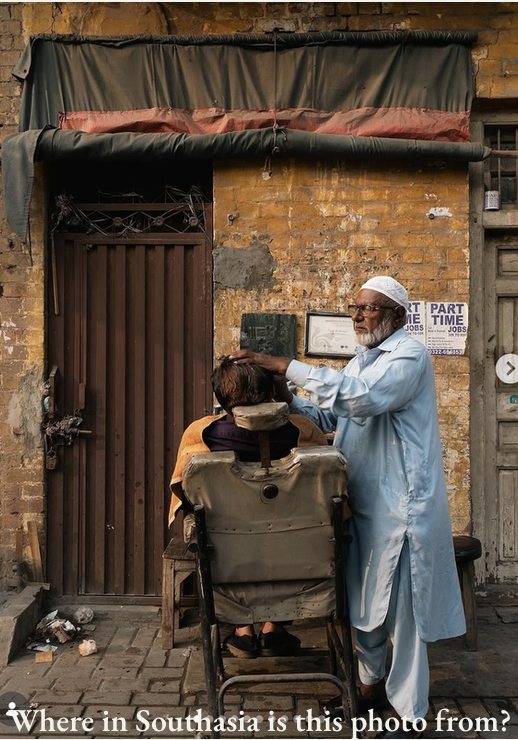
@umaimaumi