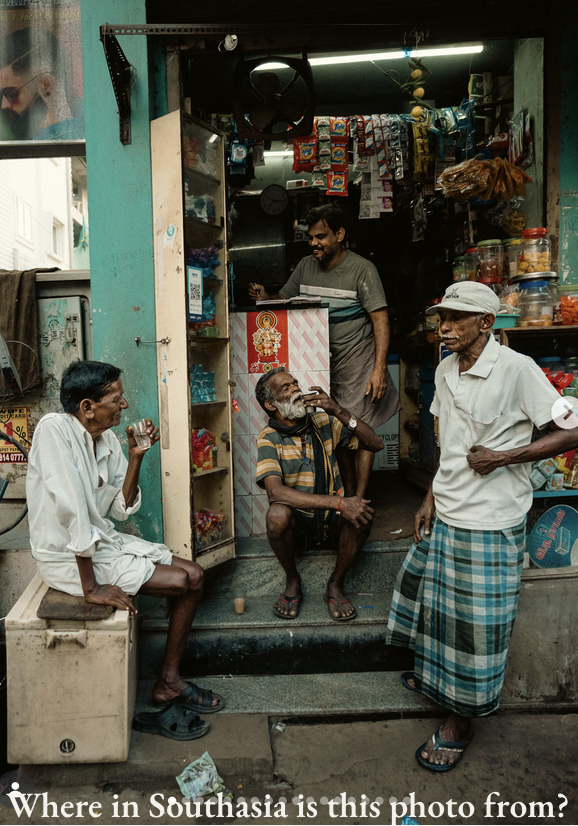
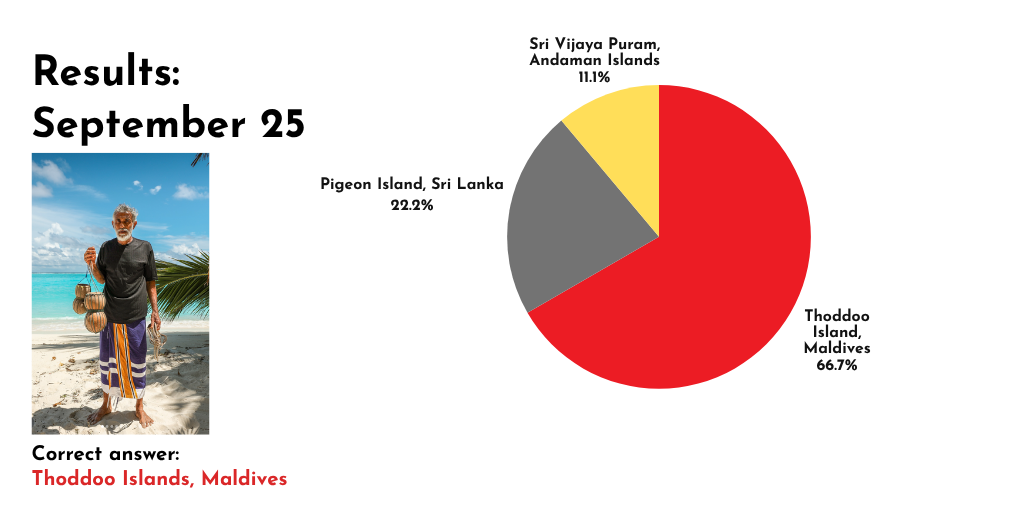
This is Southasia Weekly, your regular update on the latest from Himal and across the region. If you only read one email from us all week, this should be it.
Our next Patrons Meet — an online gathering where our paid supporters and the Himal team meet and talk — is on 12 October. Become a Patron before then and join us.
Women in India are tired of the unrelenting occurrences of rape – in Delhi, Bihar and Punjab, in a park, on a college campus and in a hotel, and all that just very recently. We are weary of being reminded that a women is raped in the country every 20 minutes. We are tired of hearing it’s “not all men”. We read the horrific details of the Cornell 7 rape case now being discussed in the United States, and we feel the rage of women on the other side of the world – and of course across Southasia as well.
Following the news and the renewed protests over rapes in India, it’s infuriating to again see knee-jerk institutional responses looking to police women’s freedoms and push them to disappear from public spaces. The Delhi administration decided to restrict entry into all parks after sunset after a teenager was raped in one of its parks. A state legislator suggested on national television that there are elegant ways to police the movements and behaviours of women.
This has been the rallying point for protest marches in the capital this past week – women not only protesting rape but demanding the basic freedom to move across the city. It was the point of Pinjra Tod (Break the Cage), a collective of women’s groups from across campuses in India, who called out the double standards of hostel administrations that implemented strict curfews and restrictions for women while having no such regulations for men. It is also the focus of the Why Loiter, a campaign that encourages women to reclaim roads and footpaths, parks and benches, tea stalls and buses and trains, at all times of the day and night in cities across India.
We have not given up. Amid the anger, frustration and sheer exhaustion, I saw hope and humour in the slogans at the protests.
- Ek kachori, do samosa, in mardon ka kya bharosa (One kachori, two samosas, there is no trusting these men)
- Mere sar mein dard hai, iska kaaran mard hai (My head hurts so, the reason is men, you know)
- Nahin jeeyenge dar mein, mard ko rakh do ghar mein (We won’t live in fear, keep the men at home)
- Tod ke rakh do woh samaj, naari jisme bandhi hai aaj (Break down that society that keeps women in chains)
There’s something of the spirit of the Cockroach Janata Party protests in these, as a defiant new generation of Indian women find their voice. How long will the state and society in India continue to shirk responsibility?
|
Nayantara Narayanan Associate Editor Himal Southasian |
|
Here’s what Himal published this week:
POLITICS
The spiral of attacks and allegations between Manipur’s Nagas and Kukis
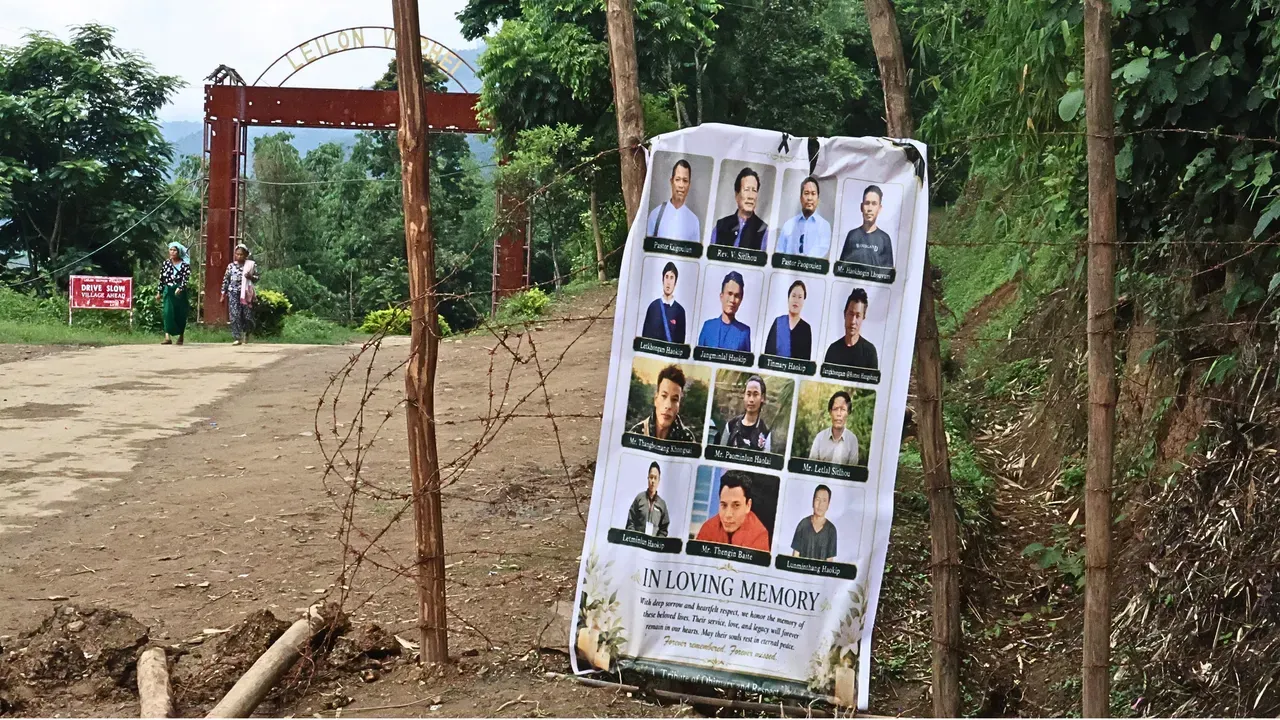
Nikita Jain reports on how old animosities between Kukis and Nagas have reignited to set off a fresh cycle of violence in Manipur, adding to the Indian state’s existing ethnic violence and armed hostilities.
SCREEN SOUTHASIA

This week, for Screen Southasia, we’re streaming State of Statelessness in collaboration with the Tibet Film Festival. We’ll also be hosting a Q and A with one of the film’s directors, Tenzin Tsetan Choklay, on 5 October at 5 pm IST/1.30 pm CET/7.30 am EST. Click here to sign up to Screen Southasia and receive both the free screening link and the registration link for the Q and A session (and reach out to raisaw@himalmag.com if you're having any trouble connecting!)
Here’s what happened in Southasia this week:
NEWS DIVE
The clampdown on PTI’s long march
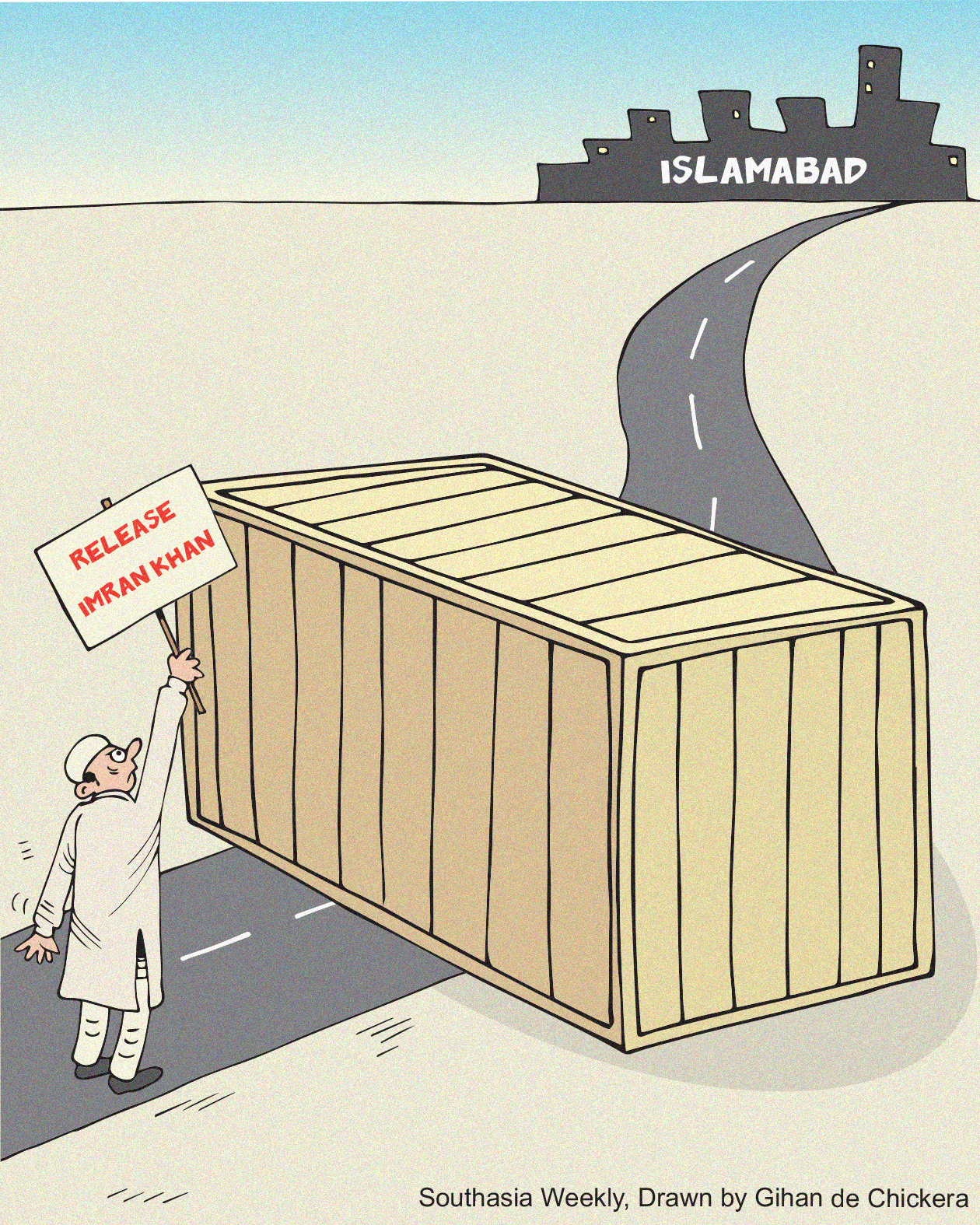
This week, Pakistan’s government deployed tens of thousands of security personnel and blocked key highways with shipping containers ahead of a planned march by the Pakistan Tehreek-e-Insaaf, already postponed from 25 September to 4 October. Organised to press for the release of the PTI leader and former prime minister Imran Khan, who has remained in detention at Rawalpindi’s Adiala Jail since August 2023, the march has drawn a preemptive clampdown, with authorities detaining three of Khan’s sisters alongside hundreds of party activists across Punjab and Islamabad. Officials say the measures are necessary to maintain public order, while critics argue they demonstrate state anxiety about the mobilisation of the political opposition.
The blockade fits a longer pattern of systemic political repression in Pakistan. The last large-scale protest by the PTI, two years ago, ended in deadly clashes with security forces. PTI protests often end in the mass arrest of PTI leaders and organisers, with several subjected to trial in military courts after mass protests following Khan’s first arrest in May 2022. Strict restrictions on assembly have been used to stifle dissent, resulting in the PTI’s political isolation. The clampdown also comes while violence has flared up again in the insurgency-hit province of Khyber Pakhtunkhwah, with 11 people dead and 30 injured in a roadside explosion at Dera Ismail Khan. The government has said it is "seriously considering" imposing a state of emergency due to the march and ongoing militant activity.
ELSEWHERE IN SOUTHASIA
- India and Myanmar to hold their third annual Defence Cooperation Meeting in Guwahati on 7 October, the first time the dialogue is being held in India’s Northeast, with talks expected to focus on security along the 1643-kilometre border, including insurgency, narcotics and arms trafficking, as well as defence training and capacity-building
- Villagers affected by the Ken-Betwa river-linking project in Madhya Pradesh’s Panna district march to police station to protest police brutality against their continued protests for adequate compensation and rehabilitation, with police again arresting activist Amit Bhatnagar and several others
- Garment workers in India’s Karnataka state protest new Pension Fund withdrawal rules, with around 2500 workers at Shahi Exports, Maddur striking against the Centre’s decision to make them wait 12 months to withdraw the remaining 25% of their PF savings and 36 months to access their EPF funds, with workers and unions demanding that the changes be withdrawn
- The Office of the Indian Prime Minister Narendra Modi asks central universities in the country to explain why Ambedkarite and anti-caste writings, including B R Ambedkar’s Annihilation of Caste, Jyotirao Phule’s Gulamgiri, works by Gail Omvedt and Sharmila Rege, are being taught in their curricula, after an anonymous X post from a right-wing handle questioned their inclusion; the Education Ministry seeks details of the courses in which the texts are taught and the number of students enrolled
- Bangladesh and the United States sign non-binding civil nuclear cooperation agreement, laying the groundwork for cooperation on nuclear safety, regulation, expertise and future technologies such as small modular reactors, while potentially opening the way for US companies to supply nuclear equipment and fuel; the agreement does not affect the Russian-built Rooppur plant or require Bangladesh to buy US nuclear fuel
- President of The Maldives Mohamed Muizzu reaffirms the country’s commitment to strengthening ties with China, describing Beijing as a “steadfast development partner” and highlighting its role in creating opportunities for Maldivians, as he pledges to further advance the countries’ “Comprehensive Strategic Cooperative Partnership” and take bilateral relations to new heights
- A Myanmar military airstrike on a crowded market and bridge in Arakan Army-controlled Kyauktaw, Rakhine State, kills 50 civilians and injures nearly 60, according to the Arakan Army and local rescue officials, making it the deadliest such attack in Rakhine since a December 2025 bombing of a hospital in Mrauk-U that killed at least 30 people
- Floods and landslides in Myanmar’s Tanintharyi Region kill at least 32 people in Dawei District, with dozens still missing and thousands cut off as more than 20 villages in Launglon Township remain submerged and landslides block the main highway, hampering rescue efforts and leaving communities in urgent need of food, water, medicine and other supplies
- The United Kingdom reopens its refugee resettlement scheme after a two-year suspension, with around one-quarter of referrals expected to be Afghan women and girls and Palestinian refugees, while refugees will be identified through UNHCR and the International Refugee Assistance Project and undergo security and criminal-background checks before travel; the scheme will initially admit hundreds of people, with annual caps and the possibility of expanding to the low thousands
- Newcastle University appoints Anant Ambani, son of Reliance Industries chairman Mukesh Ambani, as a Professor of Practice in Sustainability, citing his work in conservation, biodiversity and animal welfare through Vantara and his role in Reliance’s green-energy transition; the appointment draws criticism from academics and environmentalists over Vantara’s scrutiny over wildlife sourcing and Reliance’s continuing links to fossil fuels
- A strong El Niño is projected to cause nearly 451,000 additional heat-related deaths worldwide by February 2027, with South and Southeast Asia among the major hotspots and India alone expected to record around 15,800 excess deaths, as extreme heat is intensified by an already warming climate; the Climate Impact Lab says heat-warning systems, cooling centres, hydration stations and protections for outdoor workers could help prevent thousands of deaths
- A late-monsoon storm causes deaths, flooding and landslides across Nepal, with an avalanche at the 7,126-metre Himlung Himal base camp in Manang leaving 14 Nepali guides and support staff missing, while floods damage homes and infrastructure and landslides block four of the five main highways connecting Kathmandu with the rest of the country
FROM THE ARCHIVE
Revisit archival stories from Himal that add more context and insight to this week’s news updates from Pakistan and India
 Salman Rafi Sheikh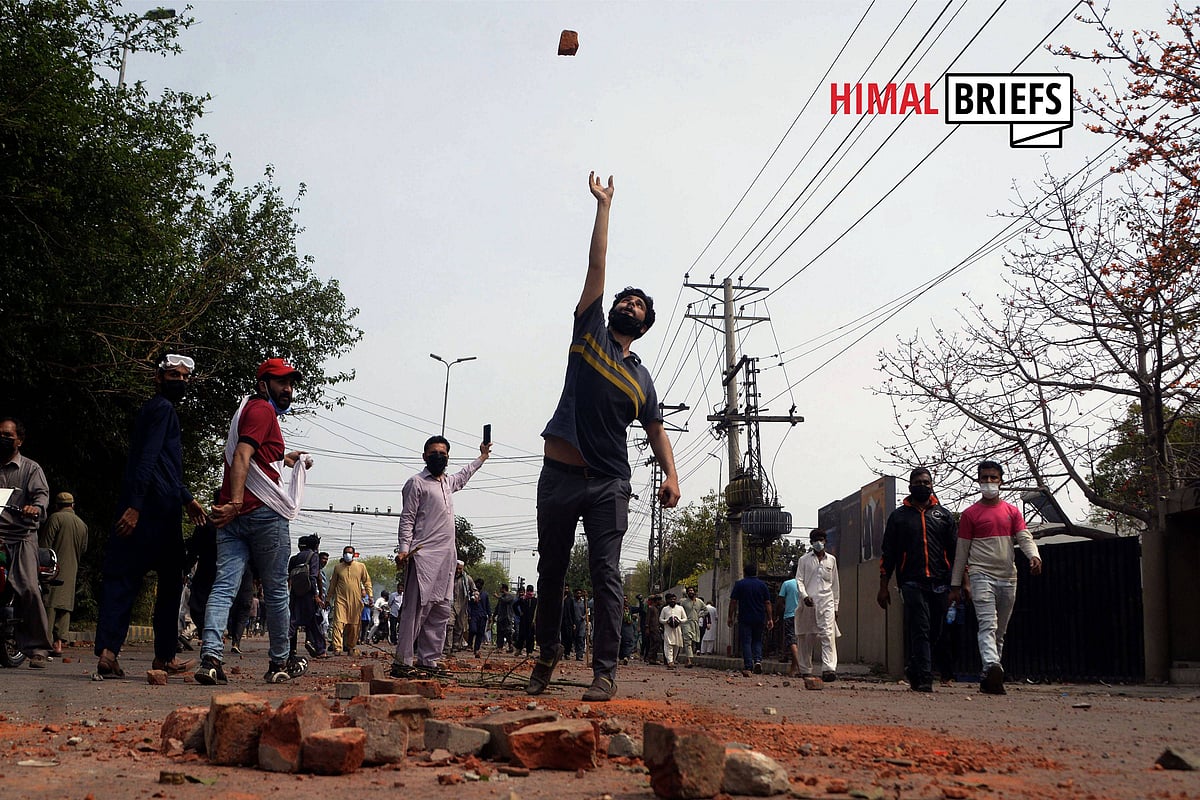
 M Rajshekhar
 Rahul Rao
SNAP SOUTHASIA