This is Southasia Weekly, your regular update on the latest from Himal and across the region. If you only read one email from us all week, this should be it.
Himal brings you reportage and analysis on divisions within India’s Election Commission, Nepal’s bid for loss and damage funds and more. Help us keep going.
Last week, I went to a municipal office in Bengaluru armed with every possible document that established my identity and domicile status – birth certificate, passport, Aadhaar card, school leaving certificates – and copies of each paper. I had been served a notice to prove that I was a citizen of India and belonged on the electoral rolls as a voter. This is the procedure under the Special Intensive Revision (SIR) being carried out by the Election Commission of India across several states, including in Karnataka, where I live. The SIR has struck a massive 130 million names off the country’s voter lists, and struck at least as many nerves along the way.
I had already spent days combing through the electoral rolls of 2002, the year of the last SIR, to find the names of my family members, filled in forms to show that I was related to an Indian citizen who was a voter then, and submitted it to an overworked and fatigued election officer responsible for overseeing the procedure for hundreds of thousands of people. Even though I was on the draft electoral roll, I was still served a notice on the grounds that one of my parents’ names did not match the name on the 2002 rolls. We both had to prove again that we existed and that we were citizens.
I had a second meeting with the harried election officer to collect the notice, a third to submit my documents, and a fourth to resubmit a copy of a document because he claimed that an earlier one was not clear enough. But my exasperation and outrage at the process was nothing compared to the troubles of those who don’t have documents as I do – people who were not issued birth certificates or lost them in calamities, those who never went to school and don’t have school leaving certificates, those who never applied for passports because they never thought they might have a chance to travel overseas. As millions of Indians scramble to ensure their places on the electoral rolls, it seems that the Election Commission has now found itself in serious trouble. You can read all about that in the News Dive below.
|
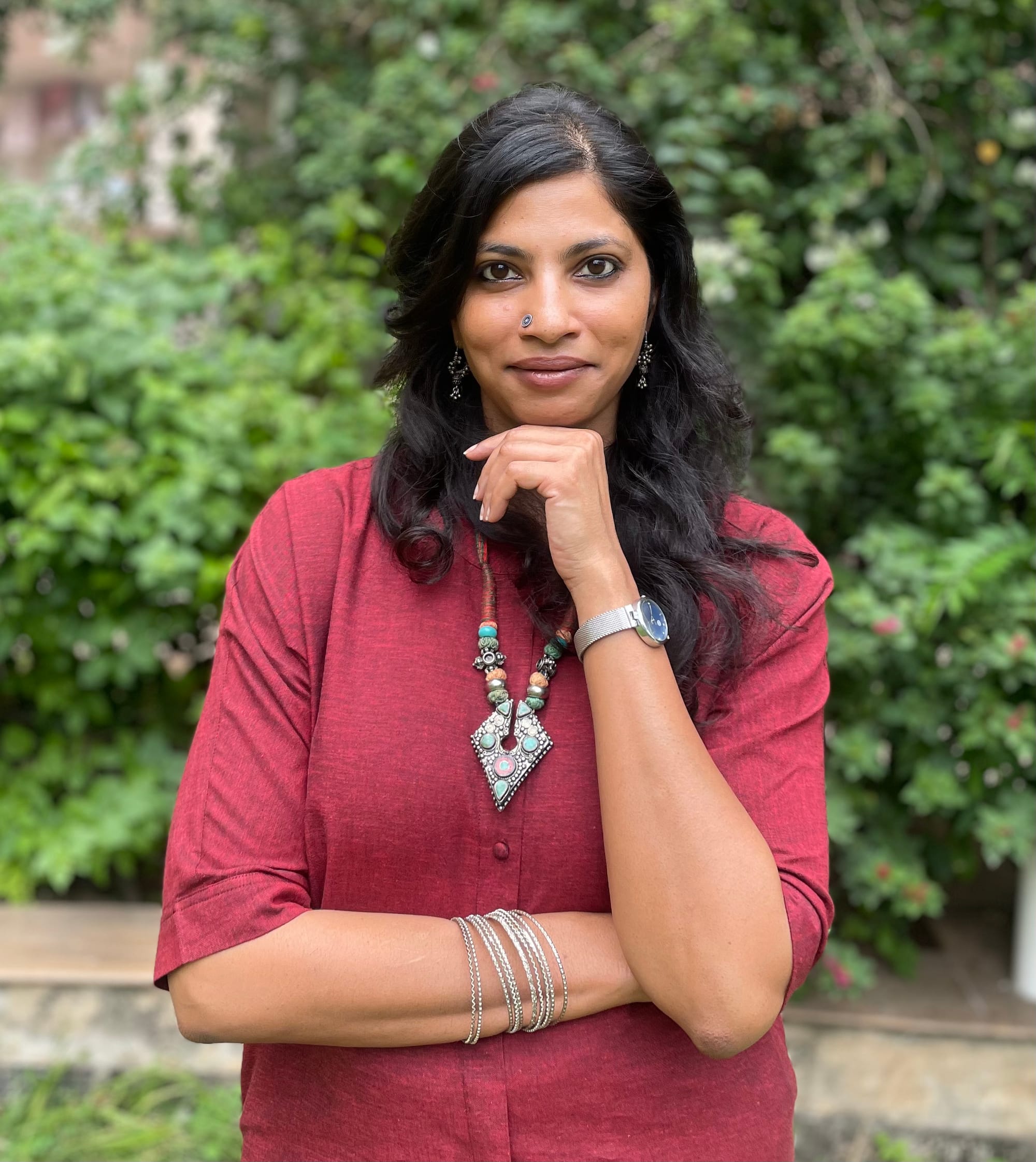
Nayantara Narayanan Associate Editor Himal Southasian |
|
Here’s what Himal published this week:
REVIEWS
The limits of Pankaj Mishra’s reckoning with Zionism and the Gaza genocide
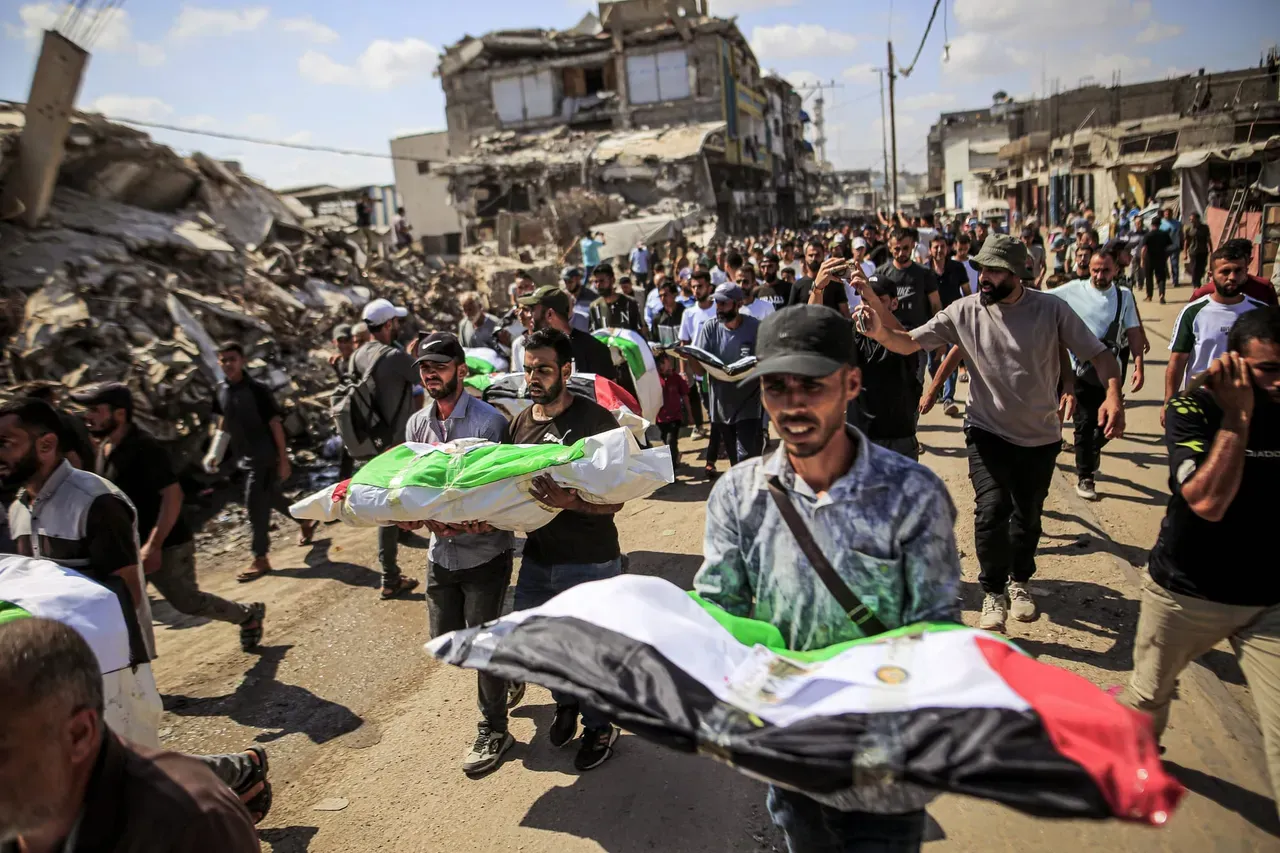
Rahul Rao argues that Pankaj Mishra’s centring of Jewish trauma in The World After Gaza leaves Palestine diminished, while a new book by the Palestinian historian Esmat Elhalaby recovers a forgotten history of anticolonial solidarity.
POLITICS
Nepal’s post-flood Loss and Damage claims highlight a need for its own climate evidence
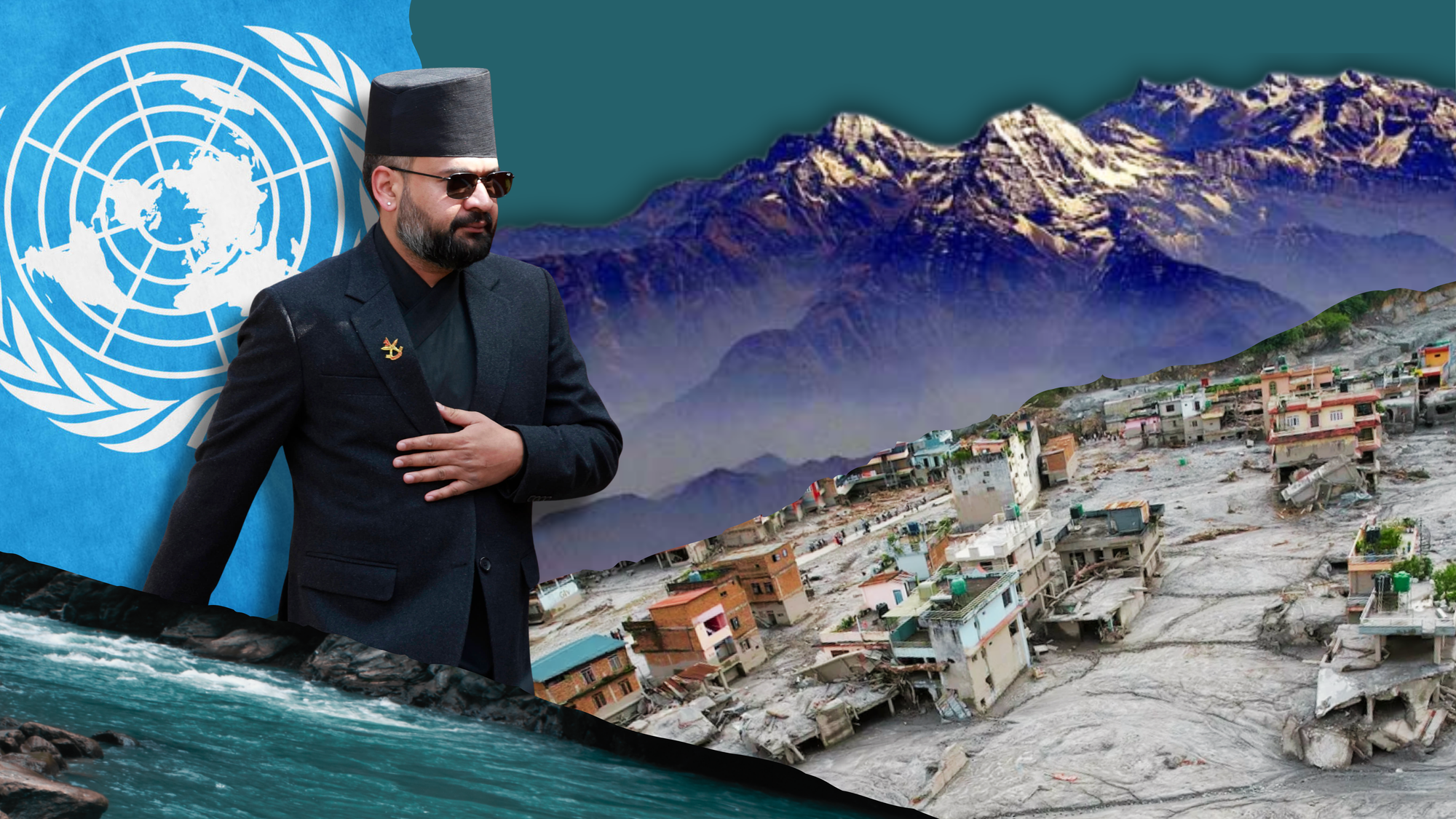
Netra Chhetri and Dinesh Bhuju highlight Nepal’s need to bolster its own research on climate-related loss and damage as the country makes a case for reparations in the wake of the devastating August flash flood.
Here’s what happened in Southasia this week:
NEWS DIVE
India’s Election Commission under the scanner
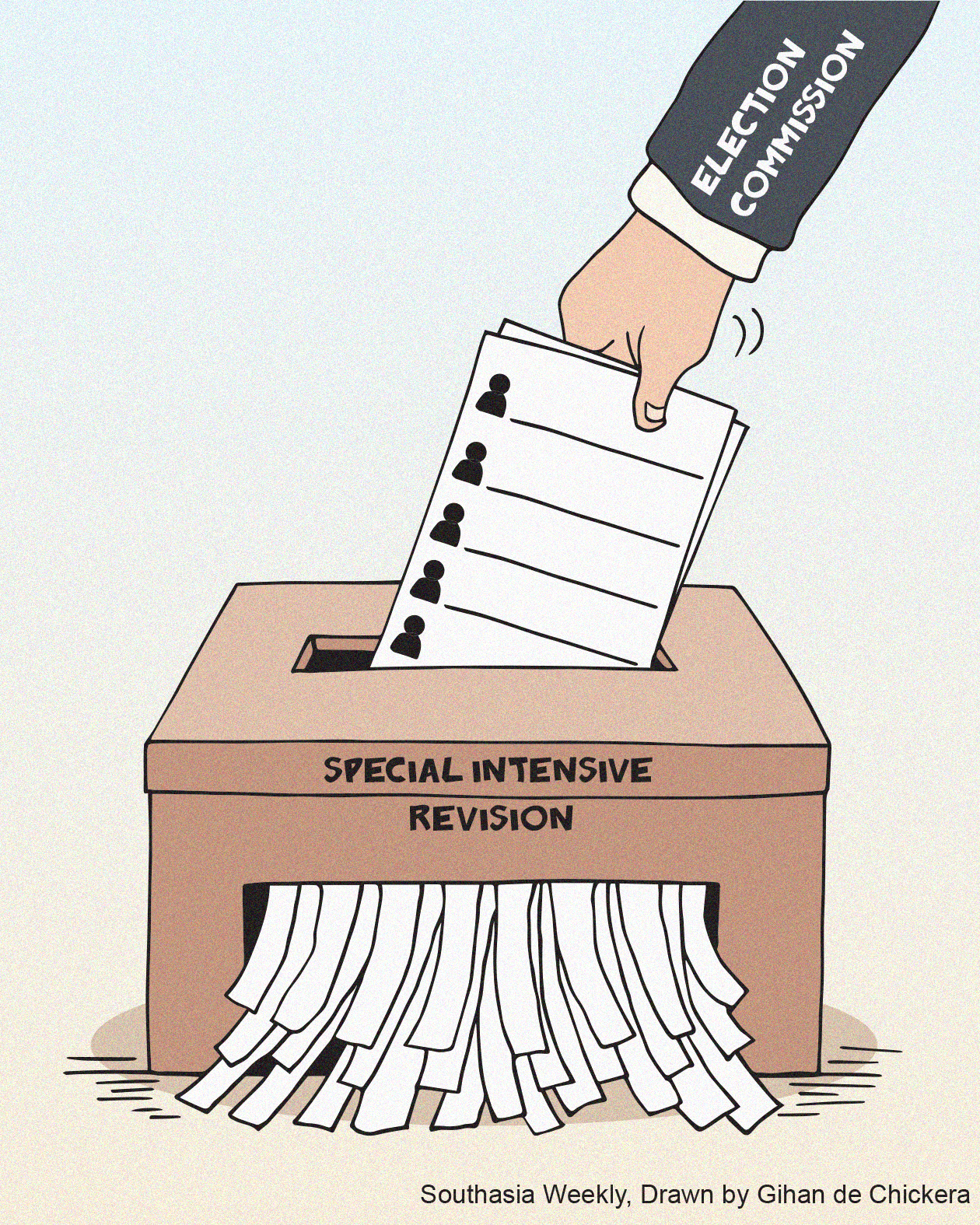
On 23 September, it was reported that India’s two Election Commissioners – part of a three-person body at the head the Election Commission of India (ECI), with the Chief Election Commissioner as its highest-ranked member – had filed at least 14 internal objections against unauthorised policy changes on the Special Intensive Revision (SIR) process, even as the ECI maintained that all decisions regarding the SIR were unanimous. Election Commissioner Sukhbir Singh Sandhu flagged “unauthorised and illegal” changes to register new voters through Form 6. He and fellow Election Commissioner Vivek Joshi both raised concerns over the centralised control of voter software, and the disenfranchisement of at least 97 voters in Goa in violation of a Supreme Court order. Sandhu and Joshi escalated the matter by approaching the Cabinet Secretary, the country’s top bureaucrat, with their concerns over the digital integrity of the voter software.
This internal fracturing of the ECI looms large over the SIR process, which has systematically disenfranchised millions of vulnerable voters across multiple Indian states – with at least 130 million voters struck off the draft voter rolls since June 2025. Many of those affected are from marginalised groups such as migrant workers, Muslims, tribal communities, the urban poor, women and the transgender community. In states like West Bengal, Tamil Nadu, Kerala and Bihar, the SIR process was carried out ahead of key state elections. While India’s opposition parties have charged that the SIR process is flawed and skewed against them, the recent reporting reveals that serious concerns about the process were raised even within the ECI itself. In an official statement, the ECI said that “differing views and observations” were “a normal part of deliberation”. But this statement has not been able to stop growing scrutiny of the ECI, which many have accused of growing bias towards the ruling government under the Bharatiya Janata Party and Narendra Modi.
ELSEWHERE IN SOUTHASIA
- The United Kingdom pauses annual payments to Mauritius, confirms Chagos Islands deal with Mauritius on hold after United States President Donald Trump withdraws support, with UK Defence Secretary Wes Streeting saying the deal cannot proceed without US backing to safeguard the joint UK-US military base on Diego Garcia
- Nepal Prime Minister Balendra Shah, on his first foreign trip since taking office on March 27 March, is set to call for climate justice at the UN General Assembly in New York, as Nepal seeks USD 20 million from the UN’s loss-and-damage fund and international cooperation on Himalayan disasters following the devastating 26 August floods
- Sri Lanka’s High Court convicts 15 of 24 men accused of involvement in the 2019 Easter Sunday bombings that killed 279 people, with 14 found guilty of all charges including murder and conspiracy to commit terrorism, one convicted on only some of the charges and nine acquitted after a five-year trial
- The Supreme Court tells the Centre that a “conscientious objector” should not be punished for refusing to sing Vande Mataram, while hearing Carnatic vocalist T M Krishna’s challenge to the 2026 amendment to Section 3 of the Prevention of Insults to National Honour Act, requiring the singing of all six stanzas of the national song on the grounds that the last four stanzas violate India’s constitution
- Pakistan carries out precision aerial and drone strikes on 10 locations in Afghanistan that it says were used to launch and store drones, after its air defences shot down eight drones entering Pakistani airspace from Afghanistan, and after 22 September air strikes from Pakistan with 28 militants reported killed and Kabul reporting at least 3 civilian deaths
- A viral video showing two teenagers being assaulted and harassed by a group in Bihar’s Jamui, and the alleged gang-rape of a 17-year-old girl in an upscale Delhi neighbourhood by three men posing as policemen, have renewed scrutiny of violence against women and girls, and the response of law-enforcement authorities in India
- Bangladesh Prime Minister Tarique Rahman continues to push for repatriation of Rohingya refugees while addressing a high-level side event on the Rohingya Crisis at the UN headquarters; calls for sustained humanitarian aid for refugees and host communities; greater regional and international cooperation against trafficking, drugs, and other cross-border crimes, as Bangladesh hosts more than 1.2 million Rohingyas
- China appoints Hu Changsheng as the new Party chief of Tibet Autonomous Region (TAR), ahead of key Chinese Communist Party conclave in October, with Hu pledging to strengthen ‘ethnic unity’, oppose separatism and tighten the “rule-of-law-based management” of religious affairs while safeguarding stability in the region
- India’s External Affairs Minister S Jaishankar’s Bhutan visit strengthens bilateral cooperation, with the two countries launching UPI-based digital payments for Bhutanese nationals in India, laying the foundation for a 500 kilowatt hydropower project and advancing India’s INR 4000 crore (40 billion) energy credit line
- Nagaland begins revising its State Biodiversity Strategy and Action Plan to align with India’s updated national plan and the Kunming-Montreal Global Biodiversity Framework, with consultations focusing on biodiversity conservation, ecosystem restoration, sustainable resource use and community participation; the move comes amid a considerable decline in forest cover and in reducing pesticide risks and nutrient loss
FROM THE ARCHIVE
Revisit archival stories from Himal that add more context and insight to this week’s news updates from India, Sri Lanka, The Maldives and Bangladesh.
 Nayantara Narayanan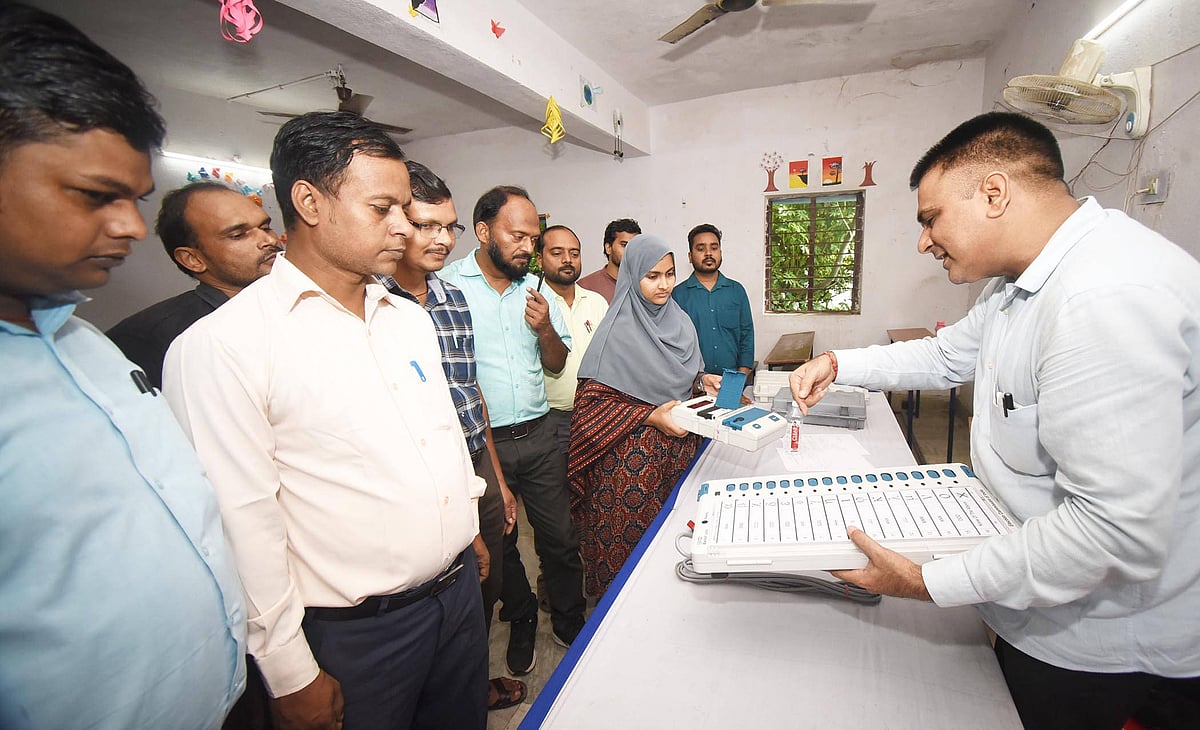
 Rathindra Kuruwita
 Daniel Bosley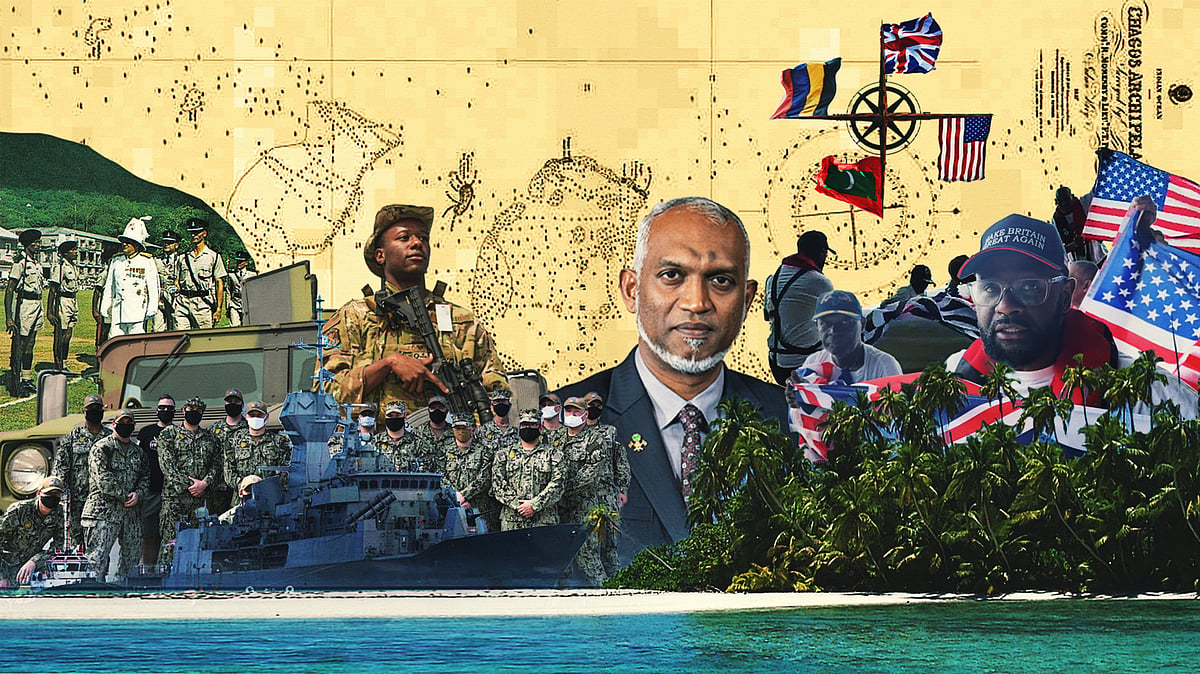
 Shafiur Rahman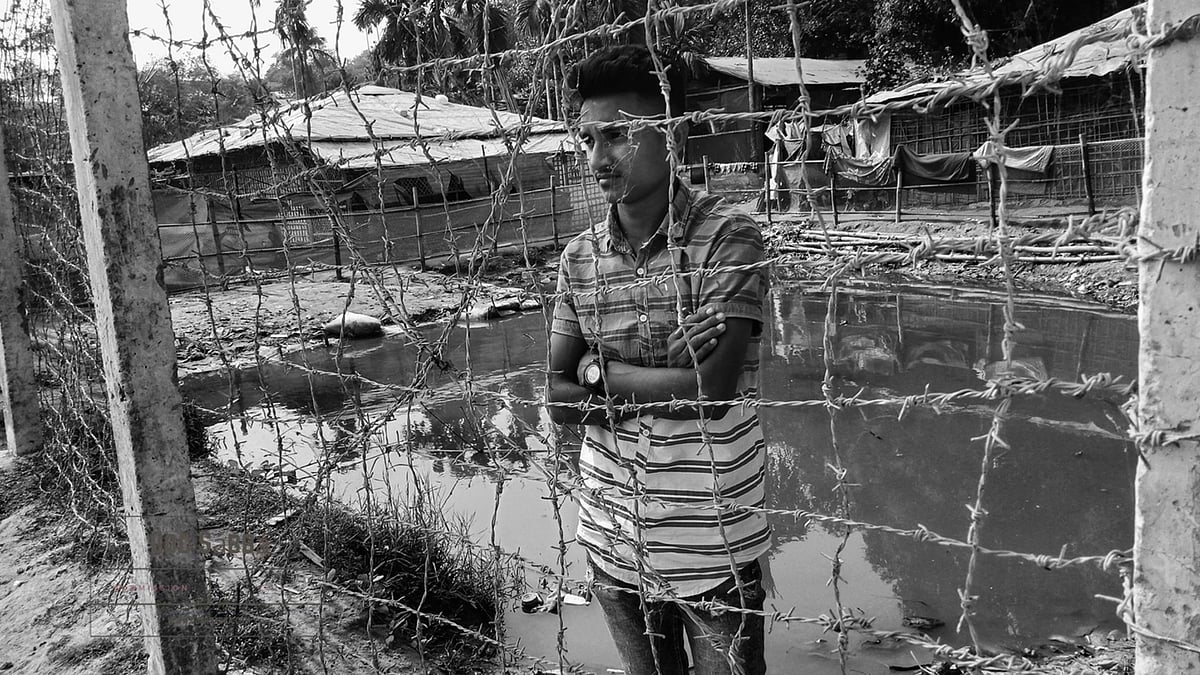
SNAP SOUTHASIA
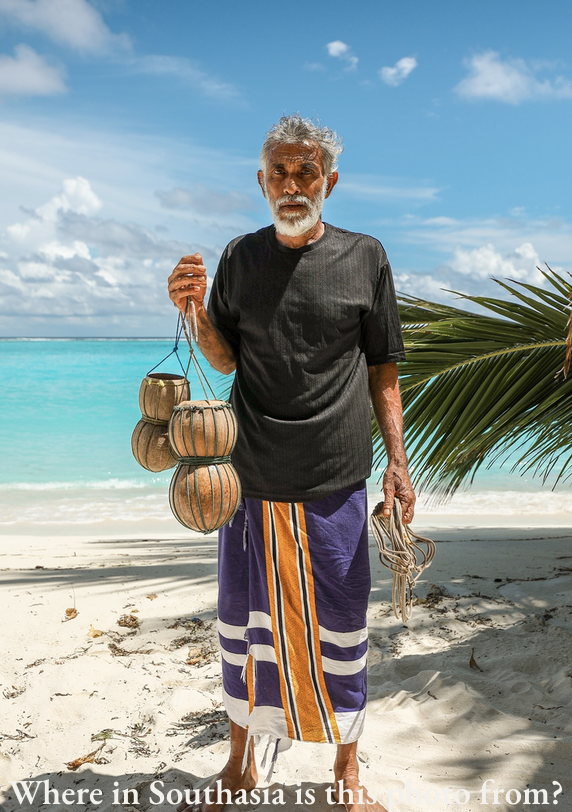
@koyya_photos