

I wrote to you earlier this week as we published the first wave of stories from Inside Deutsche Bank, a global investigative consortium that has been investigating a humongous leak of documents from one of the world’s biggest and most powerful financial institutions. Himal has been the Southasia editorial partner for the consortium, and I can only say it’s been a hell of a ride. Those first stories offered the big-picture view of the investigation and its findings, and if you’ve not read them yet I especially recommend the launch story and the piece on correspondent banking to help frame your understanding.
I’d promised that there were more stories on the way, including ones with direct bearing on Southasia. And we’re making good on that promise. We’ve run a story on how Deutsche Bank itself concluded that its financing for a deal linked to Myanmar’s sanctioned military junta “should have been rejected”, and today we have a story on how INR 1,000 crore flowed through Deutsche Bank to a “laundromat” connected to the notorious Gupta brothers, ending up in the account of a scrap-metal company in Delhi.
These stories matter, but what matters just as much is the story behind these stories. I’d sat down earlier to speak to Josy Joseph, the veteran Indian investigative journalist who obtained the leak along with a South African colleague, Khadija Sharife. One thing we spoke about has particularly been on my mind.
“Over the years I have been involved in many global investigations and collaborations,” Josy told me. “And I found to my dismay that because of the financial muscle power that news organisations have in the Global North, very often our investigations and stories … are dictated by a few editors or an organisation sitting there in the Global North. There are good people, but they are not able, in the present architecture of things, to cater to the reality of the global majority.”
Very often, he said, “when we do international investigations and collaborations, the big giants don’t realise what a struggle it is for a small newsroom like Himal, or anywhere in India or Africa, for them to find the extra resources to do this. So we have tried to provide as many resources as possible to every participating member, wherever it is necessary.”
Of course this hit home. Himal is featured on the Inside Deutsche Bank webpage alongside other independent newsrooms like Daraj, which covers the Arabic-speaking world, but also alongside the New York Times. Needless to say, there’s an astronomical gap between the resources available to the New York Times and to us, even as we push just as hard as anyone to put out journalism that matters.
And I know you’re probably tired of me saying this, but I have to keep saying it: we need you to become a paying Himal Patron for us to survive and keep doing this kind of work. We’ll never have the money that the media giants of the Global North have. But we make every rupee, every dollar go way further than they do, and every single new Patron makes a big difference.
Josy has been as good as his word, and Inside Deutsche Bank has made sure all of its global partners – more than 50 media organisations across more than 50 countries – have equal access to tech resources and other key tools to do this work. This has been a different way – a better way – of doing global journalistic collaboration. But to make sure Himal can keep going to bring you the next big story, the next big investigative project after Inside Deutsche Bank is done – for that we can only count on you.
All best
|
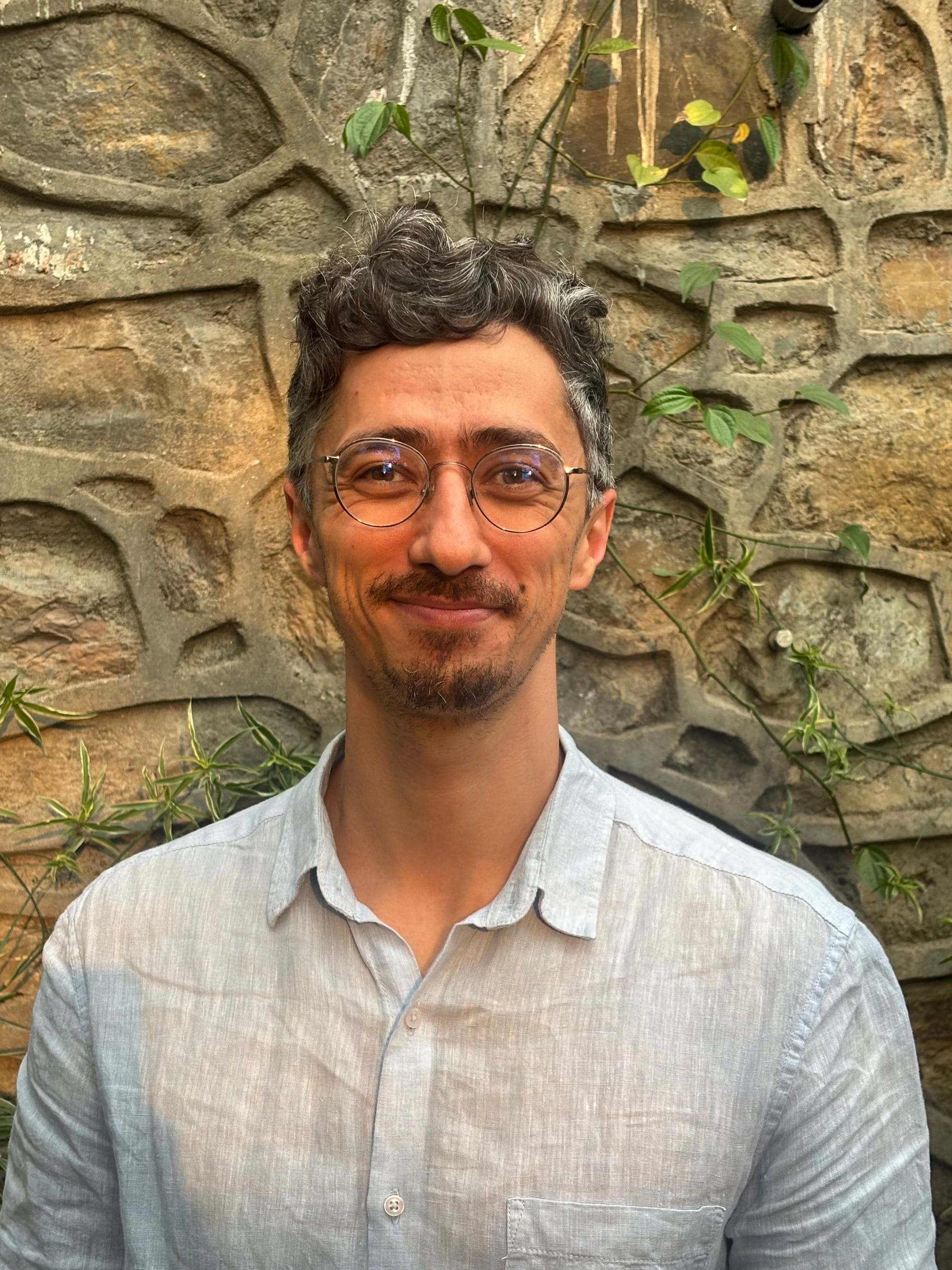
Roman Gautam Editor Himal Southasian |
|
SOUTHASIA MIXTAPE 📻🎵
Music means a lot to me – I've played and performed, I help organise a music festival in Kathmandu, and there's nowhere I'd rather be on a Saturday evening than at a jazz bar or qawwali baithak. So each month I bring you a new recommendation from my musical adventure of discovering ever more about Southasia and the Southasian diaspora, one tune at a time.
I discovered Mahi G via the South Asia Speaks Prize from South Asia Speaks (disclosure: I’m a mentor with the SAS program), which recognises and supports exceptional new creative talents. She’s one of three inaugural prize awardees, and it’s impossible to argue with the choice.
An Adivasi rapper from Maharashtra, she had me hooked with her track ‘Jungle Cha Raja’, her debut from a few years ago, and I’ve been listening to more of her work since. Tune in for the politics – Adivasi rights, environmentalism and more – or for the musical brilliance. Either way, you won’t be disappointed.