This is Southasia Weekly, your regular update on the latest from Himal and across the region. If you only read one email from us all week, this should be it.
You’ve probably seen the flood of stories we’ve published this week as part of the Inside Deutsche Bank consortium. And while it’s been fascinating for us to be part of the Inside Deutsche Bank investigation and understand the work that goes into unpacking a massive leak of this nature, we’re also sure that the nitty-gritty of shady global money flows might not be everyone’s cup of tea. From next week we’ll be back to what you might call Himal’s regular programming, with literary essays and cultural reviews and reportage – and more Inside Deutsche Bank stories on Southasia will keep coming out at intervals along the way.
An earlier version of this newsletter included an incorrect hyperlink. Himal regrets the error.
Meanwhile, don’t forget to support Himal. From investigations to narrative reportage, from reviews to podcasts, everything we do depends on the support of readers like you. If you believe in our work, become a paying Patron and support independent Southasian journalism.
|
Raisa Wickrematunge Senior Editor Himal Southasian |
|
This week from Himal:
INSIDE DEUTSCHE BANK
Inside Deutsche Bank: Leak of 15 million files from Deutsche Bank exposes the secrets, scandals and double-standards of global financial giant
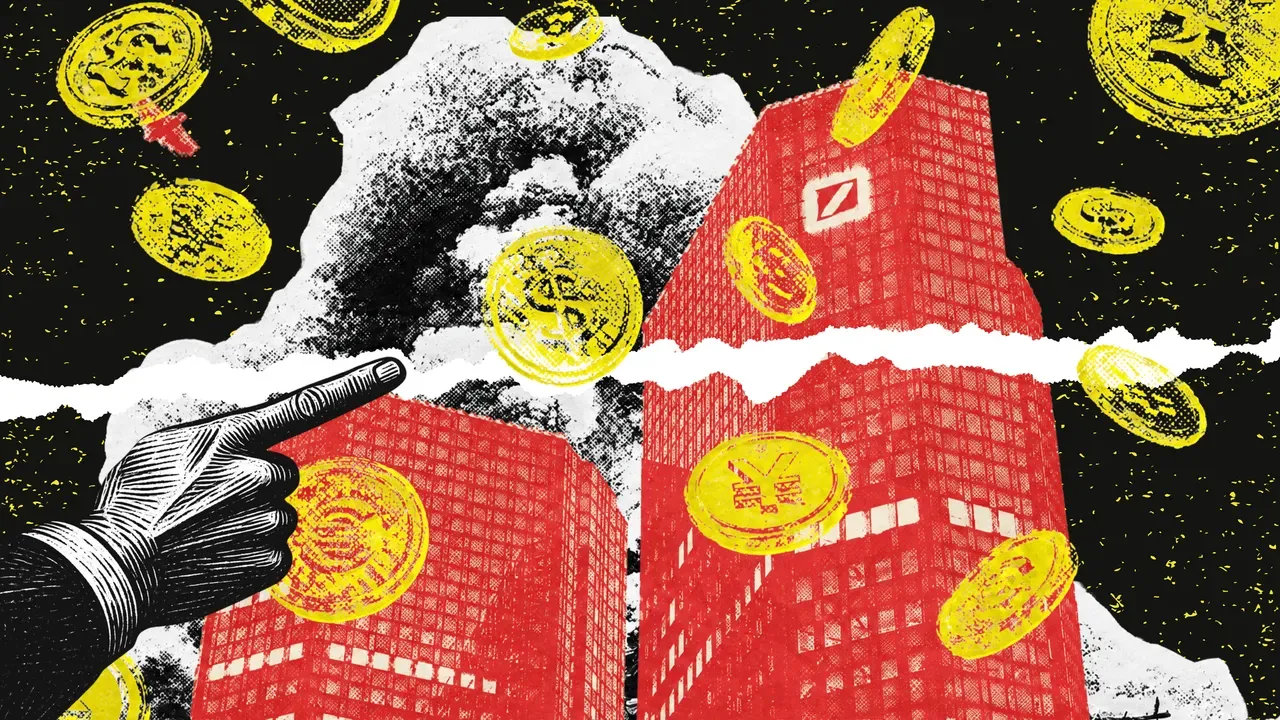
More than 15 million internal files. Emails from senior executives. Records involving Donald Trump, Jeffrey Epstein and sanctioned businessmen. Previously undisclosed companies linked to authoritarian regimes.
Together, they add up to the largest cache of internal documents ever leaked to journalists from within a bank. As the regional partner for the In Deutsche Bank investigative project, we will be releasing a series of stories over the next few weeks, of which this is the first. Watch this space for more!
PODCAST
Inside the massive Deutsche Bank leak with Josy Joseph
Himal Editor Roman Gautam sits down with Josy Joseph, the Indian investigative journalist who first received the 15 million files leaked from inside Deutsche Bank.
INSIDE DEUTSCHE BANK
Deutsche Bank’s Halliburton financing linked to Myanmar military ‘should have been rejected’: leaked documents
Records reveal Deutsche bank’s own sanctions advisors warned against a deal with Halliburton, which links the US-based oilfield services company to a junta-run conglomerate.
INSIDE DEUTSCHE BANK
How INR 1000 crores flowed through Deutsche Bank to a Gupta ‘laundromat’
For more than two years, money from two United Arab Emirates firms, later accused of laundering kickbacks for the notorious Gupta brothers who infiltrated state institutions in South Africa, landed in Deutsche Bank accounts held by Xangbo, an offshore trading group. Deutsche Bank processed flows for companies linked to the Guptas even as South Africa’s own banks began choking off their access to services, only beginning investigations in 2020 after a whistleblower flagged other transactions.
Read more from the Inside Deutsche Bank series, including details of suspicious payments linked to Jeffrey Epstein, Donald Trump’s links to money-laundering outfits in Russia and Azerbaijan and more, here.
PODCAST
Tanul Thakur on the H-1B visa scam and the dark side of India’s IT boom
In this episode of the Southasia Review of Books podcast, host Shwetha Srikanthan speaks to journalist and film critic Tanul Thakur on his book investigating the sprawling system of corporate and immigration fraud, exploitative recruitment agencies and institutional complicity stretching across the United States and India.
Here’s what happened in Southasia this week:
NEWS DIVE
UN top court finds Myanmar military guilty of “genocidal intent” towards Rohingya
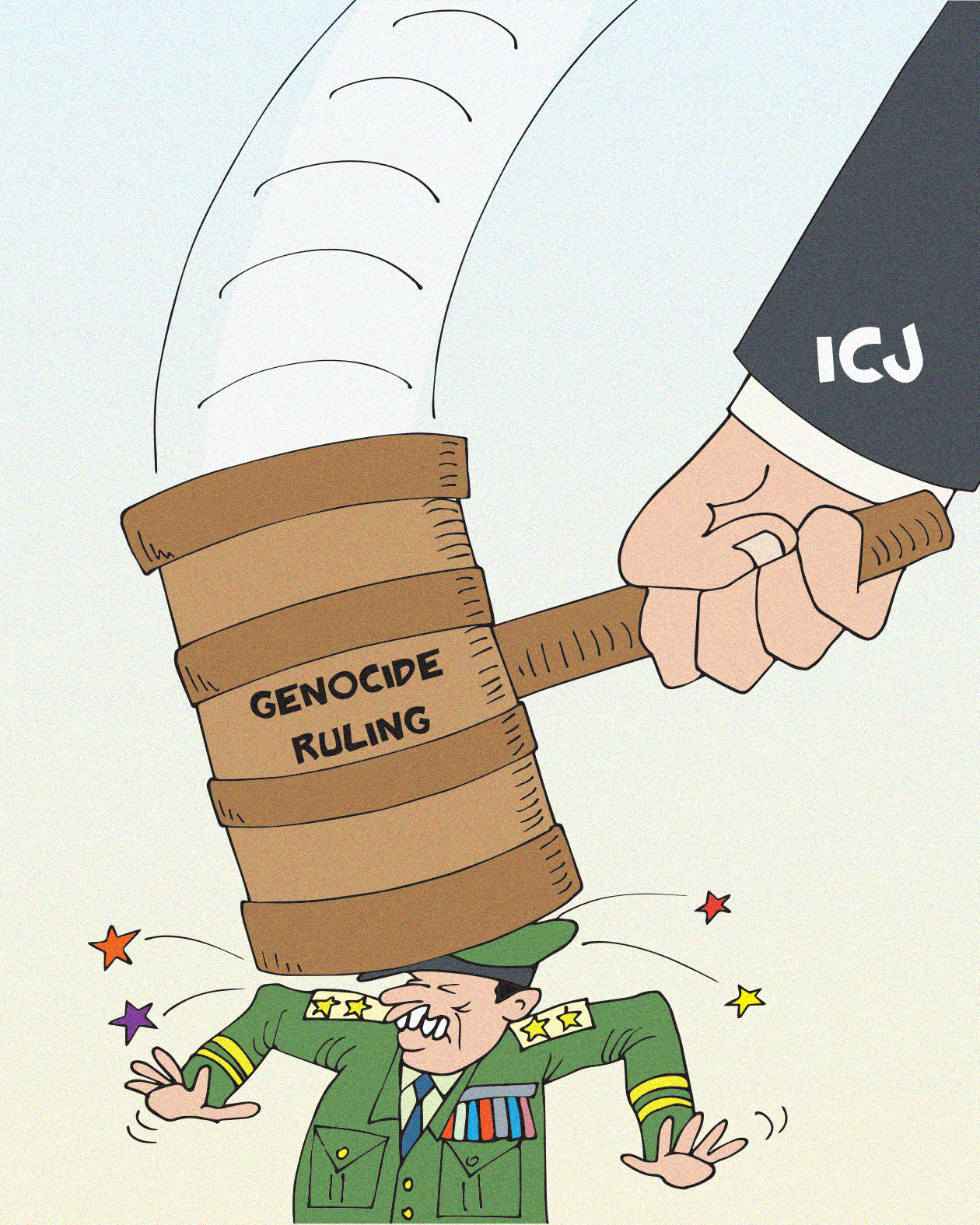
On 19 November, the International Court of Justice (ICJ) ruled that Myanmar’s military was guilty of genocide in its brutal onslaught against the Rohingya in 2017. The landmark case, brought by Gambia seven years ago under the 1948 UN Genocide Convention, saw Gambia argue that Myanmar bore responsibility for genocide after a military offensive drove at least 730,000 Muslim Rohingya from Buddhist-majority Myanmar into neighbouring Bangladesh. “The Court finds that Myanmar’s security forces killed thousands of Rohingya civilians, perpetrated widespread acts of sexual violence as well as acts of extreme violence against children and attacked fleeing Rohingya as they sought to flee in large numbers to Bangladesh,” ICJ President Yuji Iwasawa said. The Rohingya left in the country are now being targeted by the anti-junta group Arakan Army, which is emulating the killings and land grabs carried out by the military.
The verdict carries profound weight beyond Southasia, particularly as the ICJ has never previously found a state directly responsible for genocide. It establishes a critical benchmark that legal observers note will shape South Africa’s parallel case against Israel over Gaza. The ruling arrives amid an escalating US offensive against international human rights mechanisms – including sanctions on the International Criminal Court – and warnings from Washington against setting precedents that could implicate allied troops. With Min Aung Hlaing, who led the 2017 crackdown, now installed as civilian president following elections widely condemned as a sham, the decision will test whether international pressure can trump entrenched state impunity.
ELSEWHERE IN SOUTHASIA
- Authorities in Assam, in India, demolish homes of 132 Bengali Muslim families in Lakhimpur, including families displaced during the 1983 anti-Muslim violence and resettled there by the government. Residents allege selective targeting, with neighbouring Hindu families spared and a mosque also razed, renewing concerns over displacement and the targeting of minorities through eviction drives.
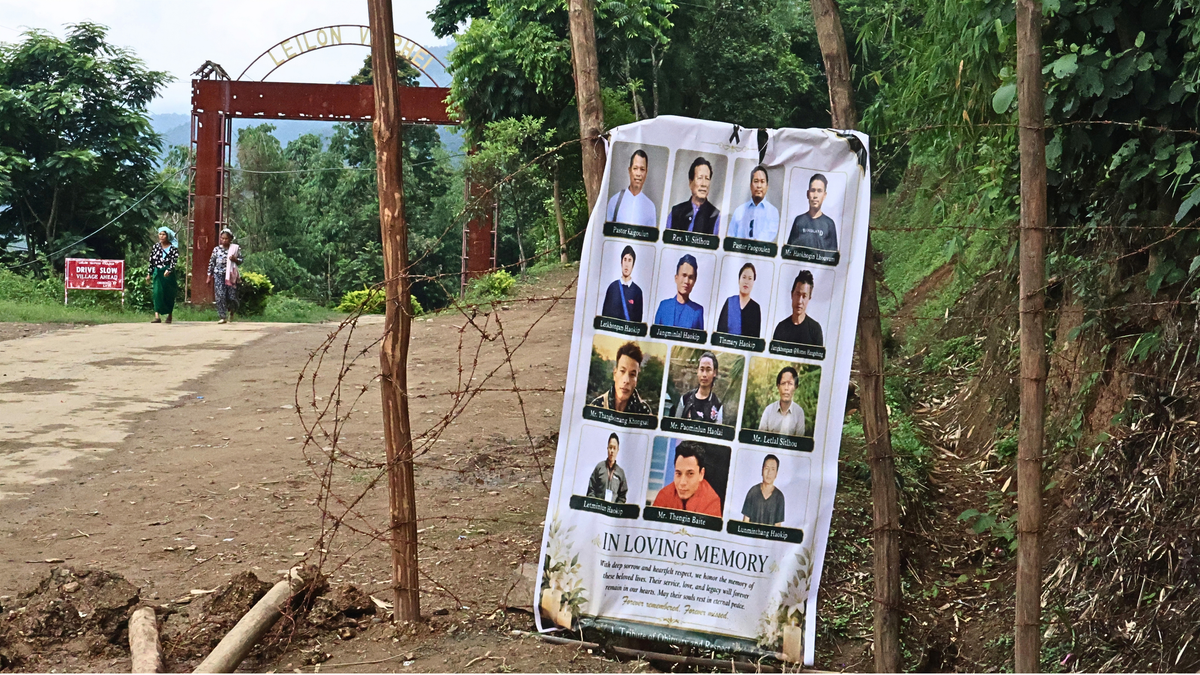
- Tangkhul Naga Long (TNL) issues three-day ultimatum to authorities to claim four unidentified bodies recovered in Ukhrul district, demanding the removal of Kuki militants from Naga areas and an National Investigation Agency probe into the killings as a statewide shutdown disrupts life across Manipur.
- Garment workers in Bangladesh clash with police on 17 November during renewed protests demanding a monthly minimum wage of BDT 30,000, an increase from BDT 12,500, after a wage board meeting is postponed. Police fire tear gas and stun grenades as workers block highways, while more than 65 factories in Ashulia shut amid labour unrest.
- On 17 November, the Supreme Court of India suspends the life sentences of two convicts in the Bilkis Bano case arising from the 2002 Gujarat riots, granting them bail. The decision drew criticism from opposition parties, while Bano said she was neither informed nor heard before the order was passed and vowed to challenge it.
- Pakistan’s Climate Minister Musadik Masood Malik to lead delegation to New Delhi for the Shanghai Cooperation Organisation Civilisational Dialogue Forum, which India will be hosting for the first time from 20–22 November. The visit marks the first ministerial-level engagement since the 2025 Pahalgam attacks and a rare diplomatic engagement amid strained bilateral ties.
- Bangladesh government omits the deadly measles outbreak from its six-month health report card, despite 1318 child deaths recorded since 15 March, raising questions over its accountability and response to the public health crisis.
- Nepal’s government removes Inspector General Dan Bahadur Karki before the end of his tenure, creates the post of special security adviser to the prime minister for him and promotes Additional Inspector General Manoj Kumar KC to lead the police force. Karki challenges his removal in the Supreme Court, renewing concerns over political interference, factional rivalries and instability within Nepal Police.
- The Maldives Parliament’s Budget Committee approves the proposed MVR 59.7 billion budget for 2027 without amendments, despite concerns from independent institutions over reduced allocations. The budget projects a MVR 9.4 billion deficit, with 81 per cent of expenditure allocated to recurrent spending.
FROM THE ARCHIVE
Revisit archival stories from Himal that add more context and insight to this week’s news updates from Myanmar and India:
 Salil Tripathi
 The Editors
 Nikita Jain
SNAP SOUTHASIA
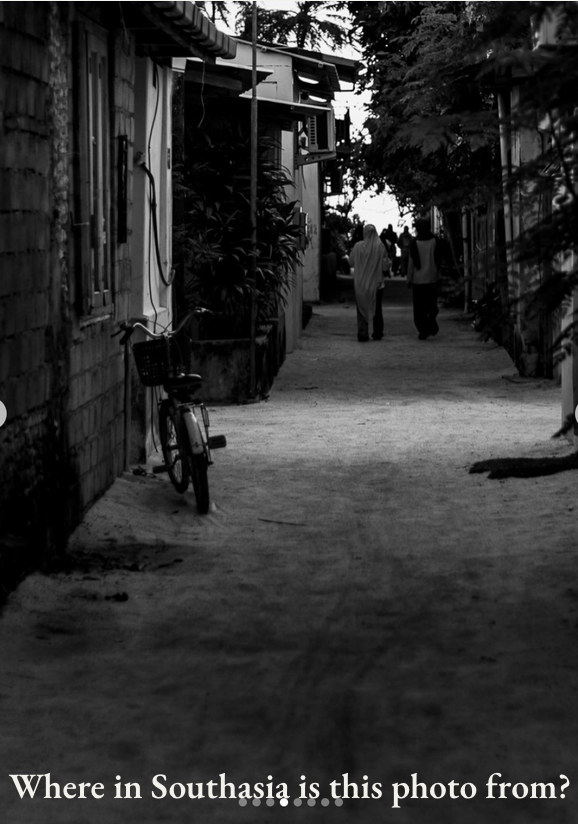
@lihaz.mohamed