This is Southasia Weekly, your regular update on the latest from Himal and across the region. If you only read one email from us all week, this should be it.
Himal Southasian brings you the deeper story behind the headline, week after week. Help us keep going.
Last week, Sri Lankans were treated to a familiar sight – parliamentarians smiling while being led away in handcuffs, most prominently Namal Rajapaksa, son of former president Mahinda Rajapaksa, was also arrested for allegedly accepting a bribe in an aircraft procurement deal from 2013. I talked to Namini Wijedasa, an investigative reporter with the Sunday Times, who has followed the case over the years. She told me that while there was significant progress in the case under the ‘Yahapaalanaya’ government under Maithripala Sirisena, the case later fell apart after key officers within Sri Lanka’s Financial Crimes Investigative Division were transferred. More recently, the case has progressed again under the National People’s Power government, showing cash transfers to both Namal and his cousin, former Sri Lankan airlines director, Shamindra Rajapaksa.
Namal’s arrest (and that of other ministers this week) highlights the growing pressure on the National People’s Power government to deliver on key campaign promises. Still, images of Namal’s arrest were swiftly followed by updates that he was allowed a special security detail and even to attend parliament where he lambasted the government for incarcerating him, raising questions about whether this was all just another act of political theatre – one Sri Lankans are used to seeing, and will be jaded by.
|
Raisa Wickrematunge Senior Editor Himal Southasian |
|
Here’s what Himal published this week:
POLITICS
Nepal’s Rasuwa flood disaster is an alert to Southasia and the world
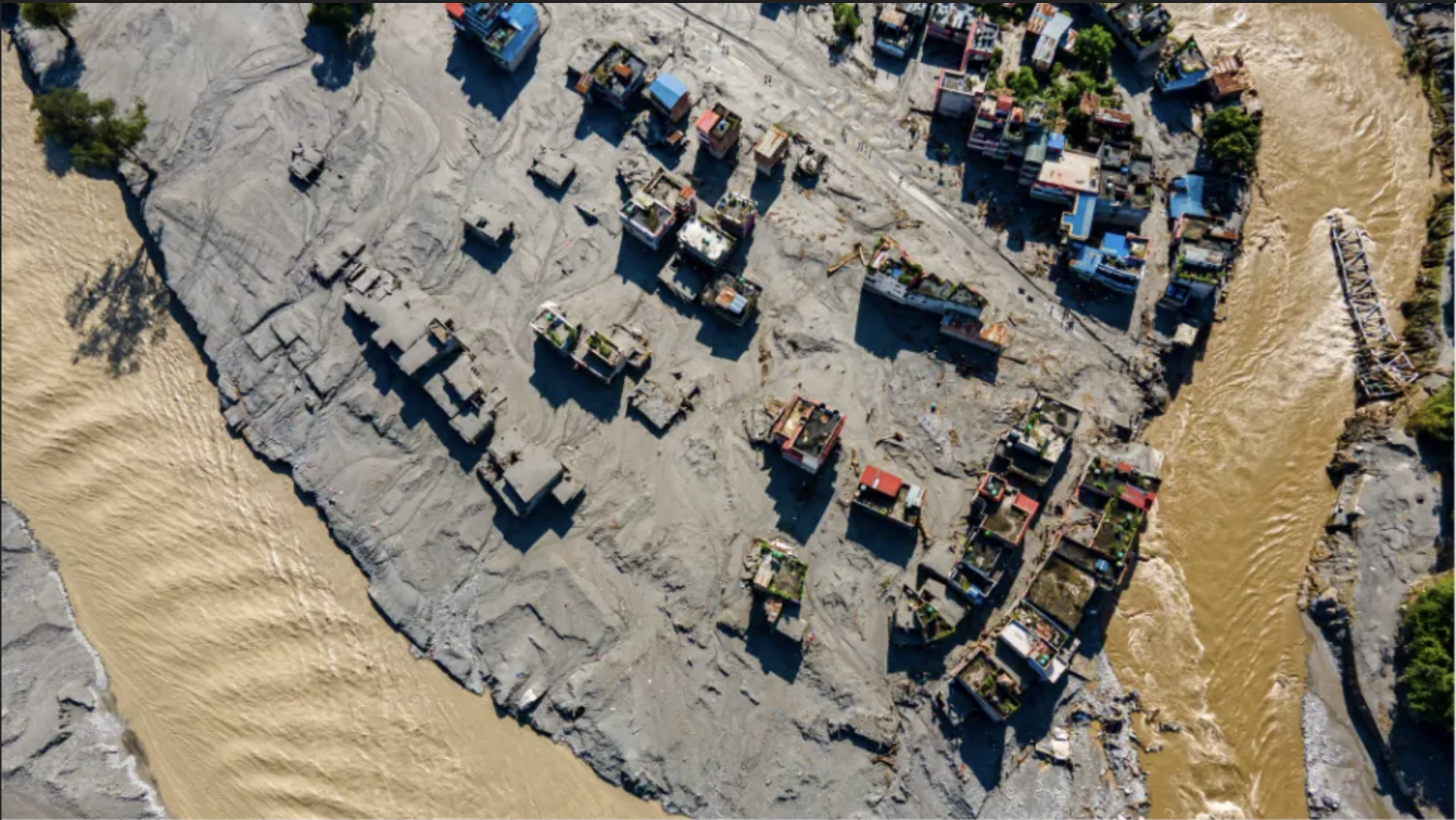
Himal’s Founding Editor Kanak Mani Dixit writes that the devastating Nepal-Tibet floods should be a clarion call for action on climate change, but that geopolitical divisions have hampered Southasia’s ability to respond.
CULTURE
‘Elephants in the Fog’ is a triumph for Nepal’s trans community under siege
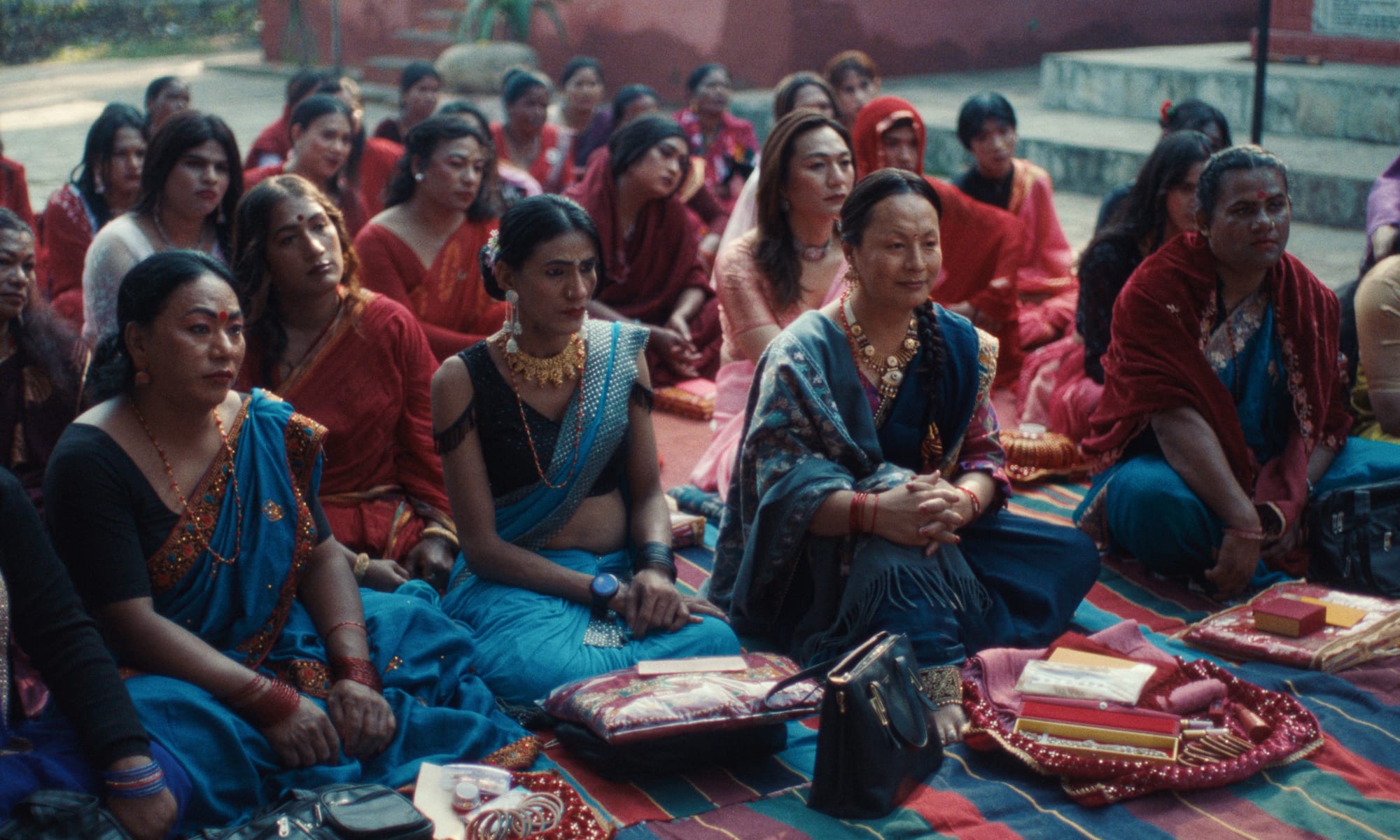
Diwash Gahatraj writes about ‘Elephants in the Fog’, the first Nepali film to win at Cannes, and what it reveals about the gap between legal change and the lived reality of the country’s trans community.
Here’s what happened in Southasia this week:
NEWS DIVE
Sri Lanka’s anti-corruption drive
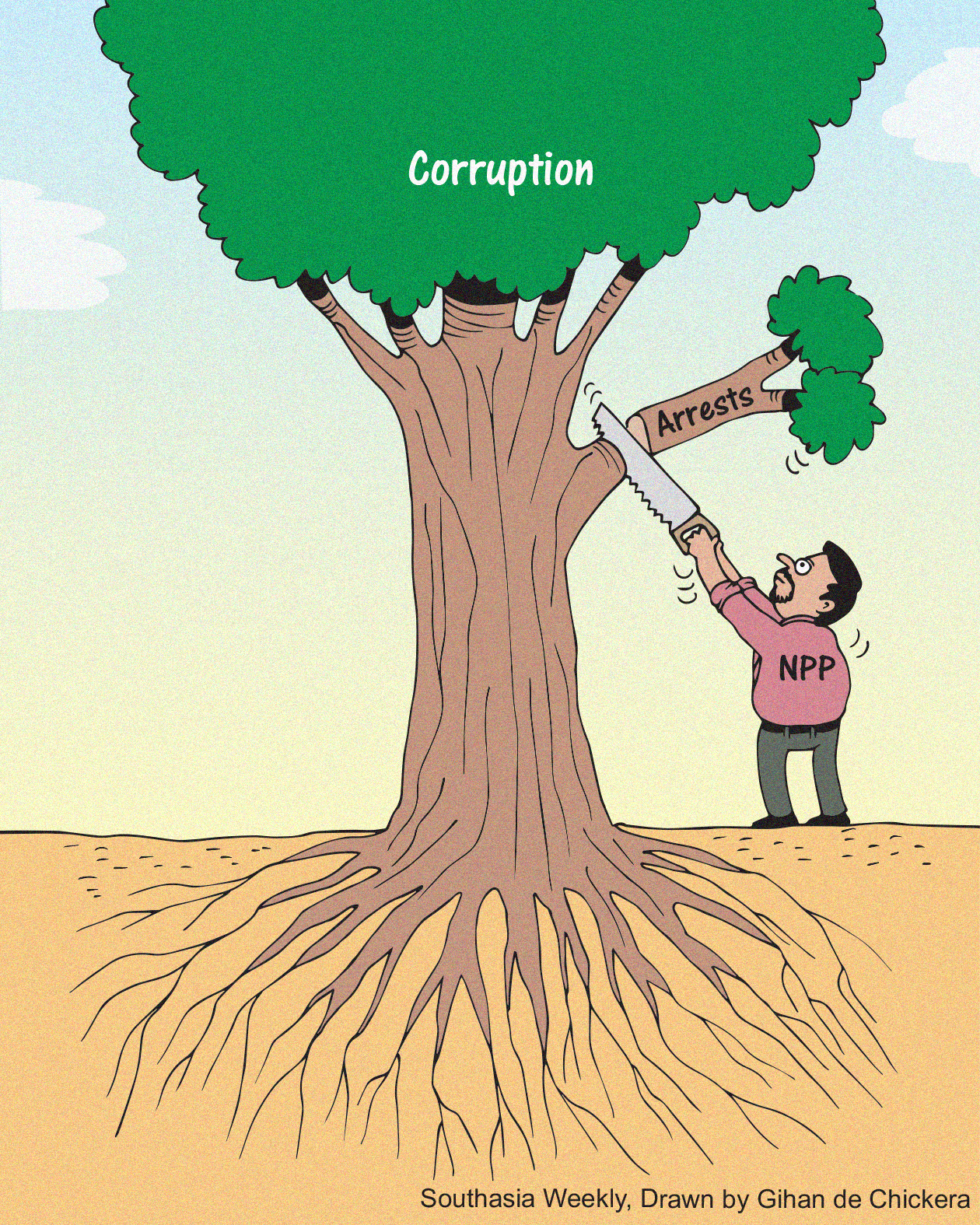
Over the past week, Sri Lanka’s Commission to Investigate Allegations of Bribery and Corruption made a series of high-profile arrests, including Sri Lanka Podujana Peramuna MP Namal Rajapaksa over a USD 800,000 bribe received as part of an acquisition of Airbus aircraft for Sri Lanka’s national carrier. Former Finance Minister Ravi Karunanayake, a longstanding member of the United National Party was arrested for using National Lotteries Board employees as his personal staff, while Sri Lanka Podujana Peramuna MP Johnston Fernando was arrested over irregularities in the procurement of chairs for the Mahinda Rajapaksa theatre in Kandy. Only Rajapaksa remains in detention, and critics remain sceptical of whether these arrests signal genuine action against corruption, a key promise made by the National People’s Power when being elected into power in 2024.
Two years into the NPP’s administration, the arrests arrive amidst mounting socio-economic discontent and falling government approval ratings, prompting observers to question whether these proceedings represent systemic accountability or merely performative statecraft, only giving oxygen to Rajapaksa’s claims that the arrest is intended to disrupt a planned SLPP rally to be held in president Anura Kumara Dissanayake’s home district Anuradhapura on 12 September. The arrests also come as Sri Lanka presented amendments to its anti-corruption legislation as part of IMF requirements to receive its extended fund facility; amendments which have drawn criticism from anti-corruption watchdogs as they have enhanced the Bribery Commission’s discretionary powers while eliminating judicial oversight, allowing for political manipulation.
From Sri Lanka’s anti-corruption crackdown to Saima Wazed’s resignation, we believe in the importance of holding power to account. If you feel the same, support our work.
ELSEWHERE IN SOUTHASIA
- Seven students were killed and several others critically injured after a poorly maintained student accommodation collapsed in Delhi’s overcrowded Satya Niketan, prompting scrutiny of unsafe rented housing, allegations of government using internet jammers to stifle protests, which the Indian government has denied
- Saima Wazed, daughter of ousted Bangladeshi Prime Minister Sheikh Hasina, has voluntarily steps down as World Health Organization’s South Asia Regional Head after several allegations of fraud from UN, Bangladesh authorities
- AI-powered facial recognition technology FaceTagr is being used to identify victims of Nepal’s devastating Rasuwa floods, offering possible matches alongside slower DNA testing by authorities
- Pakistan’s Planning and defense minister Ahsan Iqbal calls for administrative committee to form provinces, broader reforms, sparking fresh discussion on devolution in Pakistan
- India’s Defence Minister Rajnath Singh meets Sri Lankan President Anura Kumara Dissanayake in Colombo, where the two countries sign MoUs to strengthen defence cooperation, including academic links between National Defence Colleges and the upgrade of six 40mm L70 air-defence guns operated by the Sri Lanka Air Force.
- Bangladesh opposition parties launch protest on cost of living, shortage of essentials marking first street protest against Bangladesh Nationalist Party rule
- Eiffel tower in Paris shuts down on 7 September after staff protest against removal of women during private visit by Narendra Modi-backed Hindu sect Bochasanwasi Akshar Purushottam Swaminarayan Sanstha previously accused of forced labour in the US
- Maldives President Dr Mohamed Muizzu announces total restructuring of state-owned enterprises, including dissolving Fenaka Corporation Limited and merging it with the State Electric Company Limited (STELCO), while also capping full Aasandha healthcare coverage for those earning above MVR 60,000 a month and proposing greater public ownership of the country’s resort industry.
- Saudi Arabia’s Delta Energy signs agreements with Afghanistan’s Ministry of Mines and Petroleum to explore hydrocarbons across 11 blocks, develop natural-gas projects in Herat and study a proposed 700-kilometre gas pipeline to Kandahar, with the company estimating the wider energy programme could attract up to USD 60 billion in investment over the next decade.
- Pakistan’s Federal Constitutional Court is set to hear petitions from Adiala jail inmates who have been denied permission for treatment at private hospitals, despite Supreme Court order granting relief for former prime minister Imran Khan, who was returned to Adiala jail after medical examination at government-run hospital in Islamabad
- Aid cuts have forced 600 health facilities across Afghanistan to close or scale back services, leaving around 4 million people, including roughly 2 million children, without adequate access to essential healthcare amid a deepening humanitarian funding crisis.
- Pakistan’s Federal Constitutional Court is set to hear petitions from Adiala jail inmates seeking permission for treatment at private hospitals on September 14, challenging an Islamabad High Court order, with the hearing coming just two days before a Supreme Court contempt case over the non-implementation of an earlier order concerning the former prime minister Imran Khan.
- Bhutan becomes the second country in the world, after Mexico, to eliminate dog-transmitted rabies as public health problem.
- Manipuri rock musician Chongtham Vikram Singh killed in Delhi, sparking outcry on Northeast discrimination
FROM THE ARCHIVE
Revisit archival stories from Himal that add more context and insight to this week’s news updates from Bangladesh, Pakistan and Afghanistan
 Disha Shetty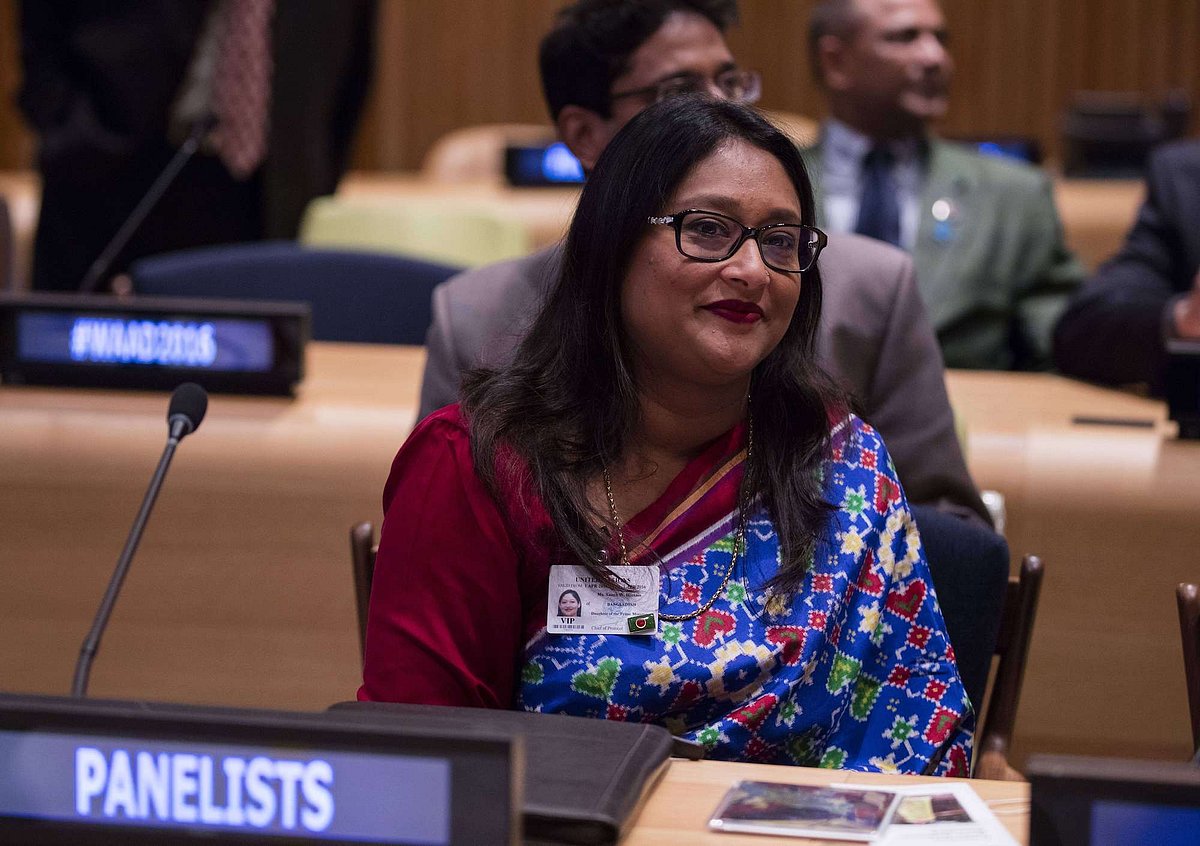
 Salman Rafi Sheikh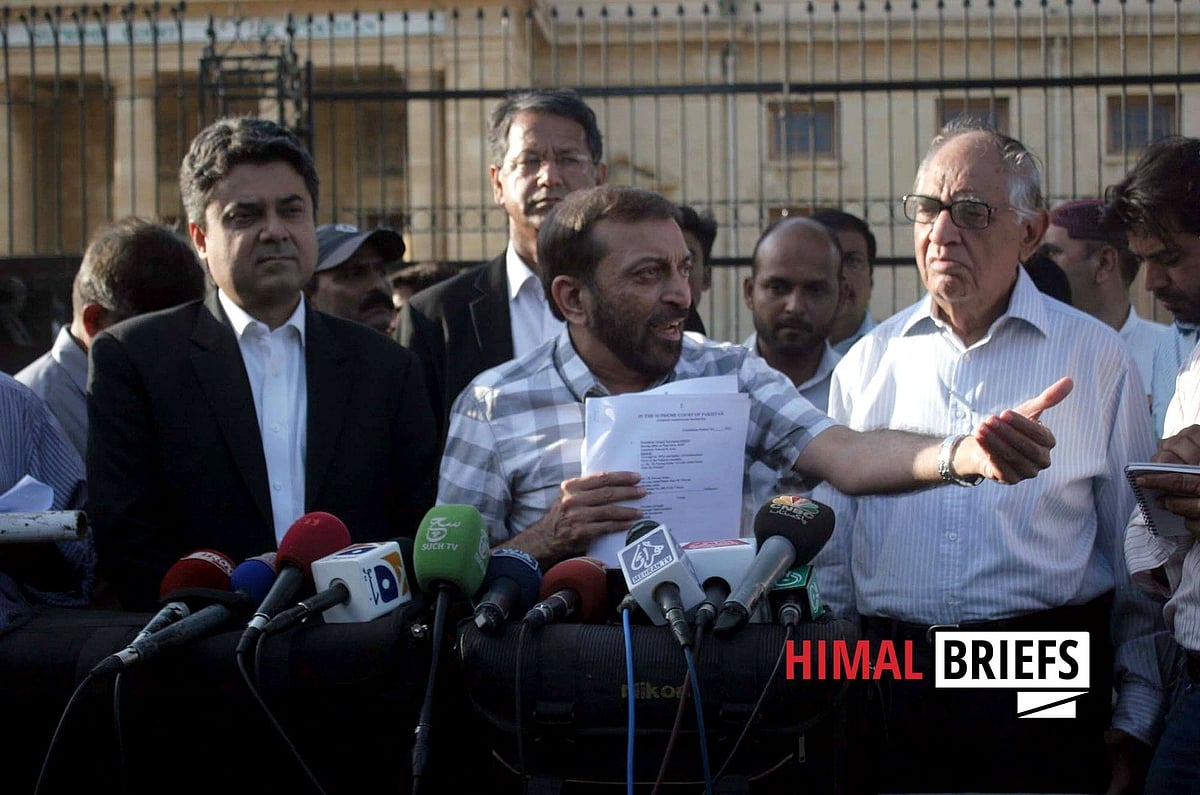
 The Editors
SNAP SOUTHASIA
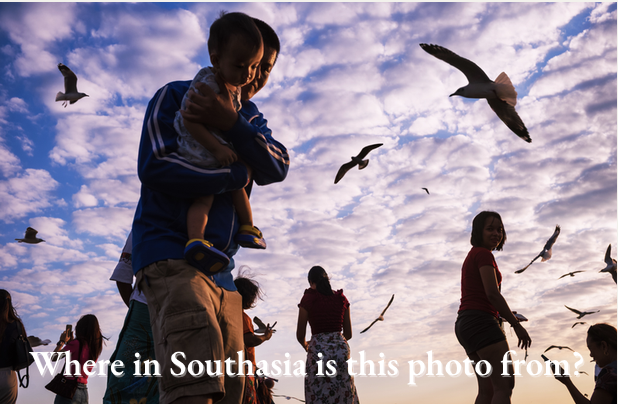
@jonathan.hodder