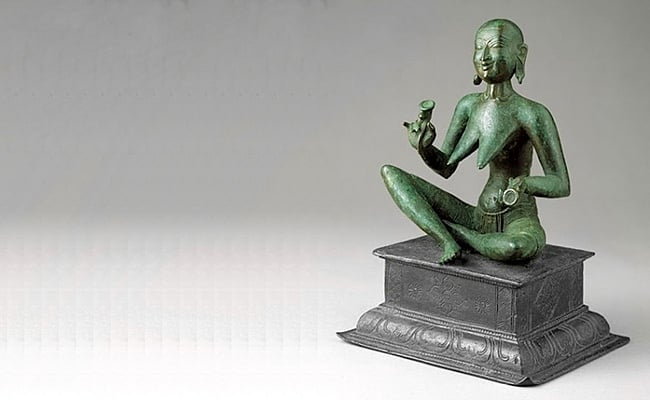
In The Dig: Keeladi and the Politics of India’s Past, the journalist Sowmiya Ashok begins with an archaeological excavation in a village outside Madurai in Tamil Nadu and unfolds a much larger story about history, identity, and the struggle over who gets to narrate India’s past.
Since its discovery in 2014, Keeladi has become one of India’s most contested archaeological sites, drawing in debates around Tamil identity, language and nationalism. Moving between excavation trenches, museums, literary texts, and conversations with archaeologists, historians and people across India, the book explores how political battles over science and history shape the way the past is understood in the present – and what the conversations around Keeladi reveal about contemporary India itself.
In this episode of the Southasia Review of Books podcast, Ashok discusses the emotional pull of Keeladi and its place in contemporary Tamil identity, the relationship between Sangam literature and archaeology, and the colonial legacies of archaeological practice. She also talks about the role of Hindutva and Dravidian politics in shaping competing narratives of the past, and what the growing public interest in archaeology might mean for Tamil Nadu.
🎥 Watch the full conversation — and subscribe so you don't miss the next one
🎧 Prefer to listen? Catch the audio version & follow on Apple Podcasts or Spotify
Episode notes:
The Dig: Keeladi and the Politics of India’s Past by Sowmiya Ashok (Hachette India, December 2025)
Bureaucratic Archaeology: State, Science, and Past in Postcolonial India by Ashish Avikunthak (Cambridge University Press, August 2021)
 Sowmiya Ashok
 Arshia Sattar
 Bharati Jagannathan