This is Southasia Weekly, your regular update on the latest from Himal and across the region. If you only read one email from us all week, this should be it.
Himal follows the stories after they fade from headlines – and the stories that otherwise wouldn’t make it to the headlines at all. If you value our journalism, make sure to support our work.
Over the past few weeks, I’ve been seeing a string of stories about the impact of monsoonal rains and flooding across Southasia. They’ve been reminding me of my time covering the southwest monsoon floods in Sri Lanka in 2017 and 2018, which caused loss of life and mass displacement, with several areas entirely cut off due to landslides. At that time, Sri Lankans came together to help as the government was slow to respond. Now, once again, we’re seeing similar patterns of extreme weather lacking official responses.
I talked to Daanish Mustafa, a professor in Critical Geography at King’s College, London, who told me that a lot of the casualties we’re seeing are in either mountainous or low-lying areas that are ‘victims of development’ thanks to the ill-planned construction of roads and other infrastructure as well as indiscriminate deforestation. Our governments need to prioritise sustainable development rather than the interests of commercial real-estate developers, he said.
I also talked to Manjeet Dhakal, the director of Climate Analytics South Asia, who said that even though preparedness is improving through better forecasts, early-warning systems and hydrometeorological services, rising global temperatures are making extreme rainfall more intense, meaning infrastructure, warning thresholds and response plans designed for the past might no longer be sufficient. With scientific predictions of a rapidly intensifying El Niño leading to warmer seas and more intense weather in the coming months, including across Southasia, it’s never been more important to discuss the climate crisis and what local communities and policymakers are doing to prepare – and to make the climate crisis a major part of the political agenda in Southasia.
|
Raisa Wickrematunge Senior Editor Himal Southasian |

|
Here’s what Himal published this week:
POLITICS
Bangladesh’s Islamist extremist resurgence has feminists raising the alarm
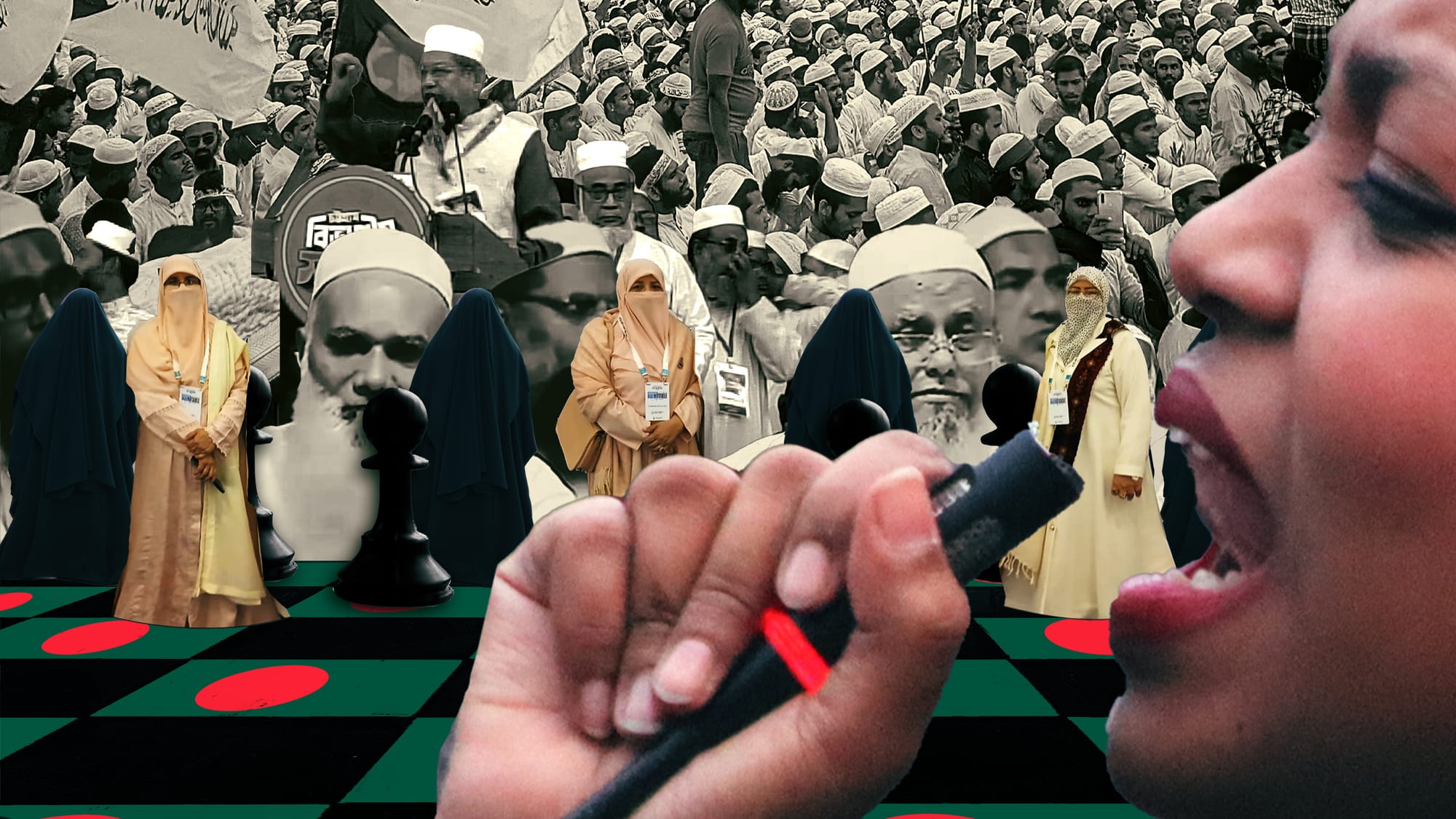
Nawshin Flora writes that as right-wing Islamist extremist groups gain in Bangladesh, feminists are fighting for women’s rights and gender equality amid disappointment with the Bangladesh Nationalist Party government.
BOOKS
The real Himalaya of the pundit explorers
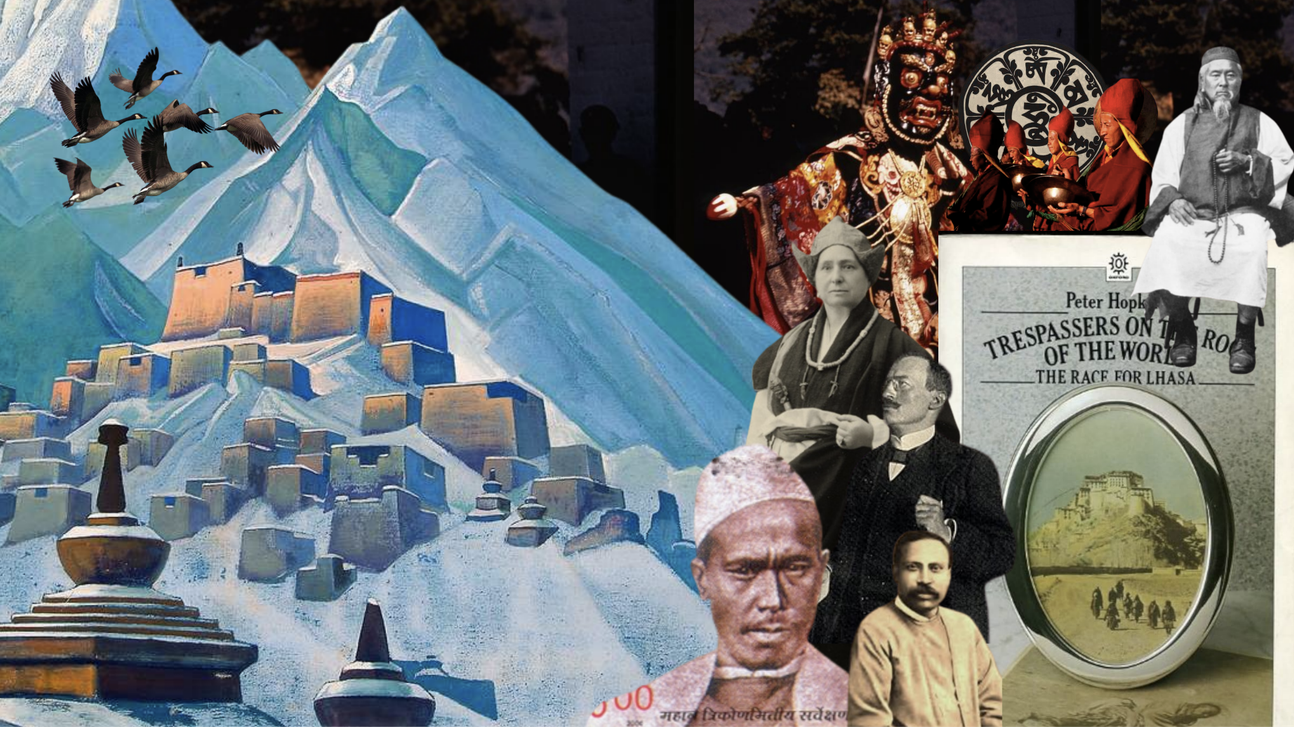
Amish Mulmi reviews Deepa Anappara’s ‘The Last of Earth’ which revisits the romance of Great Game and the lives of pundit explorers, but fails to move beyond stereotypical notions about Tibet and the Himalaya as imperial frontiers.
Here’s what happened in Southasia this week:
NEWS DIVE
Monsoon rains, extreme weather and the climate crisis
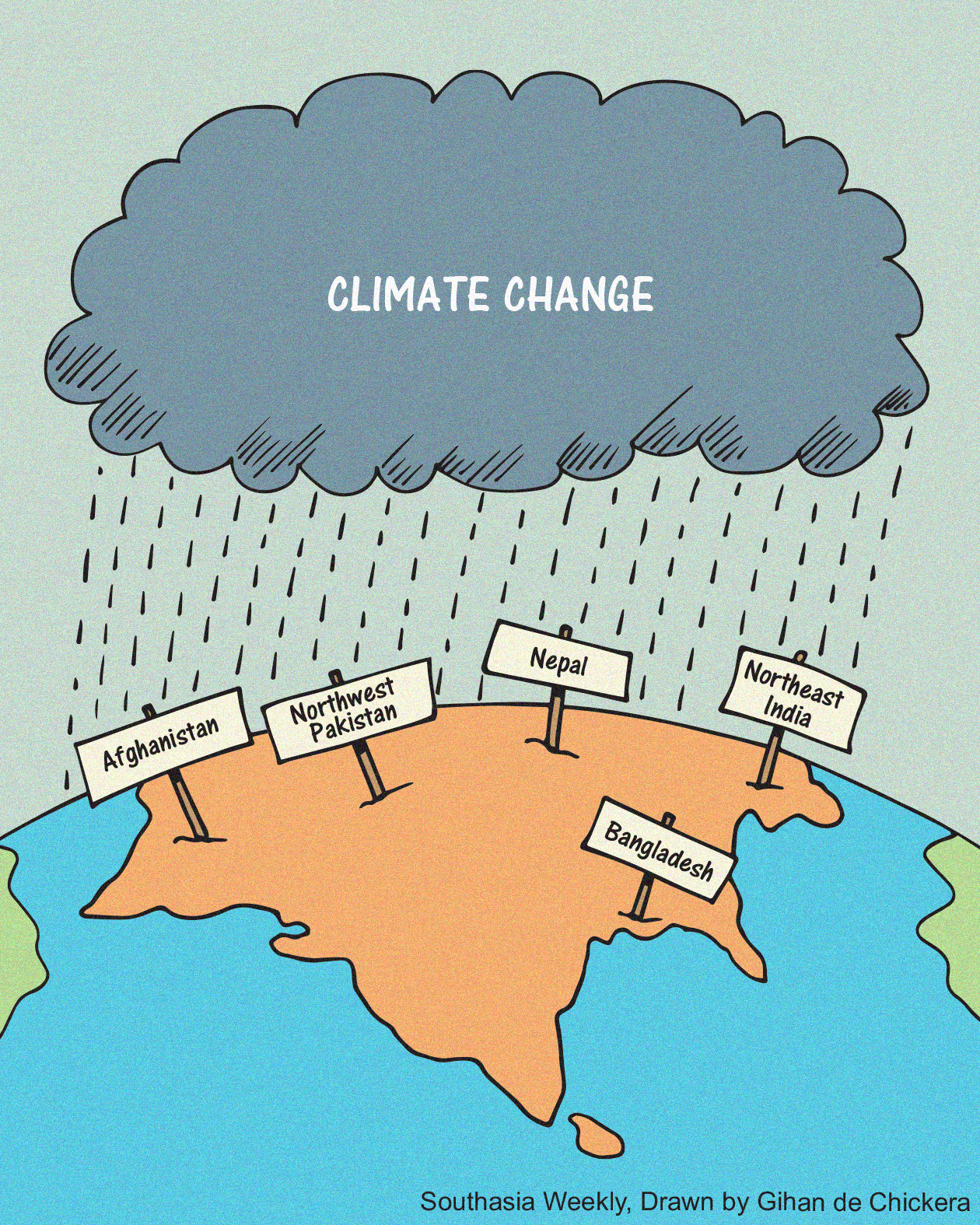
Over the past week, Southasia has been especially hard-hit by flooding from monsoon rains. Northeast India has seen 362,933 people impacted, with 80 deaths reported and 19,100 hectares of crops submerged in upper Assam alone. Pakistan is seeing a second spell of monsoon rain after the death toll from recent floods passed 100, with many people having to flee their homes by boat while others remained stranded with no access to electricity or clean water. Afghanistan’s eastern Nuristan province was the worst-hit in the country by flooding, with 120 families in need of humanitarian assistance and with 40 reported dead in Parun, its capital city. In Bangladesh, the prices of rice, eggs, flour and vegetables have risen as floods have damaged crops and poultry farms in more than 40 districts. In Nepal, vehicular movement remains obstructed along major highways due to heavy rainfall and landslide risks.
Climate experts have predicted a record-breaking El Niño this year, characterised by weakened trade winds and warmer sea temperatures. The predicted results for Southasia include a drier monsoon and more frequent heatwaves. Manjeet Dhakal, the director of Climate Analytics South Asia, told Himal that the El Niño is unfolding against a backdrop of long-term human-induced climate change. “Climate change does not necessarily make El Niño events more frequent or intense, but a warmer atmosphere and ocean can amplify associated impacts, including extreme heat and heavy rainfall,” he said. “Climate change is increasing the intensity of heavy rainfall, while floods are increasingly occurring alongside landslides, heatwaves, crop losses, infrastructure damage and displacement, creating cascading impacts across communities and sectors.”
Southasian governments are discussing the need for better water management, warning systems and technical capacity, and for curbing activities such as unregulated sand-mining and quarrying that are exacerbating environmental destruction.
ELSEWHERE IN SOUTHASIA
- Morabad Divisional Commissioner’s Court grants interim stay order on proposed demolition of Jauhar University over land dispute on building approvals
- 10 protesters from proscribed Joint Awami Action Committee lose their lives in clashes with security personnel on 27 July as Pakistan-administered Kashmir goes to the polls, Pakistan Muslim League (Nawaz) leading after the first phase of voting
- Bangladesh president Mohammed Shahabuddin resigns, citing health complications, denies reports that he resigned due to pressure from Bangladesh Nationalist Party
- Myanmar approves death sentence for cyber-scam offences through Anti Online-Scam Bill, regime-aligned Democratic Karen Benevolent Army relocates scam camps away from Thai border to ‘ease international pressure’ from China and the US
- Nepal’s Ministry of Home Affairs forms committee to investigate communal violence in Dewanganj in the Terai that left one dead after family members say security agencies did not respond, security officials recalled and curfew remains in force, one more dies after fresh protests in Siraha and Sarlahi
- Pakistan’s Human Rights Commission, media rights watchdogs raise concerns over suspension of TV show anchored by senior journalist Munizae Jahangir after 11 years, note Jahangir only the latest journalist to be removed in past three years
- New report flags India’s continuous supply of small-arms parts, explosive ordnance and military vehicle components to Israel since October 2023, notes India risks complicity in Gaza genocide for violations under international law
- Sri Lanka’s Cabinet approves proposal to amend constitution and raise retirement age of Court of Appeal and Supreme Court judges to clear case backlog, Bar Association of Sri Lanka opposes proposal on the grounds that it will erode judicial independence
- The Maldives government submits bill seeking to repeal Uninhabited Islands Act and introduce new legislation giving the president more powers to determine the use of uninhabited islands and lagoons
- Questions raised around environmental and technical assessments of Rinchending bypass in Phuentsholing, Bhutan after completion repeatedly delayed due to repeated landslides and debris flows
From tracking extreme weather events to chronicling Southasia’s feminist movements, Himal brings you vital journalism that the corporate media will never prioritise. Reader support is what makes our work possible. Become a paying supporter today – and join exclusive meetings with our editorial team so you can see how we plan our coverage of the region.
FROM THE ARCHIVE
Revisit stories from Himal’s archive that add more context to this week’s news updates from Pakistan, India and the Maldives.
 Sarah Eleazar
 Harsh Mander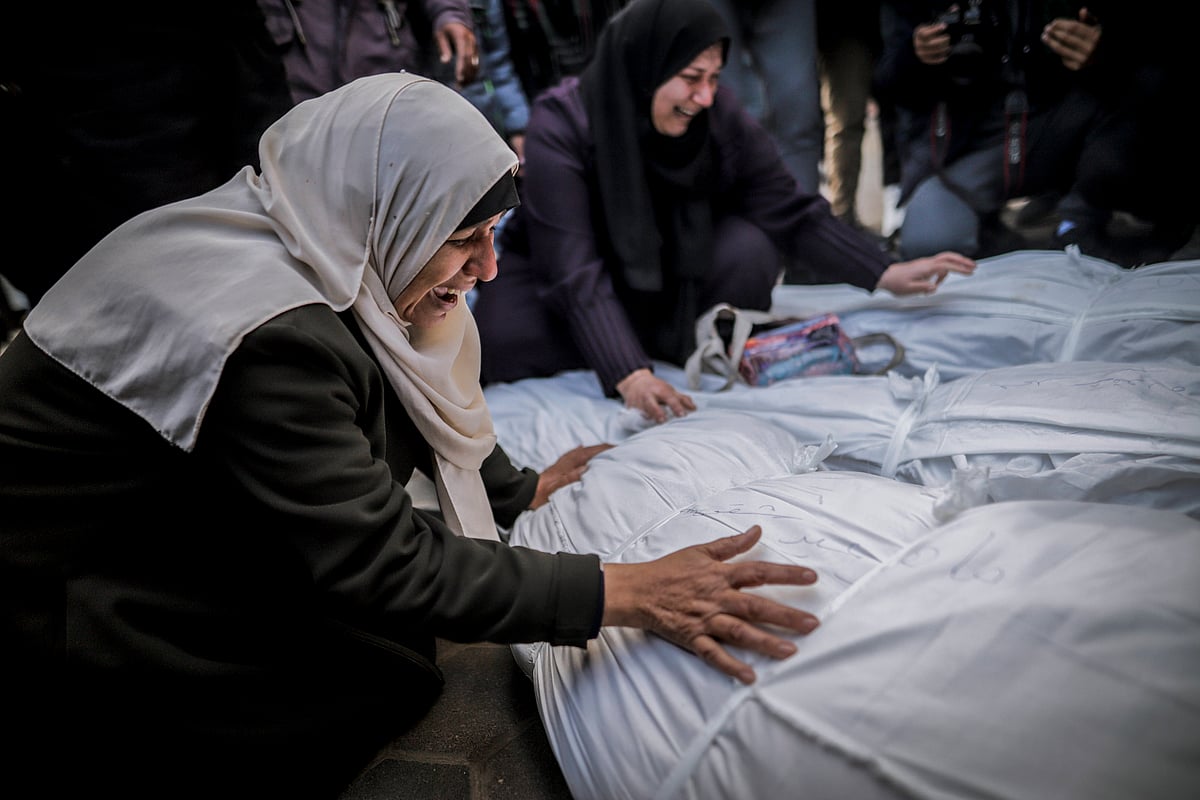
 Salman Rafi Sheikh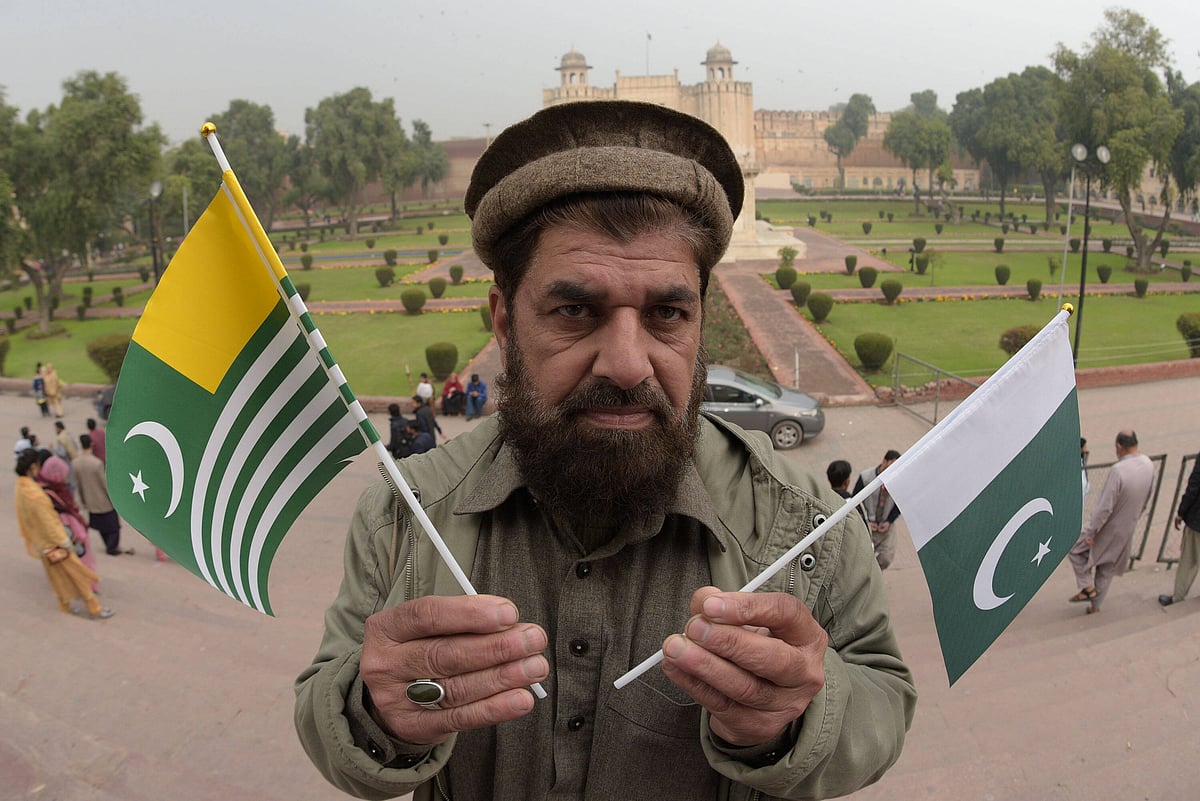
 Daniel Bosley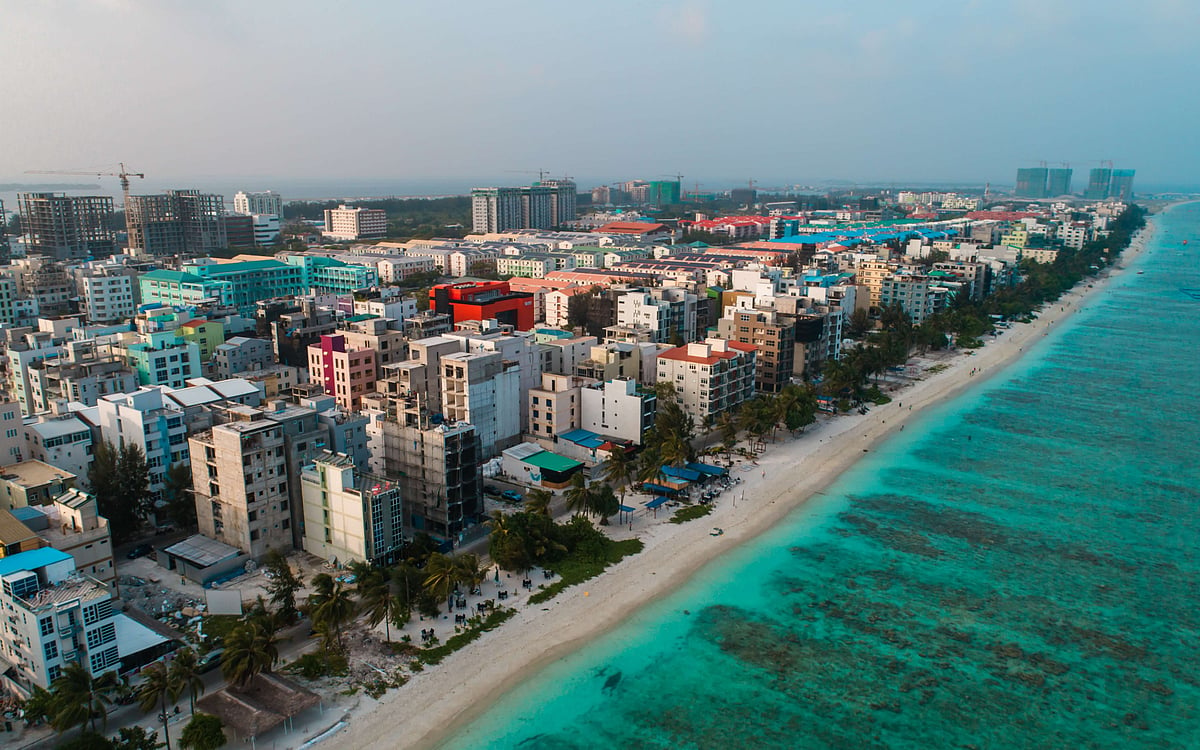
SNAP SOUTHASIA
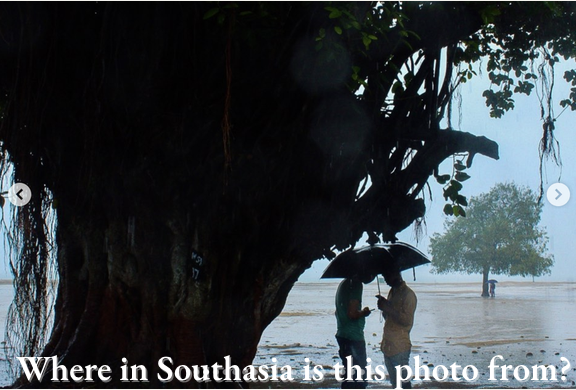
@yashsheth3