

Welcome to the Southasia Review of Books newsletter, Himal’s fortnightly guide to our latest review essays and podcast conversations, alongside a selection of new books, publishing news and literary happenings from across the region.
The Ramayana has been told and retold in more ways than we can count, and this past weekend I found myself watching the latest retelling on the big screen. Of course, it’s extraordinary how far these epics have travelled and how many forms they’ve taken along the way. And maybe part of what makes them endure is precisely that no one gets to have the final word on them.
This took me back to a conversation I had with the renowned Indologist Wendy Doniger on the Southasia Review of Books podcast last year. We were discussing her book, The Cave of Echoes: Stories About Gods, Animals and Other Strangers, and Doniger made a particularly interesting point: that these ancient epics, the Mahabharata and the Ramayana, have roots in storytelling traditions shaped by women and transmitted by people from marginalised castes. She spoke about the storytellers who, according to the epics themselves, travelled from village to village, performing the tales. To this day, the retellings carry traces of communities and traditions that have shaped them over centuries.
With growing attempts to impose a singular, authoritative version of these epics, it’s worth remembering that their histories are far richer and more unruly than we sometimes allow.
There’s more to come on the Ramayana at Himal. The State of Southasia podcast, hosted by our associate editor Nayantara Narayanan, relaunches this Friday with a discussion of the film and much more. We’re also looking forward to a forthcoming review by Anna M M Vetticad, whose take on the adaptation promises to be as sharp and incisive as ever.
And as always, I’d love to hear what’s caught your attention this fortnight, whether in books or films. Feel free to send me an email at shwethas@himalmag.com.
Until next time, happy reading!
|
Shwetha Srikanthan Associate Editor Himal Southasian |
|
Enjoying the Southasia Review of Books? Become a Himal patron and help us bring you more writing, reviews and conversations about the books and ideas shaping Southasia.
📚 This month in Southasian publishing
New and noteworthy books from across the region
Sonia Gandhi on love, loss and public life

In Belonging: A Journey of Love (HarperCollins, November 2026), Sonia Gandhi, the former president of the Indian National Congress, looks back on the life that took her from a small village in post-war Italy to the centre of Indian politics. Beginning with her romance with Rajiv Gandhi in Cambridge in 1965, she recounts her arrival in India and the personal tragedies that marked her life, including the assassinations of Rajiv and Indira Gandhi. She also reflects on her eventual entry into politics, her years leading the Congress and her decision to decline the prime ministership in 2004. The memoir offers a personal account of the Gandhi family and India’s political transformations over five decades.
An overlooked voice in Kerala’s feminist history
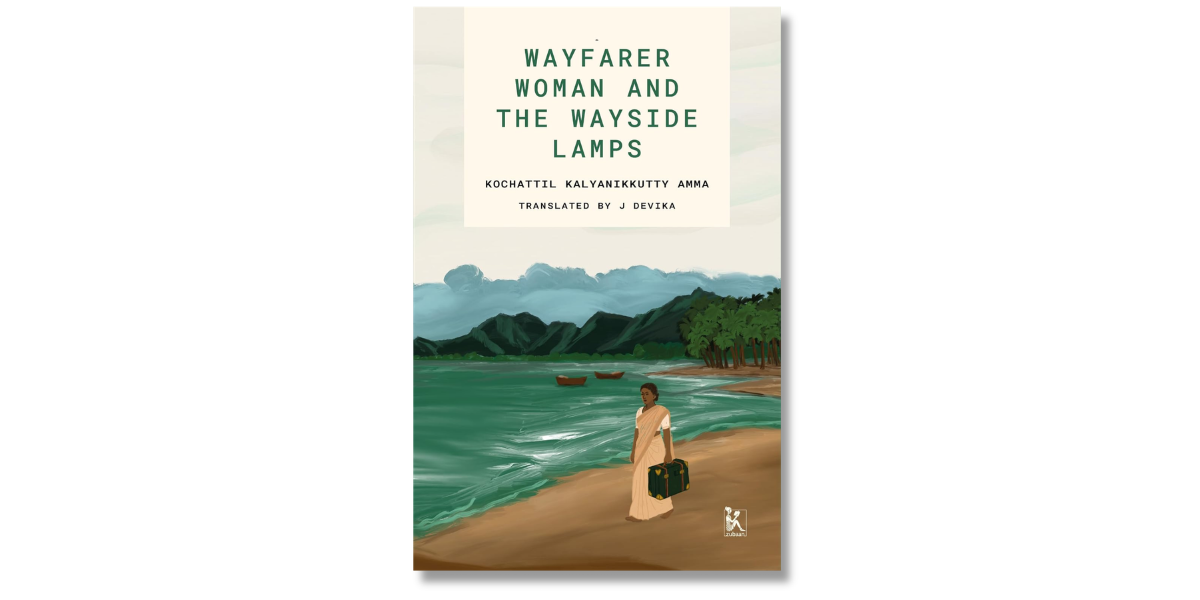
A feminist activist, writer and teacher in early 20th-century Kerala, Kochattil Kalyanikkutty Amma spent her life challenging restrictions on women’s freedom, writing against the social conventions that sought to confine women. Her outspokenness left her sidelined by both the Left and the Right in post-independence Kerala. At the age of 83, she wrote and self-published her autobiography, which would later win the Kerala Sahitya Akademi’s award for best autobiography in 1993. Now translated by J Devika as Wayfarer Woman and the Wayside Lamps (Zubaan Books, November 2026), it restores a remarkable but long-overlooked figure to Kerala’s feminist history.
Delhi’s deepening environmental crisis
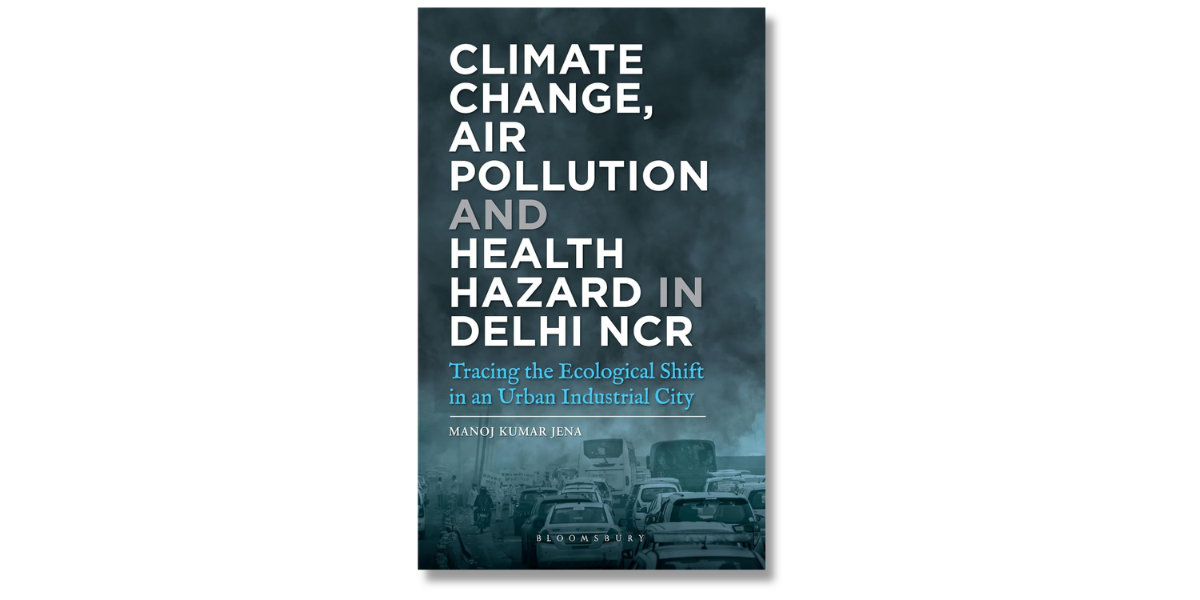
Climate Change, Air Pollution and Health Hazard in Delhi NCR: Tracing the Ecological Shift in an Urban Industrial City by Manoj Kumar Jena (Bloomsbury Academic, November 2026) examines the links between climate change, air pollution and ecological degradation in the Delhi-NCR region, with particular attention to their effects on vulnerable communities. The book traces the environmental costs of rapid urbanisation, industrialisation, vehicular emissions and stubble burning, and considers their wider implications for public health, livelihoods and environmental justice.
📖 From the Himal archives: Rohit Negi argues that tackling pollution in Southasian cities requires moving beyond the familiar tension between economic development and environmental protection.
The many worlds of the Himalaya
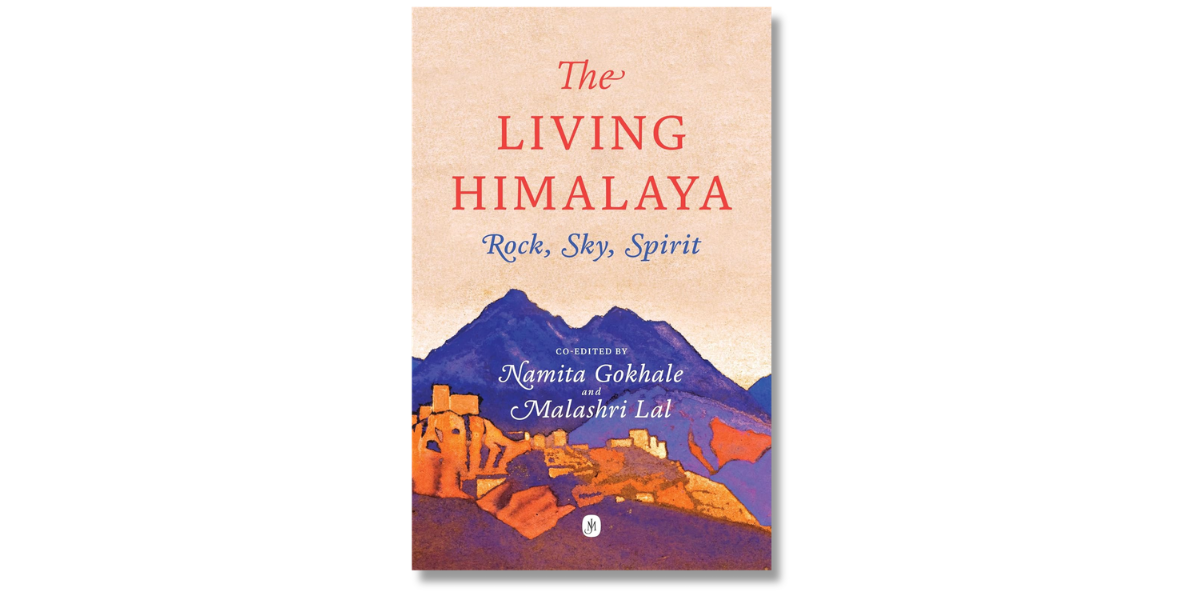
From the epic of King Gesar to Gulzar’s journals from Chamba, and from the Chipko movement to Nicholas Roerich’s paintings, The Living Himalaya: Rock, Sky, Spirit (John Murray India, November 2026) edited by Namita Gokhale and Malashri Lal, brings together stories, scholarship and visual narratives exploring the region’s cultural and ecological diversity. Moving across its myths, music, spiritual traditions and environmental struggles, the collection offers a portrait of the many worlds that make up the Himalaya.
📖 From the Himal archives: Sukhada Tatke explores how Anuradha Roy’s life in a Himalayan hill station reveals the entanglement of home, belonging and the ecological threats reshaping the landscape.
The Cholas and their wider world
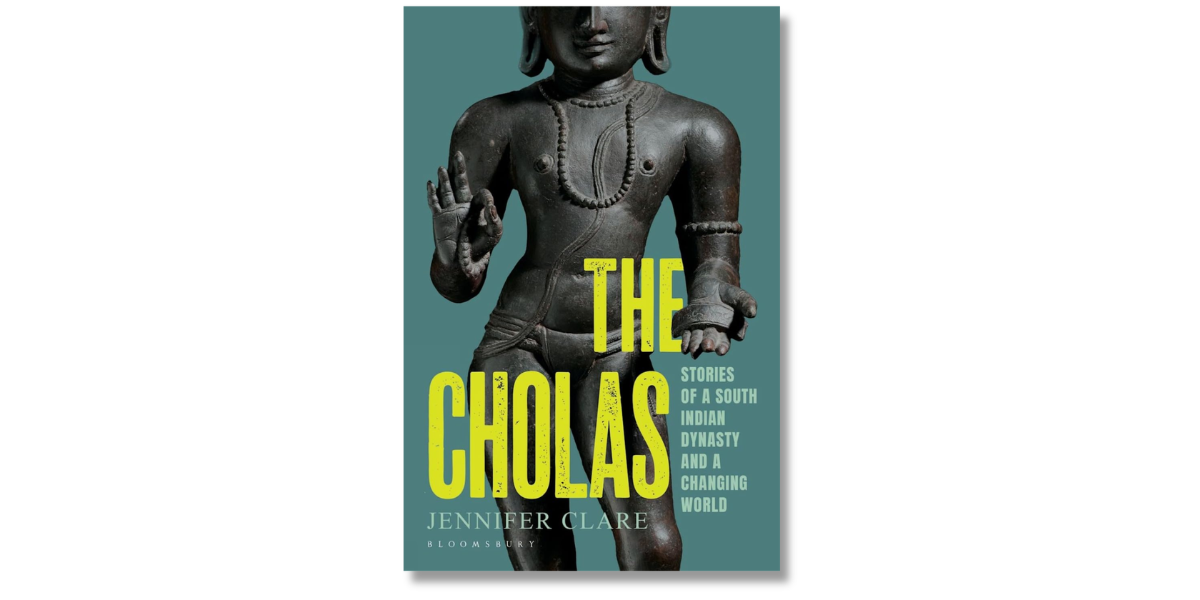
The Cholas: Stories of a South Indian Dynasty and a Changing World by Jennifer Clare (Bloomsbury India, November 2026) revisits the history of the dynasty that ruled much of South India for four centuries and extended its influence across the Indian Ocean. Drawing on inscriptions, art, architecture, poetry and legend, Clare traces the Chola world through the lives of emperors as well as farmers, artisans, priests and merchants. She unpacks how temples, irrigation systems and trade networks shaped the empire, while examining the contradictions of its expansion, from its artistic and architectural achievements to the inequalities and political tensions that accompanied its rule.
The radical possibilities of art
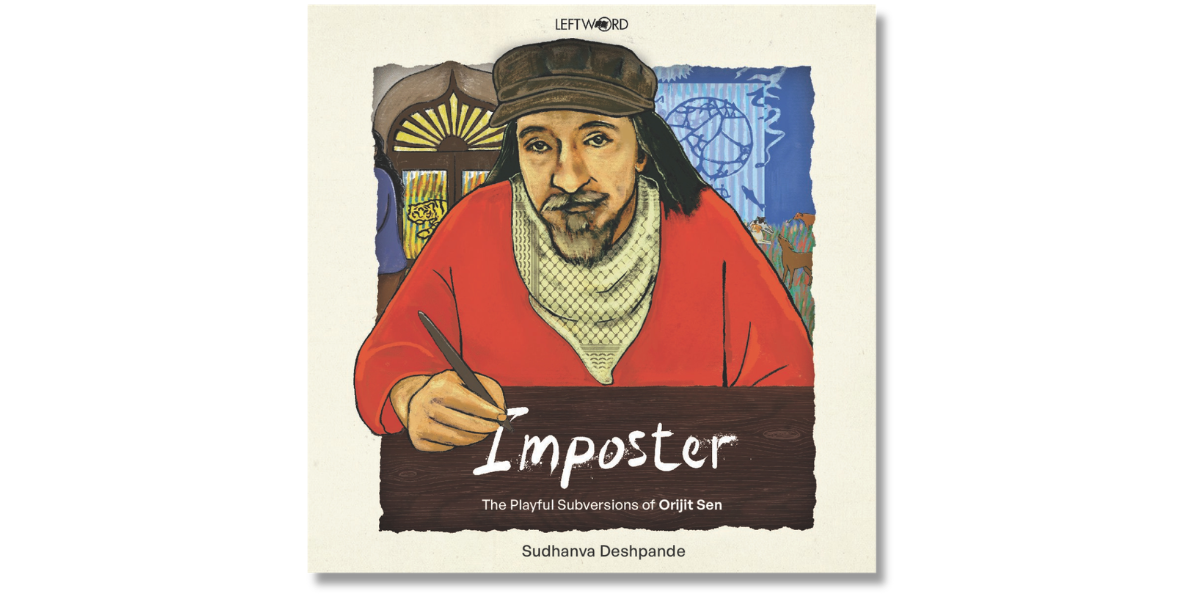
In Imposter: The Playful Subversions of Orijit Sen (LeftWord Books, November 2026), Sudhanva Deshpande looks at the work of the artist and cartoonist Orijit Sen, examining the anti-capitalist politics, experimentation and community engagement that run through his practice. Situating Sen’s work within wider debates around design education, the relationship between modern and traditional craft, and comics as a form of visual narrative, Deshpande considers how art and design can become forms of political expression and civic engagement.
The spice that shaped global trade
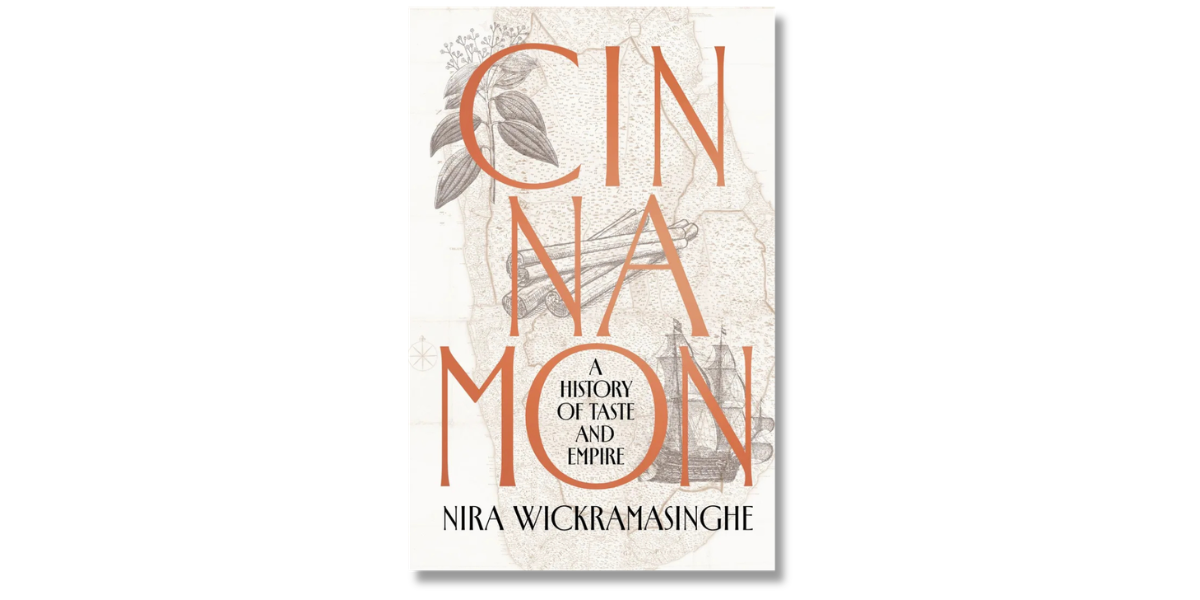
For centuries, cinnamon has shaped global trade, fuelled imperial rivalries and transformed the lives of those who harvested it. In Cinnamon: A History of Taste and Empire (Scribe UK, November 2026), the historian Nira Wickramasinghe traces the history of the spice from ancient Egypt and Mughal kitchens to the colonial contest between the Portuguese, Dutch and British. At the centre of this story is Sri Lanka, where the growing European demand for cinnamon entrenched systems of servitude, at times prompting rebellion. Moving across continents and centuries, Wickramasinghe follows the communities that shaped the history of the cinnamon trade.
📖 From the Himal archives: “Spice island or bland nation?” Nalaka Gunawardene reflects on Sri Lanka’s history of cultural exchange and maritime trade, warning against the growing insularity and suspicion of foreign influences.
Muslim women and everyday resistance
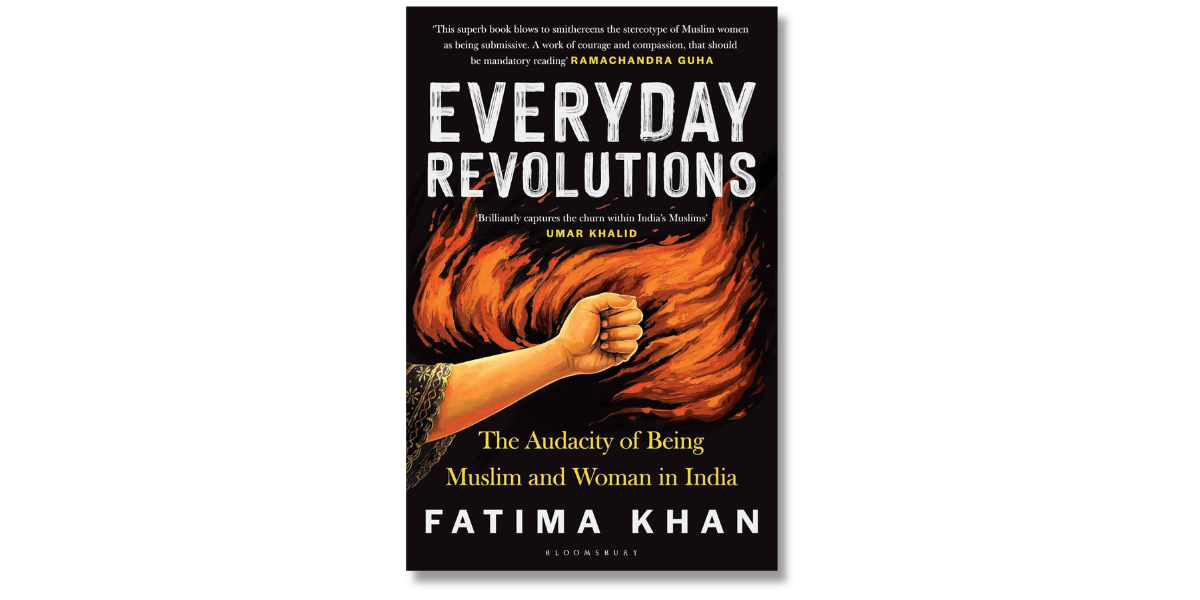
In Everyday Revolutions: The Audacity of Being Muslim and Woman in India (Bloomsbury, November 2026) the journalist Fatima Khan draws on years of reporting and conversations with Muslim women across India to examine how they are navigating rising anti-Muslim discrimination, state persecution and patriarchy. From the lynching of family members and the incarceration of husbands to restrictions on wearing the hijab, Khan traces how these experiences are shaping women’s political lives and sense of agency. Blending personal reflections with reportage, she follows women as they organise protests, contest elections, build communities and challenge power structures.
📖 From the Himal podcast archives: The activist Afreen Fatima speaks about the demolition of her family home, the persecution of Muslims and the limits of liberal solidarity in India.
The idea of Asia
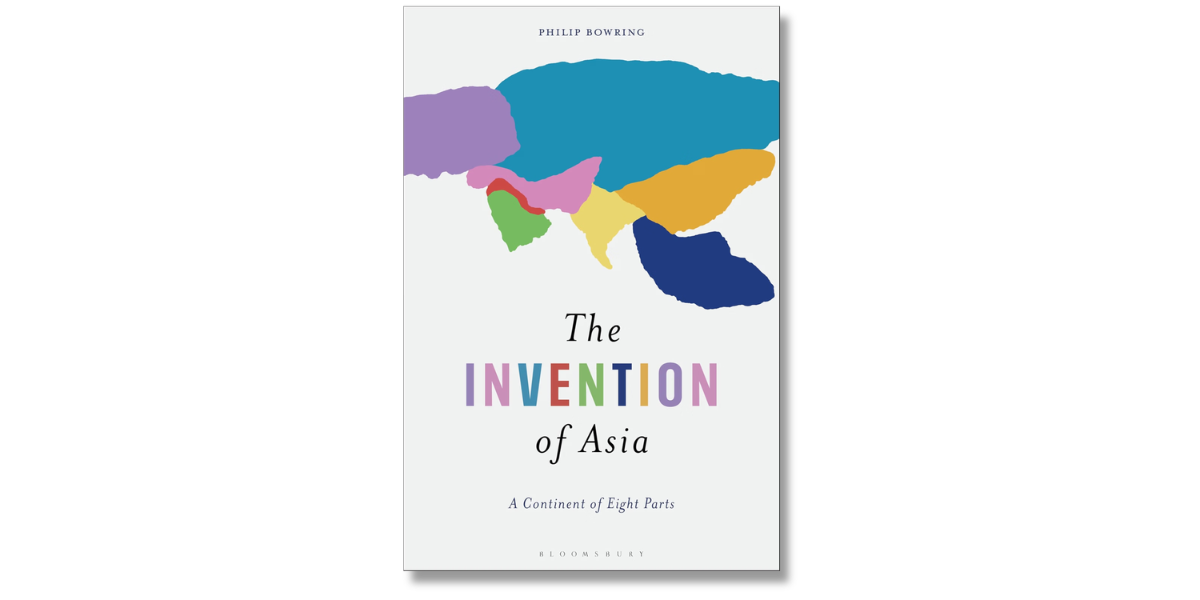
In The Invention of Asia: A Continent of Eight Parts (Bloomsbury, November 2026), the historian Philip Bowring traces the origins of the term “Asia”, arguing that it was a European construct imposed on a vast and diverse collection of peoples and cultures. Looking back over 5000 years of history, he challenges the conventional division between Europe and Asia, tracing the movements and exchanges of people, ideas, traditions and commodities across the continent. He proposes instead understanding Asia as eight interconnected subcontinents, each with its own distinct histories and place in wider networks of trade, migration and cultural exchange.
How Myanmar’s military entrenched its rule
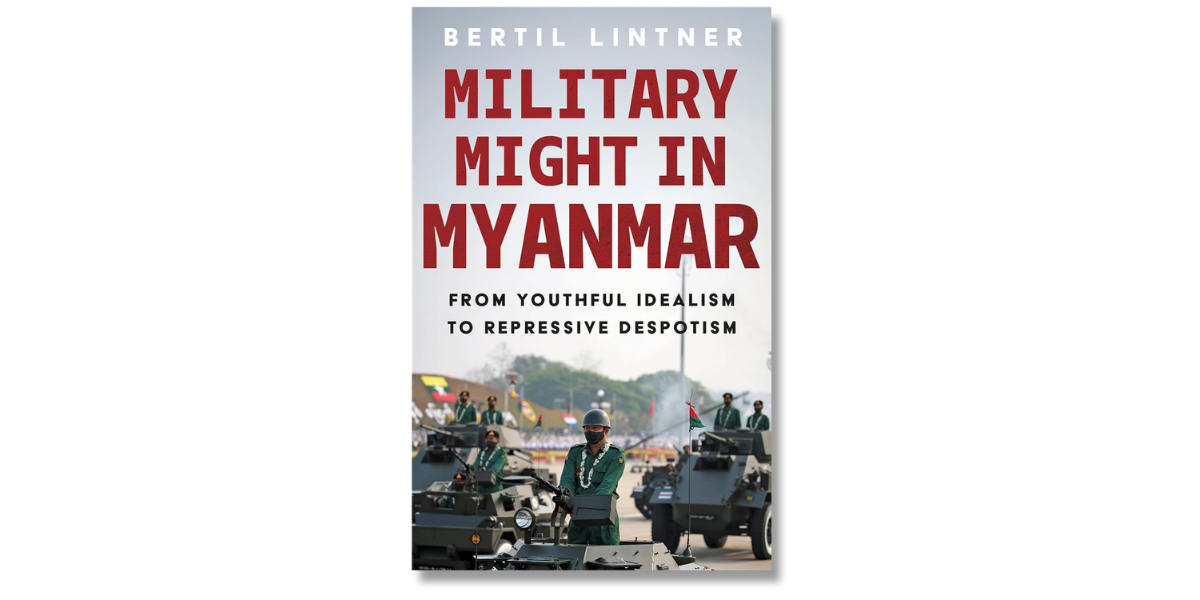
In Military Might in Myanmar: From Youthful Idealism to Repressive Despotism (Hurst Publishers, November 2026), the journalist Bertil Lintner traces the evolution of Myanmar’s armed forces from their origins in a group of young nationalists who took up arms against British colonial rule in the 1930s to the entrenched military establishment of today. Following decades of military rule, popular uprisings, ethnic resistance movements and a brief period of political opening between 2011 and 2021, Lintner considers how the military consolidated its hold over the state and came to serve its own interests.
📖 From the Himal archives: Ben Dunant reports on Myanmar’s 2025-2026 elections, looking at voters’ expectations and the limits of political choice under continued military rule.
Selfies and digital culture in India
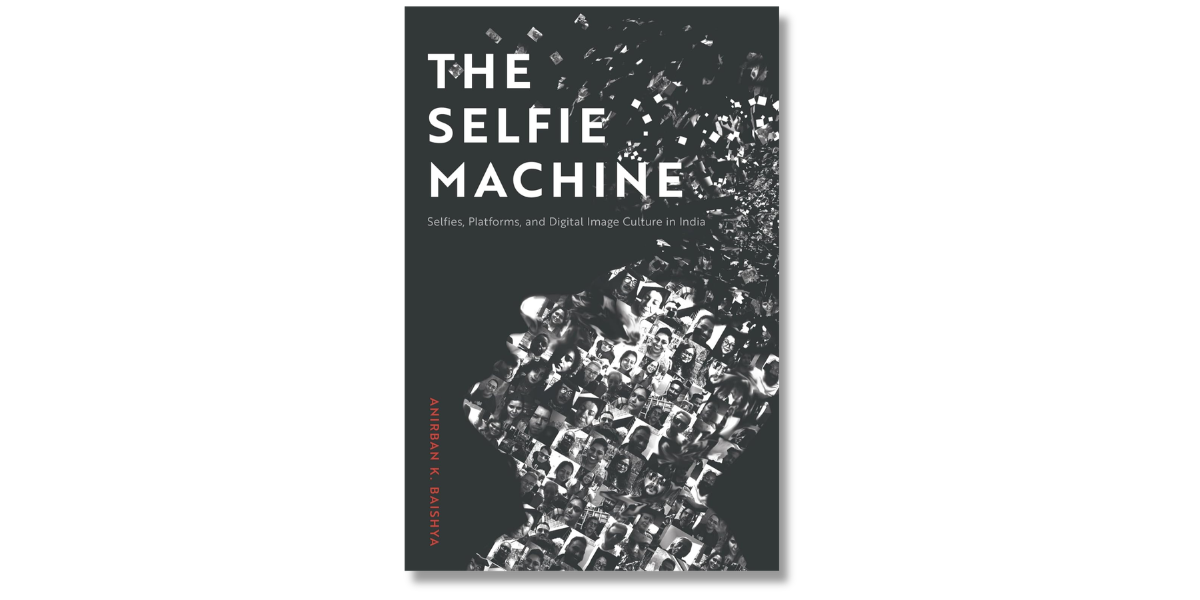
In The Selfie Machine: Selfies, Platforms, and Digital Image Culture in India (Rutgers University Press, November 2026), Anirban K Baishya considers how selfies shape communication and self-presentation in the digital age. Situating them alongside short videos, hashtags and the online economies of engagement, Baishya examines how selfie culture intersects with cellphone markets, influencer entrepreneurship, online celebrity, politics and protest. Taking India as his starting point, he challenges assumptions that global digital media trends follow a single, Western-led trajectory.
A patron saint of the Lingayat tradition
Allama Prabhu and the Shaiva Imagination by D R Nagaraj, translated from the Kannada by N S Gundur (State University of New York Press, November 2026), follows the life and thought of Allama Prabhu, a 12-century spiritual leader of the Vachanakara movement and the Lingayat tradition in Karnataka. Situating him within wider traditions of Shaiva philosophy and the bhakti movement, Nagaraj traces his intellectual exchanges with fellow poet Basava and other philosophers. Through close readings of Allama’s vachanas, or devotional poems, he challenges established ways of interpreting Indian philosophical and literary traditions.
The changing face of youth politics in Pakistan
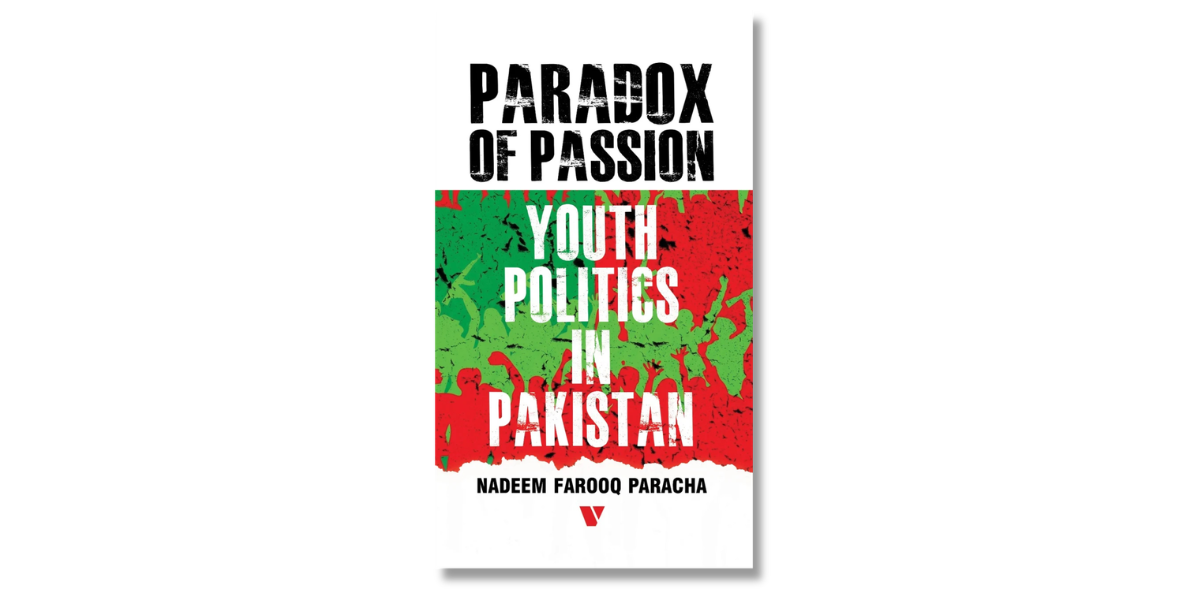
In Paradox of Passion: Youth Politics in Pakistan (Vanguard Books, November 2026), the journalist Nadeem Farooq Paracha unpacks the rise and decline of student movements, situating Pakistan’s experience within the global wave of youth mobilisation that peaked in the 1960s and subsequently waned under neoliberalism. He considers the forces shaping student activism, including ideological divisions, generational shifts and internal struggles for power. The book also looks at the changing nature of youth politics in the 21st century, from Gen Z-led uprisings to the influence of economic anxieties and political polarisation on contemporary movements.