

Welcome to the Southasia Review of Books newsletter, Himal’s fortnightly guide to our latest review essays and podcast conversations, alongside a selection of new books, publishing news and literary happenings from across the region.
If you enjoy what we do, please consider becoming a paying Himal Patron and help us keep bringing the best of Southasia’s books and ideas to your inbox.
Five years ago this week, the Taliban returned to power in Afghanistan following the withdrawal of US and allied forces. On 15 August 2021, thousands of people rushed towards the airport in a desperate attempt to leave, while those who remained faced a rapidly shrinking space for work, education, freedom of expression and movement – particularly women and girls. What remains of those upheavals can be found in the memories and testimonies of the people who lived through them.
In our latest review essay, Taran N Khan looks at the BBC correspondent Lyse Doucet’s The Finest Hotel in Kabul, a history of Afghanistan told through the lives of the people who kept Kabul’s Intercontinental Hotel running through decades of war and political change. The InterCon is still open, its distinctive blue K visible on the city’s skyline, but all the original staff who witnessed its beginnings have since left. “So the hotel has to carry the history forward itself,” Doucet told Khan. “But it’s still standing, and it’s still open.”
We’re also revisiting a SaRB conversation I had with Marie, Parwana Fayyaz and Sunila Galappatti about My Dear Kabul: A Year in the Life of an Afghan Women’s Writing Group, which brings together the writings of 21 Afghan women who stayed connected as Kabul fell, their lives were upended and many were forced into exile. Their messages became a way to keep writing, support one another and bear witness to what was happening around them.
Together, these two books offer different ways of thinking about the voices that continue to tell Afghanistan’s story beyond the headlines – a reminder of why these accounts need to be recorded and read.
Until next time, happy reading!
|
Shwetha Srikanthan Associate Editor Himal Southasian |
|
📚 From Himal’s pages this fortnight
Our latest reviews, literary essays and conversations
 Taran N Khan
 Amish Raj Mulmi
📚 Spotlight
A roundup of Southasian literary events, awards, opportunities and publishing news
South Asia Speaks, the annual mentorship programme for emerging writers, is now open to Southasian writers living anywhere in the world. The free programme pairs promising English-language writers with a mentor for one-on-one sessions, craft-focused workshops, masterclasses with established writers, and a wider community of fellows and alumni. Applications for the class of 2027 are open from 1-30 September. More details here.
The International Booker Prize-winning translator Deepa Bhasthi will be a visiting writer at the Asia Creative Writing Programme in Singapore for a month from September, with two opportunities for writers to learn from her. In Try Everything: Writing Across Genres, Bhasthi explores how writers can stretch and bend the language, rules and forms of different genres to find the best way to express what they want to say. In Writer to Writer, participants can share ideas and get fresh perspective through a one-on-one mentoring session with Bhasthi.
📚 This month in Southasian publishing
New and noteworthy books from across the region
India’s fossil-fuel economy
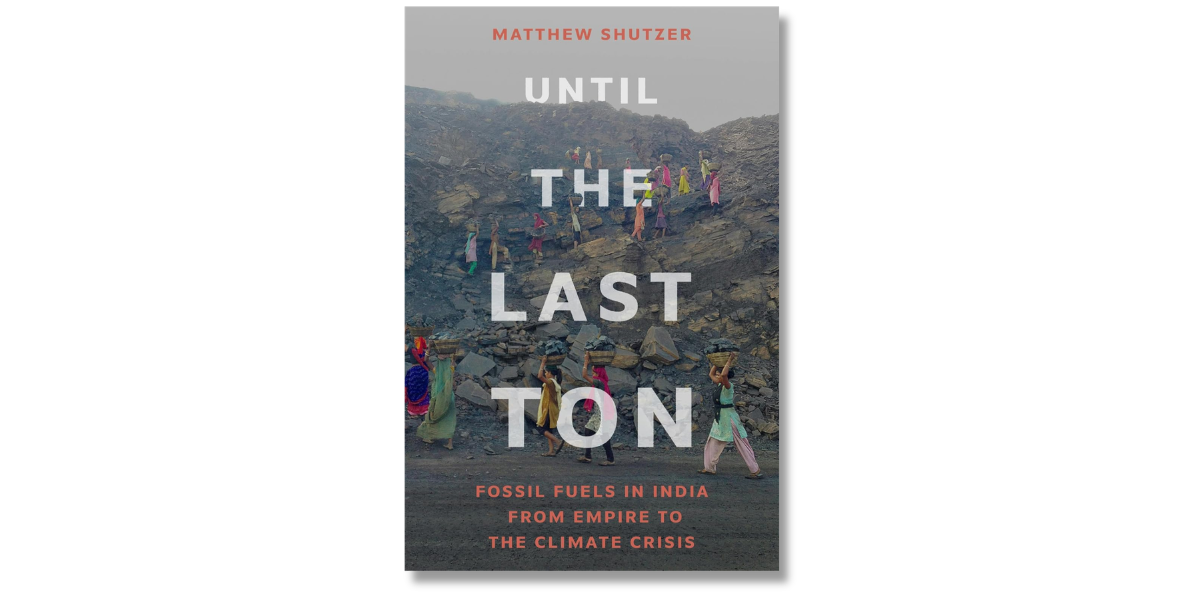
How did India become one of the world’s largest producers and consumers of fossil fuels? In Until the Last Ton: Fossil Fuels in India from Empire to the Climate Crisis (Princeton University Press, August 2026), the environmental historian Matthew Shutzer traces the country’s fossil-fuel economy from the colonial search for coal to today’s climate crisis. Focusing on eastern India, he shows how colonial property laws transformed forests, land and social relations, laying the foundations for a fossil economy whose consequences continue to shape India’s energy politics and conflicts over mining and dispossession.
Caste and solidarity across borders
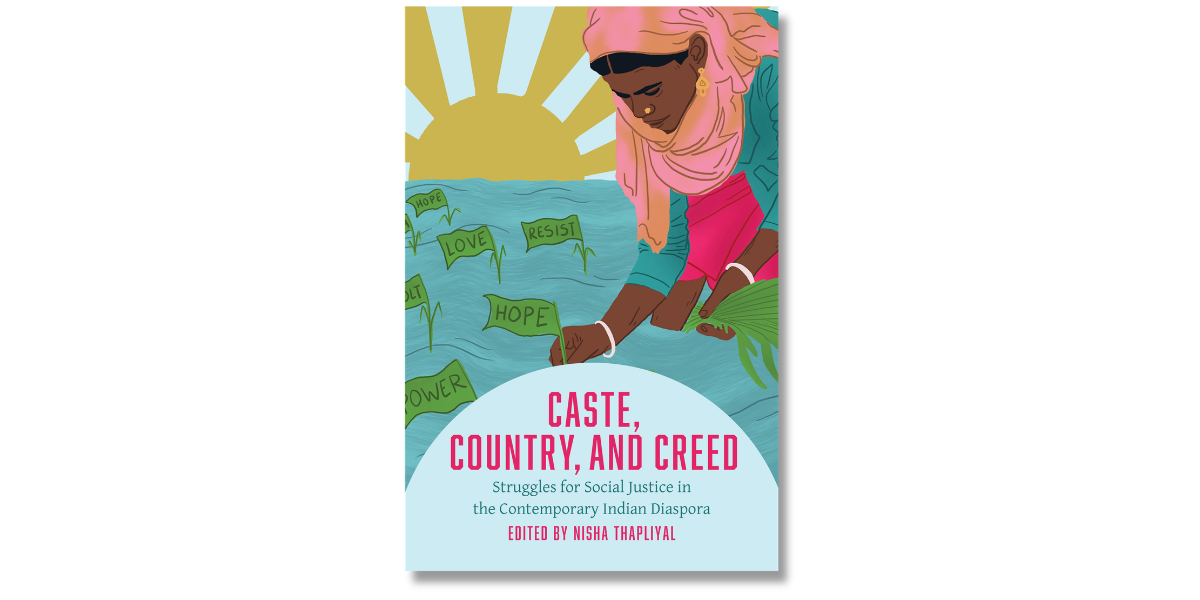
Caste, Country and Creed: Struggles for Social Justice in the Contemporary Indian Diaspora (Rutgers University Press, August 2026), edited by Nisha Thapliyal, brings together artists, activists and scholars working across New Zealand, Australia, Canada, the United States and the United Kingdom. Through first-person accounts and critical reflections, contributors explore caste discrimination, Islamophobia and Hindu nationalism, while documenting how diaspora activists build solidarity, challenge dominant narratives and organise for social justice across borders.
Whose history gets remembered?
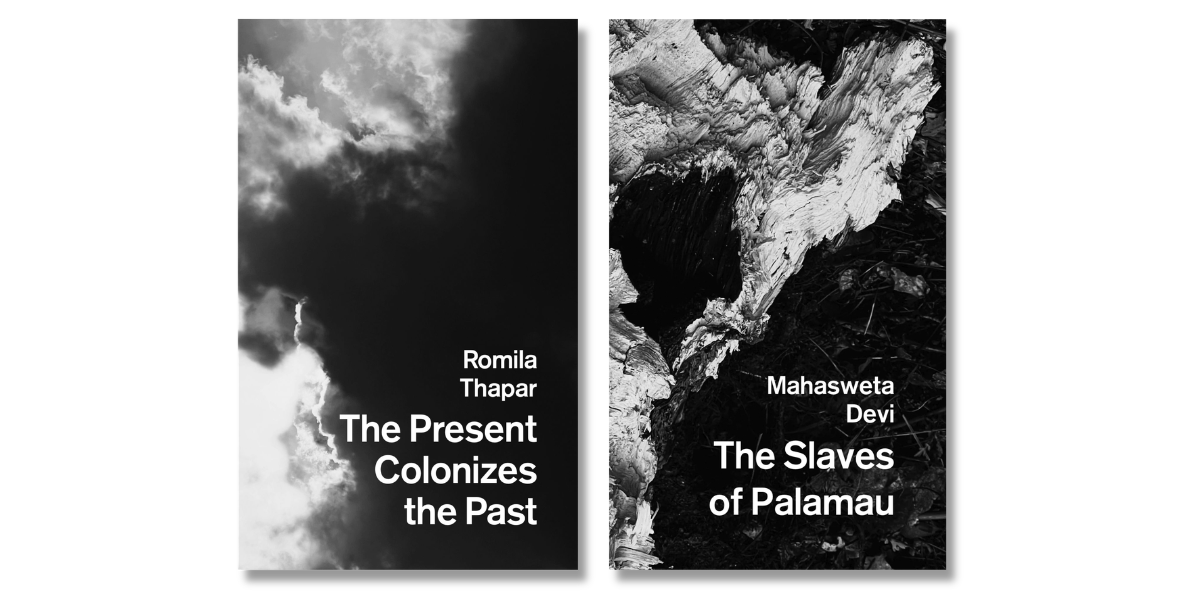
Two new collections from Seagull Books turn to the ways India’s past is remembered and contested. In The Present Colonizes the Past: The Future Forsaken? (Seagull Books, August 2026), the historian Romila Thapar examines how contemporary politics and anxieties are reshaping the writing of history, and makes the case for an approach grounded in debate and plurality. She also considers what is at stake when selective versions of the past begin to shape public knowledge and citizenship.
The Slaves of Palamau and Other Writings, translated by Maitreya Ghatak (Seagull Books, September 2026), brings together essays, reportage and editorials by the writer and activist Mahasweta Devi from the 1980s and early 1990s. Drawing on her encounters with Adivasi and Dalit communities in eastern India, Devi wrote about land dispossession, environmental damage, labour and rural development, while using her Bengali journal Bortika as a space for workers and marginalised communities to speak for themselves.
When pigeons unsettle borders
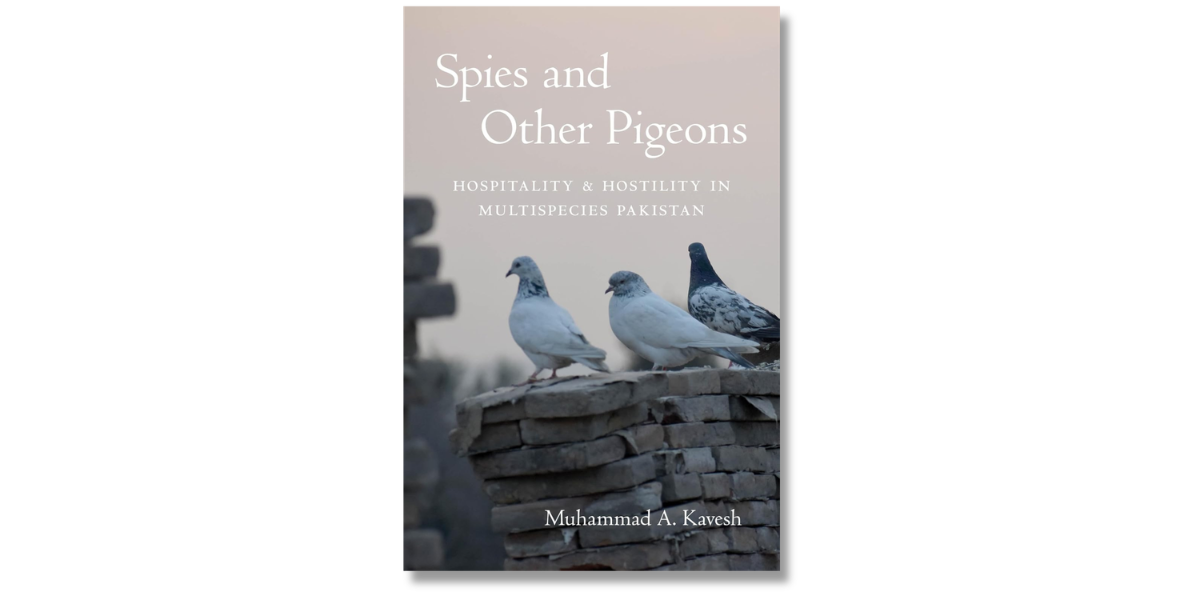
Across Pakistan, pigeon flyers devote time and care to birds that bring together communities divided by caste, class, language and ethnicity. In Spies and Other Pigeons: Hospitality and Hostility in Multispecies Pakistan (University of Washington Press, August 2026), the anthropologist Muhammad A Kavesh follows these enthusiasts across four provinces, exploring the relationships built through training and flying pigeons for competitions. But when the birds cross the militarised India–Pakistan border, cherished companions can suddenly become “spies”. Drawing on long-term ethnographic research, Kavesh uses these shifting perceptions of pigeons to explore belonging and suspicion – and the unexpected ways animals can unsettle national borders.
The rebel begum of Awadh
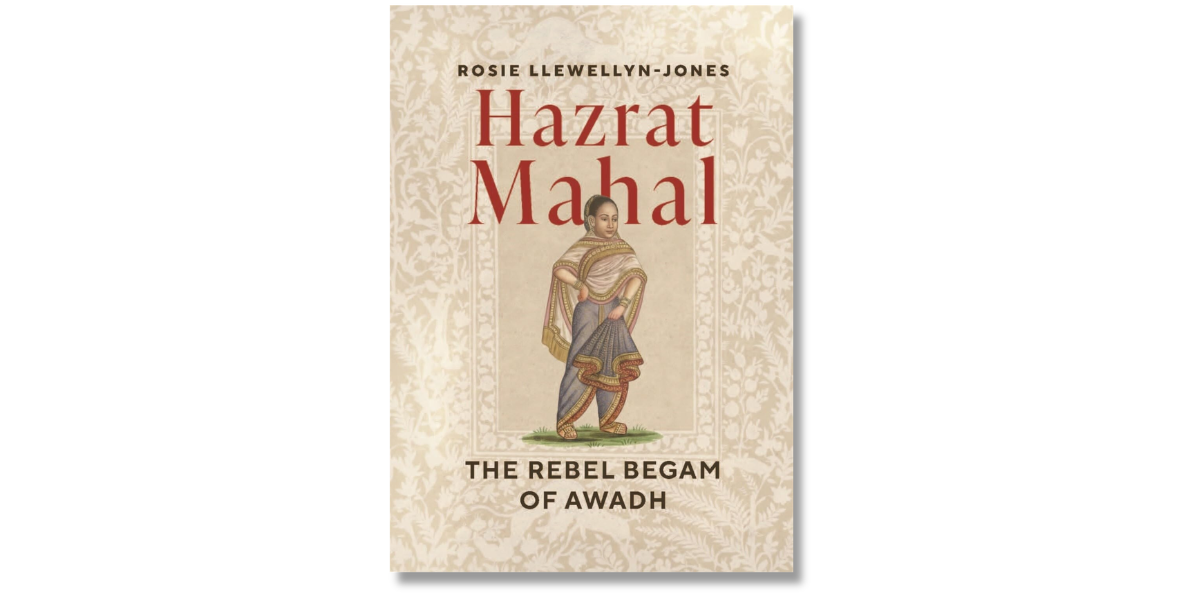
In Hazrat Mahal: The Rebel Begam of Awadh (Pan Macmillan India, August 2026), the historian Rosie Llewellyn-Jones brings the elusive 19th-century ruler back into view. A courtesan who became a wife of Wajid Ali Shah, Hazrat Mahal emerged as the de facto leader of Awadh’s resistance after the East India Company annexed the region in 1856. Drawing on newly uncovered Indian and British archives, Llewellyn-Jones traces how she united disparate rebel forces and helped lead the defence of Lucknow.
Political lives in Mizoram
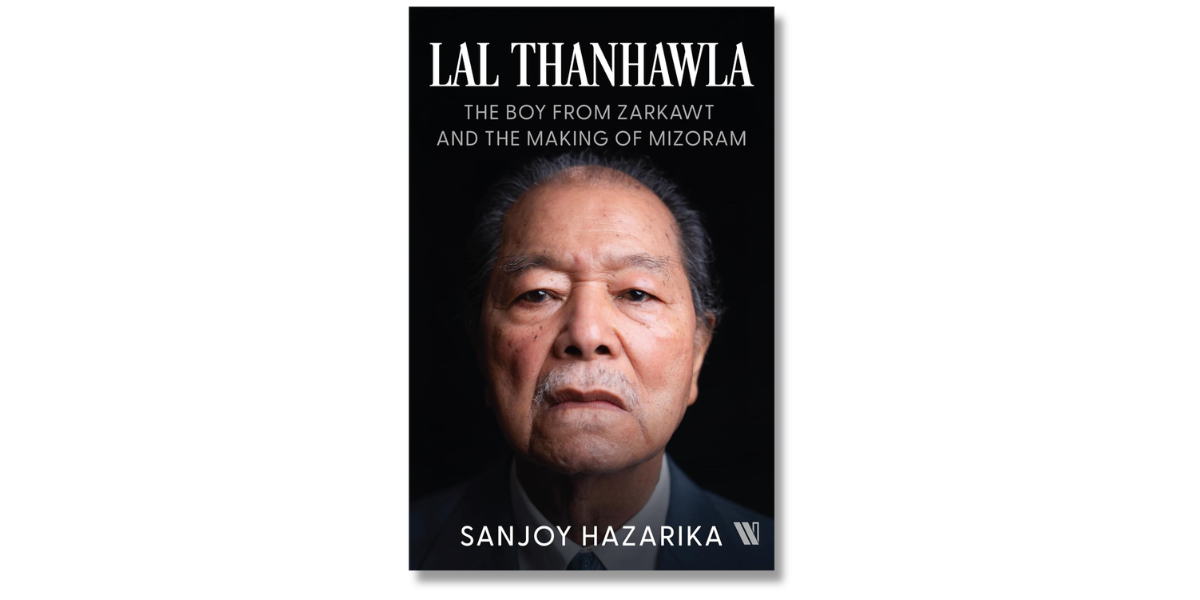
Two new books revisit Mizoram’s turbulent journey from insurgency to uneasy peace, offering different perspectives on the people and politics that shaped it. In Lal Thanhawla: The Boy from Zarkawt, and the Making of Mizoram (Westland, August 2026), the journalist Sanjoy Hazarika traces a century of political upheaval through the career of Lal Thanhawla, the state’s longest-serving chief minister. Drawing on hundreds of interviews and rare archival material, he follows Mizoram from British rule and insurgency through its transition to peace and development.
From Guerrilla Fighter to Chief Minister (Penguin, March 2026), meanwhile, offers the former chief minister Zoramthanga’s first-person account of that history. From guerrilla warfare and exile to negotiations for peace and eventually political leadership, his memoir charts the personal costs of conflict and the difficult journey from rebellion to reconciliation.
In search of the snow leopard

In The Ghost of the Mountains: Unraveling the Secrets of the Snow Leopard (Riverhead Books, August 2026), the conservationist and mountaineer Kulbhushansingh Suryawanshi draws on decades of fieldwork in search of one of the Himalaya’s most elusive predators. From encounters on high mountain slopes to efforts to build community-led conservation, he explores what it takes to protect snow leopards and their fragile habitat as development, conflict and climate change reshape the region. Along the way, his personal account captures the wonder and unpredictability of working with the species.
Love under suspicion
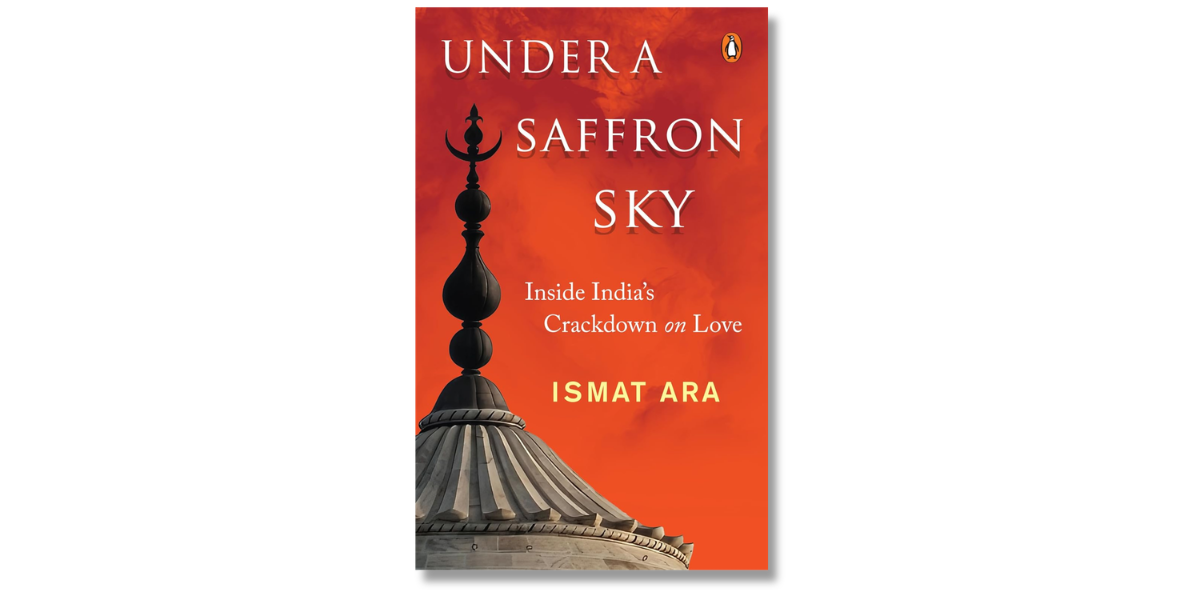
Under a Saffron Sky: Inside India’s Crackdown on Love by Ismat Ara (Penguin India, August 2026) draws on reporting from Arya Samaj mandirs, police stations and the homes of couples living under scrutiny. Ara traces how the idea of “love jihad” has turned love and marriage into sites of political anxiety, with Muslim men cast as threats and women’s own choices often erased. Through the stories of interfaith couples, she documents the fear, surveillance and hostility that can surround relationships that cross religious lines.
Also published recently, Love Jihad: A Feminist Retelling by Sameena Dalwai (Penguin India, June 2026) examines the term as a tool of surveillance and control rather than a category of relationship. Drawing on legal cases, statistics, personal stories, poetry and humour, Dalwai explores how the idea enables vigilantes, families and the state to scrutinise women’s relationships, faith and choices.
Freebies or rights?
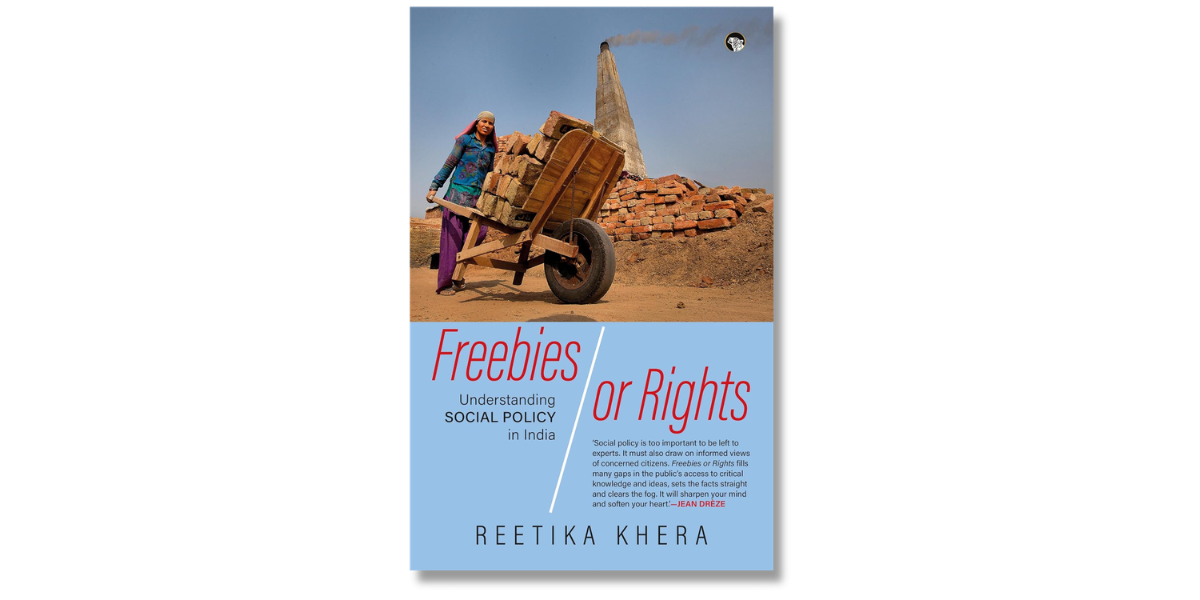
In Freebies or Rights: Understanding Social Policy in India (Speaking Tiger, August 2026), the economist Reetika Khera challenges the idea that food, healthcare, education, pensions and employment support are simply state handouts. Drawing on more than two decades of field research across rural India, she examines how programmes such as school meals, the Public Distribution System, pensions, maternity benefits and MGNREGA shape everyday life. Blending research with stories from villages, classrooms and government offices, Khera makes the case for social protection as a foundation for dignity and democratic citizenship.
The politics of language in Bangladesh
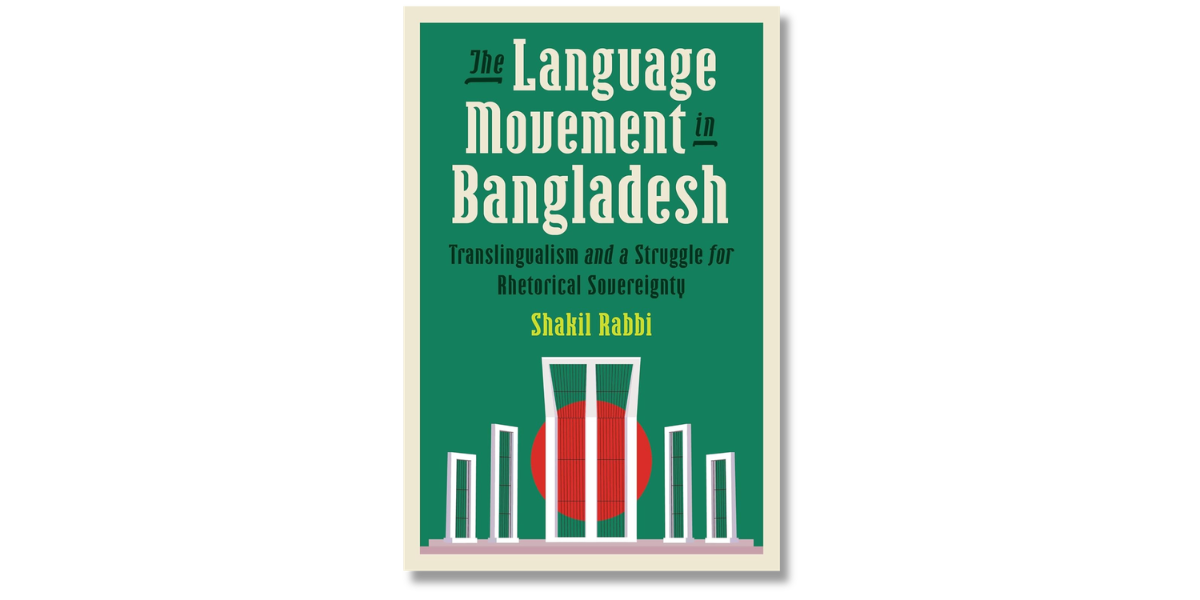
In The Language Movement in Bangladesh: Translingualism and a Struggle for Rhetorical Sovereignty (University of Pittsburgh Press, August 2026), Shakil Rabbi revisits the Bangla Language Movement through political rhetoric. Tracing the debate over Bangla’s status as a state language in East Pakistan, Rabbi shows how a struggle over language helped unsettle Pakistan’s political order and set the stage for Bangladesh’s independence in 1971. The book also examines what the movement reveals about language rights, cultural identity and political power.