

Welcome to the Southasia Review of Books newsletter, Himal’s fortnightly guide to our latest review essays and podcast conversations, alongside a curation of new books, publishing news and literary happenings from across the region.
Become a paying Himal Patron today and help us keep bringing the best of Southasia books and ideas to your inbox.
One piece from Himal’s pages I hope you won’t miss this week is an excerpt from Homes without Windows, a memoir of the Gujarati Dalit writer, journalist and activist Chandu Maheria, translated by Hemang Ashwinkumar.
The essay begins with Maheria’s mother teasing him whenever he wears khadi because it makes him look like “that fellow, Gandhido”. From there, it opens into a thoughtful reflection on growing up in a home shaped by Ambedkarite politics while also encountering Gandhian teachers, activists and institutions that left an undeniable mark on his life. Maheria doesn’t ask readers to abandon long-standing critiques of Mohandas K Gandhi. Instead, he writes, “There are some legitimate reasons for it, no one can deny that, but I refuse to be smothered by them.”
It's also worth revisiting our SaRB podcast conversation with Anand Teltumbde on his recent book, Iconoclast. Teltumbde argues for returning to B R Ambedkar on his own terms – as a self-described “iconoclast” – urging readers to engage critically with the radical core of his political and intellectual thought. The conversation makes for an interesting companion to Maheria’s reflections on Gandhi.
I’d love to know what you make of them, so if you read the excerpt or listened to the episode, just hit reply or write to me at shwethas@himalmag.com.
Until next time, happy reading!
|
Shwetha Srikanthan
Associate Editor, Himal Southasian
|
📚 From Himal’s pages this fortnight
Our latest reviews, literary essays and conversations
EXCERPT
A Gujarati Dalit writer reckons with Gandhi’s fraught legacy
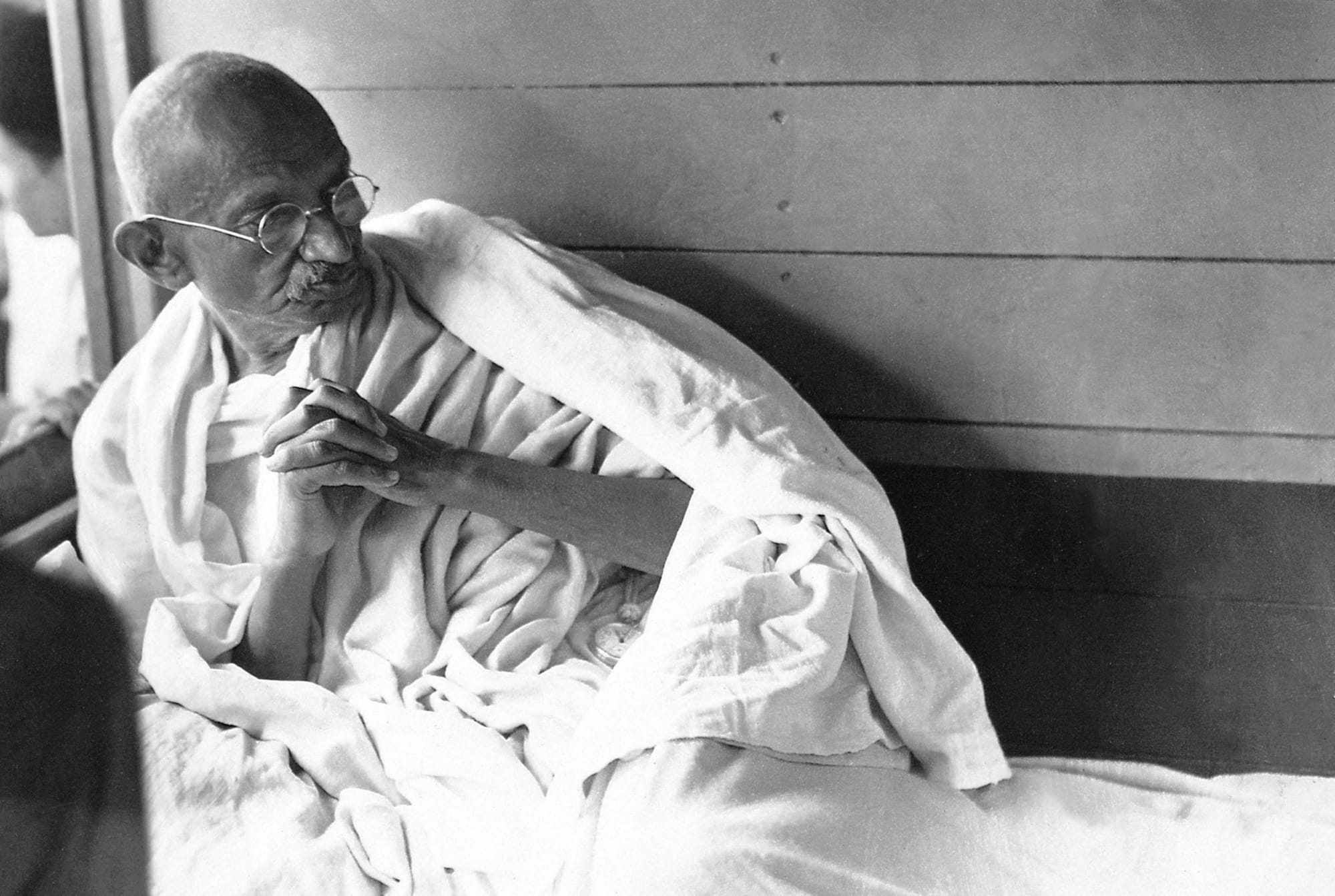
An excerpt from Chandu Maheria’s memoir, reflecting on growing up in Ahmedabad’s working-class chawls and the place of Mohandas K Gandhi in Dalit life and political thought
📚 Spotlight
A roundup of Southasian literary events, awards and publishing news
The inaugural Colombo Literary Festival takes place from 24 to 29 July at the Arcade Independence Square, bringing together writers, translators, filmmakers and artists over six days of conversations, screenings and performances across Sinhala, Tamil and English.
The programme features discussions on literature, history, politics, translation and cinema, alongside film screenings, music and other cultural events. With a strong focus on Sri Lanka’s multilingual literary landscape, the festival marks an exciting addition to the region’s literary calendar.
📚 This month in Southasian publishing
New and noteworthy books from across the region
Seafarers of the Indian Ocean
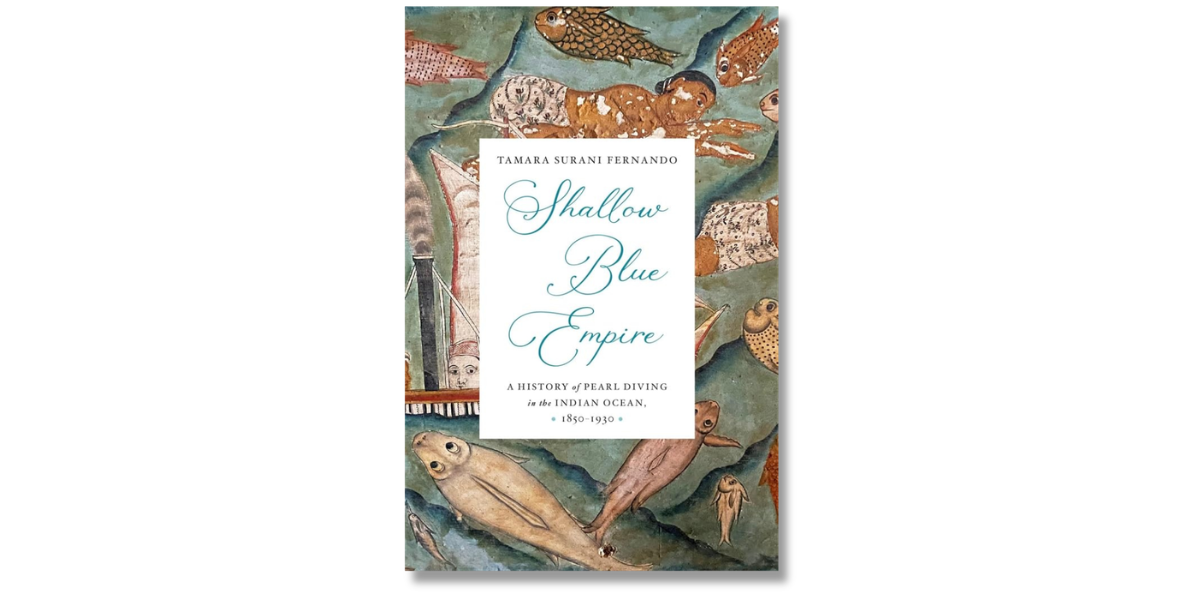
What did it take to satisfy the world’s appetite for pearls? In Shallow Blue Empire: A History of Pearl Diving in the Indian Ocean, 1850–1930 (Harvard University Press, July 2026), Tamara Surani Fernando traces the intertwined histories of empire, labour and the environment through the 19th-century pearl fisheries of the Persian Gulf, the Gulf of Mannar near Sri Lanka and the Mergui Archipelago in Myanmar. The book centres the expertise of the divers and sailors whose knowledge sustained the global pearl trade, even as British colonial rule reshaped migration, caste and racial hierarchies across the Indian Ocean.
📖 From the Himal archives: From ancient chronicles to the modern era, Richard Boyle explores the long history of Ceylon’s pearl fishery and its place in the island’s past.
A polymath revisited
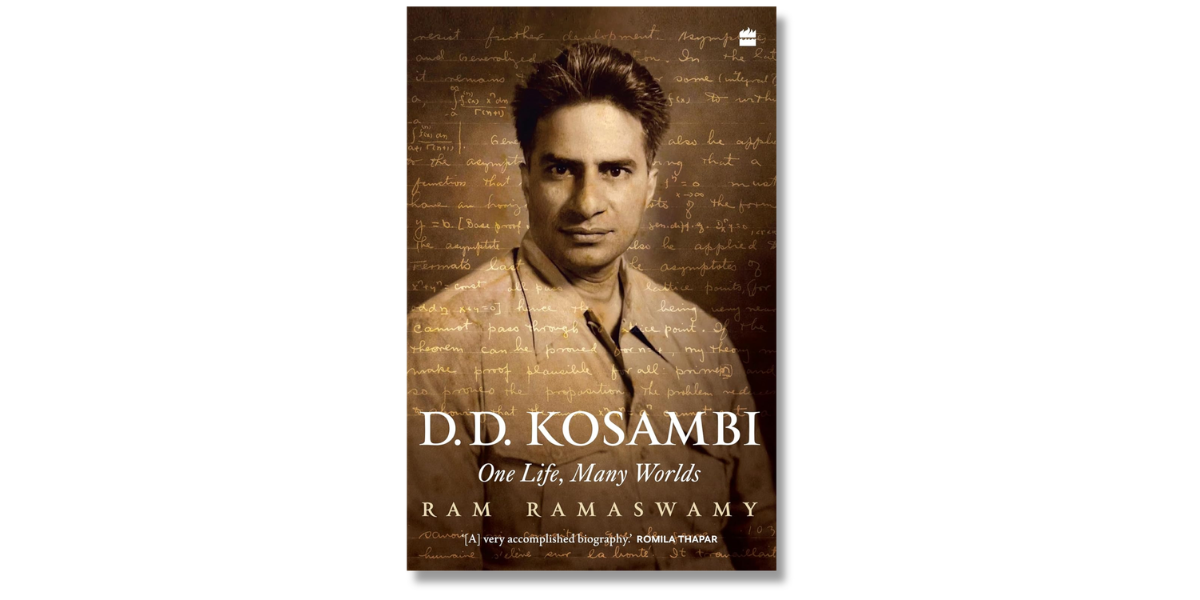
D D Kosambi: One Life, Many Worlds (Fourth Estate India, July 2026) revisits the life and work of one of modern India’s most significant public intellectuals. In this new biography, the physicist Ram Ramaswamy traces Kosambi’s contributions to mathematics, genetics, history and philology, while situating his life within the scientific, political and intellectual transformations of the 20th century.
📖 From the Himal archives: In an essay on rethinking the history of the Subcontinent beyond colonial frameworks, Romila Thapar notes Kosambi’s pioneering use of historical materialism and his influence on the study of ancient India.
Dance, identity and survival
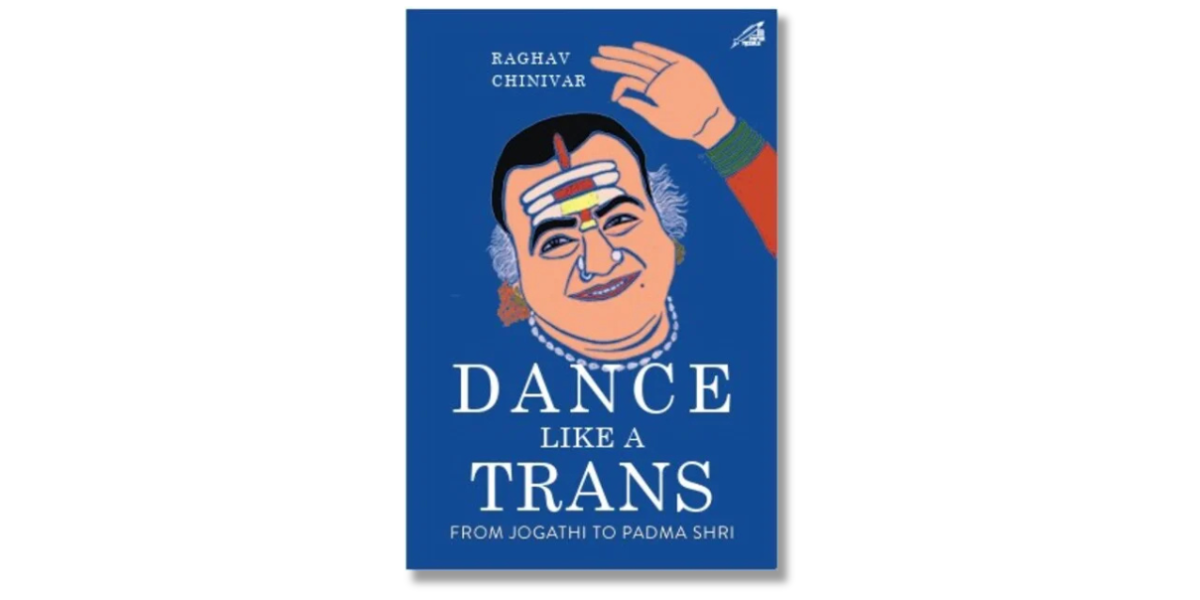
Dance Like a Trans: From Jogathi to Padma Shri (Niyogi Books, July 2026) chronicles the life of Manjamma Jogathi, whose journey through folk theatre and the Jogathi tradition transformed the stage into a place of belonging. Written by Raghav Chinivar, the biography follows her path from an ostracised childhood in Karnataka to becoming the first trans woman to lead the Karnataka Janapada Academy.
Also published recently, From Manjunath to Manjamma: The Inspiring Life of a Transgender Folk Artist by Harsha Bhat (HarperCollins India, May 2023) offers a more personal account, with Manjamma reflecting on her life and craft.
📖 From the Himal archives: Ranjana Dave reviews a trio of books to explore how performers negotiate individuality and collective identity, and how caste continues to shape gender, sexuality and artistic practice in modern India.
Memoirs of Lumbini
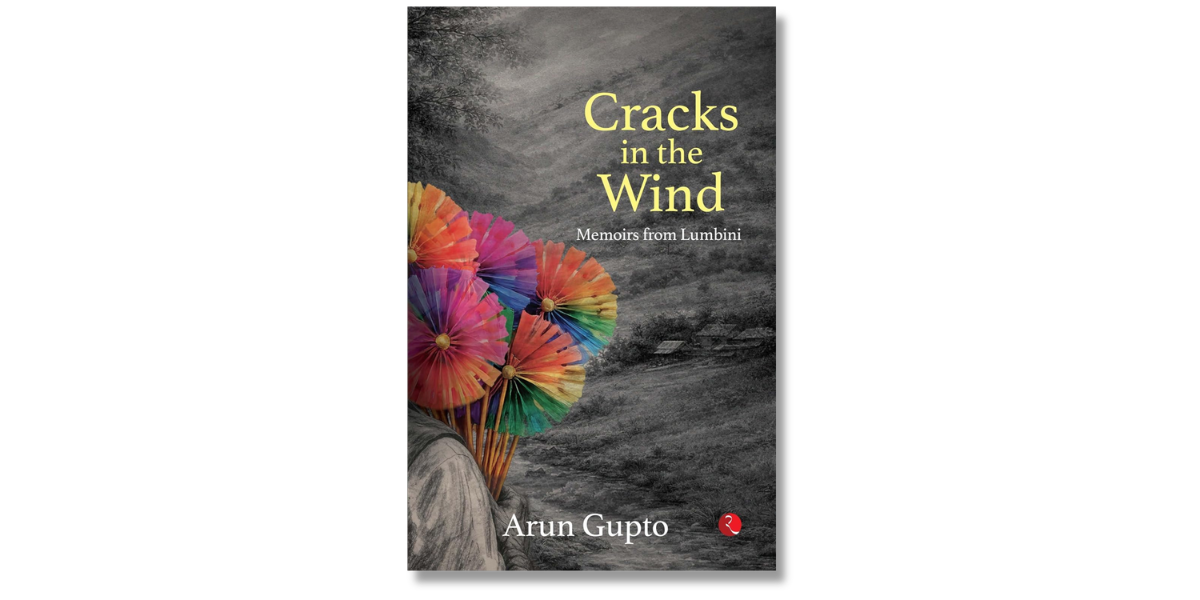
Set in Nepal’s Lumbini region, Cracks in the Wind: Memoirs from Lumbini (Rupa Publications, July 2026) sees the scholar Arun Gupto revisit the landscapes and communities of his childhood. Through the recollections of Onu and the stories of his neighbour Rahmat, the memoir blends memory and imagination to capture a multicultural borderland shaped by friendship, folklore and social change.
A landmark of Kannada theatre
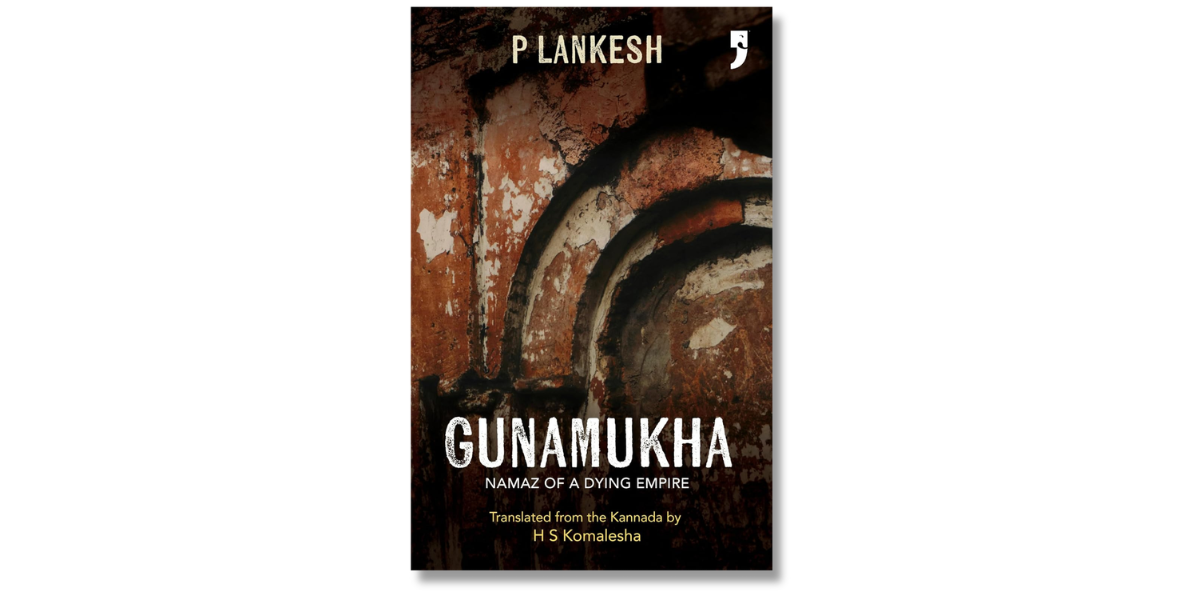
Gunamukha: Namaz of a Dying Empire (Yoda Press, July 2026) brings the Kannada writer P Lankesh’s acclaimed play to English in a translation by H S Komalesha. First published over three decades ago and set in the twilight of an empire, the play strips away the grandeur of conquest to examine power, moral decay and the human costs of authoritarian rule through the encounter between a dying emperor and an ageing hakim.
📖 From the Himal archives: Laxmi Murthy reviews Rollo Romig’s recent book on Gauri Lankesh, tracing how the daughter of P Lankesh emerged as a leading journalist and critic of Hindu nationalism before her assassination in 2017.
The reporter’s eye
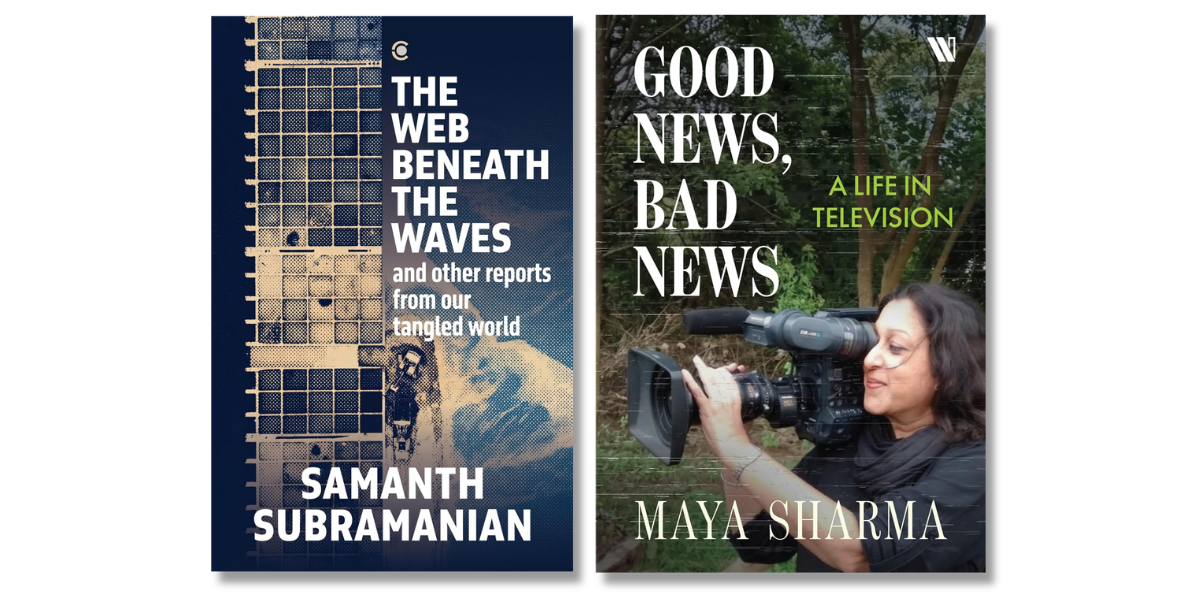
Fifteen years of reportage come together in The Web Beneath the Waves: And Other Reports from Our Tangled World (Context, July 2026), an essay collection by the journalist and author Samanth Subramanian. Ranging from undersea internet cables and endangered languages to cricket, Sri Lanka’s civil war and the quizzing culture in India, the book brings together deeply reported stories that unpack the unexpected connections shaping the contemporary world.
In Good News, Bad News: A Life in Television (Westland, July 2026), the veteran journalist Maya Sharma looks back on three decades in Indian television news, from the early days of live election coverage to the rise and decline of private television journalism. Blending memoir with media history, Sharma reflects on the changing newsroom, the pressures of the profession and what it means to pursue journalism beyond the political centres of power.
Culinary histories of Mumbai
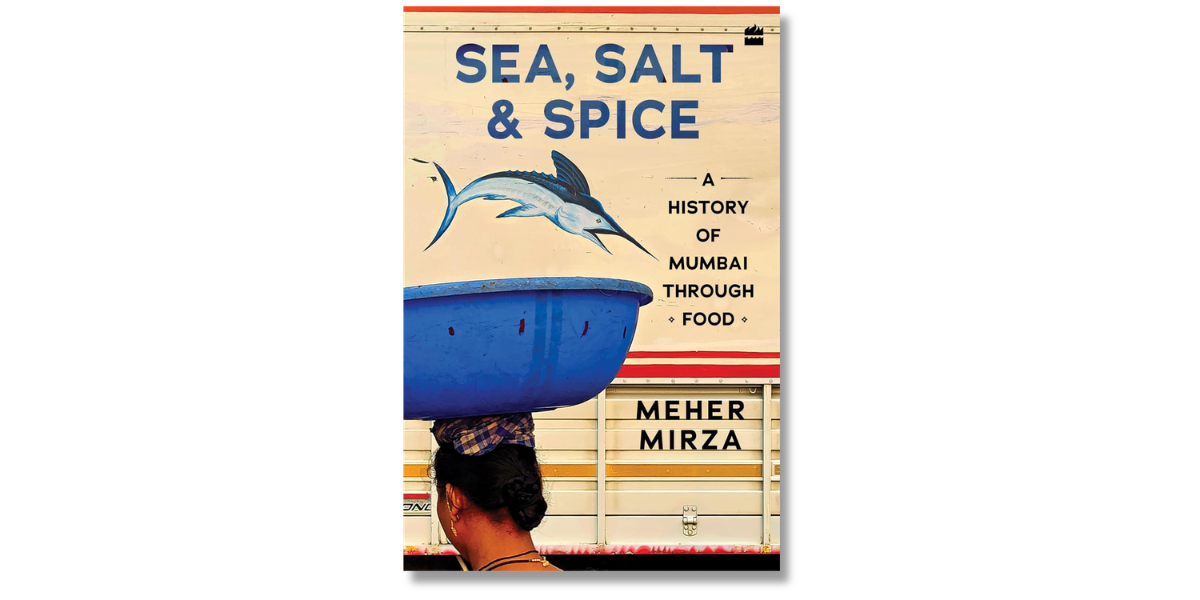
Food becomes a way of reading Mumbai’s past in two recent histories of the city’s kitchens, communities and cuisines. In Sea, Salt and Spice: A History of Mumbai through Food (HarperCollins India, July 2026), Meher Mirza traces the city’s evolution through its cuisines, showing how migration, trade, empire, caste and religion shaped what people cooked and ate. Illustrated with maps, photographs and archival material, the book offers a culinary biography of the city.
It joins In the Beginning There Was Bombay Duck: A Food History of Mumbai (Speaking Tiger, November 2025) by Pronoti Datta, which similarly explores Mumbai’s many food cultures, from Koli fishing communities and Parsis to migrants from across the Subcontinent, revealing how the city’s cosmopolitan identity has long been forged at the dining table.
Dalit Panthers
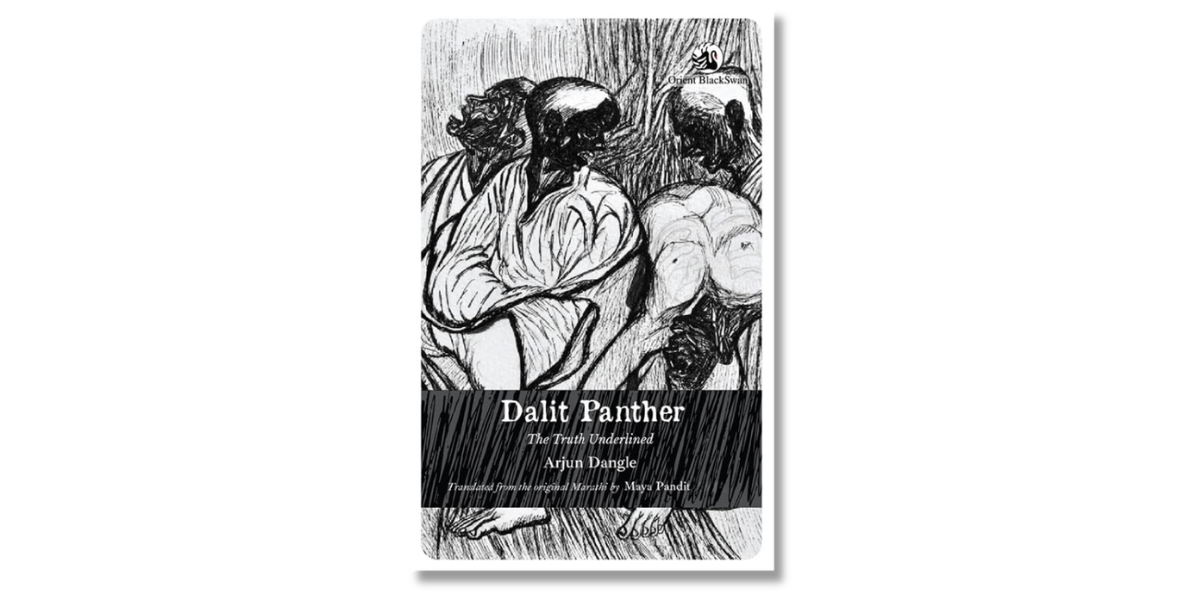
More than five decades after the Dalit Panthers transformed anti-caste politics in Maharashtra, one of its leading members revisits the movement from within. Inspired by the Black Panthers movement in the United States, the Dalit Panthers transformed anti-caste politics and literature in Maharashtra during the 1970s. Dalit Panther: The Truth Underlined (Orient Blackswan, July 2026) brings Arjun Dangle’s insider account to English in Maya Pandit’s annotated translation, tracing the movement’s radical literary culture, political struggles and internal debates while reflecting on its enduring legacy for Dalit politics in India.
New Southasian Fiction
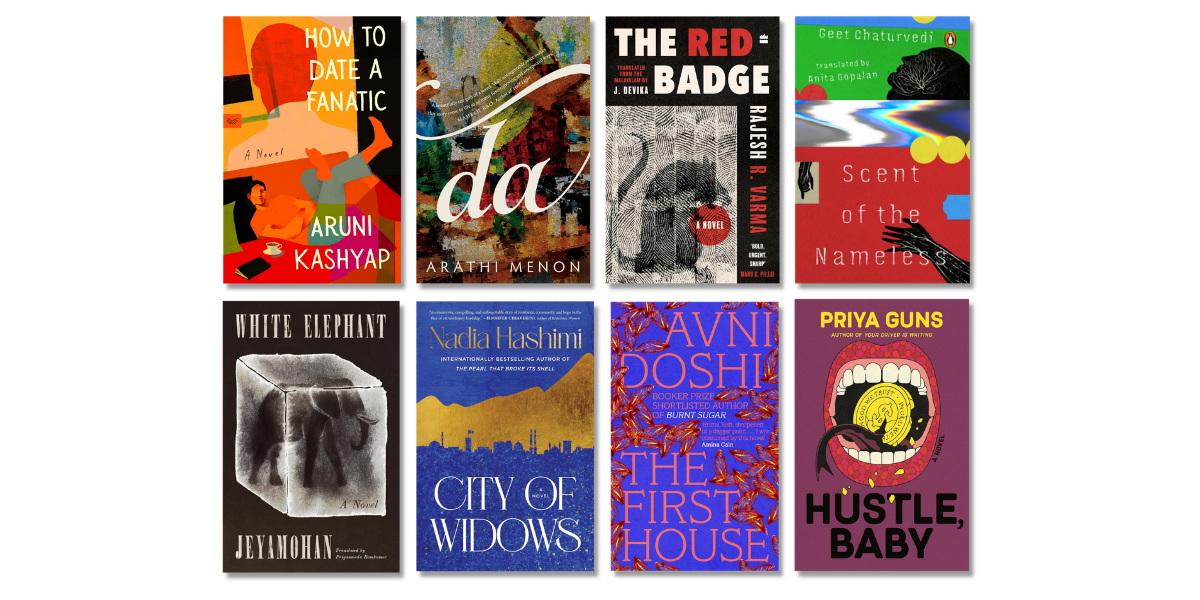
Love and politics collide in How to Date a Fanatic by Aruni Kashyap (HarperCollins India, July 2026), where a young professor navigates queer desire and student activism in an increasingly polarised India. In Da (Pan Macmillan, July 2026), Arathi Menon tells the story of a teenage boy and his adoptive father, whose fiercely loving relationship is shadowed by Section 377 and the everyday precarity of queer life.
🎧 From the Himal podcast archives: A conversation with Aruni Kashyap on writing stories of love, resistance and belonging in the long shadow of violence in India’s Northeast.
Questions of privilege and power animate The Red Badge (Harper Perennial India, July 2026), Rajesh R Varma’s acclaimed Malayalam novel translated by J Devika, which examines the anxieties of caste through a schoolboy’s obsession with academic success. In Scent of the Nameless (Penguin India, July 2026), Geet Chaturvedi’s novel, translated from the Hindi by Anita Gopalan, follows an ordinary office worker whose life begins to unravel under the pressures of debt and modern capitalism.
Jeyamohan’s White Elephant (FSG Originals, July 2026), translated from the Tamil by Priyamvada Ramkumar, revisits the Great Famine of 1878 and Dalit labour uprisings through the eyes of an Irish police officer confronting the brutal realities of colonial rule in Madras. In City of Widows (William Morrow, July 2026), Nadia Hashimi follows a group of Afghan women as they navigate resistance and survival in Kabul after the Taliban’s return to power.
🎧 From the Himal podcast archives: A conversation on the collective diary of 21 Afghan women writers whose intimate testimonies chronicle the fall of Kabul in August 2021, life under Taliban rule and exile.
Family, memory and reinvention lie at the heart of two more novels. The First House by Avni Doshi (Penguin, July 2026) traces one woman’s psychological unravelling after her husband asks for a divorce, while Priya Guns’s Hustle, Baby (Doubleday, July 2026) follows a family of Sri Lankan Tamil refugees whose hopes for stability are upended by financial precarity and an ill-fated investment scheme.