

Welcome to the Southasia Review of Books newsletter, Himal’s fortnightly guide to our latest review essays and podcast conversations, alongside a curation of new books, publishing news and literary happenings from across the region.
What began as anger over exam paper leaks has grown into something much bigger in India. The student-led protests, spearheaded by the Cockroach Janta Party, have channelled outrage over a broken examination system into a wider challenge to Narendra Modi’s regime – and shaken some of the fear around openly confronting the Hindu Right.
It brought to mind a question I asked the journalist Rahul Bhatia when we spoke for the Southasia Review of Books podcast in April 2025. His book, The Identity Project: The Unmaking of the World’s Largest Democracy, is in many ways about how authoritarianism and state power have reshaped everyday life in India. After everything we had discussed, I asked: Was India past the point of no return?
“I think not having hope is not an option,” Rahul told me. “You’ve got to participate in it politically, you’ve got to shape people’s minds, you’ve got to report, you’ve got to write, you’ve got to express.”
Rahul recalled something Nisar Ahmed – a survivor of the 2020 Delhi violence who has spent years fighting for justice – once asked him: “What if there were five other people like me? Just five other people like me? How much would change?”
“It’s a vanishingly small number of people you really need to effect change,” Rahul said. “Pessimism just cannot enter the picture.”
With tens of thousands of young people coming out onto the streets across India, we’re seeing what that possibility looks like.
For more on the protests, read the journalist Neha Dixit’s piece for Himal. Drawing on her years of reporting on resistance in India, Neha looks at what makes this movement different – from its humour and irreverence to its refusal to play by the usual rules of dissent – and how it has unsettled the Modi government’s “stranglehold of fear”.
Independent journalism is a huge part of that change too. So if you value what we do, please support the journalism you want to see more of by becoming a paying Himal Patron today.
Until next time, happy reading!
|
Shwetha Srikanthan Associate Editor Himal Southasian |
|
📚 From Himal’s pages this fortnight
Our latest reviews and conversations
 Fathima Cader
 Shwetha Srikanthan
📚 Tribute
Remembering the lives and legacies that shaped Southasian literature
This week marks ten years since the death of Bengali writer and activist Mahasweta Devi. Across more than a hundred novels and short stories, as well as decades of reportage and other writing, Devi chronicled the lives and struggles of communities pushed to the margins of Indian society. Her work was deeply entwined with decades of activism, particularly alongside Adivasi communities and denotified and nomadic tribes of India.
Writing for Himal in August 2016, Dakxin Bajrange remembers “Amma” and traces how her work with the Chhara community helped sow the seeds of Budhan Theatre – and a wider movement for dignity and justice.
“I want to live forever. I will live through my writings.” she once told Ganesh N Devy. Ten years on, revisit Bajrange’s tribute and Mahasweta Devi’s enduring place in the lives and movements she helped shape.
📚 This month in Southasian publishing
New and noteworthy books from across the region
After Partition

Qurratulain Hyder, one of the most influential figures in modern Urdu literature, takes us through Delhi, Lahore, Karachi, Dhaka and London in the decade after Partition in A Tilt in Time: Partition and Pakistan: A Mid-Century Memoir, translated by Fatima Rizvi (Women Unlimited, July 2026). Drawn from Hyder’s landmark Kar-e Jahan Daraz Hai, which she described as a “biographical non-fiction novel”, the book offers an intimate social history of Pakistan in the 1950s, before the advent of martial law. With characteristic wit, Hyder writes of migration, work and the shifting cultural worlds of mid-century Southasia, as the personal and political intertwine in questions of belonging, displacement and return.
📖 From the Himal archives: Priyanka Lindgren revisits another great chronicler of Partition – tracing how migration, memory and Pakistan’s political upheavals shaped the fiction of the Urdu writer Intizar Husain.
Rethinking global politics
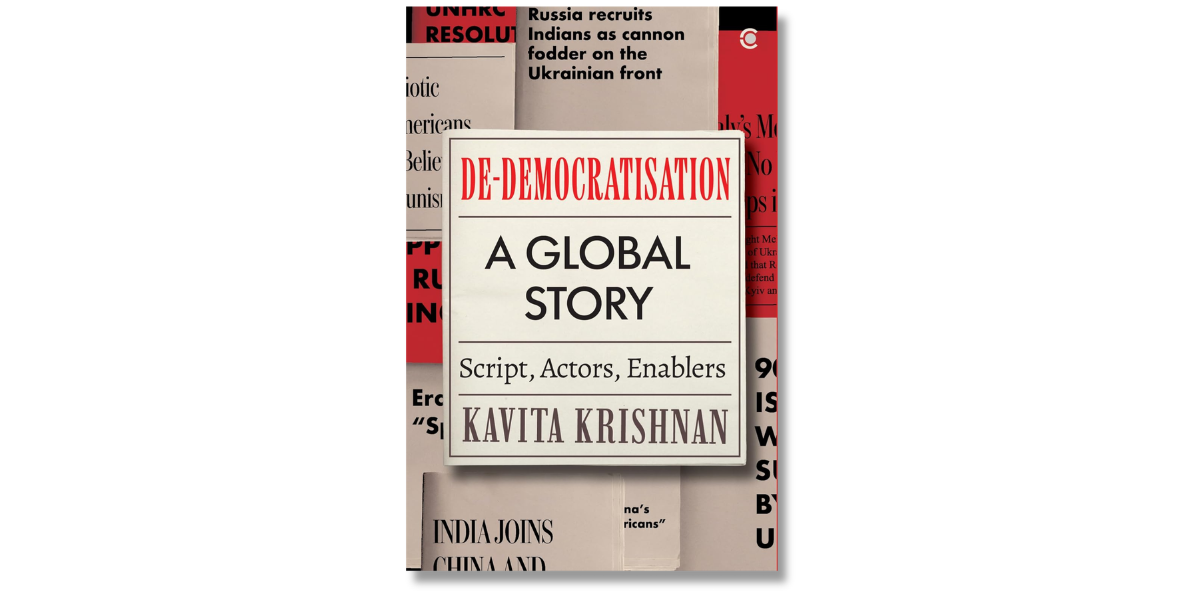
Can the world’s conflicts still be understood through the familiar divide between “the West” and “the Rest”? In De-democratisation, a Global Story: Script, Actors and Enablers (Context, July 2026), the civil liberties activist Kavita Krishnan argues that this framework no longer explains the global political moment. Instead, she traces what she sees as a transnational assault on democracy and human rights, urging readers to rethink solidarity from the perspective of those resisting authoritarianism.
Land and survival in Myanmar
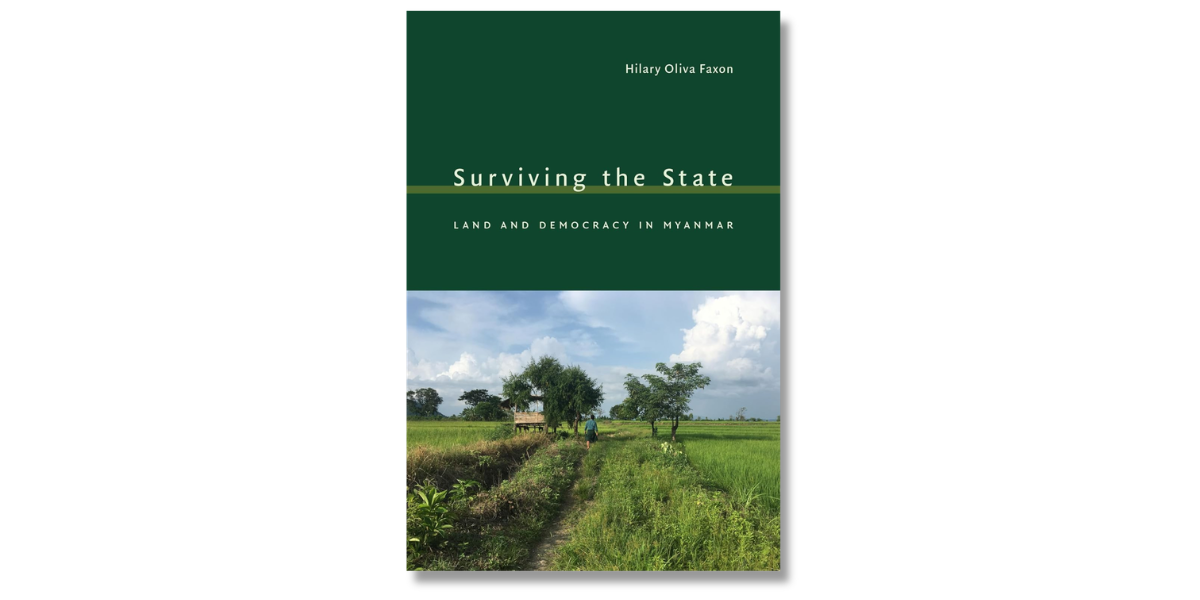
In Myanmar’s Kalay Valley, near the Indian border, farmers have endured decades of political violence, land seizures and authoritarian rule. The scholar Hilary Oliva Faxon’s Surviving the State: Land and Democracy in Myanmar (Duke University Press, July 2026) examines how Burman and Chin smallholders use everyday practices around land to navigate and resist state control. Through a feminist account of land politics, Faxon explores land not only as a site of struggle, but as a means of sustaining families, asserting claims and surviving political upheaval.
The spectacle of Hindutva
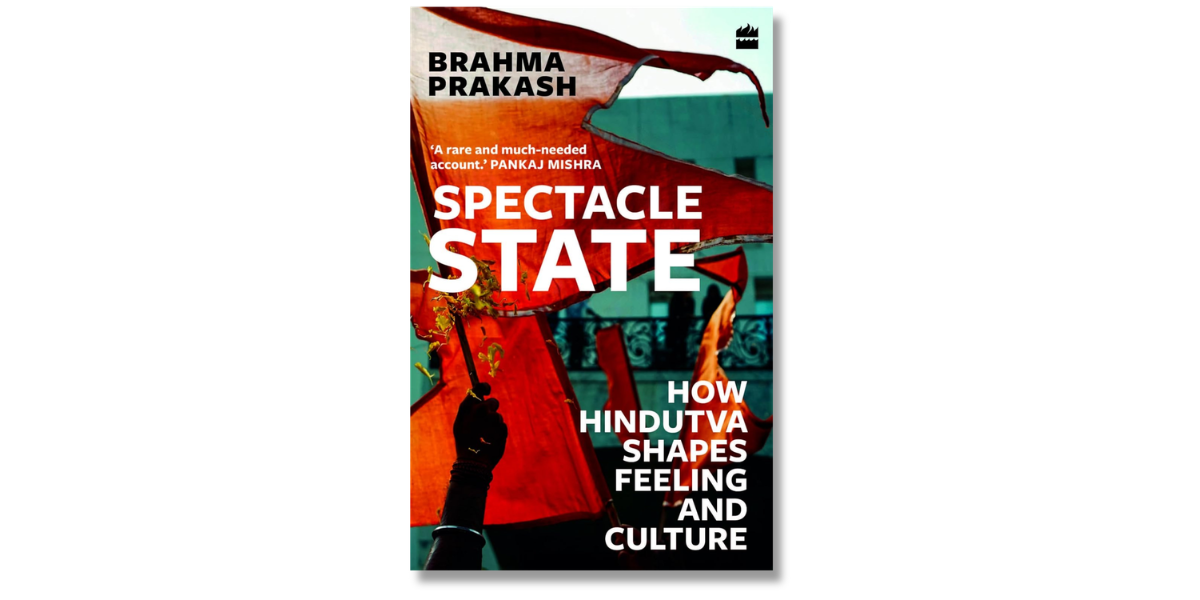
Majoritarianism in today’s India marches, roars and puts itself on display. In Spectacle State: How Hindutva Shapes Feeling and Culture (HarperCollins India, July 2026), the scholar and cultural theorist Brahma Prakash examines how Hindutva permeates everyday life through religious processions, street performances, music and festivals. Moving beyond ideology, the book traces how fear, pride, anger and piety are produced and circulated as spectacle – and how violence can take the form of celebration or devotion.
Also published recently, Kunal Purohit’s H-Pop: The Secretive World of Hindutva Pop Stars (HarperCollins India, November 2023) investigates another realm where Hindutva becomes popular culture. Travelling across India, Purohit profiles the singers, poets and influencers whose work brings Hindutva – and often Islamophobia and anti-minority hate – into the cultural mainstream, asking who produces and funds it, who consumes it and why.
🎧 From the Himal Podcast archives: Kunal Purohit and Akshaya Mukul join Harsh Mander on Saffron Siege to trace Hindutva’s propaganda machinery and its evolving influence on Indian popular culture.
Bata comes to Bengal
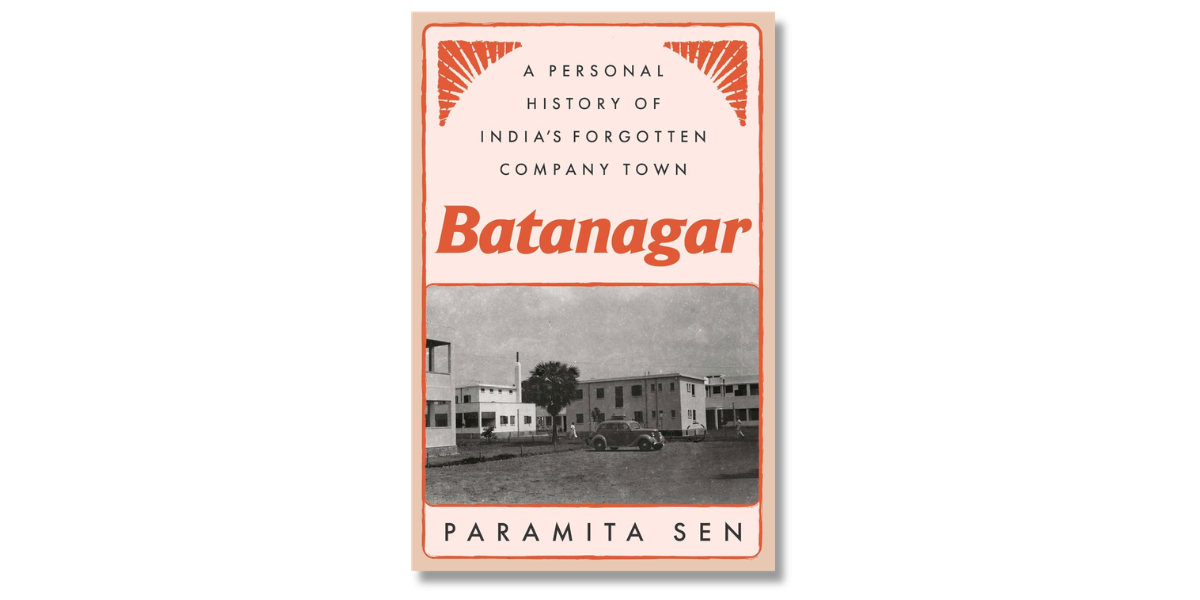
In Batanagar: A Personal History of India’s Forgotten Company Town (Pan Macmillan, July 2026), Paramita Sen tells the story of the Czech shoe company Bata’s unlikely home near Kolkata. Founded in 1934, Batanagar grew into a cosmopolitan company town and a testing ground for Bata’s innovations in India. Weaving memories of her childhood there in the 1970s and 1980s with a wider history spanning the Bengal famine, independence and the Naxalbari movement, Sen traces the rise and decline of a town once imagined as a “monument to international understanding and collaboration.”
A Tibetan struggle for justice

Originally written in Tibetan by Nyima Lhamo Drongtatsang, No Tongues in Their Mouths: Allegations of Assassination in Tenzin Delek Rinpoche’s Death (Tibetan Centre for Human Rights and Democracy, July 2026) reaches English-language readers in a new translation by Bhuchung D Sonam. Nyima Lhamo recounts the persecution of her uncle, the influential Tibetan Buddhist leader Tenzin Delek Rinpoche, who died in a Chinese prison in 2015 after 13 years in custody. The book traces the charges and imprisonment that preceded his death, alongside Nyima Lhamo’s own journey into exile and her subsequent campaign for justice.
📖 From the Himal archives: Palden Gyal examines the predicament of Tibetan intellectuals and activists under Chinese rule – and the choices they face between speaking out, adapting and refusing intellectual work altogether.
India’s Parliament through the decades
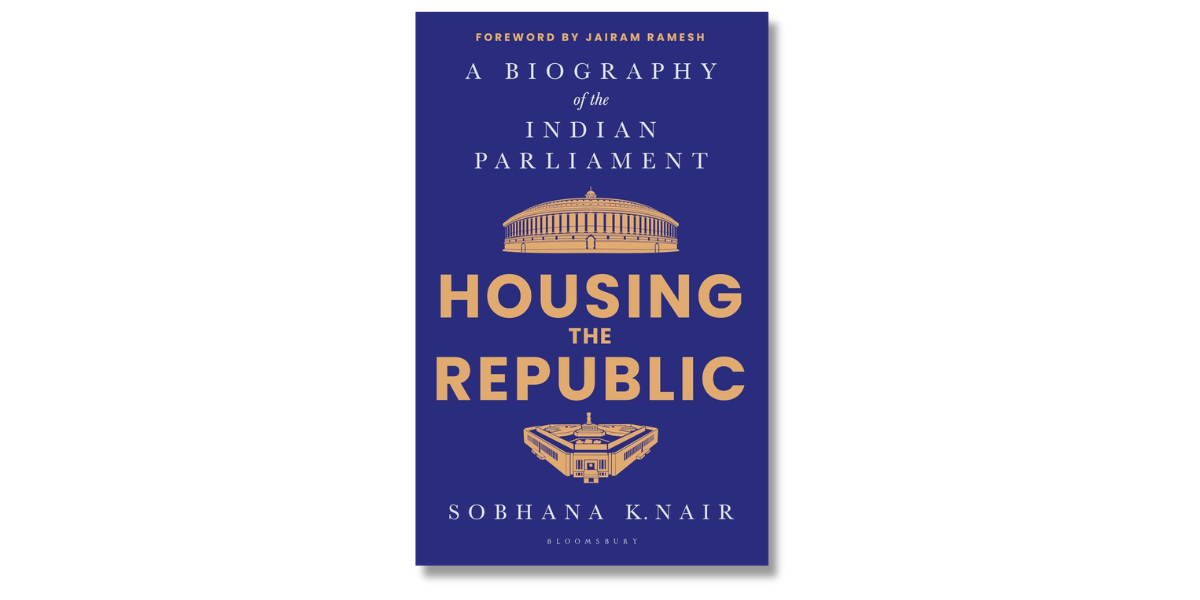
In Housing the Republic: A Biography of the Indian Parliament (Bloomsbury Publishing, July 2026), Sobhana K Nair tells the story of India’s Parliament House, from the approval of its designs in 1919 to the opening of the new building in 2023. Moving through nine decades of parliamentary life, Nair revisits the debates and political turning points that unfolded within its walls, while tracing the transformation of modern Delhi around it, and approaching Parliament as a witness to India’s changing democracy.
The everyday work of gender
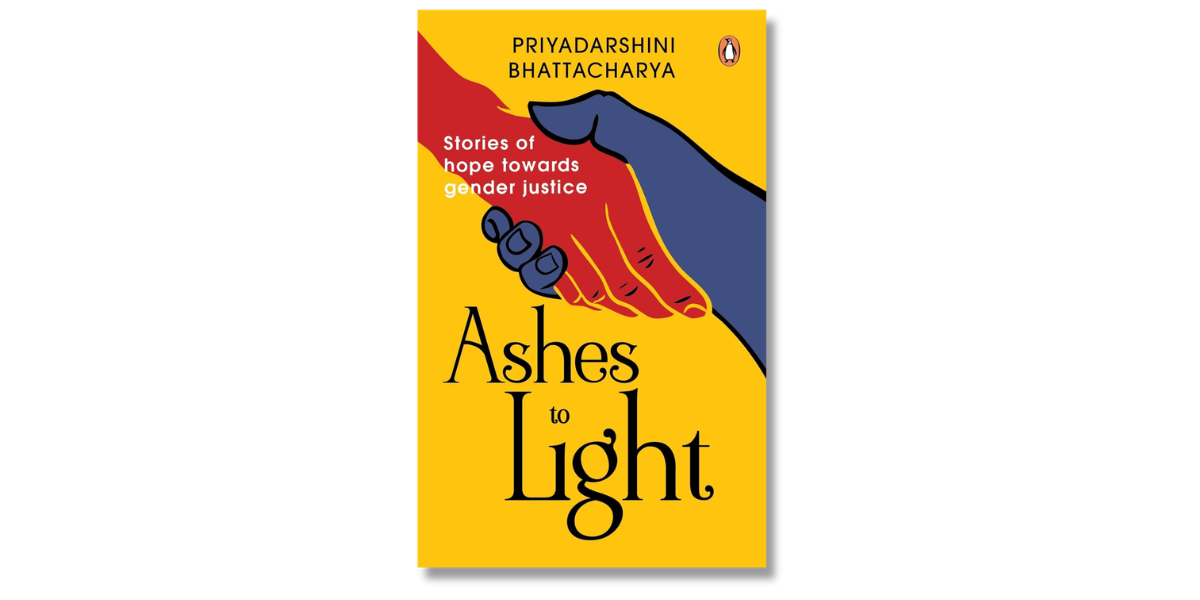
Edited by Priyadarshini Bhattacharya, Ashes to Light: Stories of Hope Towards Gender Justice (Penguin India, July 2026) brings together personal essays examining how gender shapes everyday lives, institutions and relationships. Contributors span culture, politics, law, academia, sport and media, including the filmmaker Deepa Mehta on gender and creative choice, the actor Rahul Bose on India’s women’s rugby team, and the former chief justice D Y Chandrachud on the feminist origins of family law in India.
Thinking through art
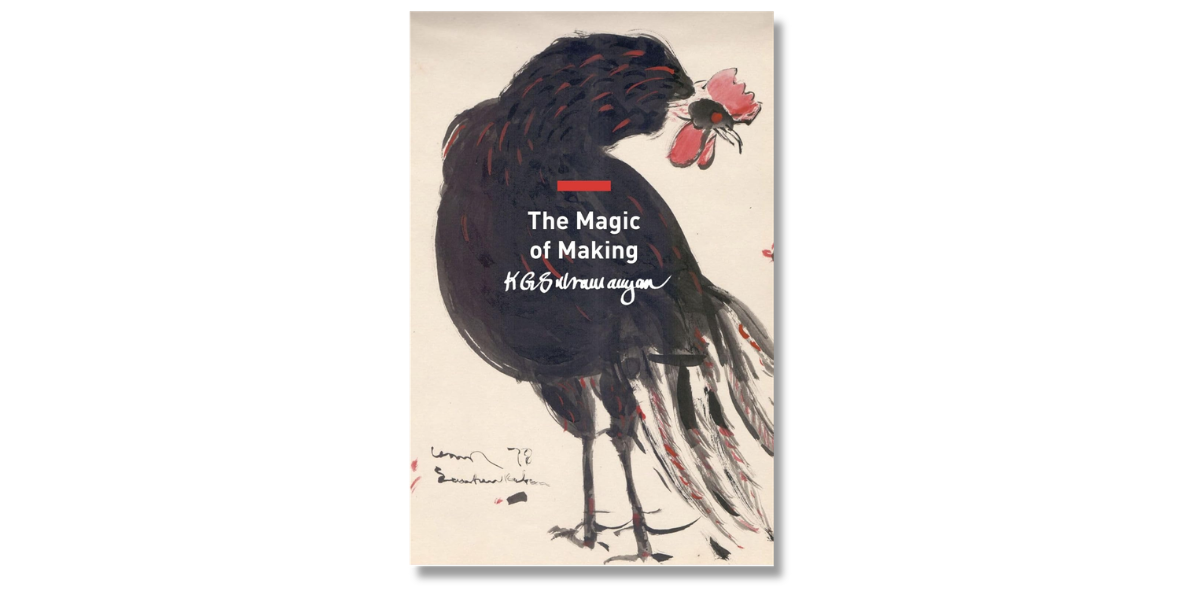
The artist K G Subramanyan, a defining figure in post-Independence Indian art, spent decades thinking and writing about the world in relation to his practice. The Magic of Making: Essays on Art and Culture (Seagull Books, July 2026) brings together essays written over 25 years on art, visual perception, creativity, craft and tradition. Subramanyan also considers how globalisation, industrialisation, environmental degradation and inequality have reshaped art and society. Published in his centenary year, the collection is part of Seagull Books’ new editions of his writings.
The many lives of Chand Bibi
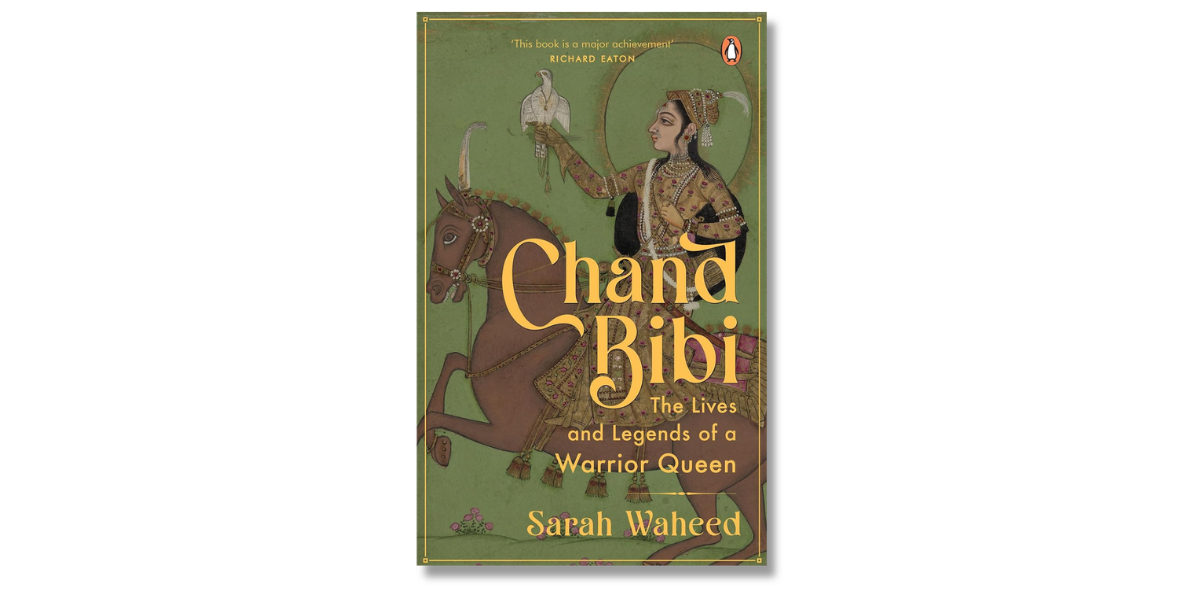
The ruler, military strategist and diplomat Chand Bibi defended the Deccan against the Mughal Empire under Akbar more than four centuries ago. In Chand Bibi: The Lives and Legends of a Warrior Queen (Penguin India, July 2026), the historian Sarah Waheed reconstructs the world of palace intrigue, warfare, poetry and politics that shaped Chand Bibi’s life in medieval India. Interweaving this history with her own journey through archives, forts and Sufi shrines, Waheed traces the legends and contested memories through which the warrior queen has endured.