This is Southasia Weekly, your regular update on the latest from Himal and across the region. If you only read one email from us all week, this should be it.
At Himal Southasian, we recognise that Southasia has always been ground zero of the climate crisis. We bring you people-driven stories on natural disasters, sustainable development and the environment. Become a Patron today to support independent journalism on Southasia, from Southasia.
At the start of this week, I wrote to Himal’s newsletter subscribers about my excitement over a new investigation on Nepal we were preparing to publish in a few days. Of course that plan didn’t work out – because nature had other, deeply tragic plans instead.
By now you must have seen some footage of the flash flood that on Wednesday morning hit the Bhotekoshi River valley, along and near Nepal’s border with Tibet. As I write the death toll has just crossed 500, and it’ll climb even higher by the time you read this. The economic damage, when tallied, will be immense – all the more so in relative terms for a poor country like Nepal. The News Dive below will update you on the latest information. Here I’ll try to put this unfathomable disaster into some sort of perspective.
I’m in Kathmandu, a good distance from the damage. But the shock has been great enough to hit everyone here and spread far across Nepal. For Nepalis who live in the mountains, as very many do, floods and landslides are a fact of life and a source of ingrained dread. Every recent monsoon has brought destruction at a rising scale and regularity that experts have attributed to climate change. But nothing prepared Nepal for this.
The journalist Arjun Poudel, in the Kathmandu Post, has written about the flood taking his whole village in an instant. “I couldn’t make myself believe it,” he says. “Sole and Tupche sit nearly a hundred metres above the riverbed. No flood in living memory – in centuries, as far as anyone knew – had ever reached that high.”
I’ve visited this part of the country many times, and somehow knowing the immense scale of this landscape only makes the scale of the flood more unfathomable. Years ago I saw a flash flood up close in the mountains on a small stream, and I still struggle to believe that a gentle flow could so quickly become a raging torrent many metres high. It felt like a giant, otherworldly beast – a dragon – come down to earth to devour it. This flood was on a river many magnitudes bigger, and the beast that descended on Wednesday was proportionately colossal. It has been called a Himalayan tsunami, and that seems right.
In light of the tragedy, we’re holding off on publishing our upcoming investigation. We will have it out soon and make sure to let you know when it’s up.
|
Roman Gautam Editor Himal Southasian |

|
Here’s what Himal published this week:
POLITICS
The Cockroach Janta Party’s caste blind-spot
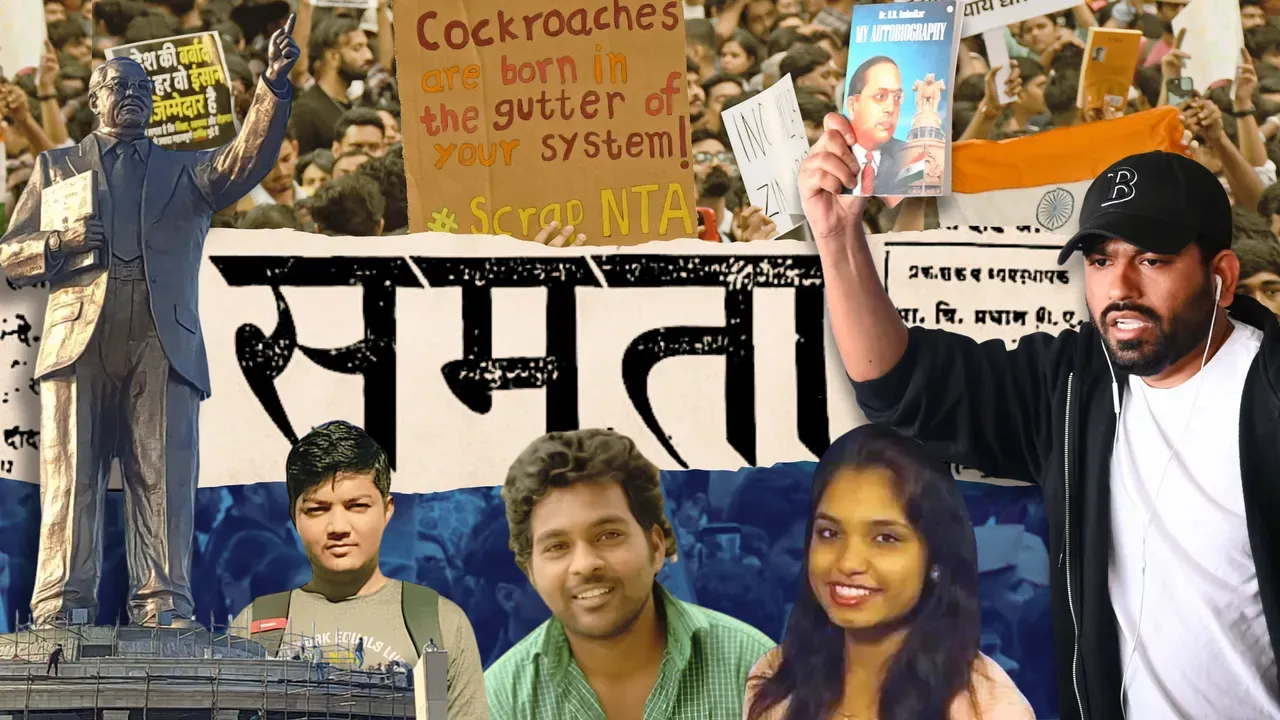
In the wake of the CJP protests in India, Ankush Pal writes about the emergence of the Reservation Hatao Andolan (Remove Reservations Movement) and what it reveals about caste and inequality in Indian education.
This month, for Screen Southasia, we’re screening The Nine Months by Merajur Rahman Baruah, which follows a theatre company of actors, musicians, drivers, cooks and support staff as they perform for nine months across nearly 70 locations, exploring the history, aesthetics, and cultural significance of mobile theatre in Assam in the process.
Here’s what happened in Southasia this week:
NEWS DIVE
Devastating Nepal-Tibet flash flood
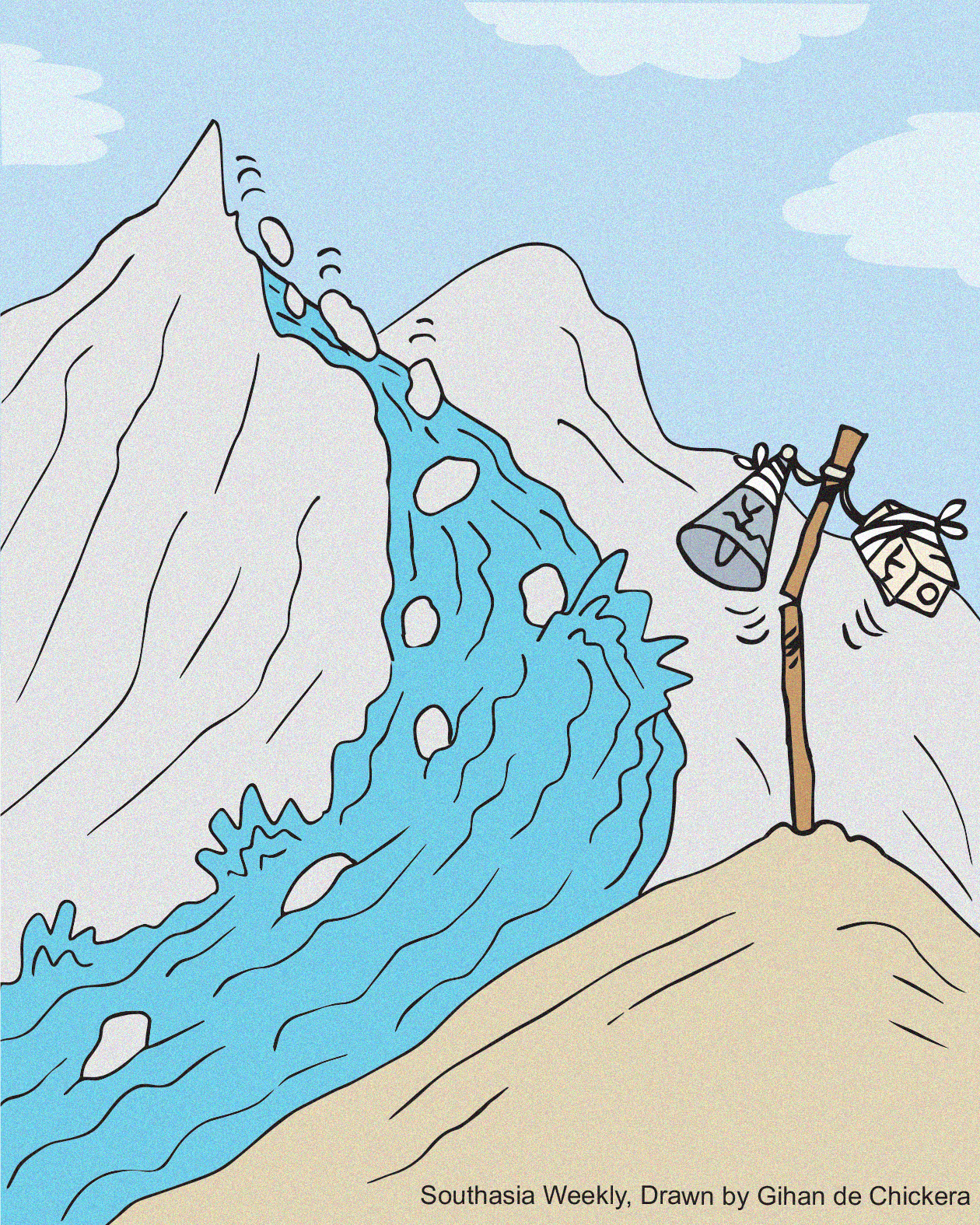
On 26 August, a flash flood along the Nepal-Tibet border and into northern Nepal caused widespread devastation and loss of life. As of 28 August, more than 500 are known to have died in Nepal, with more than 900 missing. China’s state media reported at least three people dead and 558 missing from Tibet’s Gyirong County. On 27 August, Chinese state media reported the formation of a significant new barrier lake upriver, and reports on 28 August of it breaching have raised fears of further destruction.
Eyewitnesses from Nepal’s Rasuwa Municipality said they saw a wave “nearly 100 metres high” sweeping away people, animals and infrastructure. Nepal’s National Disaster Risk Reduction and Management Authority and US Geological Survey data attributed the flood to a glacial collapse. The disaster is already being described as among the deadliest in Nepal’s modern history, and the country's worst disaster since major earthquakes in 2015.
The disaster has sparked discussion on the importance of cross-border disaster management. Authorities said a lack of advance information about the flash flood contributed to the high death toll and loss in Nepal. In 2019, Nepal and China signed a memorandum of understanding on disaster-risk reduction and emergency response, which included information-sharing. Yet SMS warnings were sent out to communities along the riverbank in Nepal only about 16 minutes after the flood had crossed the Nepal-Tibet border, partly because automatic flood-monitoring stations installed in the upper reaches of the Bhotekoshi River were also swept away by the flood.
Become a paying supporter of Himal and help build more informed coverage on Southasia, from Southasia.
ELSEWHERE IN SOUTHASIA
- Fourteen infants killed in fire at gynaecology ward of the Pakistan Institute of Medical Sciences on 26 August due to spark from airconditioning, witnesses report locked doors, and delayed rescue teams, Punjab chief minister calls for healthcare facilities audit
- India government employees recruited under prime minister’s rehabilitation package for Kashmir Pandits call for protection after receiving threat letter from militant group United Liberation Council
- The Maldives’s parliament approves amendment to Foreign Currency Act requiring 40 percent revenue generated in foreign currency to be exchanged in banks every month, president Mohamed Muizzu’s tourism adviser Mohamed Kaleel resigns over the amendment
- Fresh communal violence erupts in Manipur after Nagas and Meiteis demand National Register of Citizens before census, Kuki-Zo council rejects demand it terms based on “falsehoods and propaganda”
- Bangladesh prime minister Tarique Rahman’s first trip to India put on hold due to Sheikh Hasina’s 5 August press conference, highlighting continued strained ties between the two countries
- Rohingya refugees mark nine years since expulsion from Myanmar in Cox’s bazar camps, renew calls for justice, citizenship and safe return to Myanmar
- Sexual assault and murder of three year old in Nepal’s Bara district sparks protests, toddler’s parents reject deal by local authorities and political leaders
- Sri Lanka police forcefully drag away Tamil families of the disappeared protesting outside an event organised by the Office of Missing Persons to mark the upcoming International Day of the Victims of Enforced Disappearances
- Taliban spokesperson denies International Crisis Group report flagging security incidents, challenge to Taliban control in northeast Badakshan province in Afghanistan, says situation brought under control in 24 hours
- Bangladesh’s State Minister for Foreign Affairs Humaiun Kobir says the country may consider joining Mecca pact mutual defence agreement between Pakistan, Türkiye and Saudi Arabia
FROM THE ARCHIVE
Revisit archival stories from Himal that add more context and insight to this week’s news updates from Nepal, India, Myanmar and Bangladesh:
 Eileen McDougall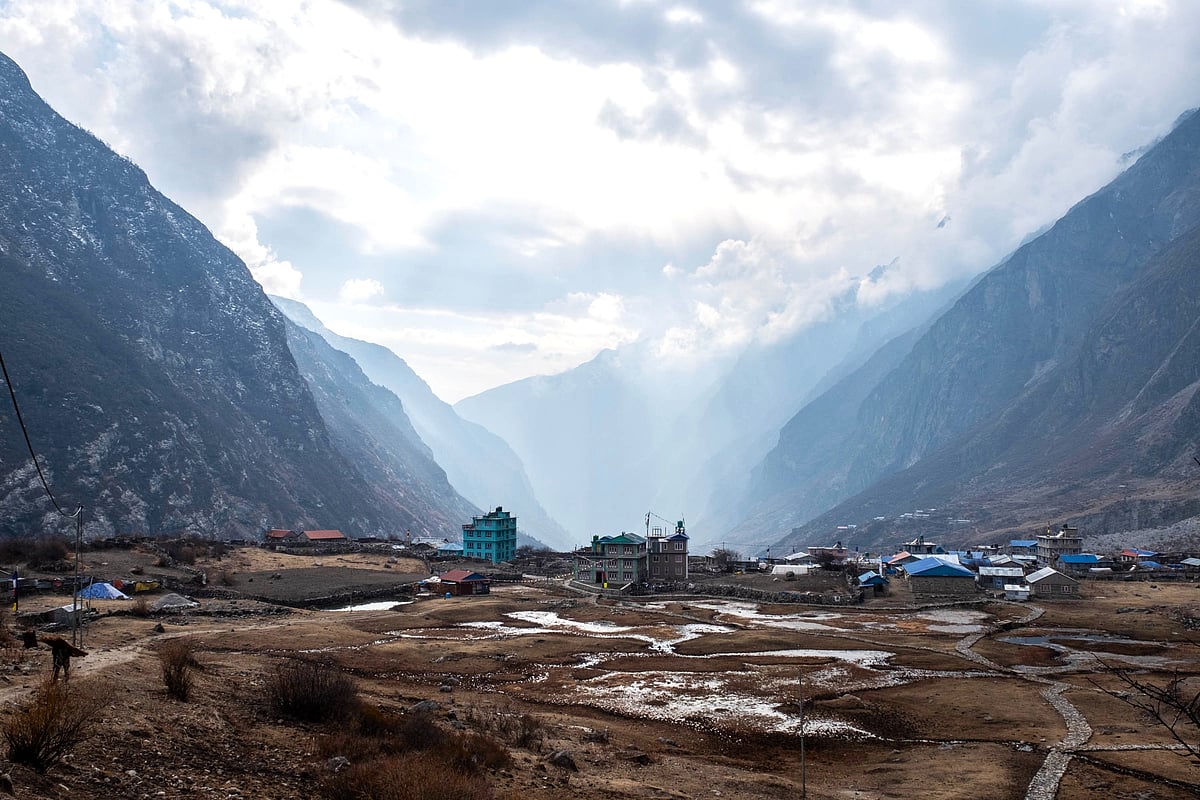
 Maknoon Wani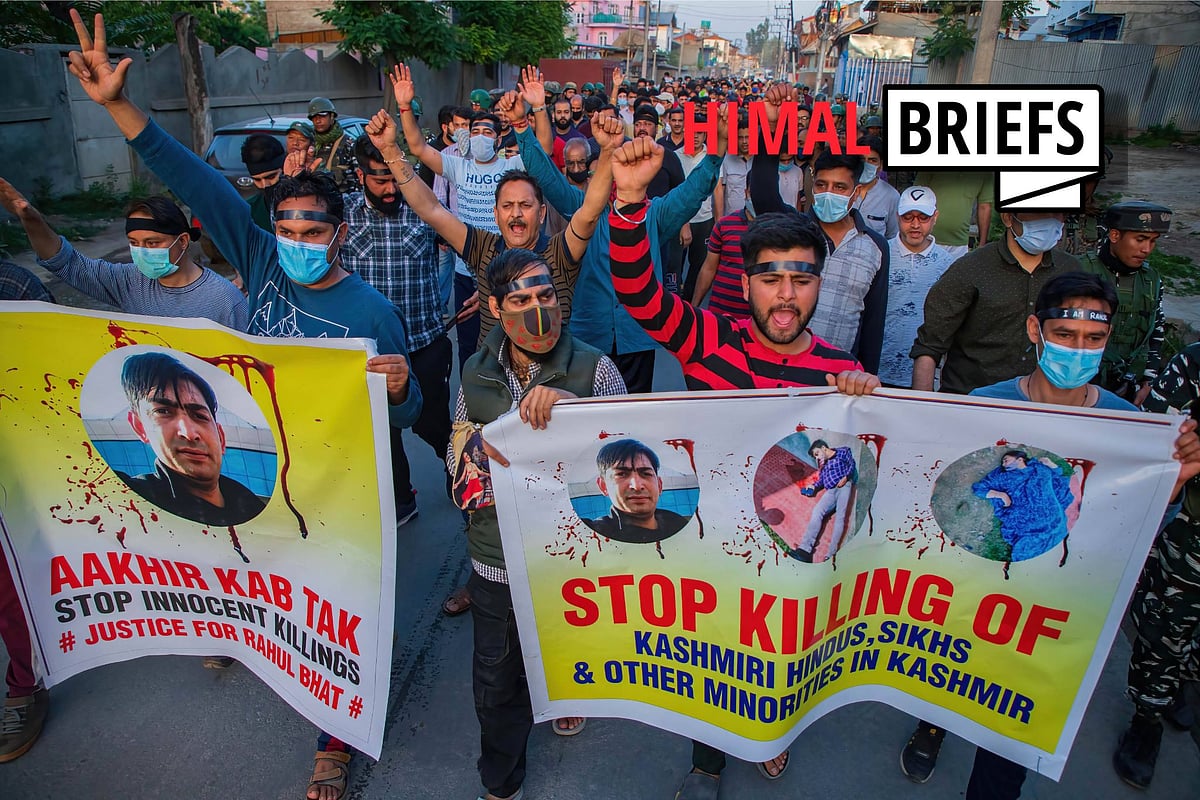
 Kamal Ahmed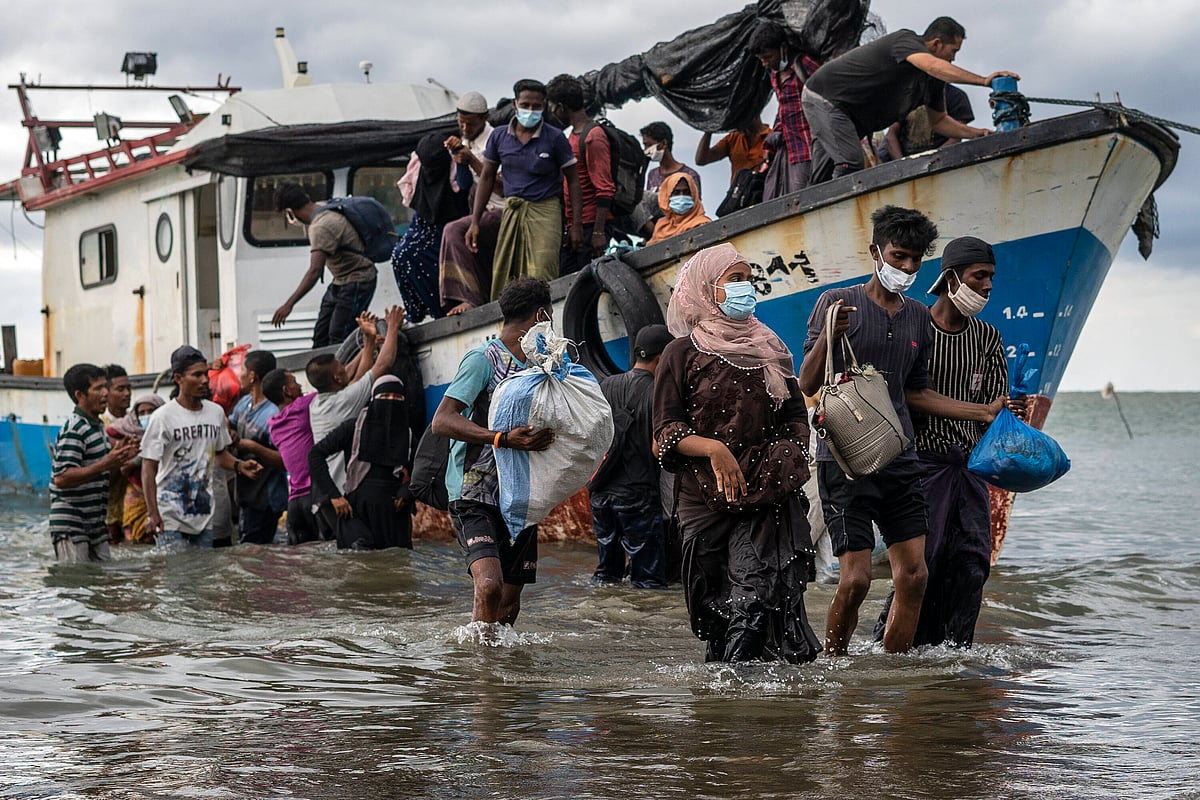
SNAP SOUTHASIA

@ryaskov_ivan