This is Southasia Weekly, your regular update on the latest from Himal and across the region. If you only read one email from us all week, this should be it.
Eight months after its sweeping victory in the March 2026 general elections, Nepal’s ruling Rastriya Swatantra Party is facing its biggest scandal yet, with allegations reaching into the judiciary, the police and the prime minister’s office.
The corruption and impunity of an entrenched political class were among the central grievances that brought young Nepalis onto the streets in September 2025. The RSP came to power promising transparency and accountability, looking to set itself apart from the old guard. But the current scandal – centred around a Supreme Court judge and a ‘fixer’ looking for a favourable ruling for a controversial businessman while citing the prime minister’s wishes – suggests that the old political culture may still be intact.
K P Sharma Oli, ousted in the 2025 protests, presided over a government that routinely used the Electronic Transactions Act to detain journalists, comedians and other critics. Allegations that Prime Minister Balendra Shah’s chief adviser, Kumar Byanjankar – widely known as ‘Kumar Ben’ – was behind last week’s detention of journalists who reported on the brewing scandal suggest that the RSP may be resorting to similar tactics.
Kumar Ben’s name has come up in the scandal in other ways too, from holding on to the alleged fixer’s phone after the latter was taken into custody, to reports linking him to the police chief’s removal. Claims of shadowy dealings and possible corruption within the RSP government – with Ben at the centre of it all – raise uncomfortable questions about power being exercised through opaque networks rather than accountable institutions. Ben, in an unelected position, is emerging as a key power broker of the new order, suggesting that beneath the promise of political change, Nepal’s familiar patterns of informal influence and backroom deal-making persist.
We bring you the inside story from Nepal – and all of Southasia – free from corporate or government manipulation. That’s where you, our readers come in. Our work takes time and resources – and we need your support to keep going.
|
Abha Lal Assistant Editor Himal Southasian |
|
This week from Himal:
POLITICS
The Deh-Mehri massacre and the Taliban’s cover up of anti-Shia violence
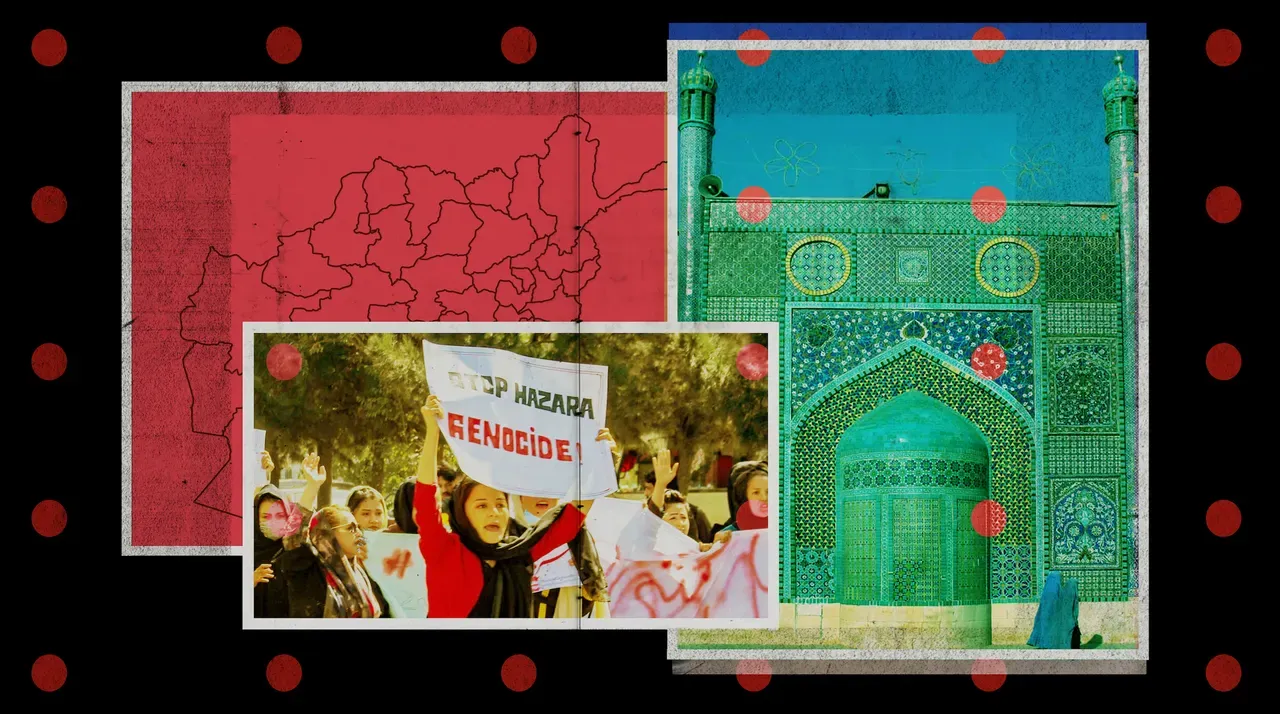
On 10 April, four gunmen attacked a Shia shrine just 20 minutes from Herat in Afghanistan. Zan Times, a woman-led investigative newsroom covering human rights in Afghanistan, reports on the broader targeting of Shias in Afghanistan, and the Taliban’s efforts to cover up sectarian violence.

Here’s what happened in Southasia this week:
NEWS DIVE
Corruption scandal rocks Nepal’s judiciary and Balendra Shah-led government
On 29 October, news reports detailed a leaked WhatsApp exchange between Nepal Supreme Court Justice Hari Prasad Phuyal and an intermediary named Inam Sapkota, with revelations that have raised serious questions about Nepal's governance. The WhatsApp messages show Sapkota asking Phuyal to dismiss a habeas corpus petition from Rohit Gupta, a businessman facing money-laundering charges, so that he remained in custody, noting that prime minister Balendra Shah had an interest in the case. Phuyal later responded and proposed meeting Sapkota at a hotel, raising questions about why a sitting judge was meeting a third party on a pending court case.
Further examination of Sapkota’s devices showed conversations with serving and former judges, police officials and lawmakers, leading investigators to believe that Sapkota was acting as a “fixer”, including for favourable outcomes in court cases.
While media coverage has focused on Sapkota, the rot in this case goes deeper, particularly after news has emerged that the prime minister’s own political adviser, Kumar Byanjanker attempted to withhold access to Sapkota’s phone, only handing it over to police after 48 hours. Though Byanjanker has attempted to distance himself from Sapkota, the scandal has now exposed Shah himself. If Sapkota’s messages are to be taken at face value, they expose deep institutional rot involving not just Nepal’s judiciary but also the government, elected into power after protests calling for an end to nepotism and corruption.
ELSEWHERE IN SOUTHASIA
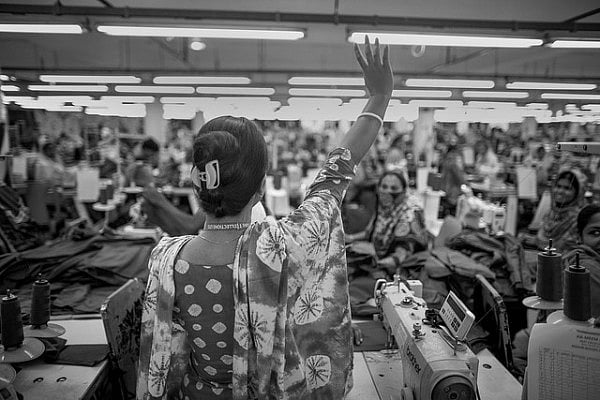
- Garment workers in Bangladesh stage protests across major industrial hubs, demanding a monthly minimum wage of BDT 30,000. Clashes with police have left one worker dead, injured several others and led to arrests, while hundreds of factories have suspended operations. The government has formed a wage board to review pay, with a revised structure expected in December.
- The Delhi Police asks X to remove the accounts of digital rights organisations Internet Freedom Foundation (IFF), Software Freedom Law Center (SFLC) and GeoBlockedIndia, along with 37 posts by the groups and other users, over alleged defamation of the Rashtriya Swayamsevak Sangh (RSS); the organisations say notices threaten their work documenting online censorship and violate freedom of expression.
- US Secretary of State Marco Rubio says Washington is open to playing a “productive role” in easing tensions between Pakistan and Afghanistan, as Islamabad accuses the Afghan Taliban of failing to curb the Tehreek-e-Taliban Pakistan and other militant groups operating from Afghan soil.
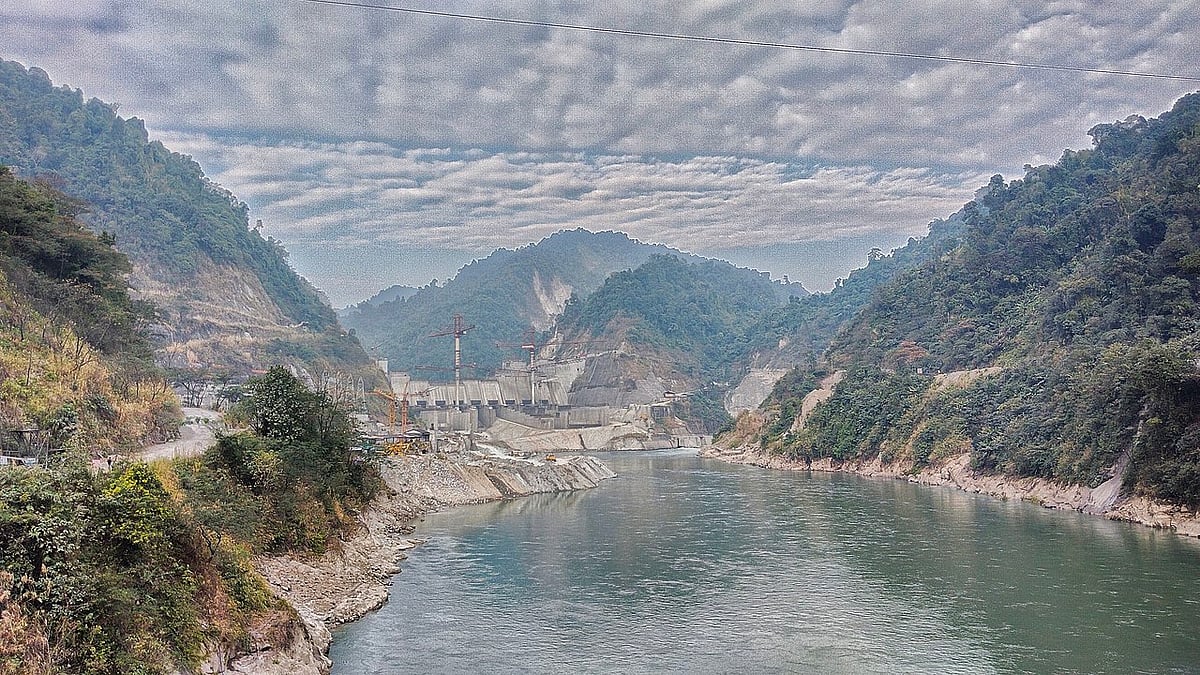
- Protests against proposed hydropower projects are spreading across India’s Northeast, with communities in Assam and Meghalaya opposing 55-MW dam on Kulsi river that could submerge at least 10 villages, displace farming communities and threaten a key habitat of the endangered Gangetic river dolphin, with civil groups questioning the lack of public consent and independent environmental assessment.
- The Ladakh administration directs the Himalayan Institute of Alternatives, founded by climate activist Sonam Wangchuk, to halt activities at its school in Leh until the Jammu and Kashmir and Ladakh High Court rules on a pending land-allotment case.
- Gautam Adani’s conglomerate and Indian news website OpIndia feature in Reporters Without Borders’ (RSF) 2026 Press Freedom Predators List, alongside US President Donald Trump, among 33 individuals and organisations accused of targeting journalists and media outlets; RSF identifies the Adani Group’s use of legal proceedings against journalists as a form of judicial harassment, while OpIndia is cited for fuelling online attacks against independent media.
- The opposition Maldivian Democratic Party has passed a resolution demanding a public referendum on the government’s proposed waterfront and marina project in Rasmalé, which would allocate 500 hectares of reclaimed land to UAE-based developer Eagle Hills for 99 years, and has threatened direct action if the government fails to hold a public vote.
- The opposition INDIA bloc holds symbolic public “impeachment” of Chief Election Commissioner Gyanesh Kumar in New Delhi, due to alleged manipulation of electoral processes and acting at the behest of the BJP-led government; people’s tribunal indicts the Delhi Police and paramilitary forces for using excessive and disproportionate force against Indian students during a 20 July march to Parliament, calls for reforms in protest policing and greater accountability from security forces.
FROM THE ARCHIVE
Revisit archival stories from Himal that add more context and insight to this week’s news updates from Nepal, Bangladesh and India:
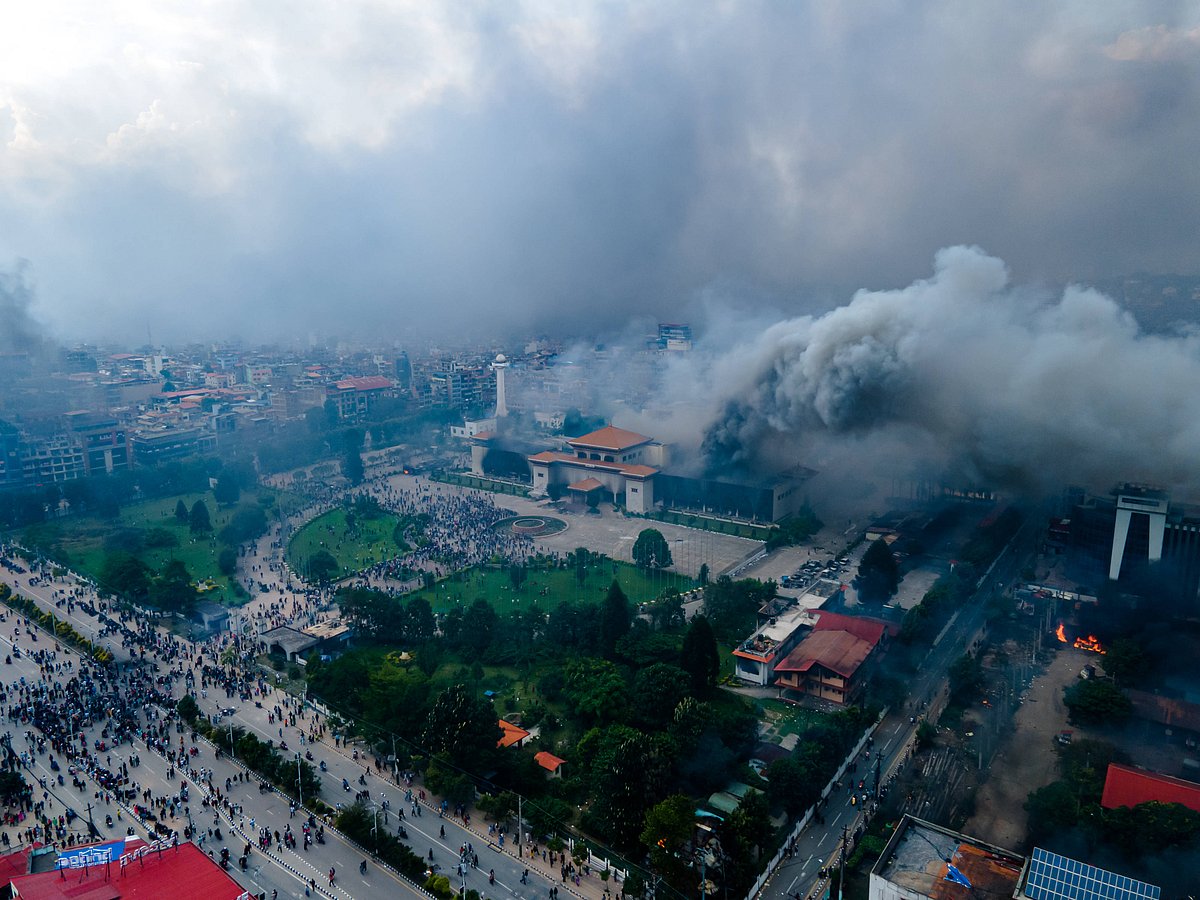
 Roman Gautam
 Sushmita S Preetha
 Tamara Fernando
SNAP SOUTHASIA
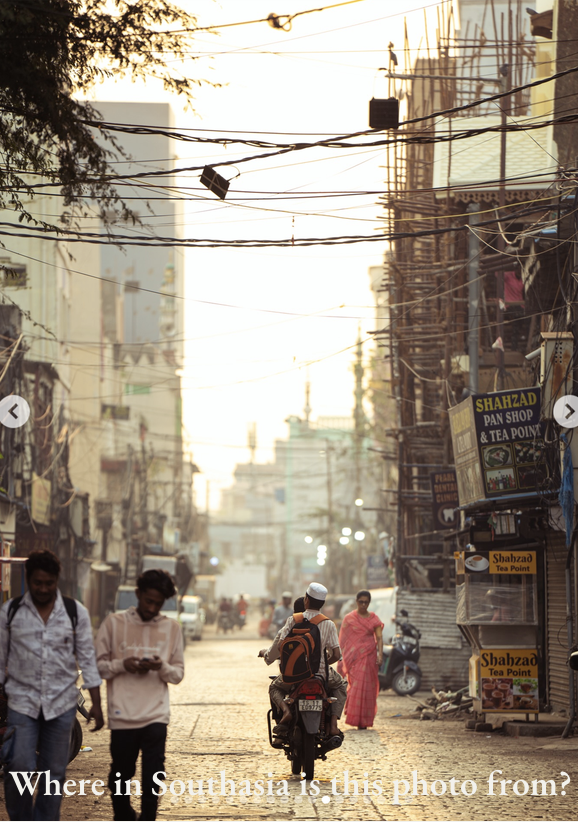
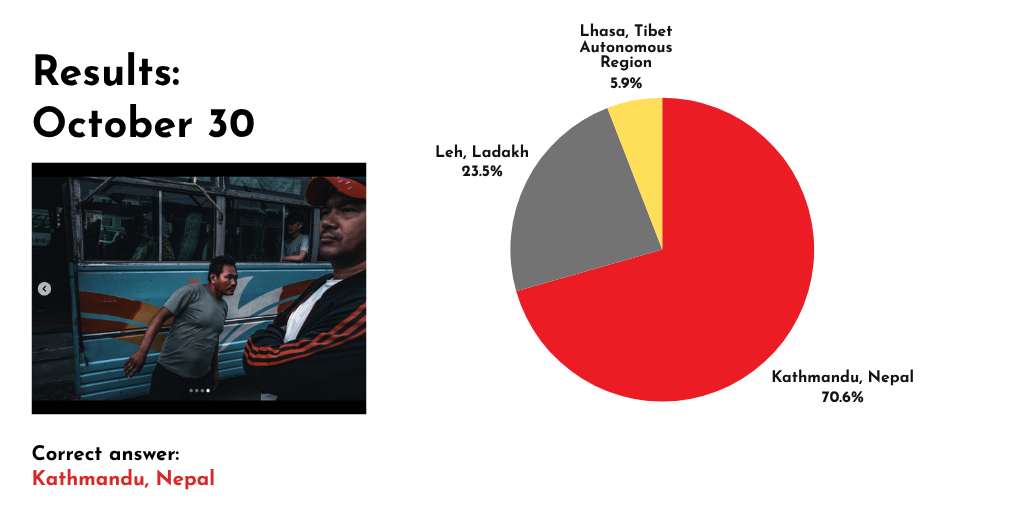
@frames.by._.me