This is Southasia Weekly, your regular update on the latest from Himal and across the region. If you only read one email from us all week, this should be it.
Himal’s in-depth journalism shows you Southasia like you’ve never seen it before. Become a Patron today to support our work!
When the Himal team gathered this Wednesday for our daily meeting, we realised that, without ever planning to, we had put together what might be called “White Saviour Week at Himal Southasian”. That was a joke, of course, but if you’ve already read the incredible investigative story by Erin Thompson that we published a few days ago you’ll know that it’s not far off the mark. Now we’ve published another incredible piece, an essay by Meena Saraswathi Seshu and Laxmi Murthy, that unpacks how Gloria Steinem’s crusade against sex work tainted the iconic feminist’s legacy in Southasia – and if you read that the same theme pops up again.
I say it was a joke because, particularly in Steinem’s case, that might be too blunt a judgment. As many tributes in the wake of Steinem’s death made clear, her ideas and activism made life better for many women across the world, Southasia included. Yet her impact was often complex, and perhaps nowhere more problematic in the Southasian context than when it came to her view of “prostitution” as “commercial rape”. Southasia’s sex workers have a lot to say on that themselves, as Meena and Laxmi make clear.
When it comes to Mary Slusser, a renowned US scholar of Nepal’s cultural heritage, Erin’s investigation exposes not just Slusser’s loot of sacred Nepali artefacts but also the condescension with which she viewed local worshippers, researchers and institutions. Slusser’s scholarship on Nepal opened paths and is still a touchstone for many, including in the country, but her determination to “rescue” precious Nepali artefacts by smuggling them to the United States will now be an inescapable part of her legacy.
Himal isn’t here to make your mind up for you – you’ll have to read the two pieces and do that for yourself. But what we are here to do is to put work like this before the world, with journalism on Southasia by Southasians. (And I should add that Himal defines “Southasian” not by narrow criteria of ethnicity or nationality; there are plenty of people – Erin is one – whose sympathies and sensibilities make them honorary Southasians in our book no matter where they come from.)
If you value what we do, become a Himal Patron today to keep the magazine going and growing. We can’t do work like this without you!
All best
|
Roman Gautam Editor Himal Southasian |
|
Here’s what Himal published this week:
CULTURE
Mary Slusser’s secret loot of Nepal’s sacred art and heritage
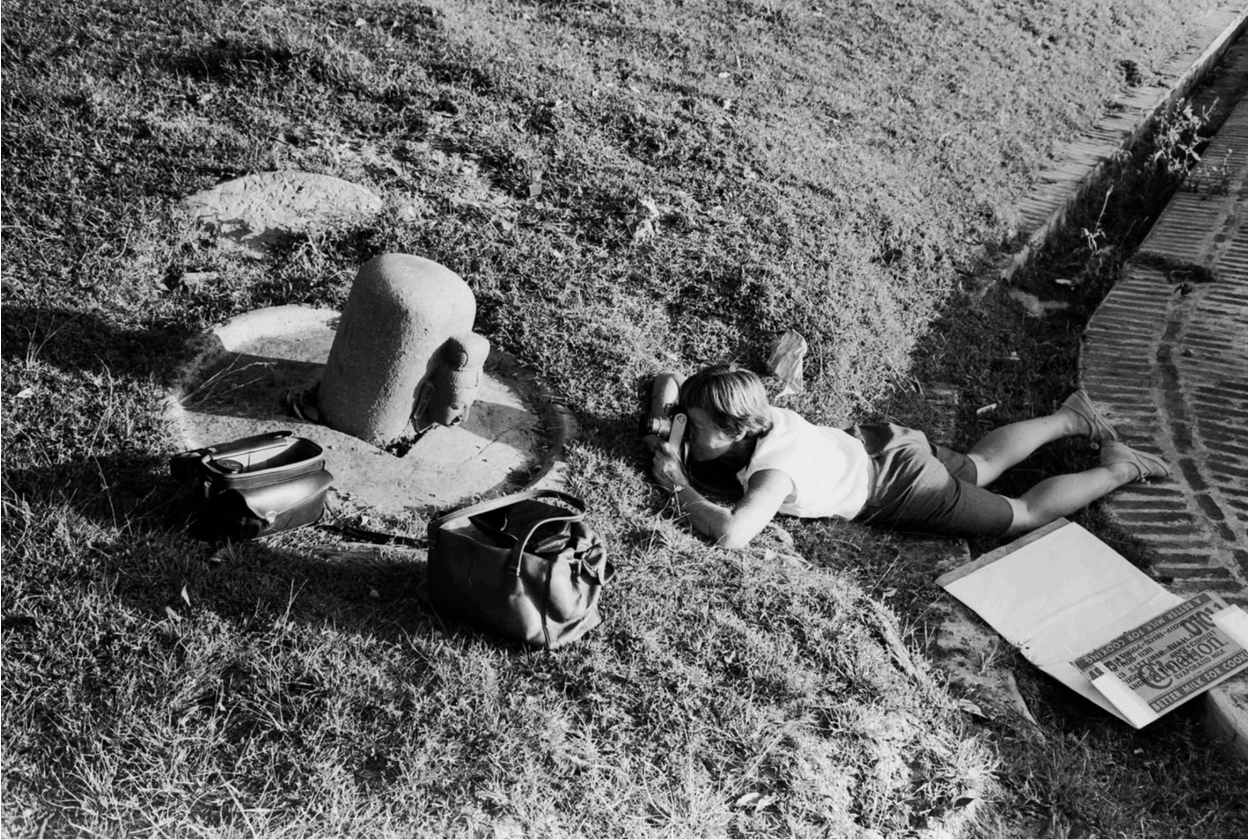
Erin L Thompson, a professor of art crime, exposes how the US scholar Mary Slusser made her name as an expert on Nepal’s cultural heritage while illicitly buying sacred artefacts and smuggling them out to the United States.
POLITICS
Gloria Steinem’s crusade against sex work taints her legacy in Southasia
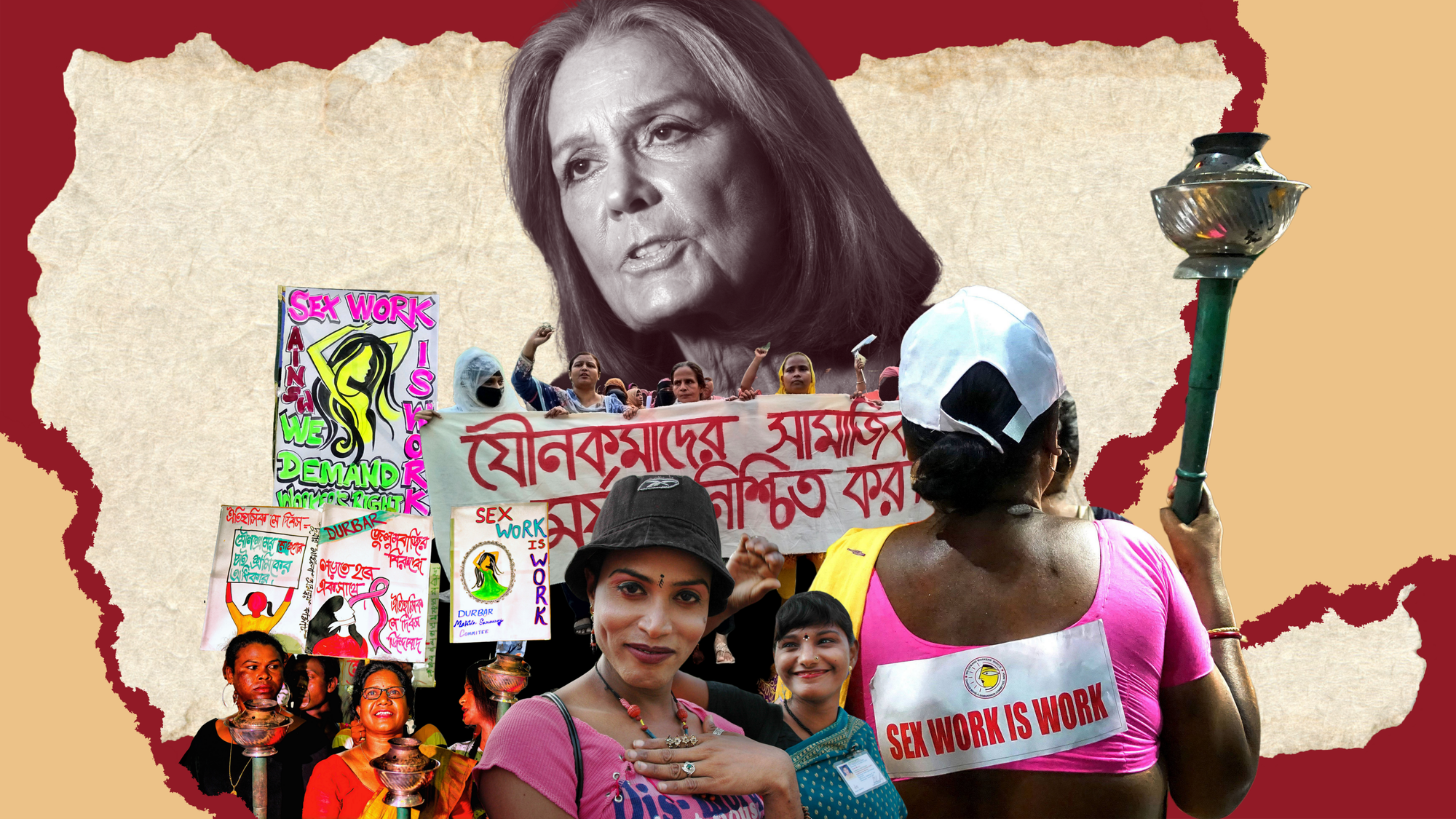
In the wake of Gloria Steinem’s death on 2 September, Meena Saraswathi Seshu and Laxmi Murthy write on how Southasian sex workers defied the iconic feminist’s view of “prostitution” as “commercial rape” – and built a movement for their own empowerment.
Here’s what happened in Southasia this week:
NEWS DIVE
What’s behind Bangladesh’s measles outbreak

On 17 September, public health authorities in Bangladesh reported that measles has claimed 1046 lives since mid-March, despite a mass vaccination campaign that successfully inoculated more than 19 million children. However, local media reported that around 4 million children were left out of the vaccination drive. A closer look at the data shows that actual measles vaccination coverage is closer to 77 percent, rather than the 103 percent initially claimed. Former officials from Bangladesh’s Institute of Epidemiology, Disease Control and Research said that the population estimates used might have been flawed, which resulted in underestimating the number of eligible children. National data may have masked local gaps in hard-to-reach areas. The Covid pandemic also disrupted vaccine rollout campaigns.
Political factors have also contributed to the outbreak. The July 2024 uprising that ousted Sheikh Hasina’s regime also disrupted Bangladesh’s immunisation programme, leading to delays in vaccine procurement, in part because the Muhammad Yunus-led interim government moved from a UNICEF procurement system to an open bidding process in order to improve transparency. This shift led to vaccine shortages in 2024 and 2025.
Now, hospitals have been overwhelmed, sometimes treating sick children on the floor due to a shortage of beds and running short of paediatric saline solution. Bangladesh’s immunisation campaign was once a success story, which makes the current situation all the more tragic.
ELSEWHERE IN SOUTHASIA
- The 2026 BRICS Summit, held in New Delhi, ends with a call for cooperation to safeguard global trade , supply chains, energy flows and maritime security amid wars in West Asia disrupting international commerce, while expressing firm opposition to the forced displacement of Palestinians but stops short of condemning the US-Israeli strikes or Iran’s attacks on Gulf countries, marks Xi Jinping’s first visit to India in seven years
- Pakistan and China operationalise a long-pending joint boundary commission to strengthen coordination on border management, trade, cross-border connectivity and related infrastructure, particularly under the China-Pakistan Economic Corridor (CPEC), while India rejects the commission as lacking legal basis
- Painting from reknowned Sri Lankan artist Ivan Peries, founder member of the pioneering modernist art collective 43 Group sells for USD 640,000 at the Christie’s South Asian Modern and Contemporary Art auction in New York
- Bangladesh’s government proposes amendments to Cyber Security Act that criminalise defamation and introduce prison terms and fines for “humiliation” and “bullying”
- Nepal’s Supreme Court issues an interim order that blocks two provisions of the House of Representatives Regulations that allowed constitutional amendments to be approved through a joint sitting, ruling that the required two-thirds majority must be secured separately in both the House of Representatives and the National Assembly
- News reports say Anant-Ambani run Vantara zoo has engaged UK lobbyists with strong ties to European pro-hunting organisations and the Trump administration even as CITES scrutinises the origins of some of Vantara’s animals
- Sri Lankan Buddhist monk and secretary of the Bodu Bala Sena Gnanasara Thero presents himself at Colombo High Court after he was initially reported missing following annulment of a presidential pardon forcing him to serve rest of a six year prison sentence
- India’s academic freedom remains “severely restricted” in the 2026 Free to Think report released by Scholars at Risk’s (SAR), which cites increasing government interference in universities and higher educational institutions, restrictions on student expression and protests, and severe crackdown on faculty and academic events
- The Maldives joins a Saudi-led maritime defence alliance with 13 other countries to safeguard freedom of navigation and protect trade and energy routes through the Bab el-Mandeb Strait, Red Sea and Gulf of Aden, after Parliament approved its membership last month
- The Institute of Chin Affairs reports that 1344 people were killed in Myanmar’s Chin State over five years following the 2021 military coup, including 644 civilians and 700 resistance fighters, with airstrikes the leading cause of civilian deaths
- Two Kuki-Zo women shot dead in Leisangphai village in Manipur’s Tamenglong district, days after four other civilians were killed nearby, prompting Kuki-Zo legislators and civil society groups to demand stronger security, an independent investigation and prosecution of those responsible; several groups have alleged the involvement of National Socialist Council of Nagaland - Isak - Muivah (NSCN-IM) and Zeliangrong United Front-Kamson faction (ZUF-K), though the claims remain under investigation
- Pitt Rivers museum in Oxford agrees to return human remains to the Naga people
FROM THE ARCHIVE
Revisit archival stories from Himal that add more context and insight to this week’s news updates from Bangladesh, Sri Lanka and India.
 Lahari Mahalanabish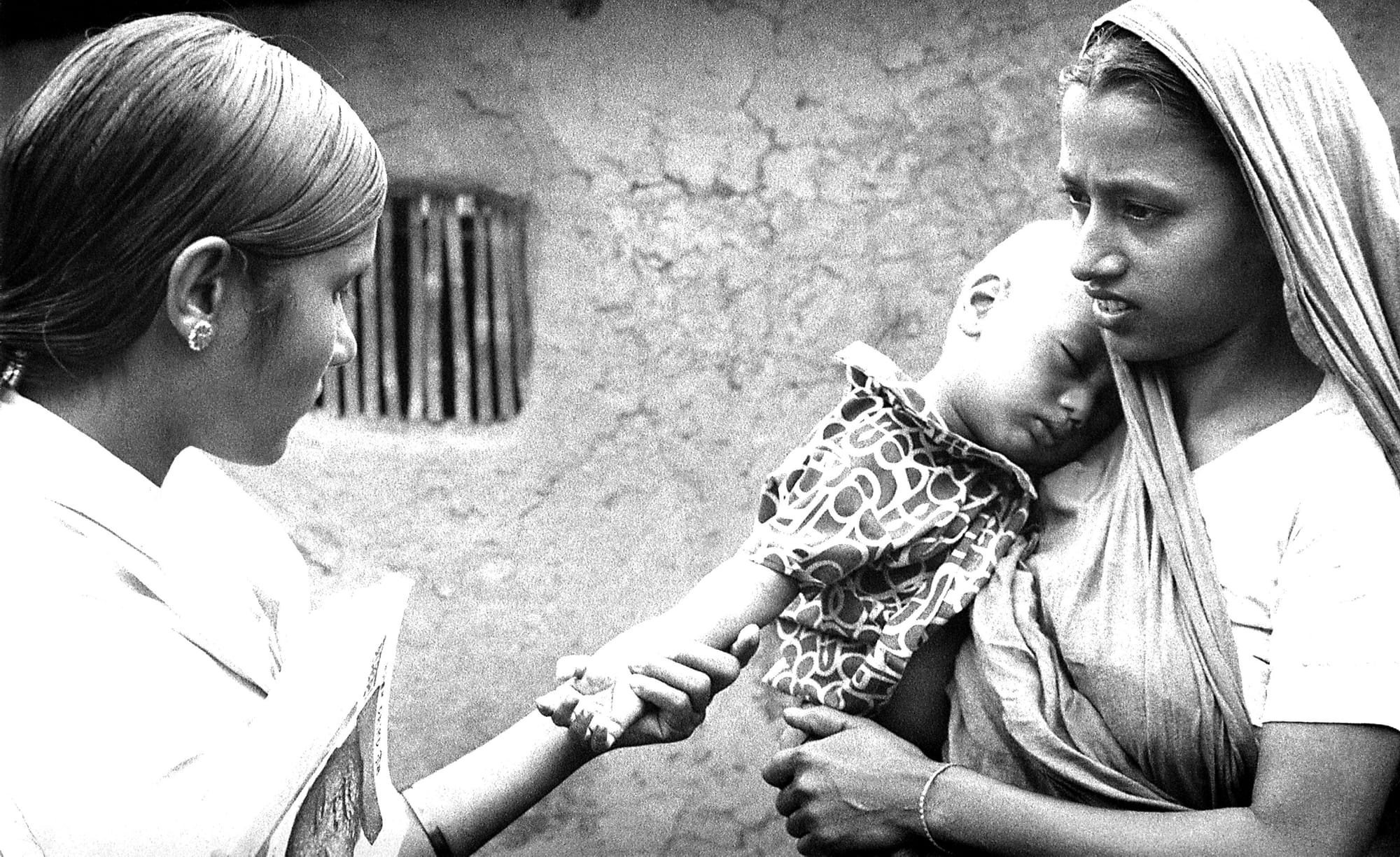
 Tisaranee Gunasekara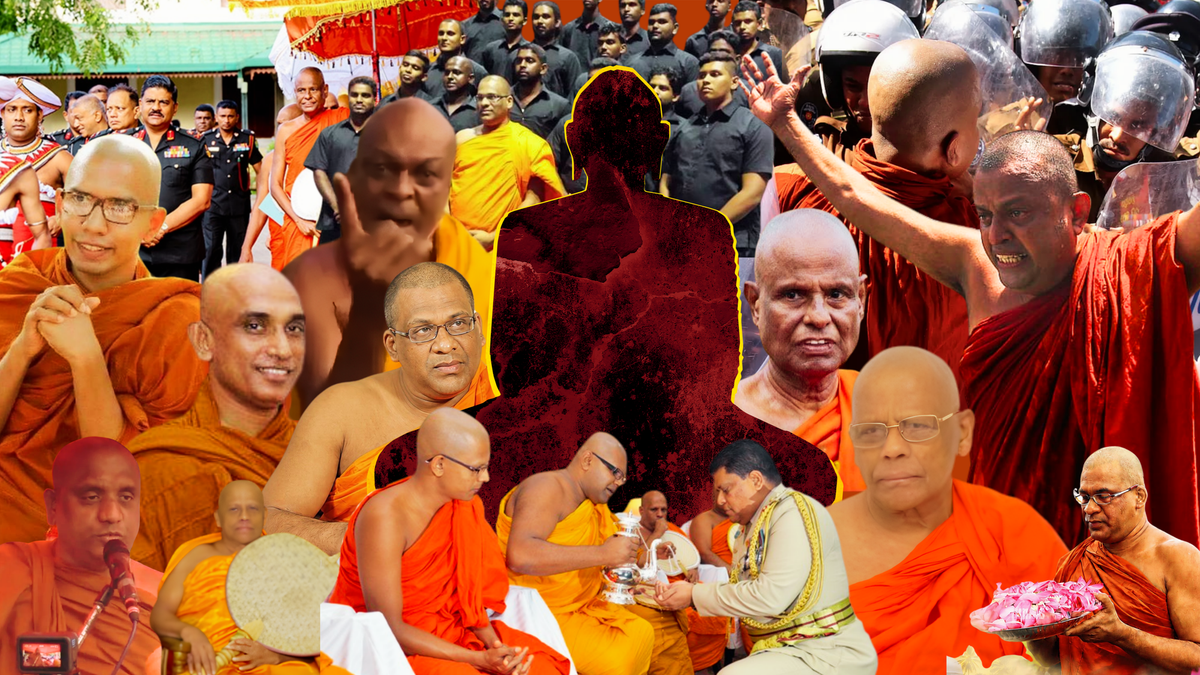
 M Rajshekhar
 Sayrat Salekin
SNAP SOUTHASIA
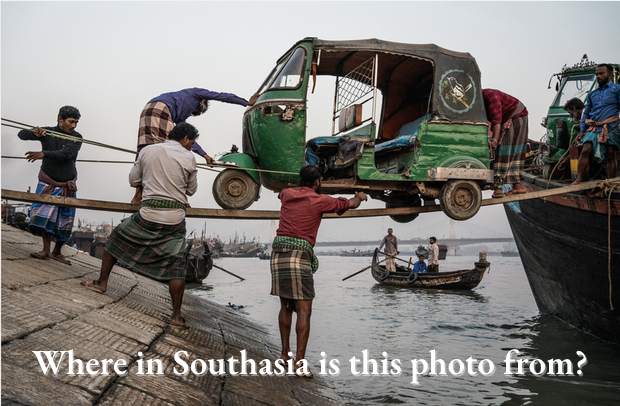
@jozef_macak_photo