This is Southasia Weekly, your regular update on the latest from Himal and across the region. If you only read one email from us all week, this should be it.
As I write this, there are protests in Malé over a proposed eco-city on the artificial island of Rasmalé, which will allow foreign investment and potentially, a pathway for foreigners to lease land and reside in the Maldives. I spoke to freelance journalist Mohamed Junayd, who told me that public criticism of the project has mostly focused on the chairman of the Abu Dhabi-based real estate firm Eagle Hills, who has made public statements about normalising ties between West Asia and Israel, raising fears that the project could open the door to Israelis leasing land in the Maldives and persecuting Maldivian citizens.
But Maldivians are also unhappy with the Muizzu government for a host of reasons. “There is the debt situation, the USD crunch, which has led to the raising of prices, since the Maldives relies a lot on imports,” Junayd explained.
Despite the public discontent, there are fewer Maldivians taking to the streets than in the past, Junayd said, due to the crackdown on protests last year after a young woman fell from her apartment building, and the repressive Media and Broadcasting Regulation Act passed in September 2025, which has allowed for the detention and harassment of journalists and the censoring of content that is critical of the government. To read more about the Rasmalé deal and what it means for the Maldives, scroll down to the News Dive.
At Himal, we tell Indians about the Maldives, Sri Lankans about Bhutan and Nepalis about Kerala – and we tell the rest of the world about this often overlooked and misunderstood region, home to more than a quarter of humanity. If you value what we do, support our work and power independent Southasian journalism.
|
Raisa Wickrematunge Senior Editor Himal Southasian |
|
This week from Himal:
PODCAST
State of Southasia: Ramayana’s muddled politics, the Inam Sapkota case, Bangladesh garment worker unrest and more
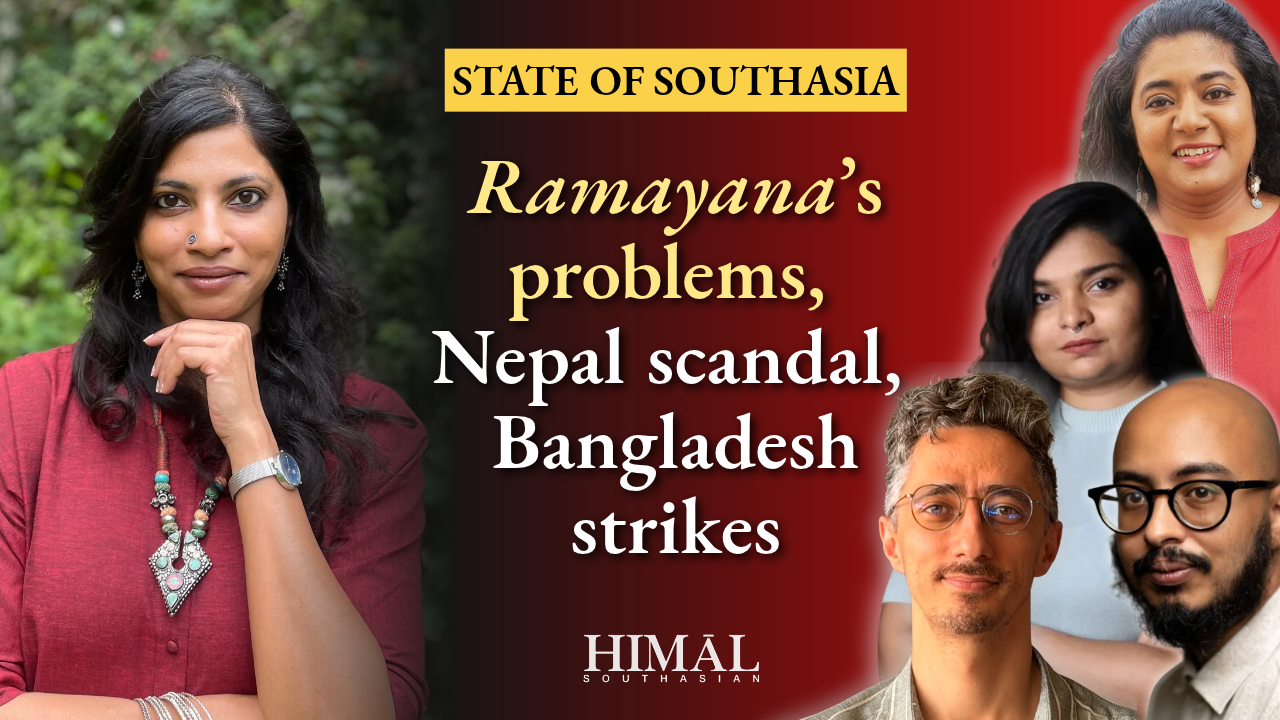
Starting today, the State of Southasia podcast returns every other week, now on video. In this week’s episode, hosts Nayantara Narayanan and Roman Gautam speak to the film critic Anna Vetticad about the Ramayana, the journalist and editor Pranaya Rana about the Inam Sapkota case in Nepal, and the Daily Star reporter Zyma Islam about labour unrest in Bangladesh.
POLITICS
Young Pakistanis are choosing exit over protest
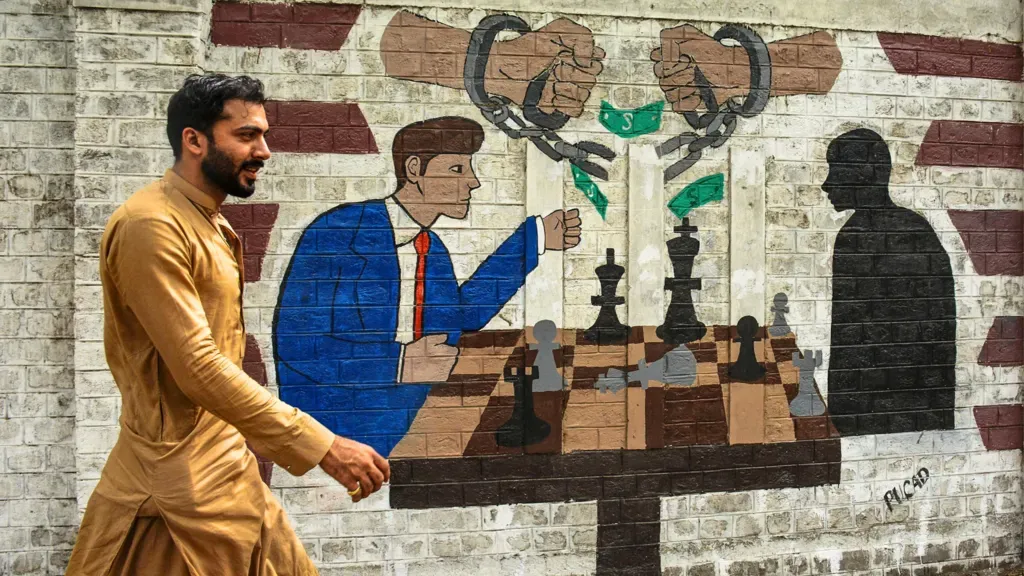
Salman Rafi Sheikh writes that young Pakistanis are increasingly choosing to migrate rather than engage in protest, faced with rising living costs, limited economic opportunities and persistent unemployment, given the level of repression meted out against protesters in the country.
POLITICS
India’s surging anti-Christian violence
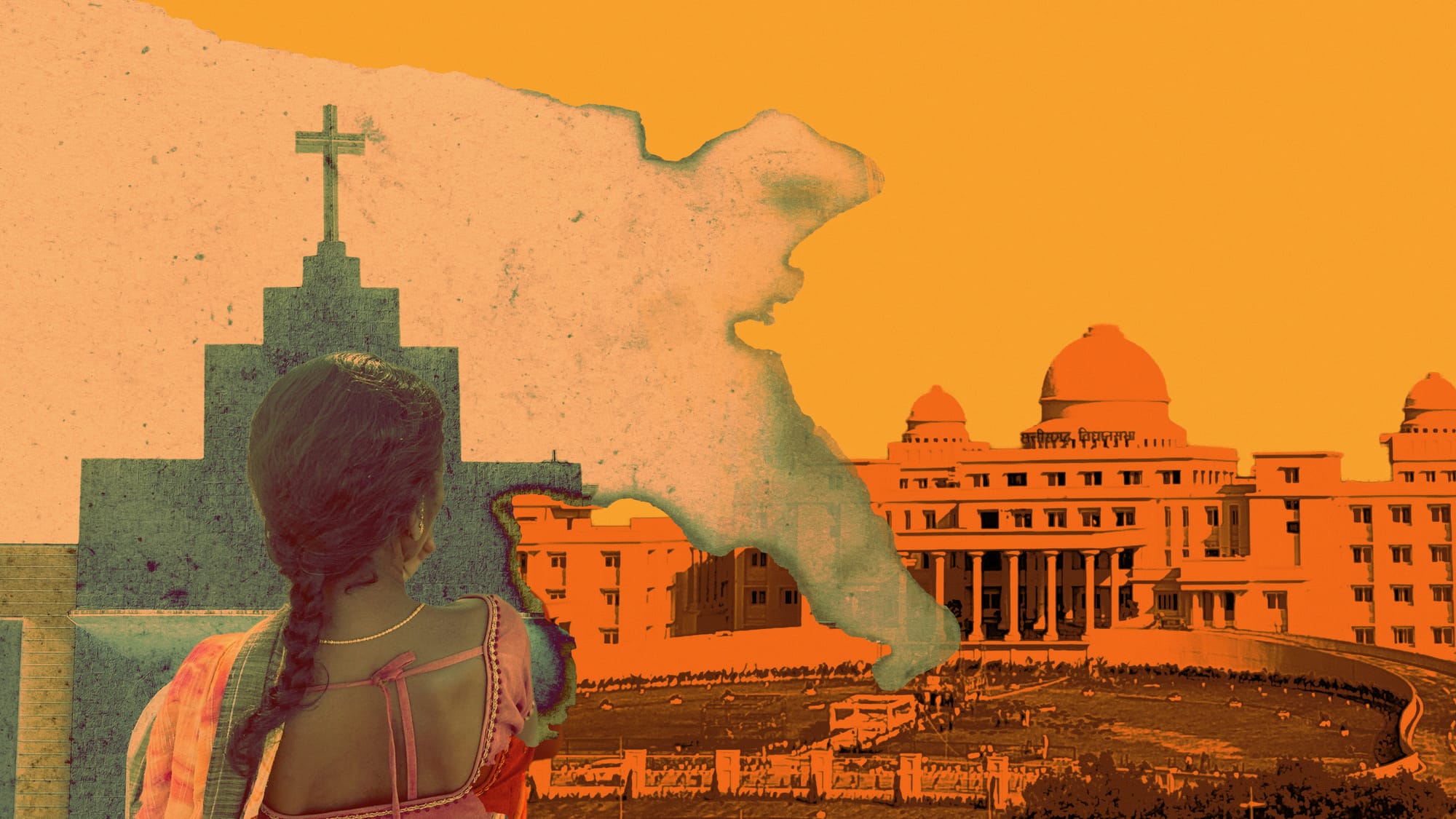
Zenaira Bakhsh and Mrinalini Dhyani report from Chhattisgarh and Uttar Pradesh, finding that India’s Christians are being forced to reconvert to Hinduism, denied burial rites and targeted by mob violence, especially in BJP-ruled states.
Here’s what happened in Southasia this week:
NEWS DIVE
Pressure builds on the Maldives’s President Muizzu over Rasmalé deal
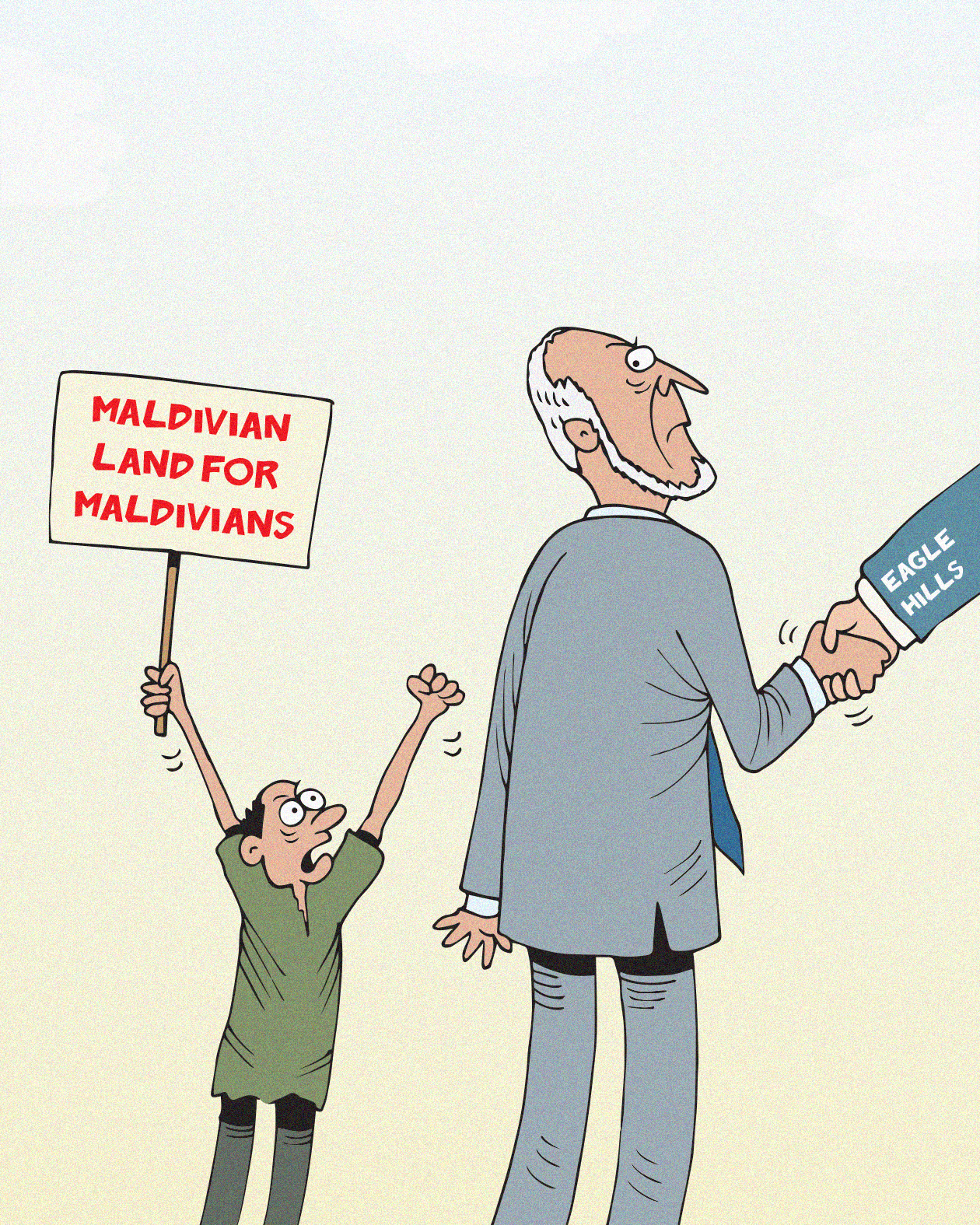
On 13 November, protesters in Malé are calling for a referendum on the Maldivian government’s plan to build an ‘eco-city’ on the artificial island of Rasmalé, with 500 hectares to be handed over to UAE-based developer Eagle Hills. Mobilising under the banner “Maldivian Land for Maldivians,” protesters and the opposition Maldivian Democratic Party have demanded a national referendum over the arrangement that has bypassed competitive tender and offers potential foreign buyers renewable 99-year property leases alongside five-year residency rights. The backlash continues despite president Mohamed Muizzu’s assurances that the Maldives will retain full control of the land.
The dispute over Rasmalé has also centred on the cost of land reclamation for the project. Audited accounts for the state-owned Maldives Airports Company Ltd revealed that MVR 435.3 million (USD 28.2 million) had been spent for the first months of reclamation alone, as the company’s dollar debt exceeded USD 1 billion. Half of the land will go to housing, with the first 15,000 plots to go to people registered in Malé, or resident there for at least 15 years.
While the project is touted as a bid to relieve Malé’s acute housing crisis, the Maldives government is also attempting to introduce residency by investment visa schemes through Project Ayla, a Dubai-backed USD 790 million sustainable township and special economic zone 188 kilometres north of Malé, which will also allow foreigners to buy long leases on luxury homes, all in the backdrop of a burgeoning foreign exchange crisis. Critics say the lack of transparency around these projects raises concerns of money-laundering, with pressure building on president Muizzu to answer lingering questions.
ELSEWHERE IN SOUTHASIA
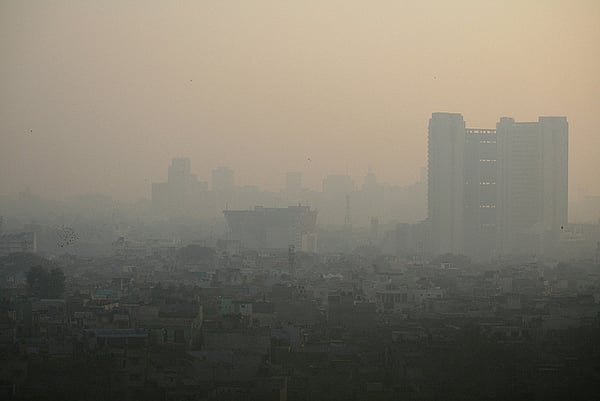
- Delhi’s air quality deteriorates to ‘very poor’ levels, with the AQI reaching 370 and several neighbourhoods recording readings above 400, after residents defied Supreme Court restrictions and burst firecrackers during Diwali celebrations, prompting authorities to impose emergency measures.
- A new investigative report finds discrepancies between votes recorded as cast and votes counted in 51 constituencies across Maharashtra, Haryana and Jammu and Kashmir during the 2024 elections, raising concerns over the Election Commission of India’s record-keeping and electoral transparency.
- Myanmar’s coup leader-turned-president Min Aung Hlaing has been barred from attending the 49th ASEAN Summit in Manila, with the Philippines confirming that the country will instead be represented by a senior foreign ministry official. The decision maintains ASEAN’s post-2021 coup restrictions on Myanmar’s military leadership, despite Min Aung Hlaing’s assumption of the presidency following military-controlled elections.
- Norwegian journalist Helle Lyng Svendsen alleges that Indian authorities cancelled her visa minutes before she was due to travel to Hyderabad for the Bharat Summit organised by the Congress-led Telangana government, where she was scheduled to speak on media and press freedom. She suspects the decision may be linked to her criticism of Prime Minister Narendra Modi and her questioning of him during his visit to Oslo in May.
- Tamil writer Perumal Murugan has flagged alleged irregularities in the purchase of nearly 1800 books for Coimbatore’s Periyar Arivulagam library during Dravida Munnetra Kazhagam rule, citing fabricated historical claims, questionable authorship, suspected AI-generated content and inflated prices. The Tamil Nadu government has ordered an inquiry into the procurement amid a political dispute between the ruling TVK and the opposition DMK.
- Children in Bangladesh’s Qawmi madrasas remain vulnerable to sexual and physical abuse amid weak oversight, informal teacher recruitment and a lack of enforceable child-protection policies and independent complaint mechanisms. Recent allegations involving more than two dozen students across several districts have exposed gaps in institutional accountability, with many cases reportedly handled internally to protect madrasa reputations.
- Ousted Bangladesh Prime Minister Sheikh Hasina has sought a new passport and national identity card from the Bangladesh High Commission in Delhi, signalling plans to return from exile in India in December and surrender before a court. Dhaka has rejected her request and called for her extradition, as she faces a death sentence over the 2024 crackdown on student protesters in which more than 1400 people were killed.
- Oxford’s Pitt Rivers Museum returns the remains of 39 people taken from Naga communities in northeast India during British colonial rule, marking a significant step towards addressing the colonial-era removal of ancestral human remains.
FROM THE ARCHIVE
Revisit archival stories from Himal that add more context and insight to this week’s news updates from the Maldives and India:
 The Editors
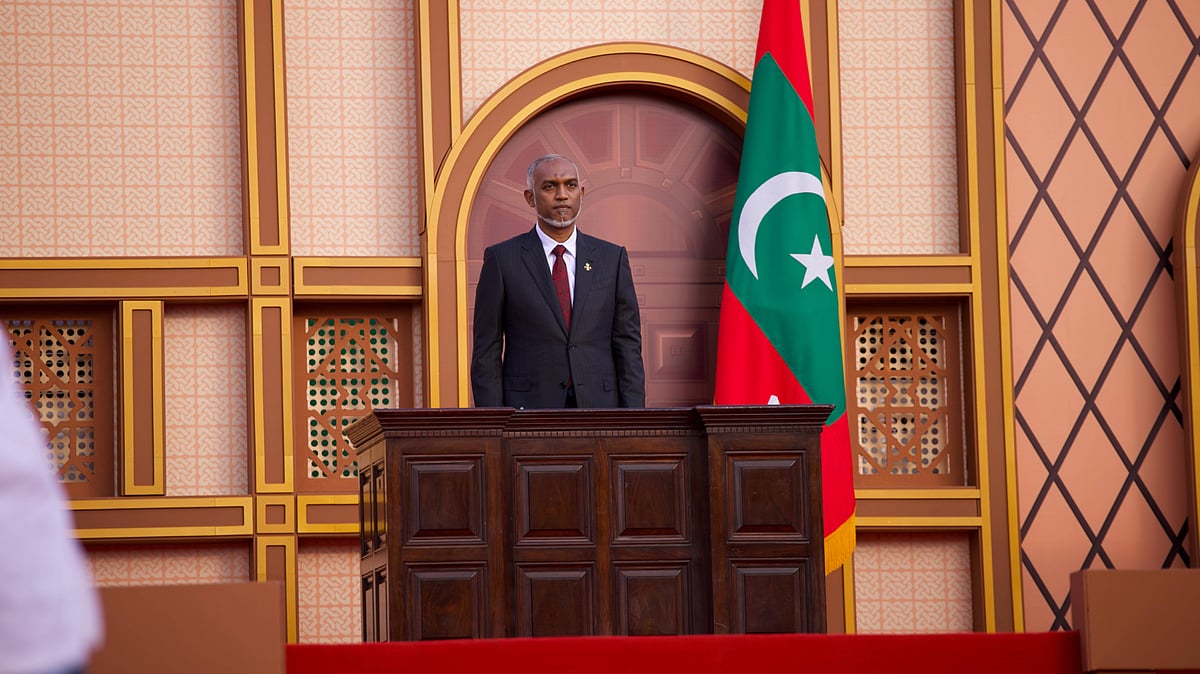
 Deepak Naorem
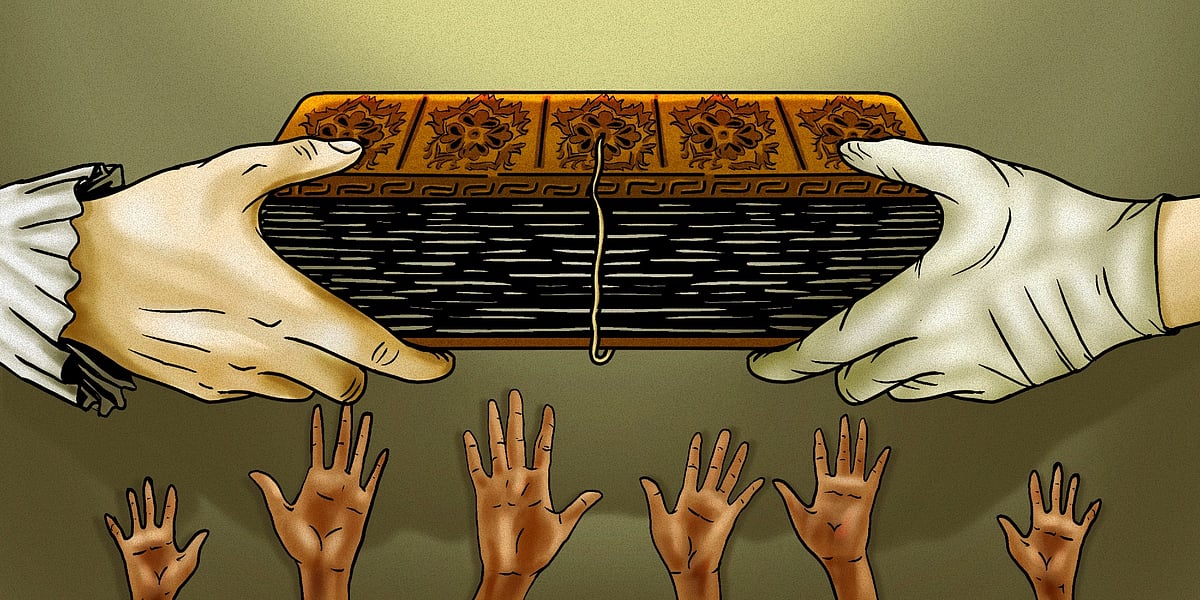
 Rohit Negi
SNAP SOUTHASIA
Prachi Aryal