Eid Mubarak to all our readers who celebrate! In Colombo, preparations have been a little quieter than usual. A friend I bumped into said he was buying food for Eid in advance, expecting prices to rise due to the ongoing war in West Asia. Many have shared Google Maps screenshots on social media featuring tell-tale red lines showing snaking queues outside petrol stations, despite fuel-rationing being in place in Sri Lanka. But while Southasia (and the world) is grappling with the impact of the war in West Asia, few are paying attention to a war closer to home. This week, an air-strike struck a drug rehabilitation centre in Kabul, with hundreds of lives lost, as Pakistan continued waging war on Afghanistan for not cracking down on militancy. But maybe that’s a futile thing for Pakistan to expect from the Taliban. Scroll on to read more, plus a deep-dive into how Bollywood is increasingly embracing Hindutva politics as Dhurandhar: The Revenge releases in cinemas. We’re here to bring you the latest on politics and culture from across the region, and if you find our coverage insightful, you should become a paying supporter, so we can bring you more.
To contribute more, visit himalmag.com/support-himal.
This week in Himal

Raza Rumi writes about how Hindi cinema is increasingly aligning with Hindutva politics, with the recently-released Dhurandhar: The Revenge being a case in point.
We’re on the lookout for an Assistant Editor and an Associate Editor to join our team and power our reporting on the region – click here to see more details on how to apply!
Also read: Pakistan’s “open war” on Afghanistan only strengthens the Taliban
Also read: Mohsin Alam Bhat & Harsh Mander on the threat to Muslims as a crisis for India’s democracy
This week in Southasia
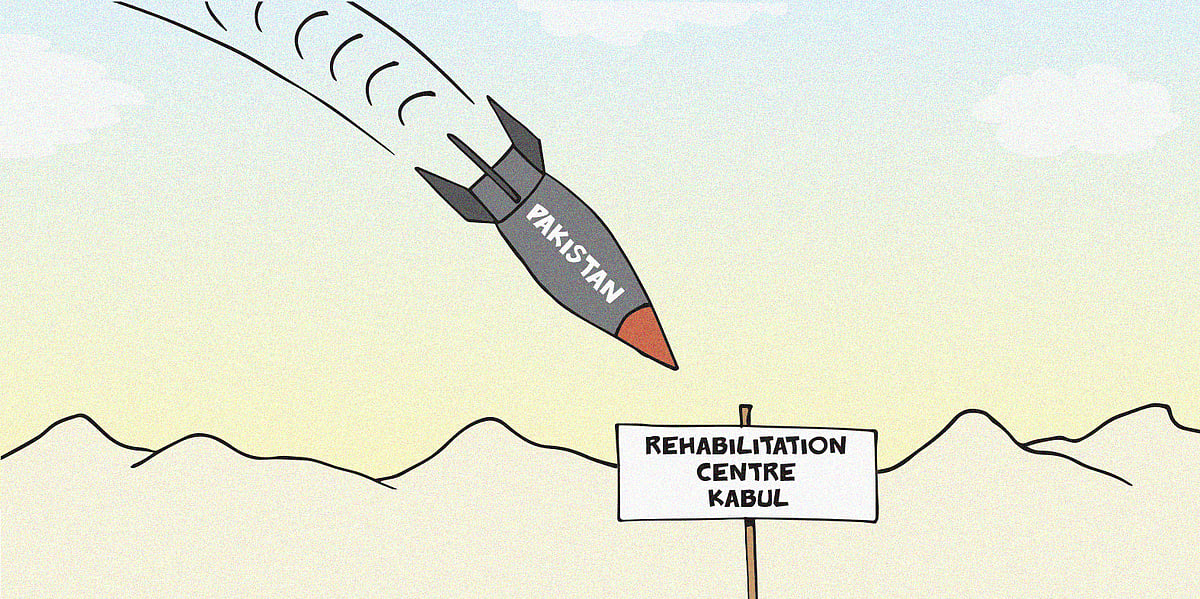
The heavy cost of Pakistan’s “open war” with Afghanistan
On 16 March, Afghanistan accused Pakistan of launching an air strike that hit a drug rehabilitation centre in Kabul (Pakistan said they had targeted military installations in Kabul and Nangarhar province). More than 100 were confirmed dead in the strike, with the Taliban claiming 400 deaths and 250 injured. Despite both countries agreeing to a temporary ceasefire in light of Eid-al-Fitr two days later, the 16 March attack marked a fresh escalation in hostilities since Pakistan declared “open war” on Afghanistan for failing to curb cross-border militancy from the Tehreek-e-Taliban Pakistan. Apart from the strikes, Pakistan has also reportedly ramped up deportations of Afghan refugees, who face poverty, unemployment and a lack of aid upon return.
Tensions have been simmering since October last year, when peace talks ended in a stalemate, but tensions between the countries have a long history. Pakistan long built relations with Afghanistan as a bulwark against hostilities with India, but their narrow focus on security ignores Afghanistan’s attempts to reduce their economic dependence on Pakistan. In the meantime, India has been building its own relations with the Taliban, raising concerns for Pakistan even as it continues to grapple with other security issues such as violence and militancy in Balochistan.

Elsewhere in Southasia
- Ladakh statehood activist Sonam Wangchuk freed by Indian authorities after six months of detainment under National Security Act
- India’s and Pakistan’s Navy deploy naval warships to escort commercial vessels, two Indian tankers and one tanker from Pakistan pass through Strait of Hormuz with permission from Tehran amidst Iran War
- India arrests six Ukrainians and one American for illicit border crossing, allegedly to train anti-junta militia groups, smuggle drones into Myanmar
- Oscar-nominated film The Voice of Hind Rajab about a five-year-old girl killed by Israeli forces in Gaza blocked in India by Central Board of Film Certification as it would “break up” India-Israel relations
- 39 farmers from Sindh, Pakistan file legal action against two German companies, electricity producer RWE and building material manufacturer Heidelberg Materials for greenhouse emissions, saying they contributed to 2022 flood impacts
- 41-year-old Afghan asylum seeker and former special forces soldier dies within 24 hours of being taken into custody by US ICE agents, raising concerns about treatment of immigration detainees in the US
- Residential protest in Islamabad after over 1700 homes in two katchi abadis flagged for demolition, mostly belonging to Christians; tenants given two days to evacuate in violation of 2001 housing policy, Supreme Court order
- Myanmar holds first parliamentary session since military coup in 2021, introduces five-member Union Consultative Council allowing for centralised military and civilian oversight
- China signs legislation that mandates Mandarin-language instruction up to high school educational level in blow to Tibetan and other minority group language education efforts
- Trans community across India protests central government’s proposed bill to remove the right to gender self-identification
- Nepal’s Election Commission presents final election report to President Ramchandra Paudel, new government to be formed soon
Revisit the below archival stories from Himal adding more context to this week's news updates from Pakistan and India
Also read: Disillusioned with the Taliban, Pakistan reverses its four-decade Afghan policy
Also read: India’s slow-burn affair with Israel heats up
Also read: Trans*forming the Constitution
Snap Southasia
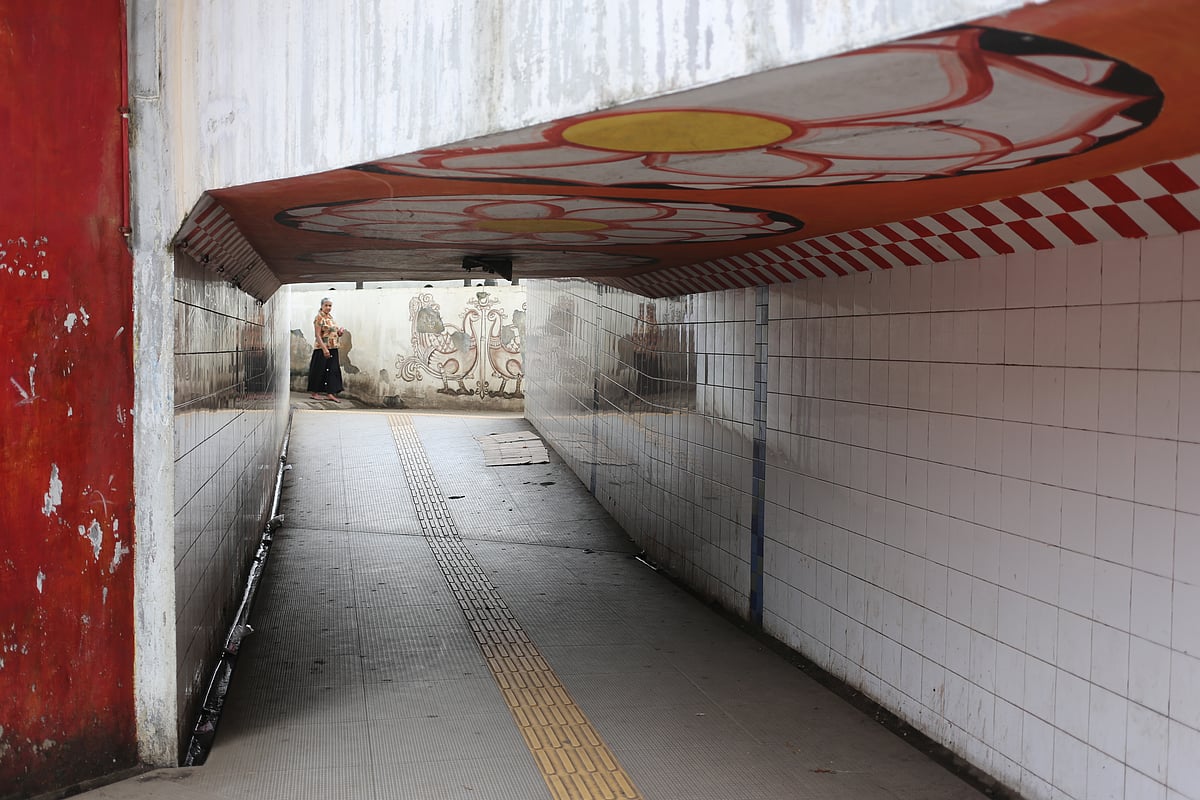
Where in Southasia is this image from? Click on your guess below (and check in next week to see if you guessed right!)
Rajasthan, India
Kandy, Sri Lanka
Rajshahi, Bangladesh