

Last Friday, we relaunched the Southasia Review of Books podcast, and I couldn’t think of a better conversation to begin this new chapter than one with the cartoonist and journalist Joe Sacco.
For more than three decades, Sacco has redefined what journalism can look like, using comics to report on conflict, displacement and political violence. One of the things I’ve always found most compelling about his work is that he never tries to disappear as a reporter. “The drawn figure of myself,” he said, “is a commentary on the nature of objectivity and subjectivity.” By placing himself on the page, he challenges the idea that journalism can ever come from a neutral, disembodied perspective. At a time when debates about objectivity often collapse into competing claims of bias – especially in Southasia – Sacco instead makes his own perspective visible and asks readers to reckon with it.
Our conversation ranges from his latest book, The Once and Future Riot, and the controversy surrounding its publication in India to graphic journalism and the ethics of witnessing. I hope you’ll take some time to watch or listen, and I’d love to hear what you think – write to me at shwethas@himalmag.com.
The relaunch marks the beginning of a new chapter for the Southasia Review of Books podcast. In the weeks ahead, I’ll be joined by writers including Mirza Waheed and Sowmiya Ashok, with many more to come.
Got any suggestions for future guests or books you’d like us to cover this season? Join us at next week’s Himal Patrons Meet, our quarterly conversation between readers and the editorial team. Become a paying supporter to take part.
📚 From Himal’s pages this fortnight
 Vikram Shah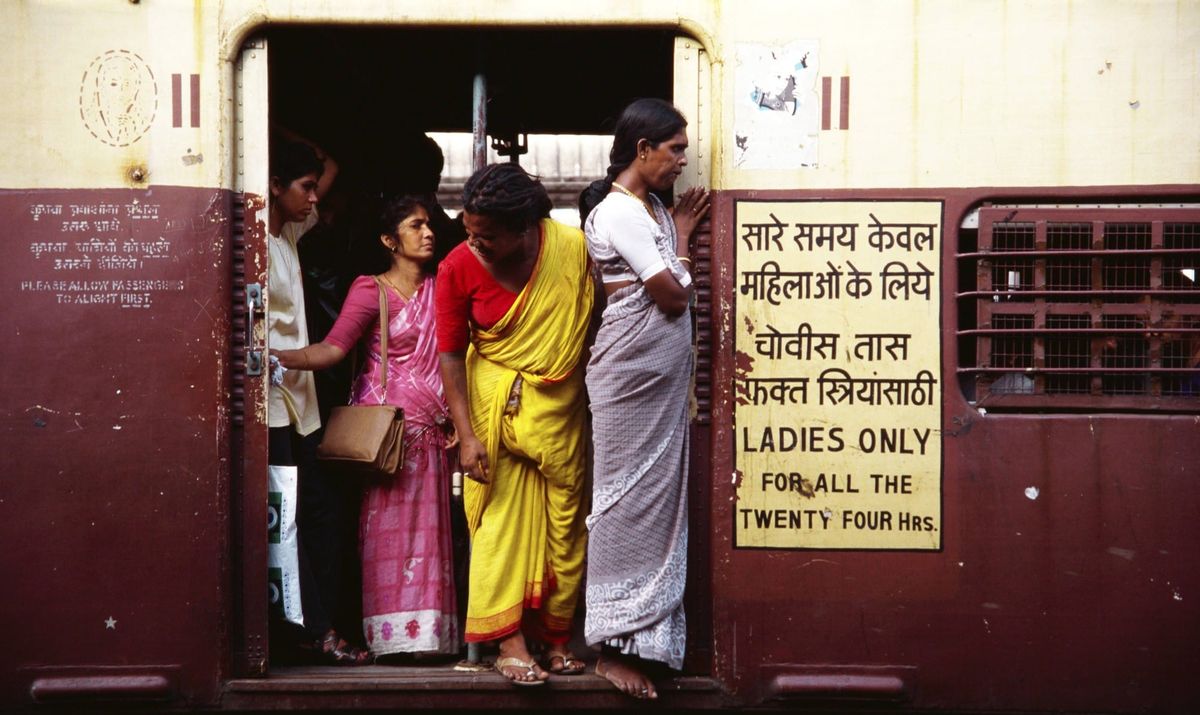
 Shwetha Srikanthan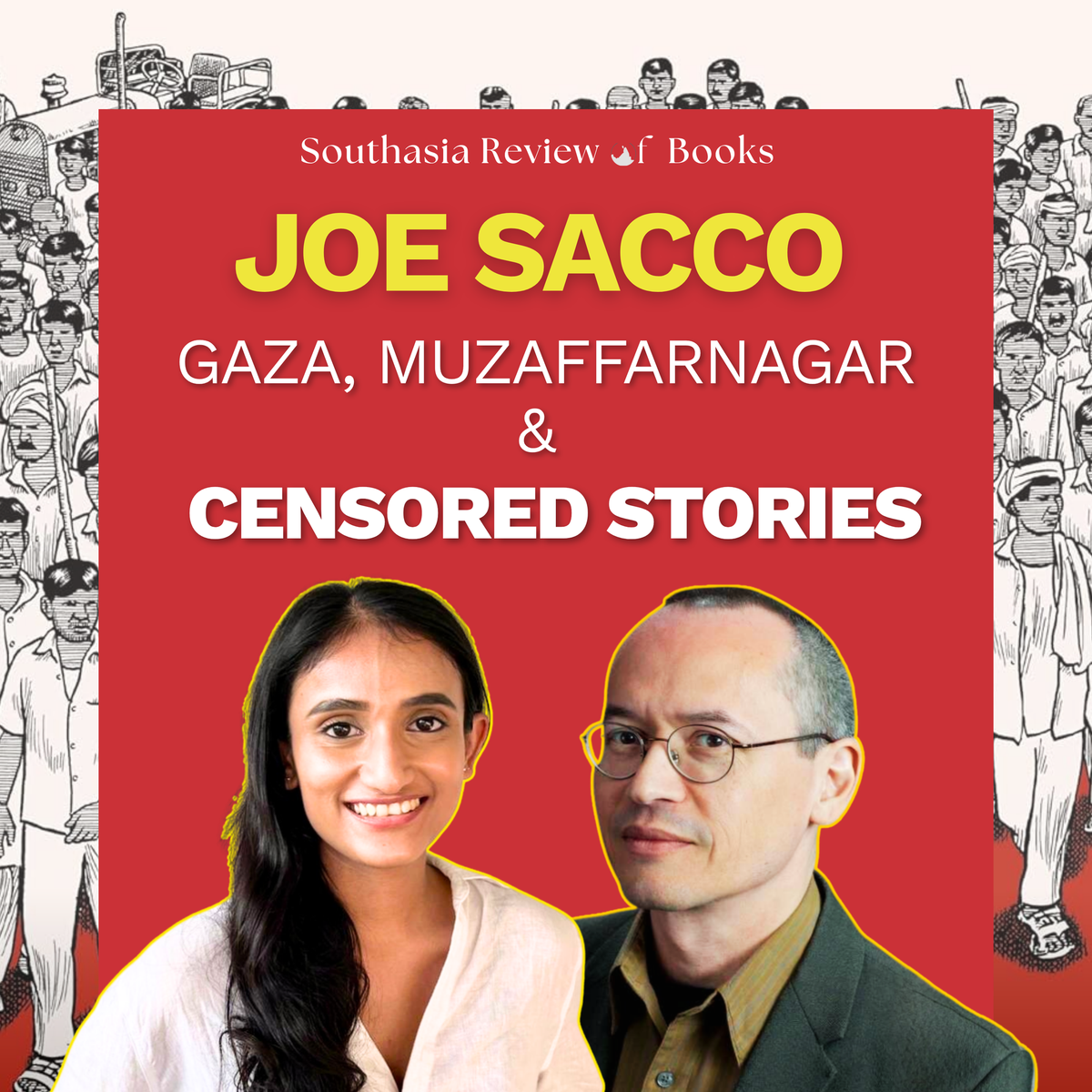
📚 Celebrating Southasian literature
The Sri Lankan writer, filmmaker and human-rights lawyer Visakesa Chandrasekaram has won the 2025 Gratiaen Prize for his novel, The Son and the Lover. Founded in 1992 by Michael Ondaatje, the Gratiaen is Sri Lanka’s most prestigious award for creative writing in English.
The judges selected The Son and the Lover from what they described as an “exceptional” shortlist, which also included works by Alan de Costa, Ekeli Anuththara and Uvini Atukorala. Chandrasekaram, who shared the Gratiaen Prize in 1999 for his play Forbidden Area, becomes the first writer to win the award twice.
📚 This month in Southasian publishing
A century after Vaikom
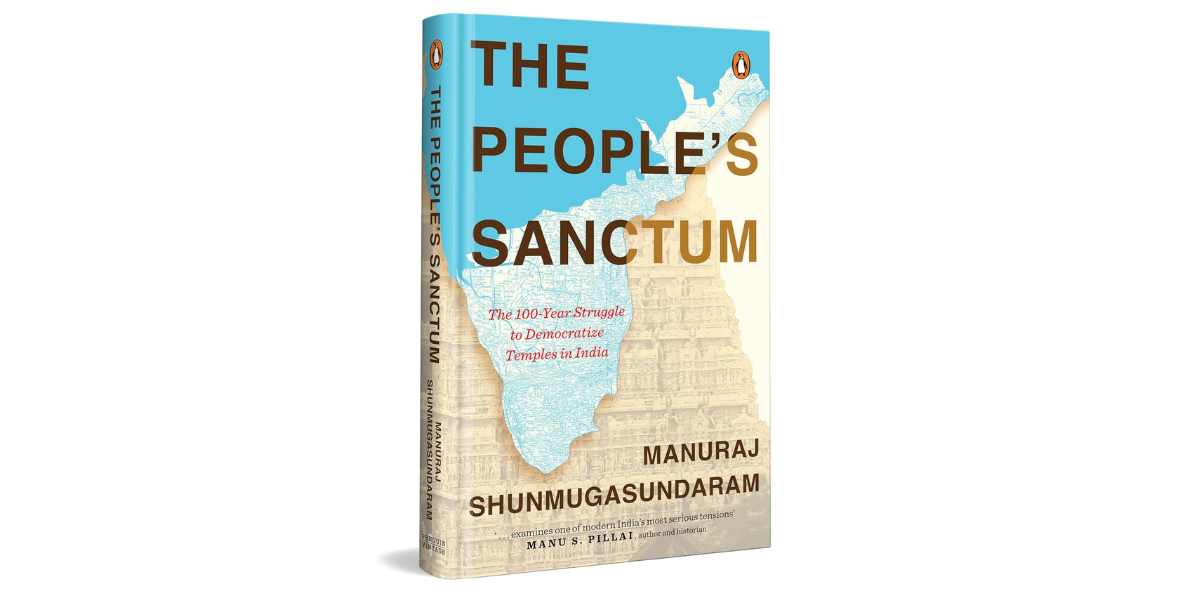
A hundred years after the Vaikom Satyagraha challenged restrictions that barred oppressed-caste communities from using the roads surrounding Kerala’s Vaikom Mahadeva Temple, the lawyer and constitutional expert Manuraj Shunmugasundaram revisits one of the defining social justice movements in modern India. The People’s Sanctum: The 100-Year Struggle to Democratize Temples in India (Penguin India, July 2026) traces the movement’s legacy through the Self-Respect Movement, constitutional debates and landmark court judgments, arguing that the struggle for equality within religious institutions has been central to the making of Indian secularism.
Afghan women speak
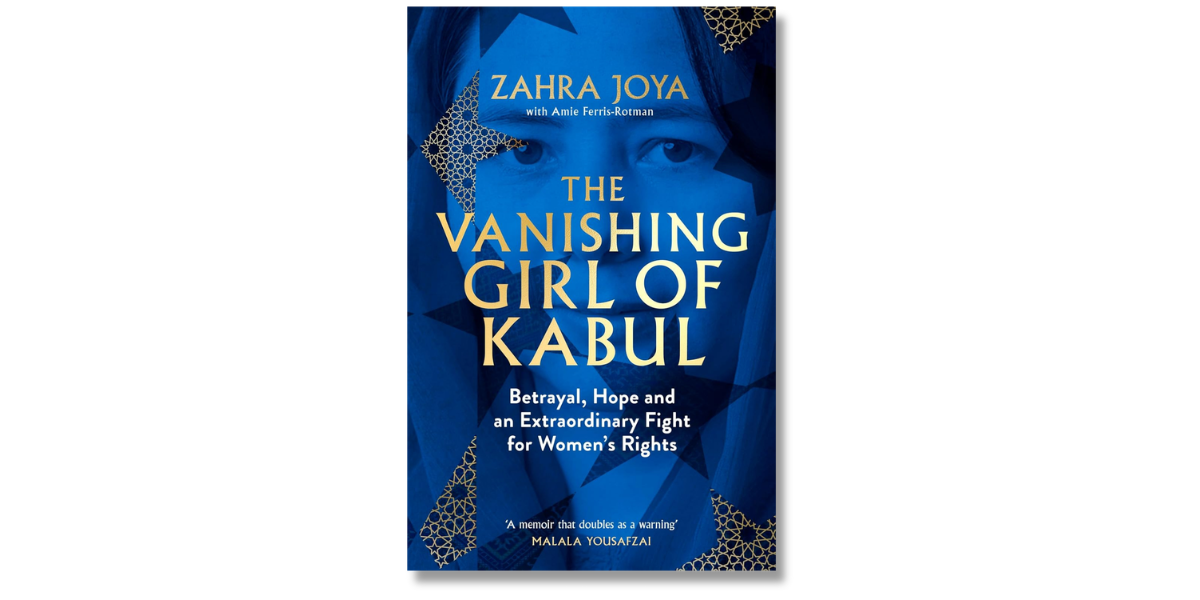
When the Taliban first came to power, Zahra Joya disguised herself as a boy to attend school. After becoming a journalist and founding the women-run news outlet Rukhshana Media, she was forced into exile when the Taliban returned in 2021. Co-written with the journalist Amie Ferris-Rotman, The Vanishing Girl of Kabul: Betrayal, Hope and an Extraordinary Fight for Women’s Rights (Robinson, July 2026) traces Joya’s journey from Taliban rule to exile while reflecting on the erosion of women’s rights in Afghanistan and the consequences of the world’s failure to protect them.
The former judge Marzia Babakarkhail tells a parallel story in Marzia: A Judge’s Fight for Afghan Women’s Rights (Potomac Books, May 2026), recounting her escape from Afghanistan after the Taliban’s return and her continued advocacy in exile. Through her experiences in the country’s legal system, the memoir pays tribute to the women judges and lawyers who risked their lives to defend justice before 2021.
🎧 From the Himal podcast archives: A conversation on My Dear Kabul, the collective diary of 21 Afghan women writers whose intimate testimonies chronicle the fall of Kabul in August 2021, life under Taliban rule and the experience of exile.
The “Iron Man of India” revisited
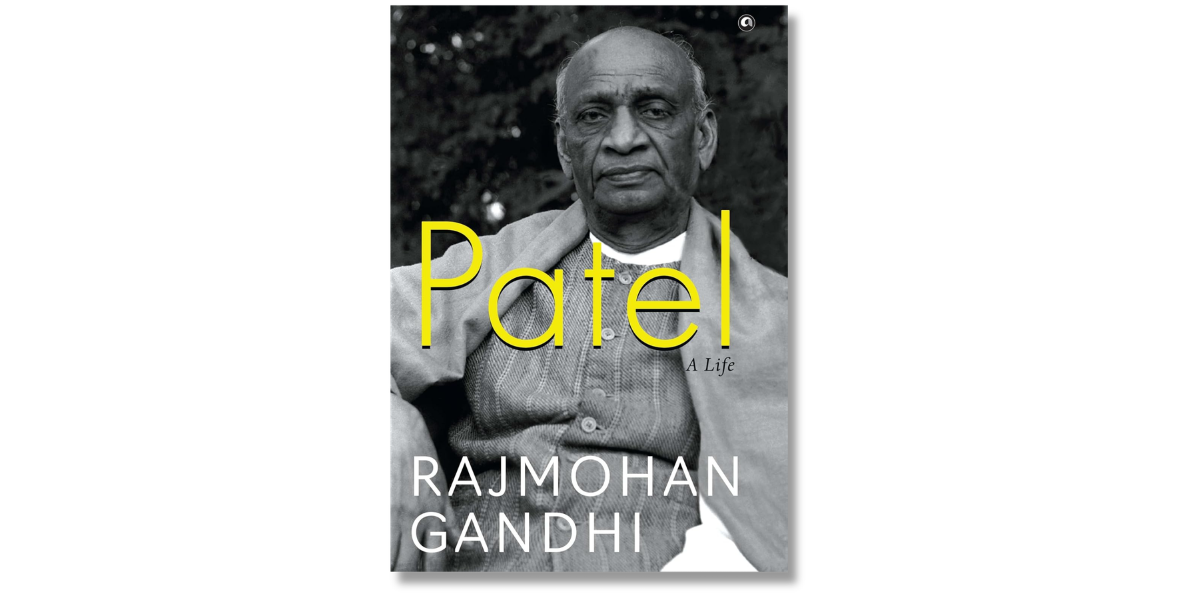
The historian and biographer Rajmohan Gandhi revisits one of the most influential – and contested – figures in modern Indian history in Patel: A Life (Aleph Book Company, July 2026). Moving beyond hagiography, Gandhi traces Vallabhbhai Patel’s journey from lawyer and freedom fighter to independent India's first deputy prime minister, unpacking his role in Partition, the integration of the princely states and the enduring debates surrounding his political legacy.
🎧 From the Himal podcast archives: The peace activist Harsh Mander speaks with the historian Rajmohan Gandhi about his grandfather Mohandas K Gandhi’s assassination and the politics of Hindu nationalism in India.
Rethinking Aurangzeb
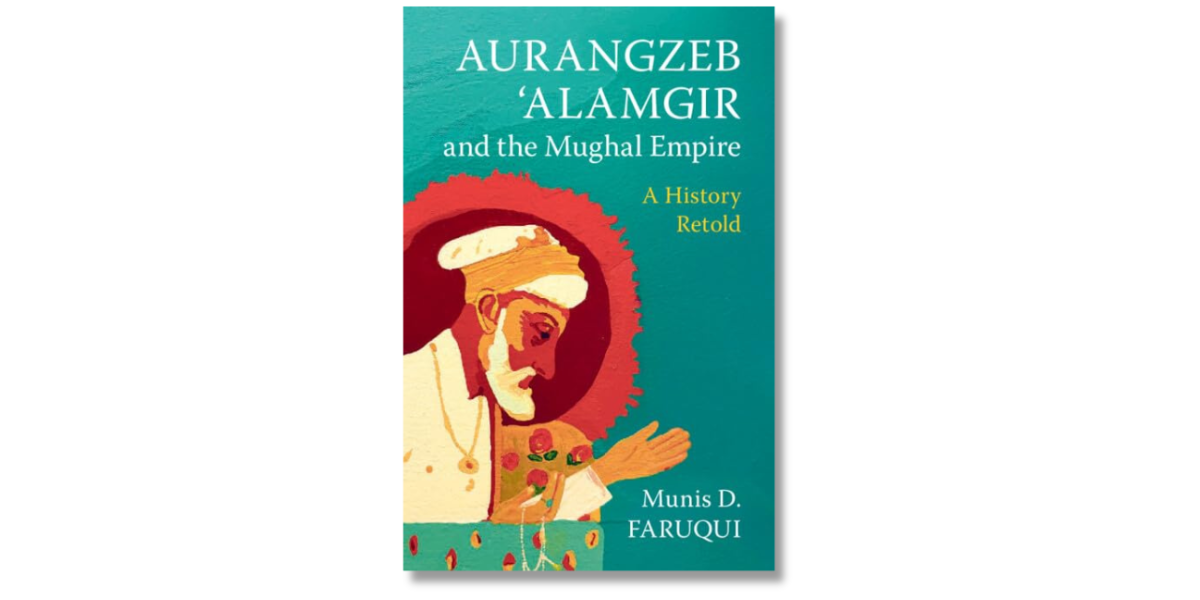
Few rulers in Southasian history have been as fiercely argued over as Aurangzeb, the last of the Mughal emperors. In Aurangzeb 'Alamgir and the Mughal Empire: A History Retold (Cambridge University Press, July 2026), the historian Munis D Faruqui revisits the emperor’s life through a wide range of archival sources, examining his rise to power, the workings of the imperial court, and his administrative and religious policies. The book also offers an account of how Aurangzeb’s reign came to be remembered in the centuries that followed.
📖 From the Himal archives: In her review essay on Audrey Truschke’s India: 5,000 Years of History on the Subcontinent, Arshia Sattar reflects on writing Southasian history beyond dynasties and nationalist mythmaking.
India’s Paralympic movement
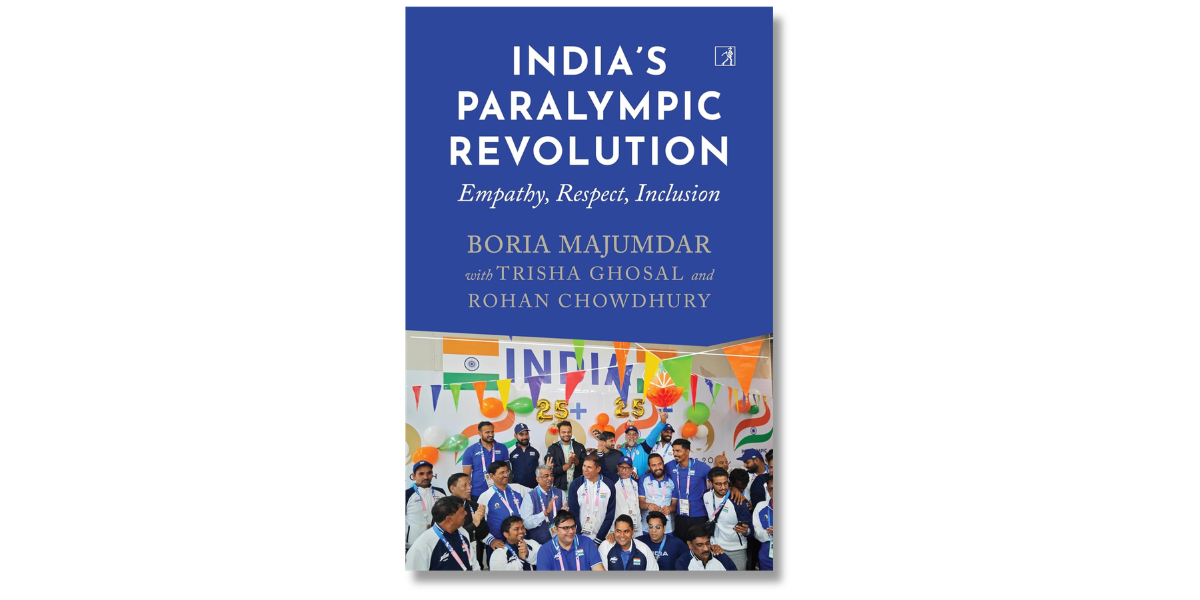
As India’s Paralympic movement reaches new heights, the sports historian Boria Majumdar chronicles the athletes, campaigns and institutions that have shaped it in India’s Paralympic Revolution: Empathy, Respect and Inclusion (Simon and Schuster India, July 2026). Rather than focusing solely on medals and podium finishes, Majumdar examines the structural barriers, grassroots initiatives and personal stories behind India’s emergence as a Paralympic force.
Offering a first-person account of many of the themes Majumdar explores is Bring It On (HarperCollins India, January 2025), the Paralympic medallist Deepa Malik’s memoir. She reflects on her journey through elite sport, disability and public life while recounting the challenges that shaped her career and advocacy.
📖 From the Himal archives: Priti Salian examines how Indian media coverage of the Paralympics often reduces para athletes to narratives of tragedy or inspiration, arguing instead for reporting that recognises them as elite competitors.
Building democracy
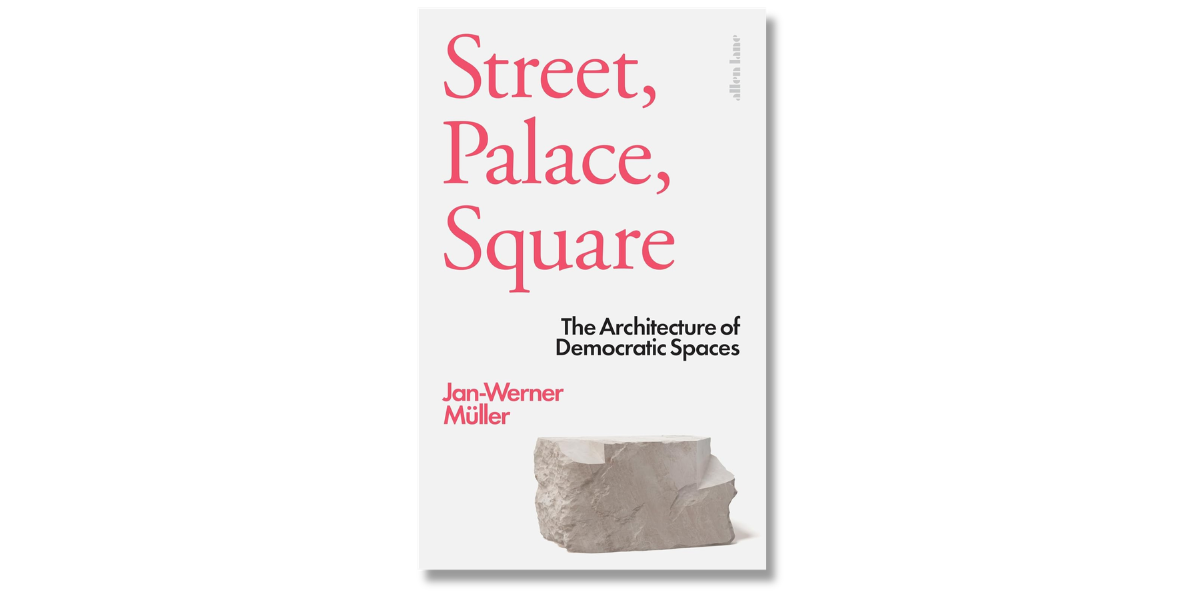
Can architecture create spaces that encourage citizens to participate in political life? In Street, Palace, Square: The Architecture of Democratic Spaces (Penguin, July 2026), the political theorist Jan-Werner Müller explores that question through examples ranging from Washington and Berlin to Cairo and Dhaka. Bringing together political philosophy, history and urban design, the book examines how streets, public squares and civic buildings shape democratic life, and how architecture might create new possibilities for citizens to make politics their own.
📖 From the Himal archives: Sohel Sarkar explores how four books on mobility in post-liberalisation India and Pakistan reveal the ways everyday movement, inequality and aspiration shape urban life beyond the promise of “world-class” infrastructure.
Children of Empire
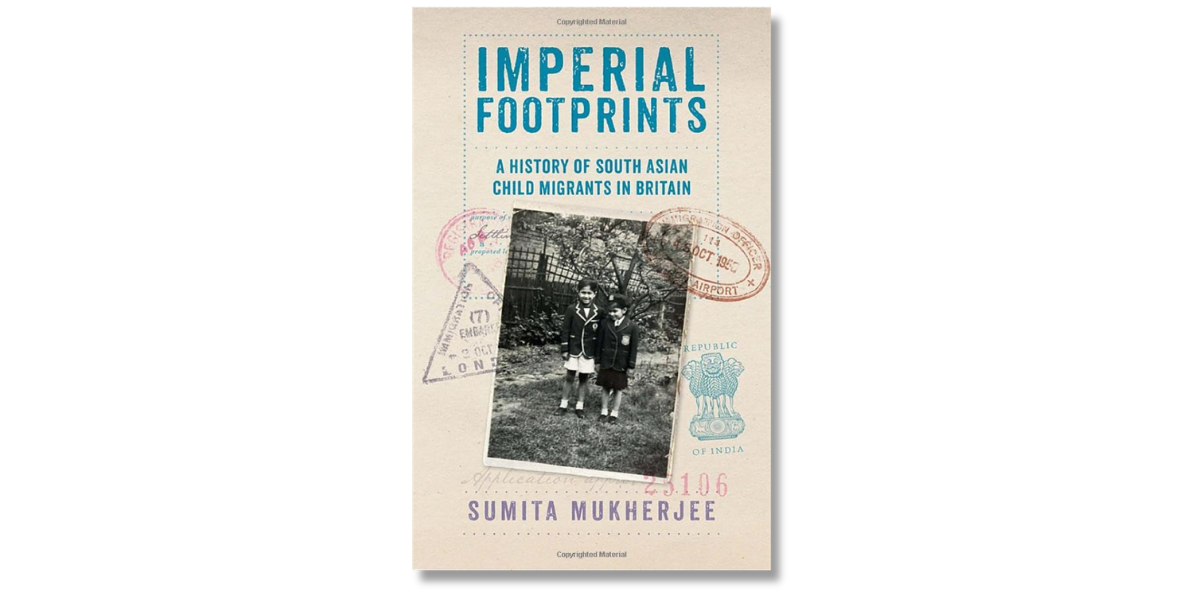
In Imperial Footprints: A History of South Asian Child Migrants in Britain (Hurst / Oxford University Press, July 2026), the historian Sumita Mukherjee turns to the youngest participants in the history of empire. Drawing on archival records and firsthand accounts, she follows schoolchildren, servants, sailors and refugees who travelled from British India to Britain between the 19th century and Partition, arguing that these often-overlooked migrants played a crucial role in shaping Indian diasporic communities and Britain’s imperial identity.
📖 From the Himal archives: A review of Arunima Datta’s Waiting on Empire, which recovers the largely forgotten history of travelling ayahs, one of the many groups of Southasian migrant workers in the British Empire.
Languages of freedom
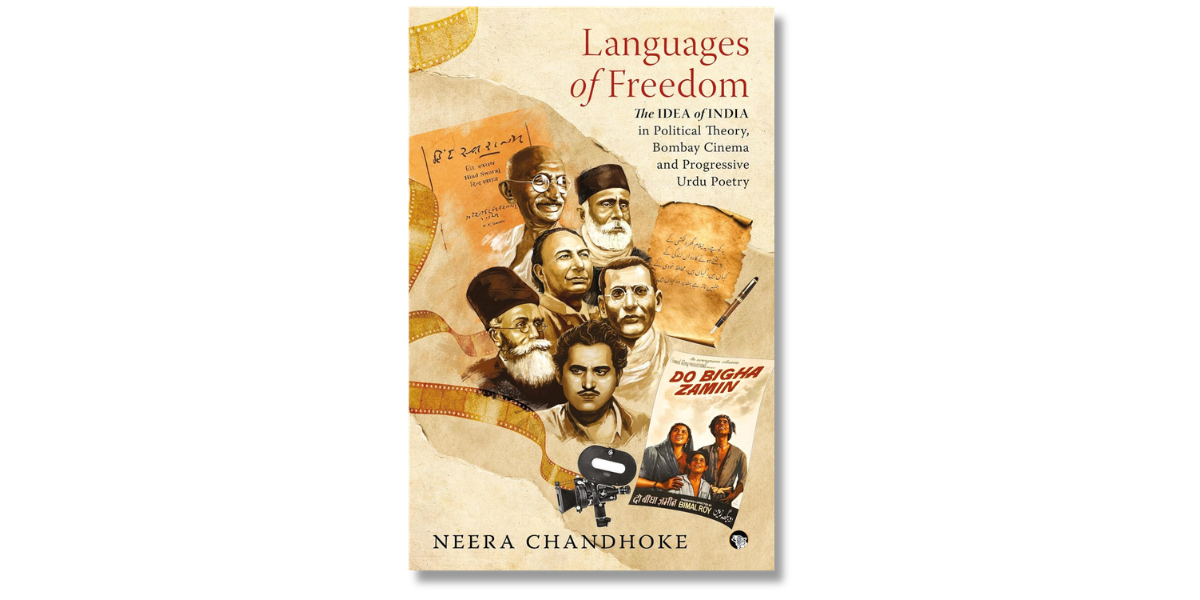
The political scientist Neera Chandhoke brings together mid-20th century Hindi cinema and Urdu poetry of the Progressive Writers’ Movement in Languages of Freedom: The Idea of India in Political Theory, Bombay Cinema and Progressive Urdu Poetry (Speaking Tiger, July 2026). From debates on swaraj to the films of Guru Dutt and Bimal Roy and the poetry of Faiz Ahmed Faiz, Majaz Lakhnawi and Sahir Ludhianvi, she explores the many ways freedom has been imagined in modern India. The essays examine how political thought, literature and popular culture have shaped ideas of freedom and nationhood.
📖 From the Himal archives: Rakhshanda Jalil reflects on the differences between Faiz’s English prose and Urdu poetry, arguing that both embody the anti-imperial, anti-colonial and deeply humane vision at the heart of his writing.
Until next time, happy reading!
|
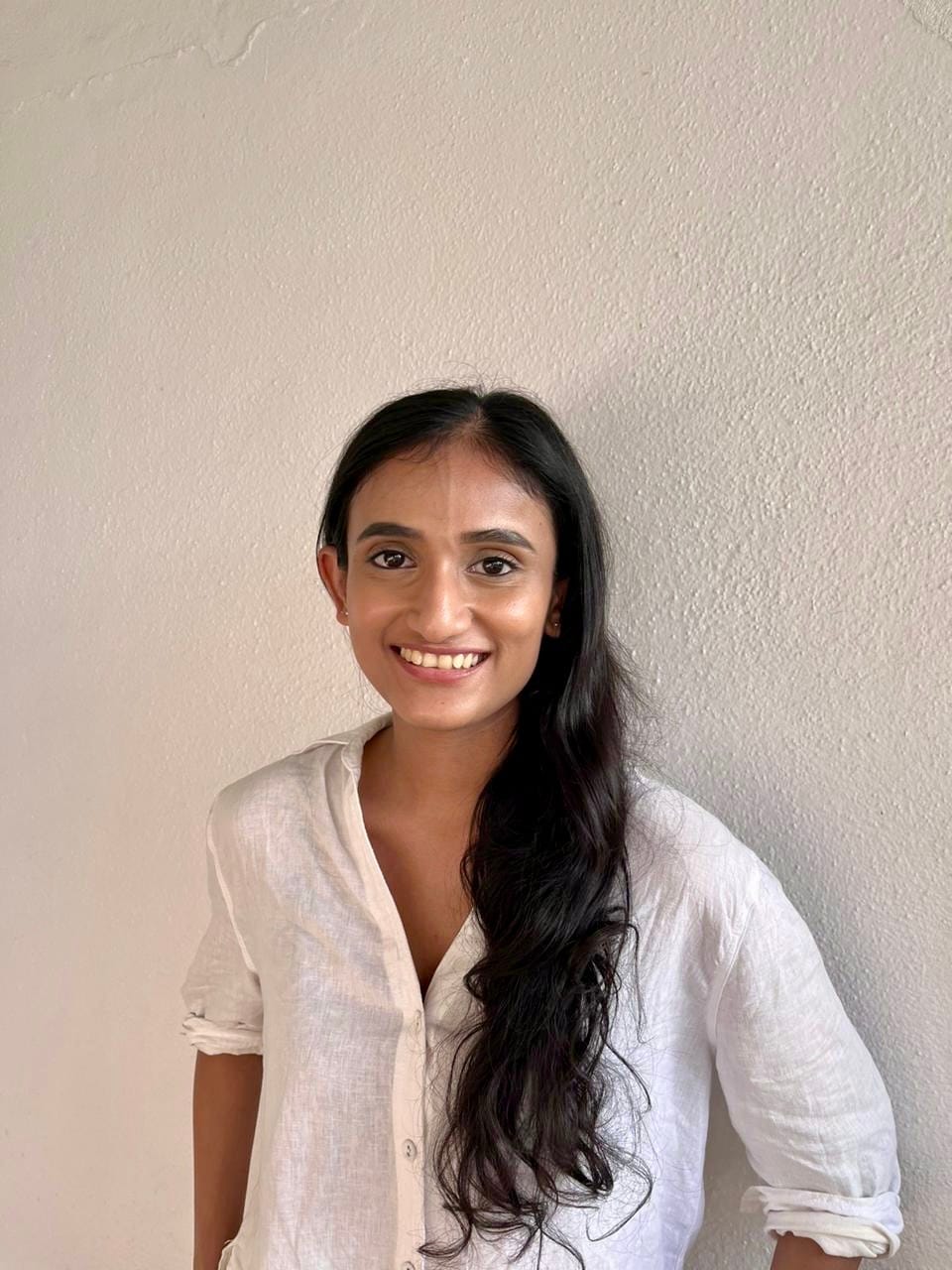
Shwetha Srikanthan
Associate Editor, Himal Southasian
|