

We’ve been keeping something very special under wraps: the Southasia Review of Books podcast is returning next week after a short hiatus, this time in video form. And to launch the podcast’s next chapter, we’re kicking things off with Joe Sacco, one of the most acclaimed journalist-artists of our time.
Sacco’s latest book, The Once and Future Riot, is a work of graphic journalism on the 2013 Muzaffarnagar riots in northern India. And as many of you may know, Penguin India recently decided not to distribute the book after a series of legal and editorial objections. It’s a decision that raises questions about what kinds of histories publishers are willing to stand behind – particularly when books written by military figures accused of wartime abuses continue to circulate freely. (See Frances Harrison’s piece on how a memoir by a sanctioned former Sri Lankan navy chief, published by Penguin India, contains serious factual inaccuracies.) So for our first episode in this new format, I’ll be talking to Sacco about his book and the controversy surrounding its publication.
One thing I’d like to do differently this time is make our SaRB community a bigger part of these conversations. If you have a question for Joe Sacco, I’d love to include it in the episode. Write to me at shwethas@himalmag.com.
And if you’d like to help us continue and grow this work, please consider becoming a Patron as part of our campaign marking Himal’s 39th anniversary.
All new Patrons receive 20% off throughout June – starting from just USD 4 per month.
📚 Upcoming event
How do stories travel across languages? What gets carried across and what remains stubbornly untranslatable?
 The Editors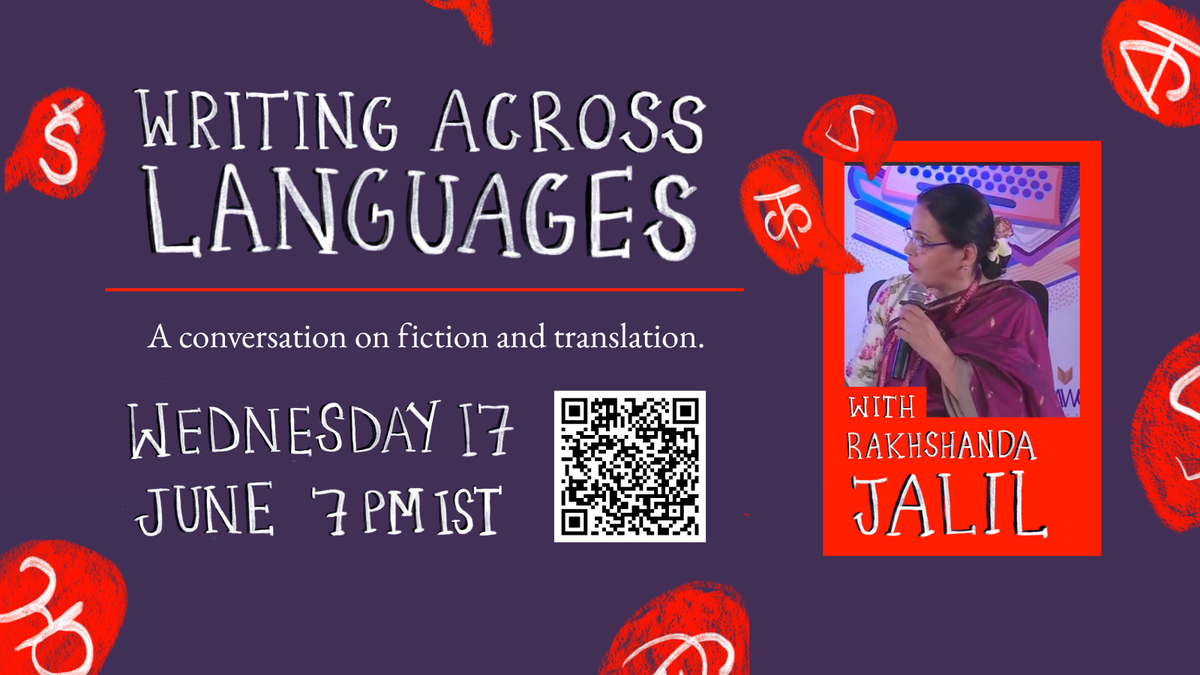
This evening, I’ll be in conversation with the acclaimed translator and writer Rakhshanda Jalil as part of Himal’s Fiction Fest. Drawing on her extensive work translating and championing Southasian literature, Jalil will reflect on the ways it brings readers, writers and literary traditions into conversation across languages and borders.
The event is free and online, and we’d love for you to join us.
📚 From Himal’s pages this fortnight
 Lucky Issar
 Ravali Pidaparthi
📚 Celebrating Southasian literature
The Orwell Prize has announced the finalists for its 2026 prizes for Political Writing and Political Fiction, with four books on the region making the cut.
The political writing finalists include Shattered Lands by Sam Dalrymple (William Collins, June 2025), a sweeping history of modern Southasia told through the five partitions that reshaped the region, and The Escape from Kabul by Karen Bartlett (Duckworth Books, August 2025), which chronicles the escape of nearly 200 Afghan women and their families following the Taliban’s return to power.
The political fiction shortlist features Uprising by Tahmima Anam (Canongate Books, May 2026), a portrait of women’s lives told through the collective voice of their children, and This Is Where the Serpent Lives by Daniyal Mueenuddin (Bloomsbury, January 2026), a novel set in contemporary feudal Pakistan that follows a cast of interconnected characters through violence, tragedy, triumph and love.
📚 This month in Southasian publishing
Adivasi histories
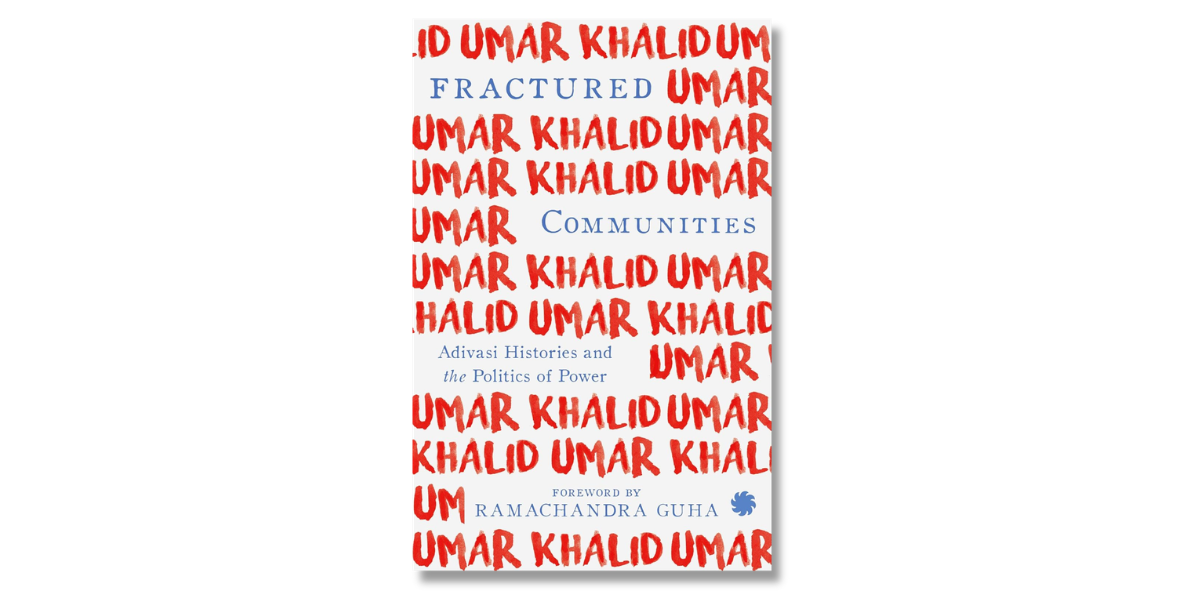
In Fractured Communities (Juggernaut, June 2026), the activist and public intellectual Umar Khalid draws on extensive archival research to trace the history of the Adivasi societies of Singhbhum in present-day Jharkhand under British rule. Adapted from his doctoral thesis, the book examines the internal complexities of tribal communities while challenging historical narratives that flatten differences within them. The book arrives as Khalid remains imprisoned without trial for over 2000 days under the UAPA, following his 2020 arrest on allegations related to the Delhi riots.
Caste and Islam in colonial India
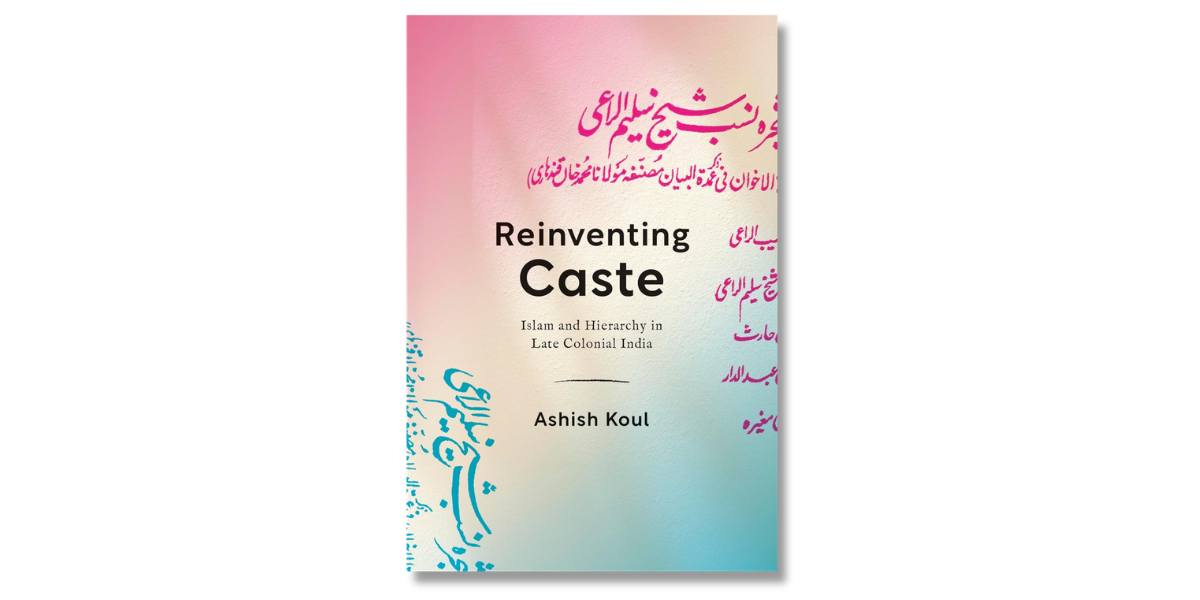
In Reinventing Caste: Islam and Hierarchy in Late Colonial India (Stanford University Press, June 2026), Ashish Koul traces how caste identities took shape within colonial India’s Muslim communities. Focusing on the Arains of Punjab, the book examines how elite members of the community developed new Islamic vocabularies of status and belonging while intervening in wider debates on Muslim identity, colonial law and political representation.
Literary self-portraits
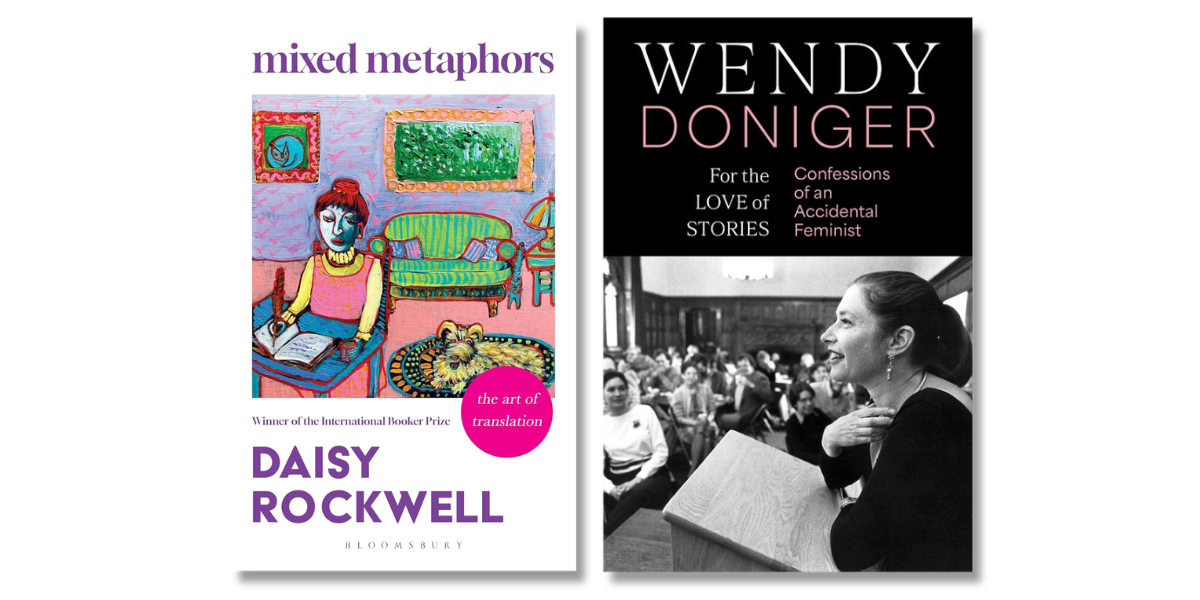
In Mixed Metaphors: The Art of Translation (Bloomsbury India, June 2026), the award-winning translator and writer Daisy Rockwell reflects on the practice of translation through essays, poems, journal entries and illustrations. Blending memoir with literary criticism, the book explores the possibilities and frustrations of carrying stories across languages.
The renowned Indologist Wendy Doniger’s For the Love of Stories: Confessions of an Accidental Feminist (Speaking Tiger, June 2026) looks back on a life shaped by literature, mythology and scholarship. Part memoir and part intellectual history, the book traces her journey through academia, friendship, feminism and debates over censorship and academic freedom, while reflecting on the role stories play in making meaning of the world.
🎧 From the SaRB podcast archives: Doniger speaks on how myths endure across cultures and traditions, why they resist fixed meanings, and what is at stake in attempts to control them.
Anti-caste futures
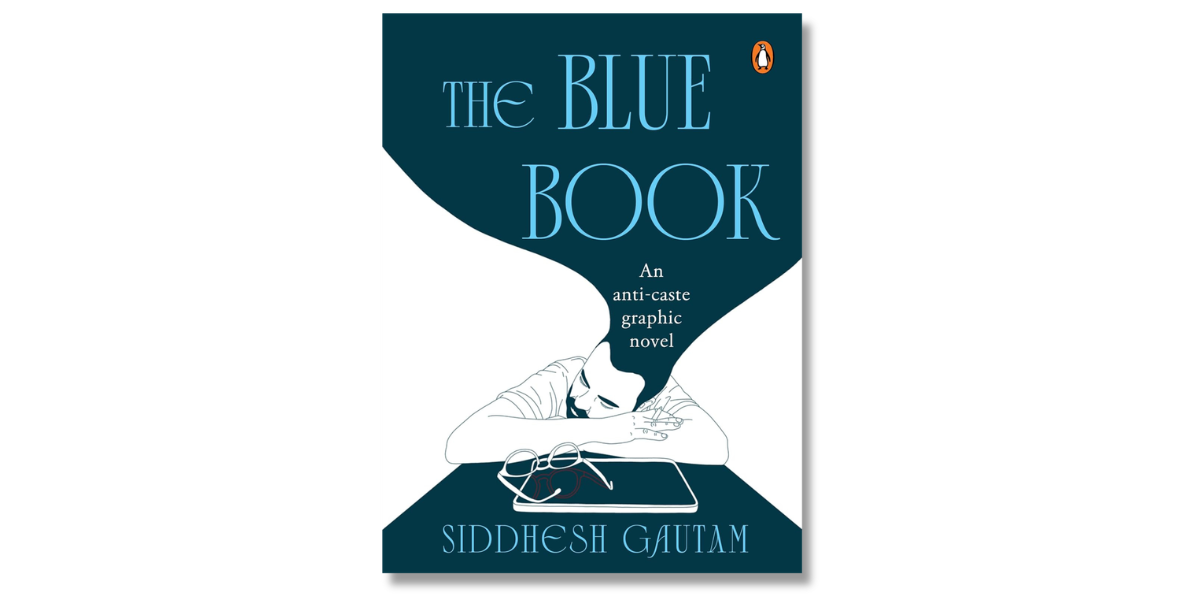
In The Blue Book: An Anti-Caste Graphic Novel (Penguin India, June 2026), Siddhesh Gautam uses graphic storytelling to bring anti-caste histories into conversation with the present. Across a series of dreamlike encounters, the narrator meets influential figures from the Subcontinent’s anti-caste movements, tracing their ideas, struggles and enduring relevance for contemporary battles against caste oppression.
📖 From the Himal archives: Sreyartha Krishna explores how The Blaft Book of Anti-Caste SF demonstrates the power of speculative and science fiction as instruments of the anti-caste struggle in Southasia.
Twenty-one days in 1947
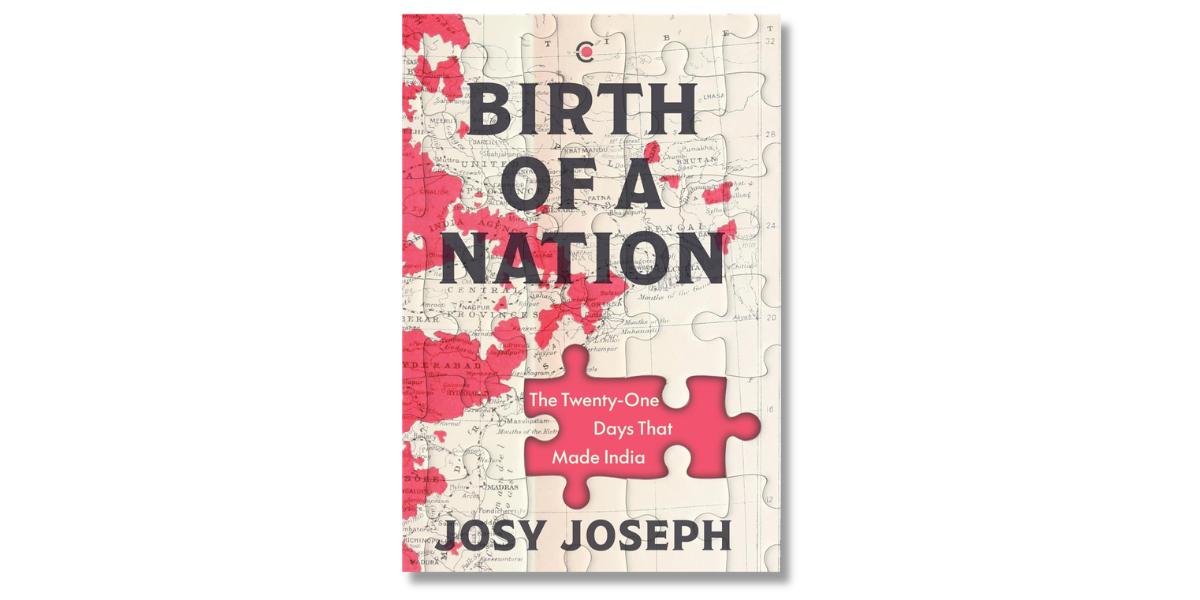
Birth of a Nation: The Twenty-One Days That Made India by the investigative journalist Josy Joseph (Westland, June 2026) reconstructs the three weeks before independence when India’s political future remained uncertain. Drawing on archival records, he traces the efforts of officials in the States Department led by Sardar Vallabhbhai Patel, India’s first deputy prime minister, to prevent dozens of princely states from pursuing independence and fracturing the emerging Indian Union.
A social history of cannabis
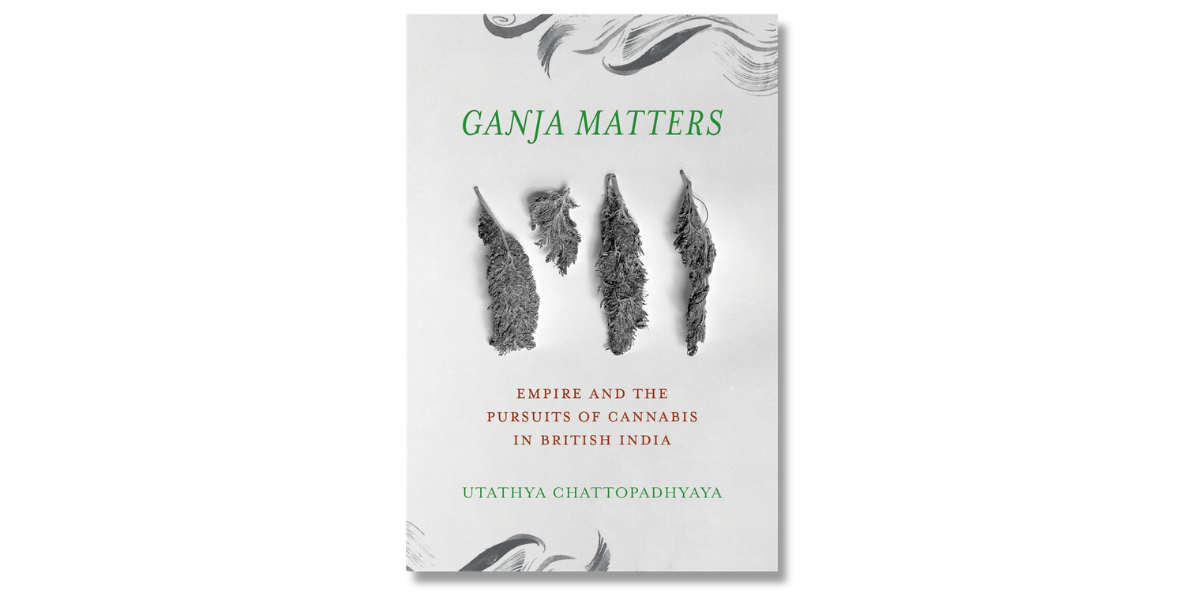
In Ganja Matters: Empire and the Pursuits of Cannabis in British India (University of California Press, June 2026), Utathya Chattopadhyaya traces the social history of cannabis under British rule, following the plant from colonial systems of taxation and regulation to its place in everyday, devotional and creative life. By centring cannabis itself, the book explores the entangled histories of empire, labour, gender and subaltern life in Southasia.
The flavours of Bengal
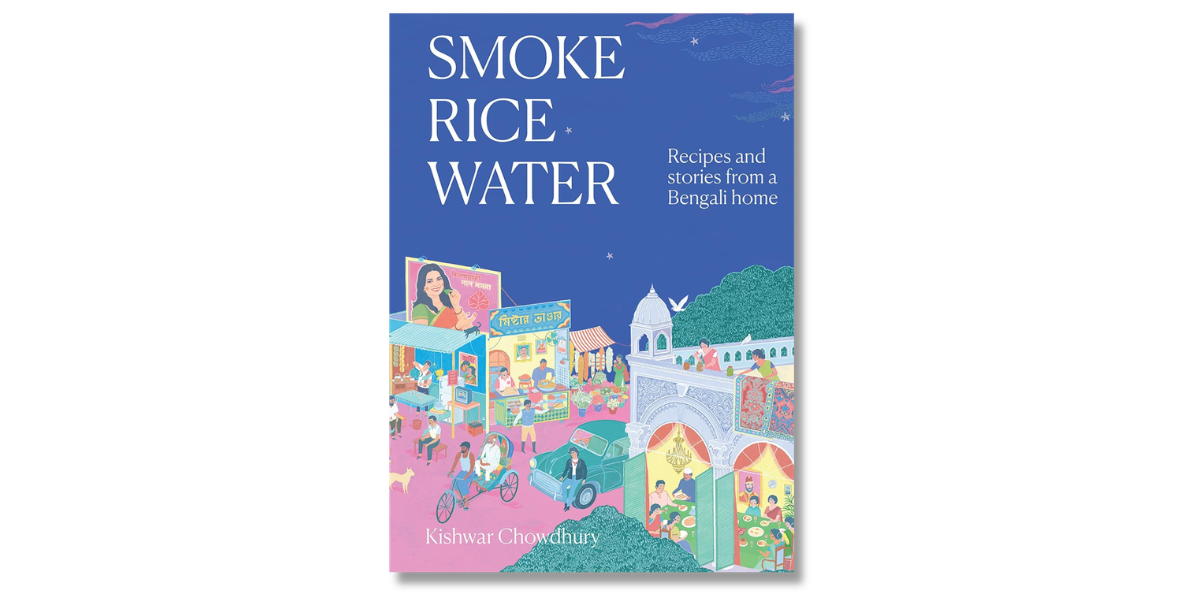
In Smoke, Rice, Water: Flavours from the Bay of Bengal and Beyond (Hardie Grant Books), the MasterChef Australia finalist Kishwar Chowdhury explores the rich culinary traditions of Bengal through 100 recipes shaped by migration, memory and place. Written from her Melbourne kitchen, and drawing on her experience as a second-generation migrant, the book brings together street food, home cooking, Mughal-influenced dishes and cherished sweets while introducing readers to the interconnected food cultures of the region.
🎧 From the SaRB podcast archives: The award-winning food writer Shahnaz Ahsan discusses her new book, The Jackfruit Chronicles, and invites us into her family’s British-Bangladeshi kitchen.
The life of a river
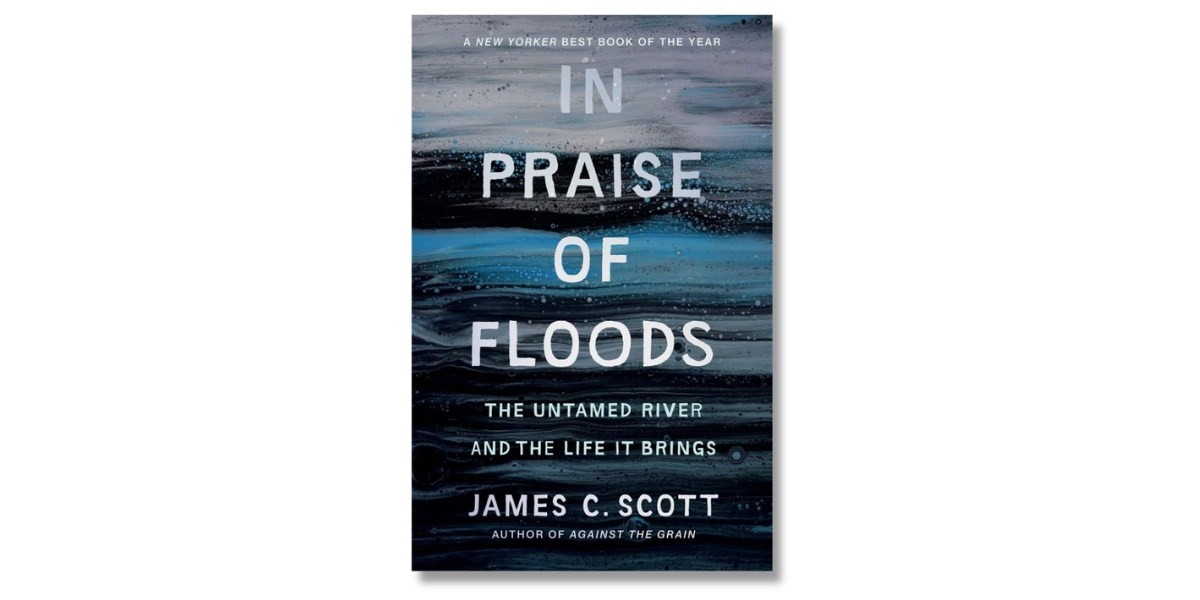
In Praise of Floods: The Untamed River and the Life It Brings by the political scientist James C Scott (Yale University Press, June 2026) turns his attention to the Ayeyarwady River in Myanmar to explore how rivers sustain ecosystems, livelihoods and cultures. Arguing that seasonal flooding is central to riverine life, Scott examines the ecological consequences of dams, levees and other efforts to control waterways, using the Ayeyarwady as a lens on humanity’s broader attempts to reshape the natural world.
New Southasian fiction
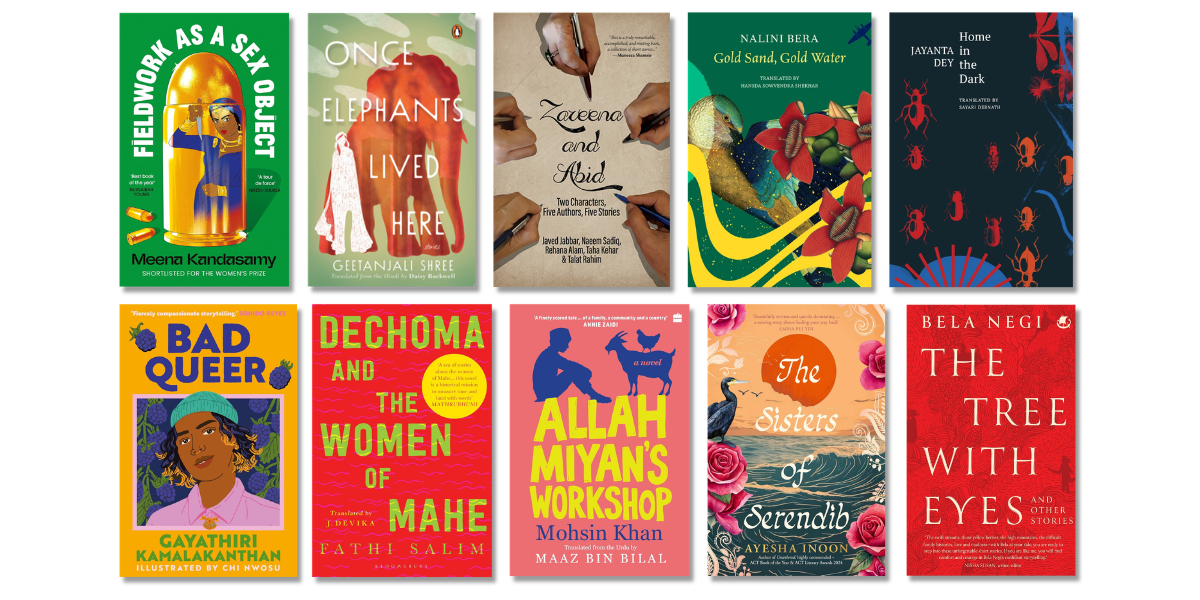
From Kolkata and Karachi to Awadh, Mahe and the Sri Lankan diaspora, this month’s fiction front offers a rich cross-section of contemporary Southasian storytelling. Several of the titles arrive in English translation, alongside new works from some of the region’s best-known contemporary writers.
A deepfake scandal lies at the heart of Meena Kandasamy’s Fieldwork As A Sex Object (HarperCollins/Brazen, June 2026). When a compromising video of a Delhi-born influencer goes viral, the novel follows her attempts to navigate public outrage, political opportunism and digital vigilantism, while probing questions of caste, misogyny and performance in contemporary India.
Eleven inventive stories make up Once Elephants Lived Here (Penguin India, June 2026), Geetanjali Shree’s latest work to appear in English, translated from the Hindi by Daisy Rockwell. Featuring women who fall in love with the sky, compulsive walkers and narrators haunted by grief, the collection showcases the experimentation that would later culminate in the Booker Prize-winning Tomb of Sand.
🎧 From the SaRB podcast archives: The author-translator duo discuss Our City That Year and why its story, inspired by the 1992 demolition of the Babri Masjid, continues to resonate today.
Zareena and Abid: Two Characters, Five Authors, Five Stories (Liberty Publishing, June 2026) brings together five Karachi-based writers – Javed Jabbar, Naeem Sadiq, Rehana Alam, Taha Kehar and Talat Rahim – who each reimagine the same pair of characters, producing a collection that moves between genres while offering a multifaceted portrait of contemporary Pakistan.
🎧 From the SaRB podcast archives: A conversation with Taha Kehar on his recent novel, No Funeral for Nazia, and capturing Karachi in literature.
Along the banks of the Subarnarekha River, where folklore and memory mingle with the pressures of modernity, Nalini Bera’s Gold Sand, Gold Water (Seagull Books, June 2026), translated from Bengali by Hansda Sowvendra Shekhar, traces the lives of Adivasi and Dalit communities confronting social change, caste and loss.
The fifteen stories in Jayanta Dey’s Home in the Dark (Seagull Books, June 2026), translated from the Bengali by Sayari Debnath, peel back the veneer of middle-class respectability to reveal lives shaped by violence, desperation and moral compromise in Kolkata and its suburbs.
In the verse novel Bad Queer (Faber & Faber, June 2026) – illustrated by the Chicago-based Nigerian artist Chi Nwosu – the Tamil poet and producer Gayathiri Kamalakanthan chronicles a non-binary teenager’s journey towards publicly claiming their identity while navigating friendship, family expectations and first love.
Childhood, faith and imagination intersect in Allah Miyan’s Workshop (HarperCollins, June 2026), Mohsin Khan’s acclaimed Urdu novel translated by Maaz Bin Bilal. Set in a village in Awadh, it follows a young boy whose world is transformed when his father is arrested on suspicion of terrorism.
Translated from the Malayalam by J Devika, Fathi Salim’s Dechoma and the Women of Mahe (Bloomsbury, June 2026) centres on Umaiba, a girl on the threshold of adulthood, and the women whose stories, affection and guidance shape her understanding of love, desire and growing up.
The Nainital-based filmmaker Bela Negi’s The Tree With Eyes and Other Stories (Tranquebar, June 2026) explores grief, migration and the fragility of belonging in the western Himalaya. Across tales of estrangement, return and quiet transformation, the mountains emerge as both companion and unsettling force in the lives of those who inhabit them.
In Ayesha Inoon’s The Sisters of Serendib (HQ Fiction, June 2026), three Sri Lankan sisters separated after arriving in Australia as child refugees search for one another decades later, confronting the losses and memories that continue to shape their lives.
Until next time, happy reading!
|
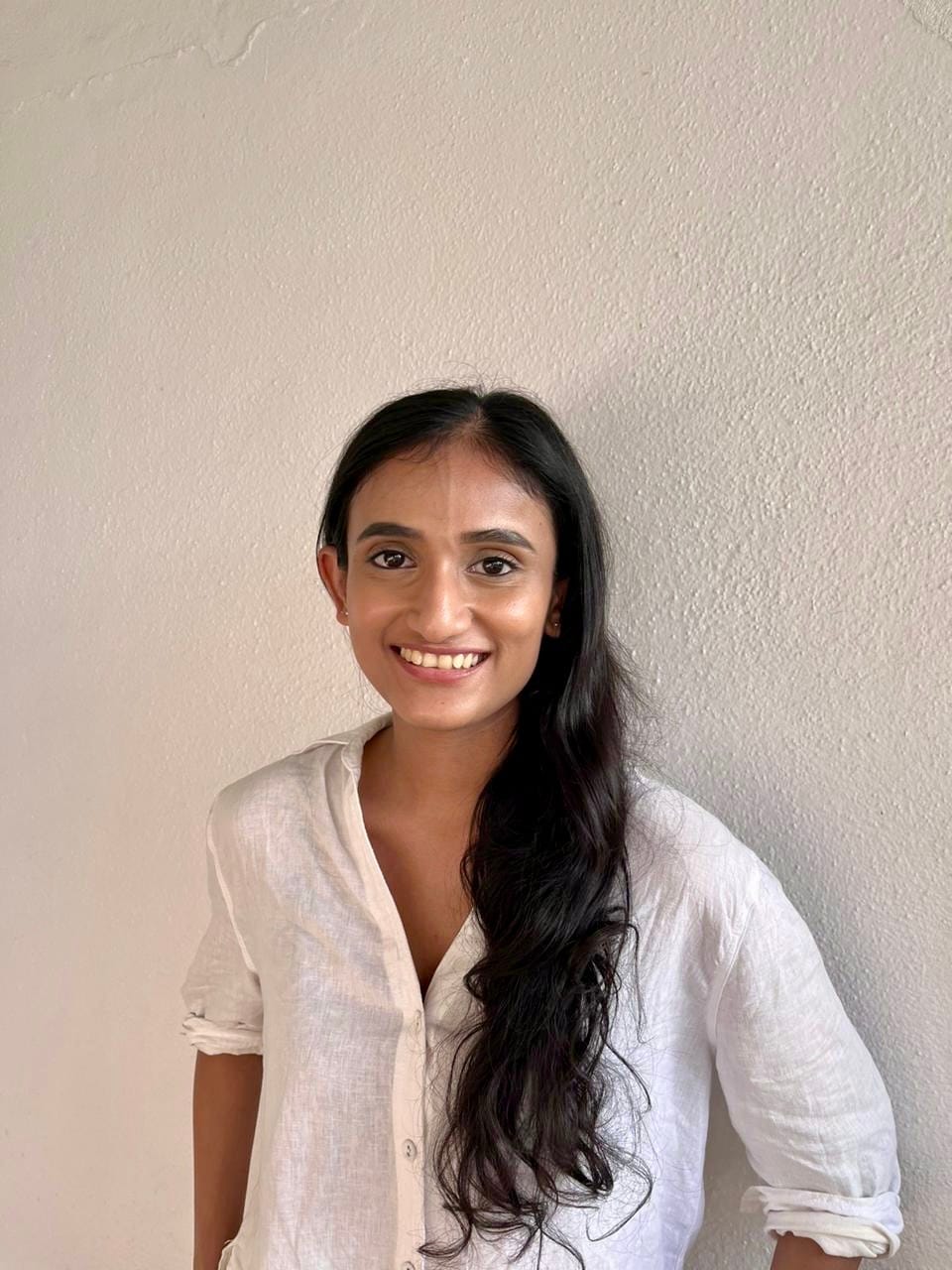
Shwetha Srikanthan
Associate Editor, Himal Southasian
|