

Welcome to the Southasia Review of Books newsletter, Himal’s fortnightly guide to our latest review essays and podcast conversations, alongside a selection of new books, publishing news and literary happenings from across the region.
As a frequent visitor to Colombo’s secondhand bookstores, I have a soft spot for the informal worlds that grow around used or less-than-official books – the sellers who know their stock intimately, the unexpected finds and the small economies built around keeping books in circulation.
So the news that major publishers in India, including Penguin Random House India and Simon & Schuster India, are working with police and investigators on a series of raids against book-piracy networks caught my eye. In their latest campaign, on 20 July in Delhi, more than 1600 pirated books were seized, two people were arrested and a digital print-on-demand operation was dismantled.
Piracy is undoubtedly a major challenge for the publishing industry. But I’m also wary of a response that increasingly treats the informal book trade as something to be policed, rather than asking why readers turn to these markets in the first place.
This brought me back to a SaRB podcast conversation I had with the historian Kanupriya Dhingra about her book, Old Delhi’s Parallel Book Bazaar, which traces the history of the Daryaganj Sunday Book Market and its booksellers through decades of relocation and regulation.
“Delhi readers cannot only rely on institutional bookstores,” Kanupriya told me. “They require these parallel spaces.” The question, then, is not only how to stop pirated books from being printed and sold, but what these markets tell us about access and the spaces that formal publishing leaves behind.
With the crackdown now expanding – and a new edition of Kanupriya’s book out from Speaking Tiger – it feels like a good time to revisit our episode.
And perhaps this is also a good moment to ask for your help in keeping conversations like these going. If you value the work we do, please consider becoming a paying Himal Patron to support SaRB!
What has your experience been with bootleg books? Do you think cracking down on book piracy addresses the problem? I’d love to hear your thoughts. Write to me at shwethas@himalmag.com.
Until next time, happy reading!
|
Shwetha Srikanthan Associate Editor Himal Southasian |
|
📚 From Himal’s pages this fortnight
Our latest reviews, literary essays and conversations
 Ashik Kahina
 Shwetha Srikanthan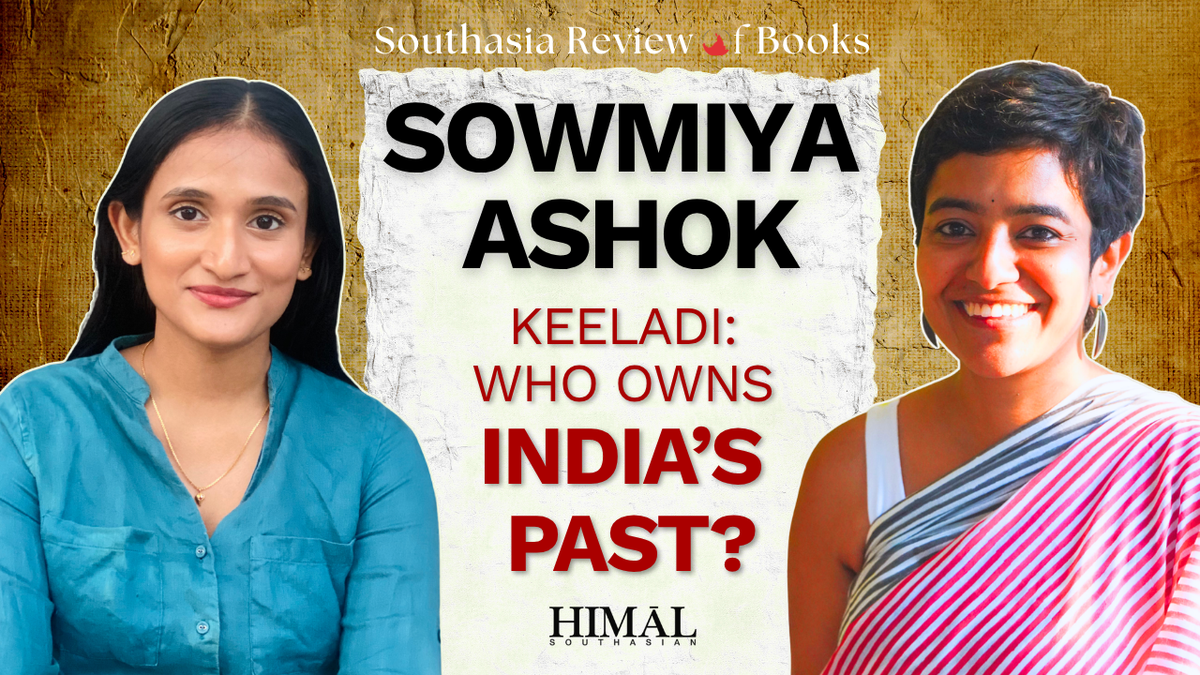
📚 This month in Southasian publishing
New and noteworthy books from across the region
The making of an anti-caste thinker

In A Shudra Life (Hyderabad Book Trust, August 2026) Kancha Ilaiah Shepherd reflects on the journey from his childhood growing up in a traditional shepherding family to becoming an anti-caste thinker, writer and academic. He writes about the divide between his village life and the classroom, his relationship with English, and his encounters with the Brahminical left. He also reflects on how the success of Why I Am Not a Hindu, which turns 30 this year, transformed his public life. Alongside this, he writes more intimately about love, food and the life he wants to lead.
📖 From the Himal Archives: Kancha Ilaiah Shepherd argues that the longevity of caste is tied to that of Hinduism, and examines how the expansion of Christianity, Islam and Buddhism might challenge its hold.
A Bengal divided
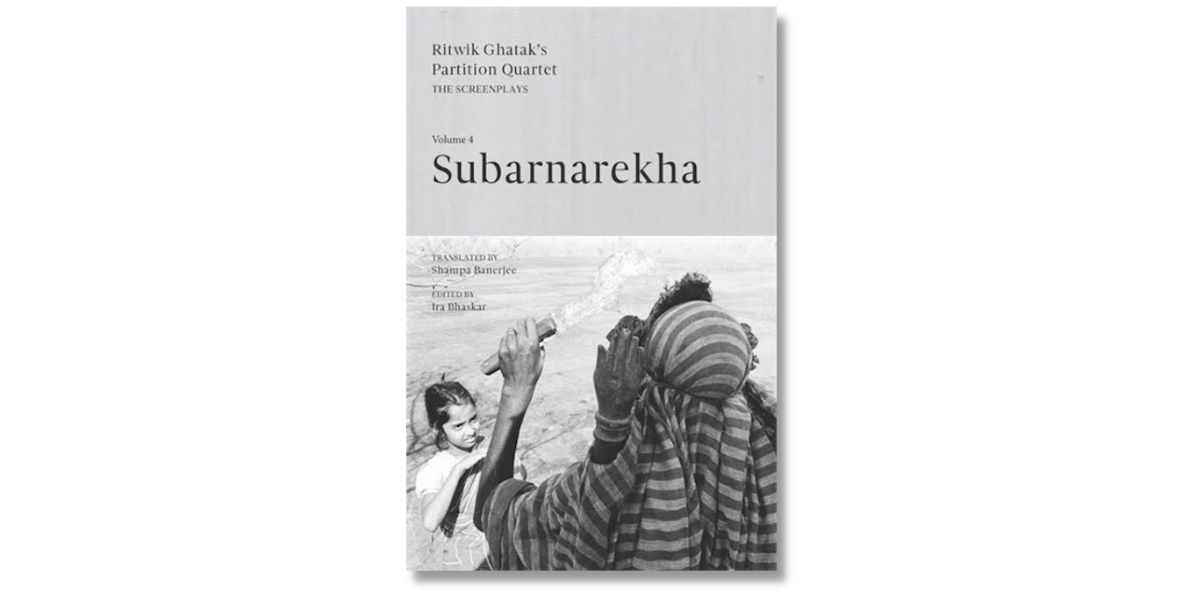
The concluding volume of Ritwik Ghatak’s Partition Quartet: The Screenplays, Subarnarekha (Tulika Books, August 2026), edited by Ira Bhaskar and translated by Shampa Banerjee, brings together the screenplay of the renowned director Ghatak’s devastating account of post-Partition Bengal. It follows refugee families trying to rebuild their lives after displacement and mass migration. Drawing on music, myth and allegory, Ghatak’s “critical melodramatic” style gives the story a wider critique of the violence and dislocation unleashed by Partition, and of the destructive potential of modernity.
📖 From the Himal Archives: Partha Chatterjee revisits Ritwik Ghatak’s films and their enduring power to articulate a Southasian language of cinema.
Ayyankali’s radical interventions
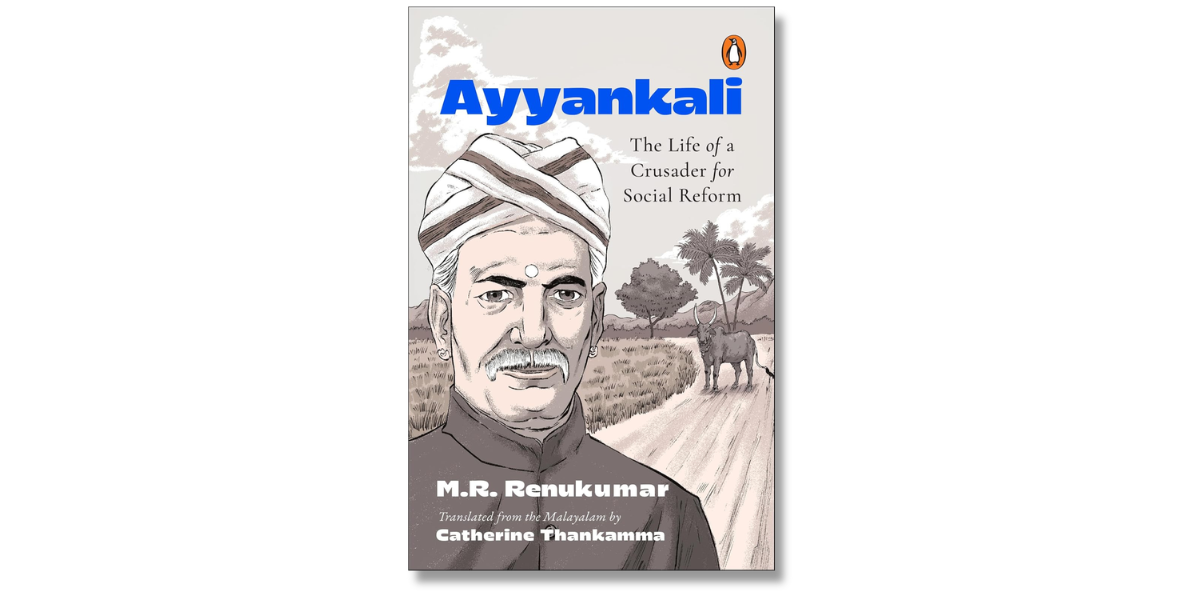
Ayyankali: The Life of a Crusader for Social Reform by M R Renukumar, first published in 2017 and translated from the Malayalam by Catherine Thankamma (Penguin India, August 2026), revisits the life and work of Ayyankali, a pioneering Dalit leader and social reformer in 19th-century Kerala. His call to Dalit agricultural labourers to “leave the fields fallow” was aimed not only at securing better wages but at winning access to education. The biography also explores his role in the campaign against kallayum malayum, markers of the oppression of Dalit women.
Stories of shared inheritance
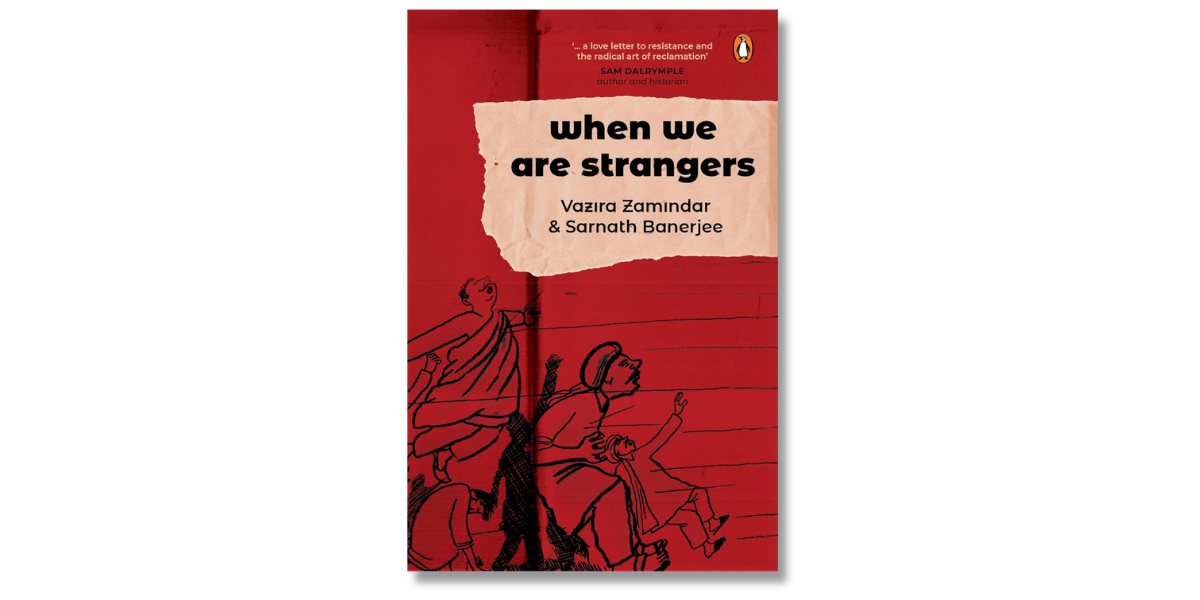
In When We Are Strangers (Penguin India, August 2026), the historian Vazira Fazila-Yacoobali Zamindar and the artist Sarnath Banerjee revisit lesser-known episodes from the anticolonial struggle and the violence of Partition. The graphic novel moves between Gandhi and Khan Abdul Ghaffar Khan’s campaigns of nonviolence and the stories of Mahmud, a photographer, and Sita, a student of history. From the Khudai Khidmatgars Pashtun movement facing British bullets in Peshawar to Gandhi and Bacha Khan travelling through Bengal and Bihar amid Partition violence, the book explores friendship, courage and the possibility of holding on to a shared past.
Inside Delhi University
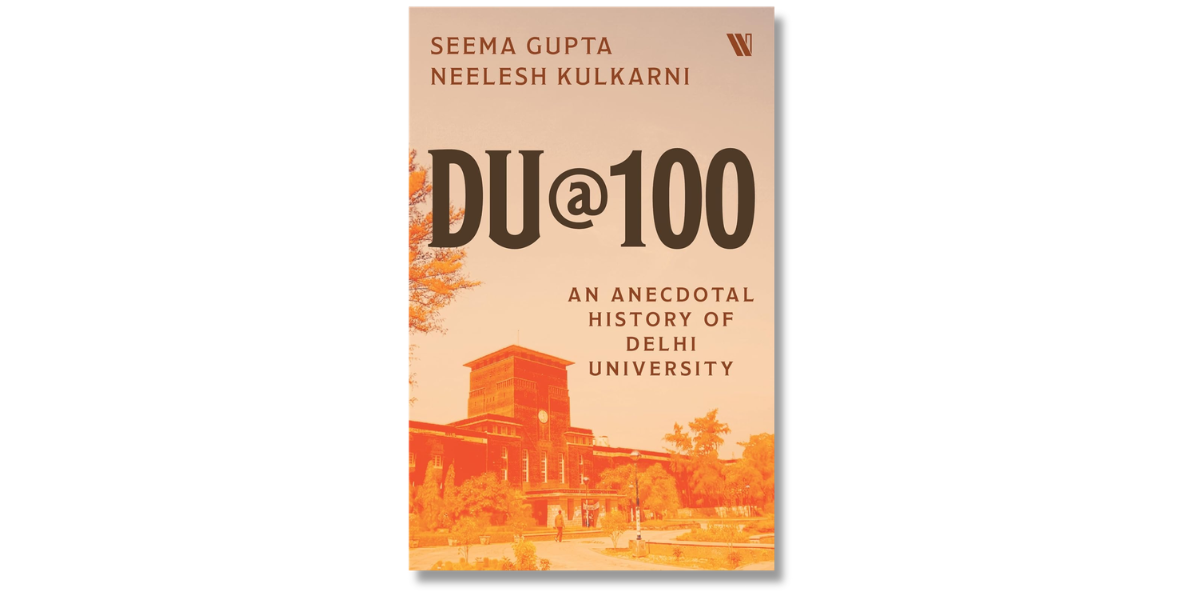
DU@100: An Anecdotal History by Seema Gupta and Neelesh Kulkarni (Westland, August 2026) traces the University of Delhi’s evolution from its founding in the early 20th century to its present-day prominence. Drawing on interviews with vice-chancellors, professors, non-teaching staff, alumni and service providers, the authors bring together stories of the university’s political movements, institutional struggles and everyday life. The result is a portrait of an institution shaped as much by the people around it as by its formal history.
Friendship, caste and conviction
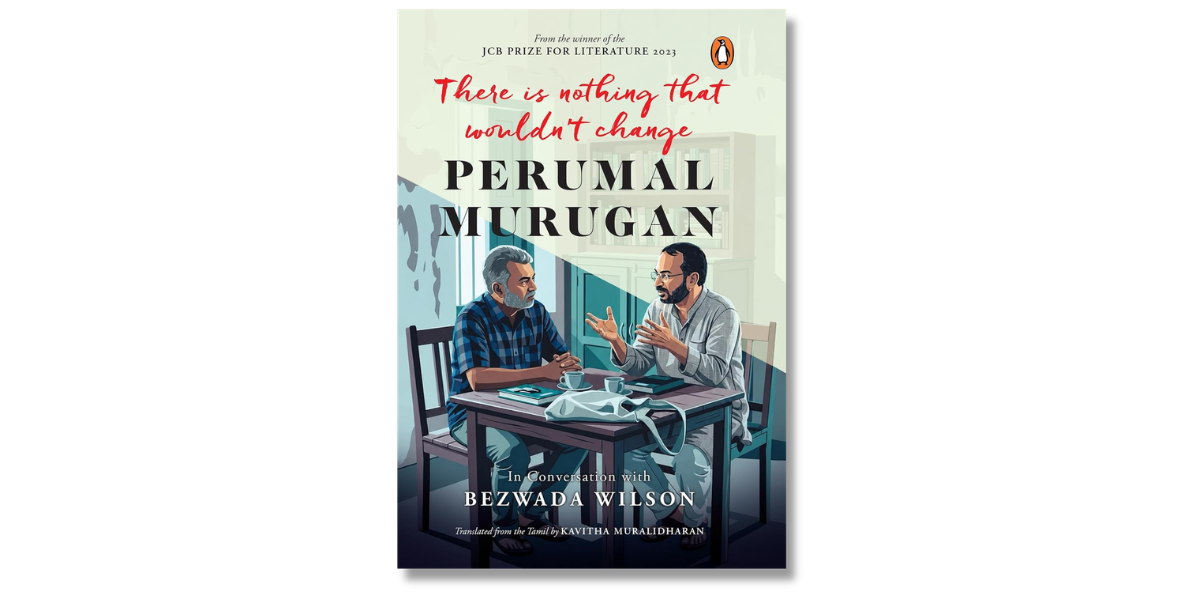
There Is Nothing That Wouldn’t Change (Penguin India, August 2026), a conversation between the Tamil writer Perumal Murugan and the social activist Bezwada Wilson, translated by Kavitha Muralidharan, grew out of a friendship formed during one of the most difficult periods of Murugan’s life. Wilson reflects on his decades-long campaign to eradicate manual scavenging and secure dignity for sanitation workers, while the conversation ranges more widely across caste, politics, conviction and doubt. Personal and unscripted, the exchange also offers a portrait of a friendship shaped by a shared belief in a more equal society.
Displacement and belonging
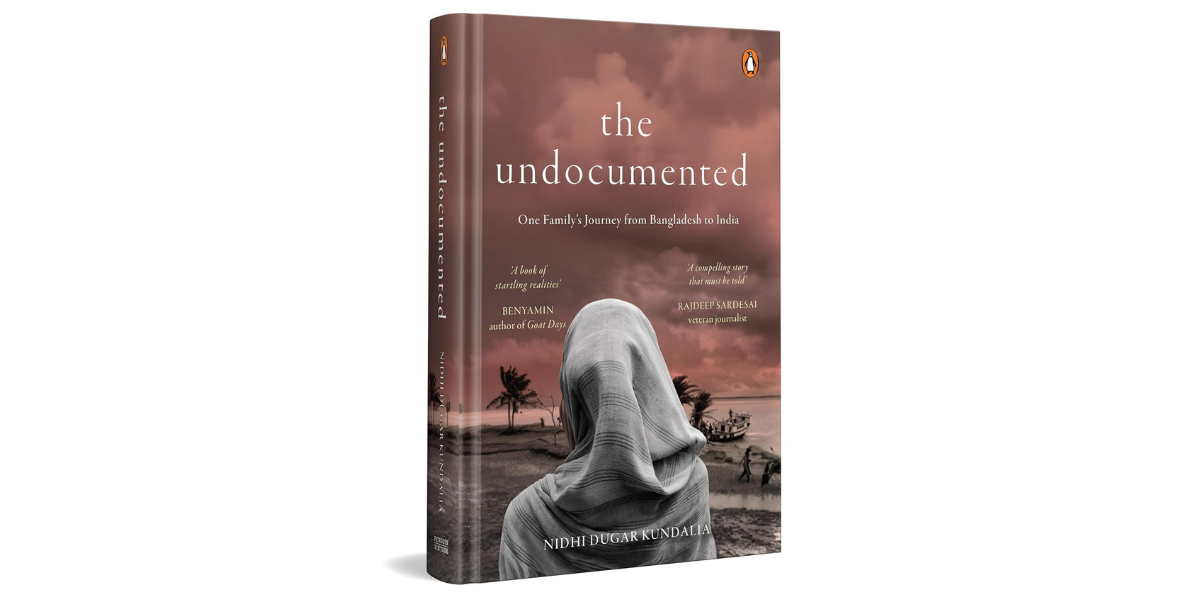
In The Undocumented: One Family’s Journey from Bangladesh to India (Penguin India, August 2026), the journalist Nidhi Dugar Kundalia follows Safrat and her two children as they leave the Sundarbans after Cyclone Aila destroys their home and livelihood in 2009. Their journey to Kolkata becomes a story of migration, hidden identities and a family struggling to stay together. Drawing on over a decade of fieldwork in a Kolkata settlement, Kundalia explores why people leave their homes, how they navigate an unfamiliar country and what it takes to build a life on the other side.
📖 From the Himal Archives: Kanika Gupta and Safina Nabi report on undocumented Bangladeshi climate migrants in India, caught between the effects of climate displacement and an increasingly hostile political climate.
Disease and the limits of Empire
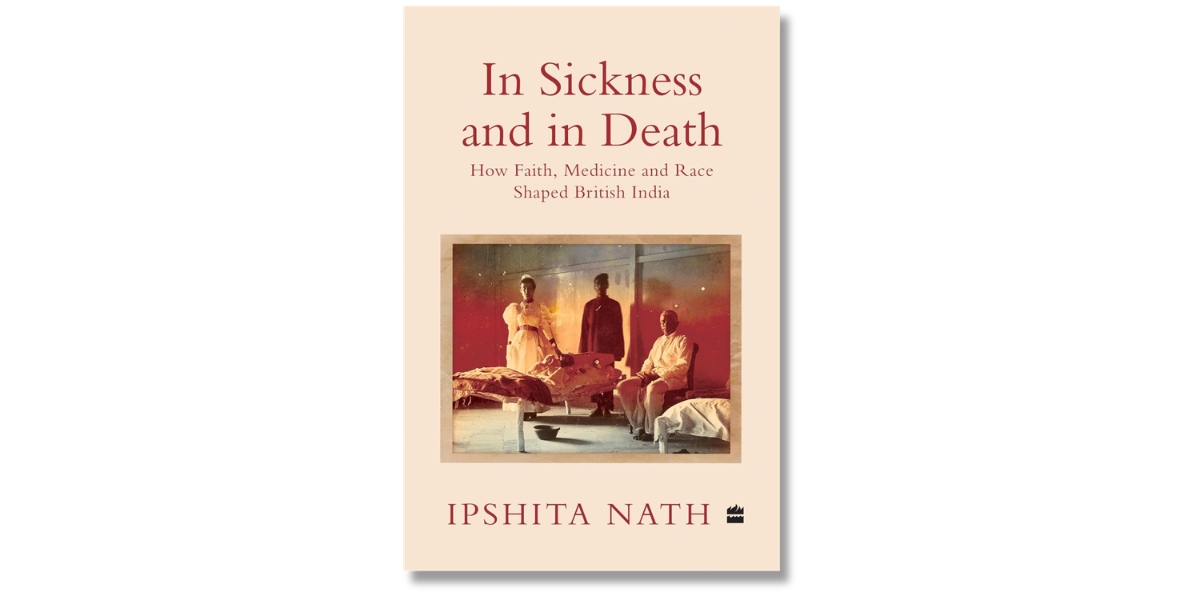
In In Sickness and in Death: How Faith, Medicine and Race Shaped British India (HarperCollins India, August 2026), Ipshita Nath examines how disease shaped colonial rule in India. From recurring epidemics to everyday illness, the vulnerability of British soldiers and officials challenged assumptions about the power of European medicine and the supposed invincibility of the colonial state. Drawing on medical and historical research, Nath traces how disease influenced imperial policy and everyday life, while considering the ways its politics of fear and inequality continue to resonate today.
📖 From the Himal Archives: Pratinav Anil reviews David Arnold’s Pandemic India, considering what Covid-19 reveals about India’s longer history of epidemics from the time of the British Raj to the Modi government.
A life in the freedom struggle
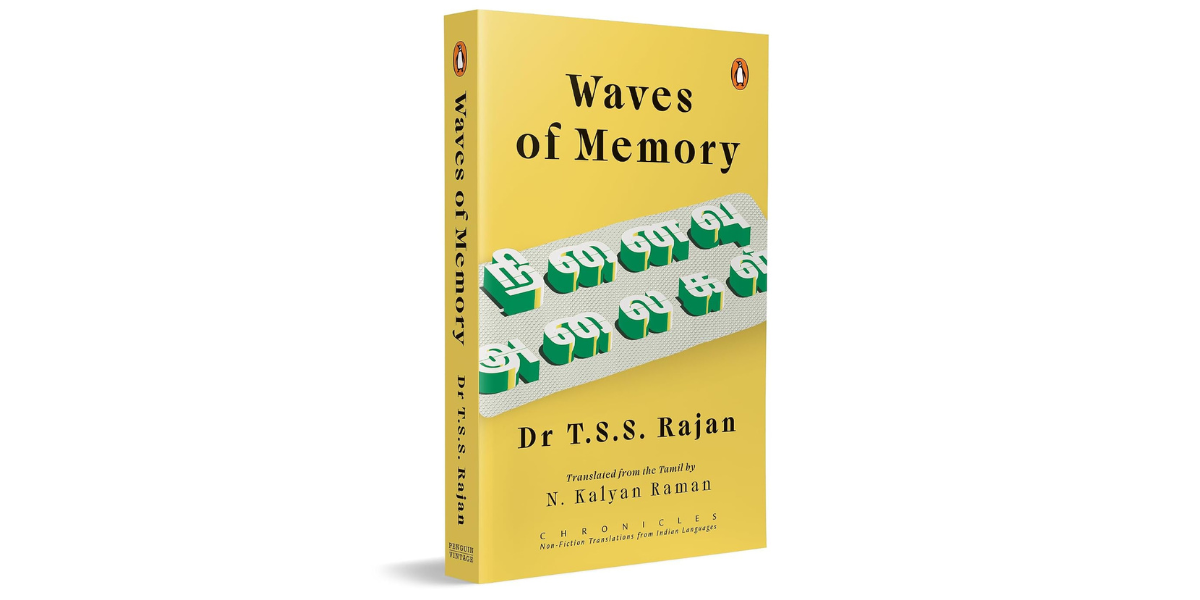
Waves of Memory (Penguin India, August 2026), the memoir of the 20th-century freedom fighter and politician T S S Rajan, translated from the Tamil by N Kalyan Raman, traces a life that took him from Srirangam and Madras to Rangoon and England. A surgeon and minister who worked alongside Mohandas Gandhi and C Rajagopalachari, Rajan reflects on the people and events that shaped him, from the inequities of colonial rule to the demands of public life and the persistence of poverty. His memoir also offers a window into the social and political changes of two generations of British India.
India’s next economic turn
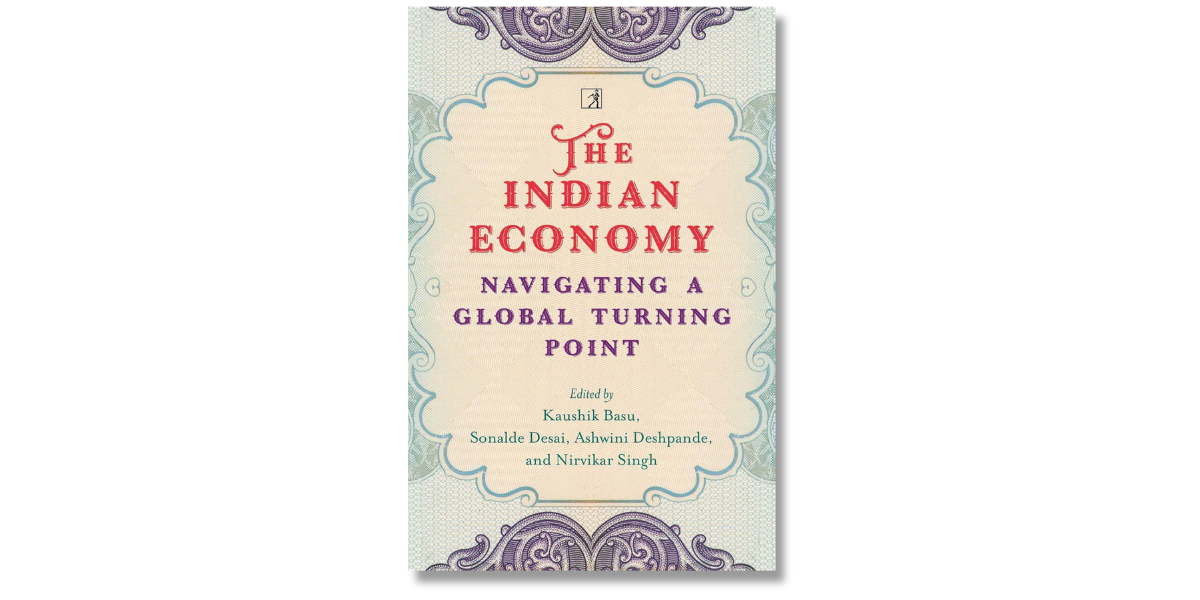
India’s economy is at another turning point, three decades after liberalisation reshaped the country’s economic landscape. The Indian Economy: Navigating a Global Turning Point (Simon & Schuster India, August 2026), edited by Kaushik Basu, Sonalde Desai, Ashwini Deshpande and Nirvikar Singh, brings together economists, business leaders and policy thinkers to consider what comes next. The collection looks at the challenges posed by artificial intelligence, climate risk, inequality, youth unemployment and a fractured global economy, while asking whether India can turn its demographic and technological advantages into broader-based growth and good jobs.
📖 From the Himal Archives: Shashank Kela reviews Pulapre Balakrishnan’s history of India’s economy, and considers the social and political forces missing from the story.
Goan lives across continents
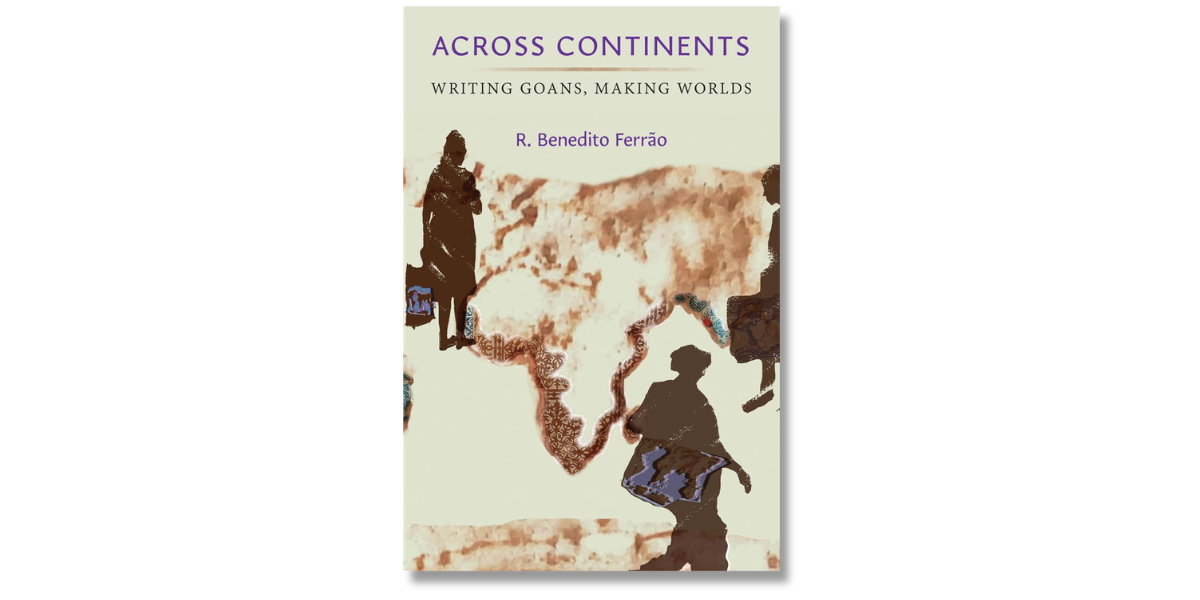
In Across Continents: Writing Goans, Making Worlds (University of Michigan Press, August 2026), R Benedito Ferrão examines how Goan writers have represented lives shaped by Portuguese and British colonialism. Reading novels by Salman Rushdie, M G Vassanji, Roger King and Margaret Mascarenhas, Ferrão follows Goan characters across Asia, Africa, Europe and North America, asking how migration and colonial histories have shaped ideas of citizenship, nationality and belonging. By focusing on figures often left at the margins, the book offers a way of thinking about postcolonial identity beyond the usual national boundaries.
The battle for Assam
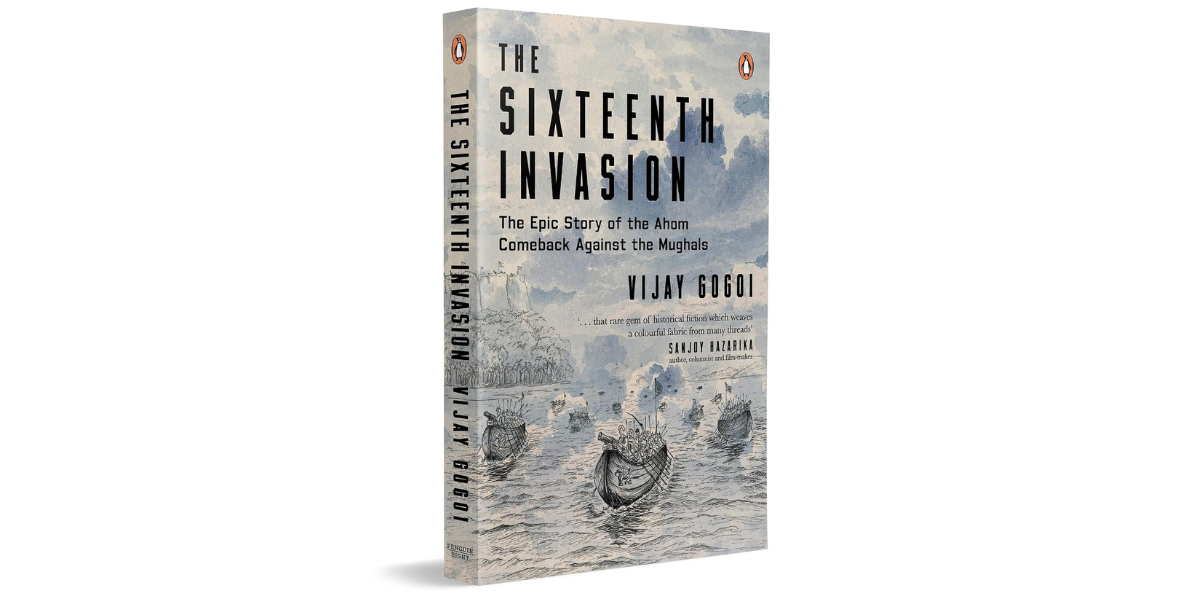
In The Sixteenth Invasion: The Epic Story of the Ahom Comeback Against the Mughals (Penguin India, August 2026), Vijay Gogoi recounts two major Mughal attempts to conquer the Ahom kingdom of Assam and the strategies that enabled the Ahoms to resist them. The book explores how the kingdom used its landscape – from the Brahmaputra and torrential rains to the region’s difficult terrain – to its advantage, while tracing the rivalries, political intrigue and shifting loyalties surrounding the conflicts.
A reader for a changing planet
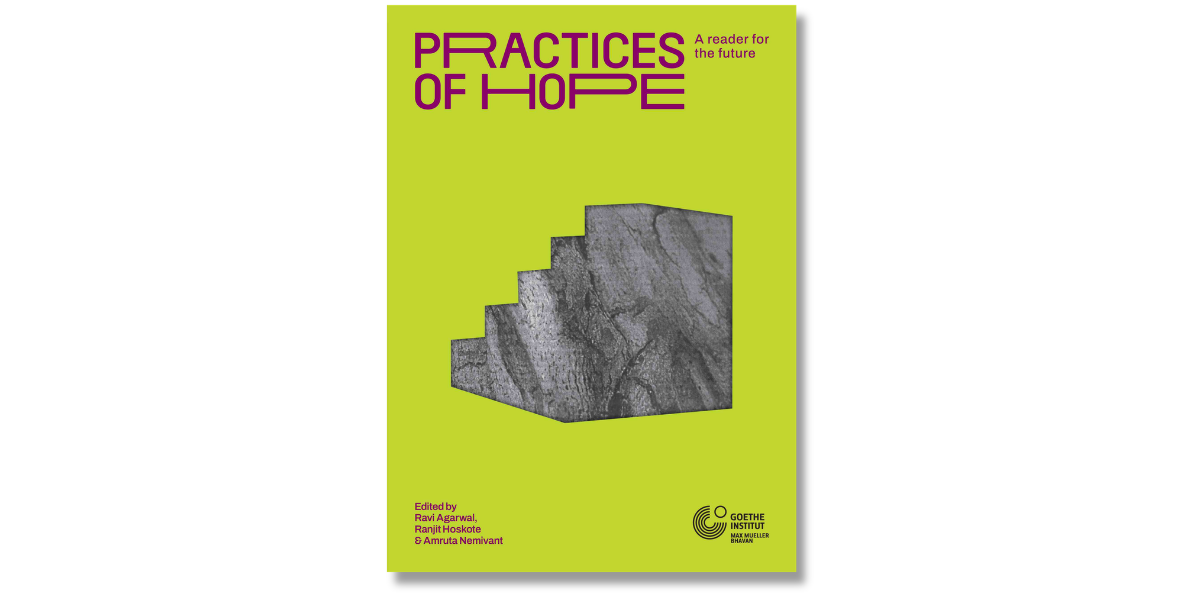
How do we think about the ecological crisis when no single field can claim all the answers? Practices of Hope: A Reader for the Future, edited by Ravi Agarwal, Ranjit Hoskote and Amruta Nemivant (Niyogi Books, August 2026), brings together writers, artists, scientists and activists reflecting on the crisis at both local and planetary scales, and the possibilities of collective action in a changing world. Their contributions range from personal accounts and conversations to research and creative work, exploring how different ways of knowing can help us understand ecological change and imagine more viable futures.
📖 From the Himal Archives: Why does Western climate fiction so often look to Southasia to imagine climate catastrophe? An essay by Evan Tims considers the problem, and the growing body of climate fiction written by Southasians themselves.
New Southasian fiction
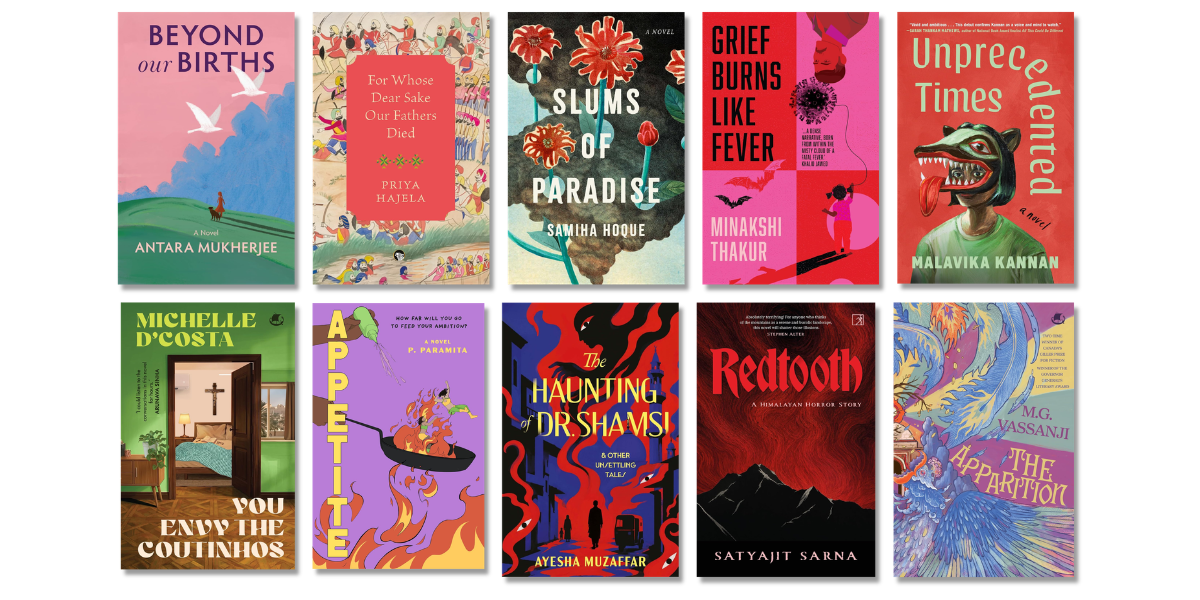
This month’s new fiction offerings move between borders, generations and imagined worlds. Families carry the weight of Partition and migration; young protagonists negotiate questions of identity and belonging; and the past returns in stranger, more supernatural forms. Together, these novels look at the stories people inherit and the ones they try to rewrite.
Beyond Our Births by Antara Mukherjee (Bloomsbury, August 2026) follows Nimki, who is abandoned near the India–Bangladesh border at the age of five and taken in by a family in Kolkata. As she grows up in the shadow of their daughter, she struggles with displacement, class and the question of where she belongs. Spanning nearly a decade, the novel explores the making of family and identity beyond the circumstances of one’s birth.
For Whose Dear Sake Our Fathers Died by Priya Hajela (Speaking Tiger, August 2026) traces a Sikh family across nearly a century of war, empire and resistance. Beginning with family stories passed down through generations, it moves from the Anglo-Sikh Wars and the uprising of 1857 to the Komagata Maru and Partition. At its heart is the question of what families inherit from the past – and how memory, loyalty and contradiction shape the stories they tell about themselves.
The past is more immediate in Slums of Paradise by Samiha Hoque (She Writes Press, August 2026), which connects two generations of a Bengali family across the 1971 Liberation War. In 1970s Sylhet, Sumaya and Murshed find their lives upended by the conflict and the political divisions around it. Four decades later, their children Hinna and Burhaan find themselves drawn together across a very different set of distances, as the legacies of war and family expectations continue to shape their choices.
In Grief Burns Like Fever (Tranquebar, August 2026), Minakshi Thakur returns to Delhi during the second wave of the Covid-19 pandemic, following an ambulance driver as he ferries patients and bodies across the city. Along the way he encounters grief, exploitation and extraordinary acts of solidarity, from a child who has lost his mother to sex workers and hijras supporting one another through the crisis. The novel is an elegy for the pandemic years and the quiet forms of care that sustained people through them.
A different kind of reckoning unfolds in Unprecedented Times by Malavika Kannan (Henry Holt and Co, August 2026). Rishi arrives at Stanford determined to reinvent herself after years as a climate activist, only for the pandemic to upend her plans. As she and her friends retreat to a farm collective, friendships, romances and political convictions begin to fray, forcing Rishi to reconsider the stories she has been telling about herself.
For You Envy the Coutinhos (Tranquebar, August 2026), Michelle D’costa turns to migration and the myths of a better life abroad. Joachim leaves Mangalore for Bahrain hoping to make a success of himself, only to find the loneliness and pressures of life in the Gulf harder than expected. Back home, his nephew Darrel envies the life he imagines his uncle has built. The result is a darkly comic story about ambition, family and the gap between migration’s promise and reality.
Appetite by P Paramita (Dial Press, August 2026) follows Zarina, an underpaid prep cook at a New Haven restaurant who transforms leftover ingredients into versions of the Bangladeshi food she grew up eating. Her life takes an unexpected turn when her posts about her professional-wrestling idol, Sierra Myst, lead to an unlikely friendship. But as Zarina becomes increasingly entangled in Sierra’s life, her desire to please her idol begins to threaten her own ambitions.
The line between the familiar and the uncanny blurs more explicitly in The Haunting of Dr Shamsi: And Other Unsettling Tales by Ayesha Muzaffar (Pan Macmillan India, August 2026). Set across Lahore and Karachi, these slow-burning horror stories follow characters caught between grief, trauma and experiences that resist rational explanation. Drawing on true accounts, Muzaffar’s collection finds its horror in the uneasy spaces between memory, psychology and the supernatural.
Redtooth: A Himalayan Horror Story by Satyajit Sarna (Simon & Schuster India, August 2026) takes a group of trekkers into the foothills of Khangchendzonga, where tensions and old secrets surface as the weather turns and the physical world begins to give way to something older. When the group takes refuge in a mountain hut and encounters a stranger, the trek becomes a confrontation with the mountains’ own rules.
And in The Apparition (Tranquebar, August 2026) the acclaimed author M G Vassanji imagines a 13th-century Delhi haunted by famine, invasion and political intrigue – and then by something far stranger. When an enigmatic object appears in the sky, the Sultan sends the Sufi poet and intellectual Amir Hassan al-Shirazi to investigate. His search ends with the arrival of the Avians, strange half-human, half-bird creatures who take over the city.