

Welcome to the Southasia Review of Books newsletter, Himal’s fortnightly guide to our latest review essays and podcast conversations, alongside a selection of new books, publishing news and literary happenings from across the region.
If you enjoy having SaRB in your inbox, please consider becoming a paying Himal Patron today to support our work!
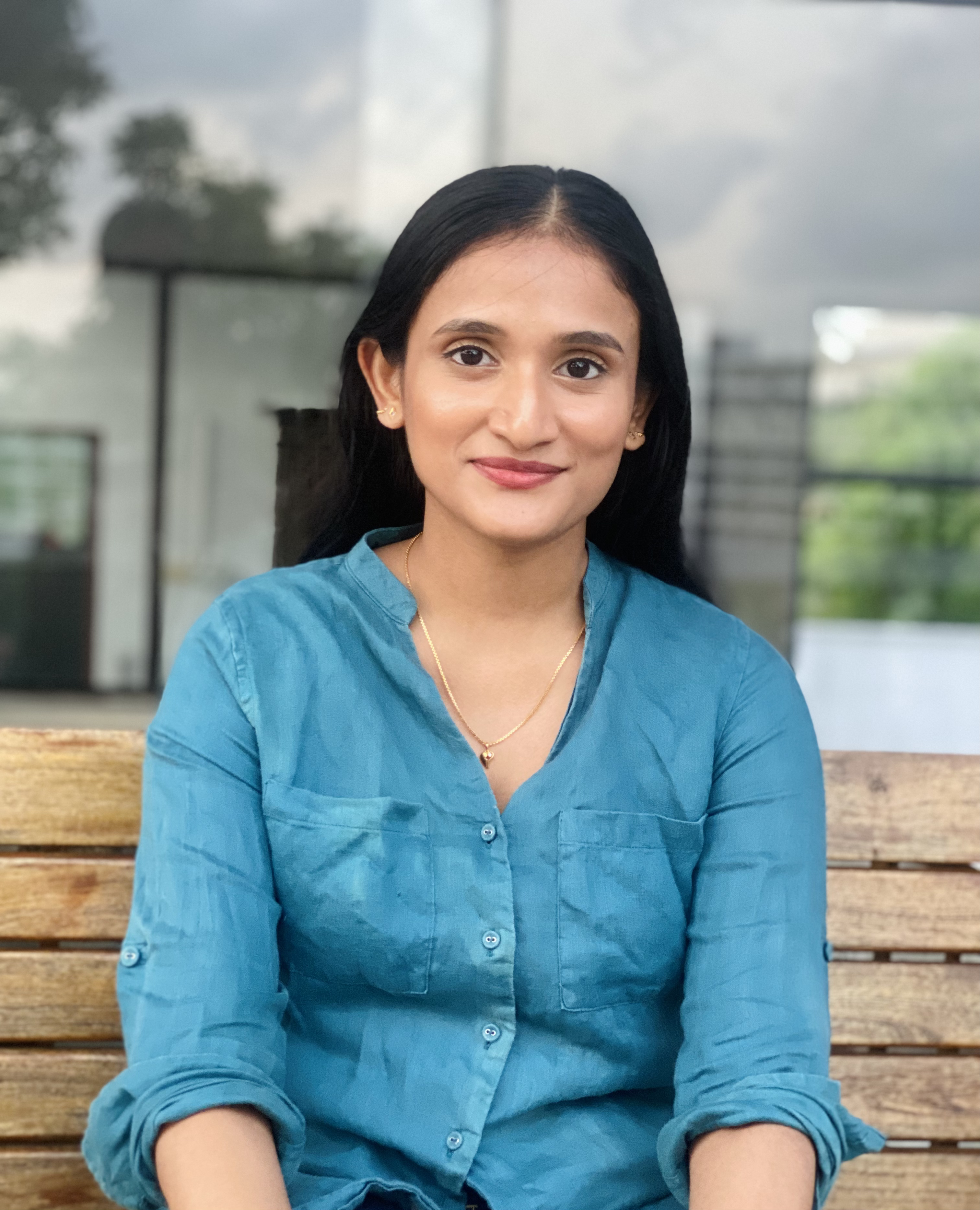
I was working on the final round of edits on Sukhada Tatke’s review of Anuradha Roy’s Called by the Hills: A Home in the Himalaya when the deadly flash flood hit Nepal and Tibet. As the scale of the disaster became clearer, we added to the essay when the death toll and number of missing people were still in the hundreds. A few days later, we had to change “hundreds” to “thousands”. As Sukhada put it, it was the most heartbreaking edit.
It’s hard not to read the book differently after that. Roy has spent more than two decades in the northern Indian hill station of Ranikhet, writing about the forests, animals, people and everyday rhythms of a place she has made her home. Her deep familiarity with the landscape also brings its changes into sharper view: wildlife loss, deforestation and unsustainable development, alongside an increasingly unpredictable climate and more frequent, more devastating disasters.
It can be easy to dismiss the idea that simply paying attention can make a difference in the face of environmental destruction on this scale. But I’m not sure we should. The best nature writing gives us a different way of looking at the world.
That’s what I found most compelling about Sukhada’s review. She writes that Roy’s careful observation doesn’t offer a solution to the ecological crisis; it asks us to see it more clearly. Making us look closely, and making it harder to look away, may be one of the most impactful things writing can do.
Also published over the last week in Himal’s pages: our founding editor Kanak Mani Dixit examines what the disaster reveals about the environmental and geopolitical vulnerabilities facing Southasia, while Pranaya Rana recounts narrowly escaping the flash flood and reflects on the precarity of life in Nepal amid a climate crisis.
|
Shwetha Srikanthan Associate Editor Himal Southasian |
|
📚 From Himal’s pages this fortnight
Our latest reviews, literary essays and conversations
 Sukhada Tatke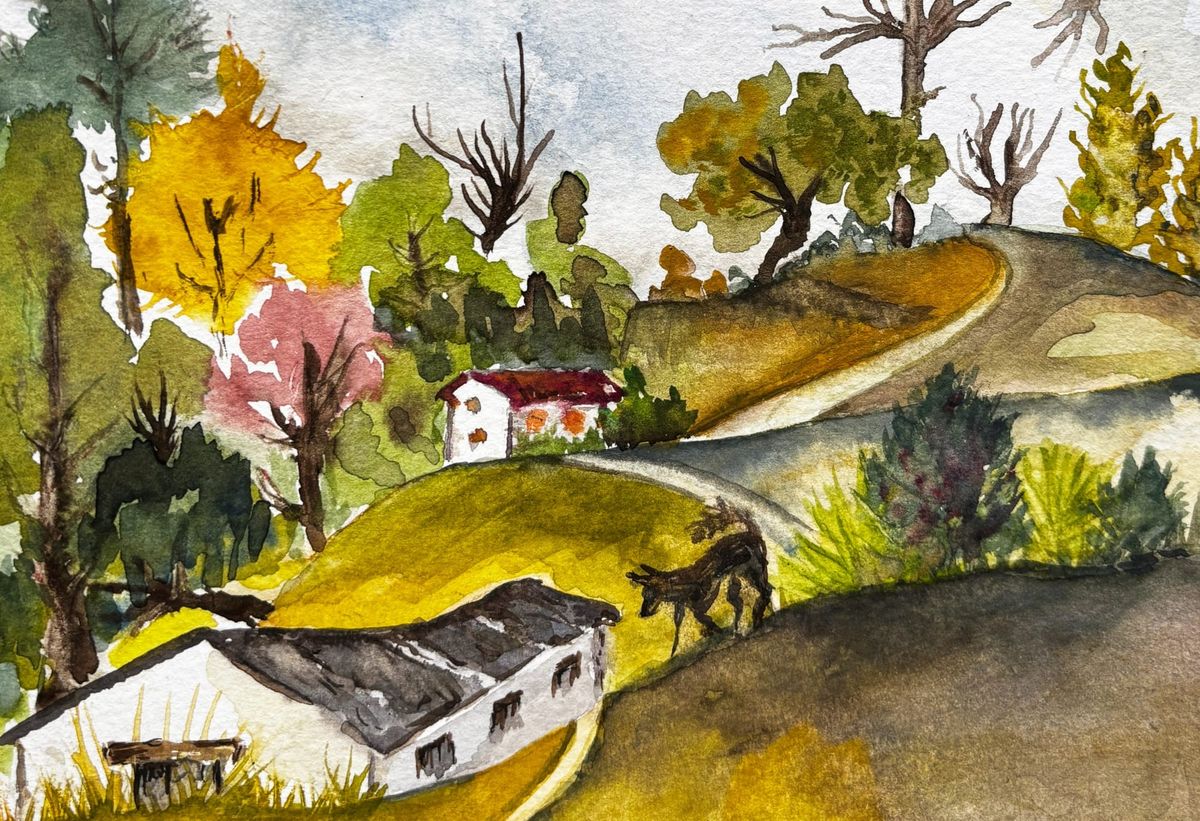
📚 Spotlight
A roundup of Southasian literary events, awards, opportunities and publishing news
Applications are now open for the 2027 ALTA Emerging Translator Mentorship Programme, which pairs emerging translators with mentors for a year-long project. The 2027 cohort includes mentors working across several Southasian languages and literary traditions: Aruni Kashyap (Assamese), Rohan Chhetri (Nepali), Haider Shahbaz (Panjabi), Rita Kothari (Sindhi), and Peter Constantine (Tamil), alongside Anton Hur, whose mentorship focuses on speculative fiction from a Southasian language. Applications close 30 November 2026.
Find out more and apply through ALTA here.
📚 This month in Southasian publishing
New and noteworthy books from across the region
Graphic histories of genocide
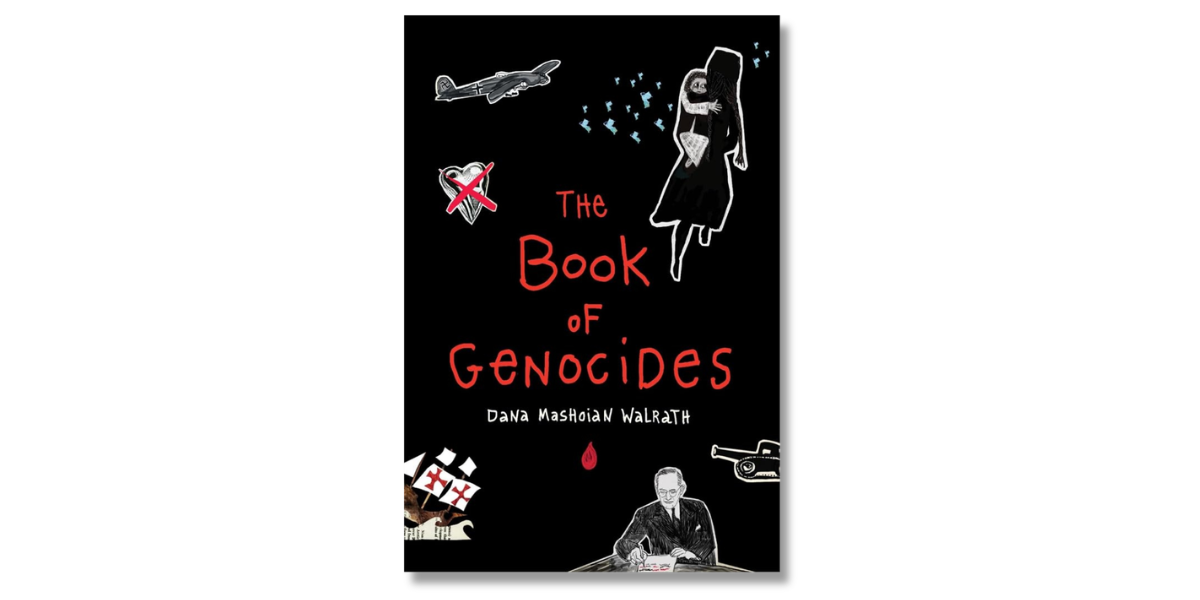
The award-winning writer and artist Dana Mashoian Walrath, a descendant of genocide survivors, traces 10 genocides across five centuries in The Book of Genocides (Harvard University Press, September 2026). Covering atrocities from the devastation of Indigenous peoples in the Americas to the Holocaust, the persecution of the Rohingya and the genocide in Gaza, the book follows how dehumanisation enables mass violence. Rather than treating these atrocities as distant historical events, Walrath uses an interactive graphic format to confront readers with the humanity of those targeted and with histories that remain painfully present.
From the Himal archives: Harsh Mander considers India’s complicity in Israel’s war in Gaza, and Salil Tripathi traces the Rohingya’s long struggle for survival and belonging in the shadow of genocide.
Gandhi and Tolstoy in conversation
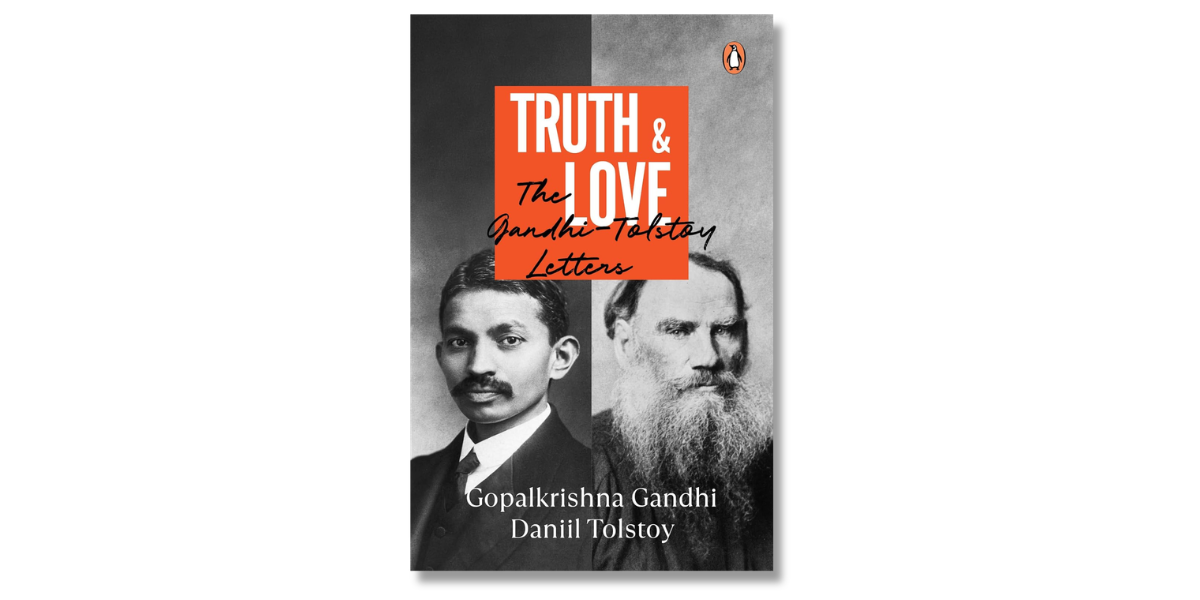
Truth and Love: The Gandhi-Tolstoy Letters by Gopalkrishna Gandhi and Daniil Tolstoy (Penguin Viking, September 2026) revisits the correspondence between two of the most influential thinkers on non-violence and social justice. Alongside the letters, the authors – Gandhi’s grandson and Tolstoy’s descendant – reflect on their ancestors’ intellectual exchange and what their ideas might offer the world today.
From the Himal archives: An excerpt from Chandu Maheria’s memoir, translated by Hemang Ashwinkumar, on Gandhi’s place in Dalit life and political thought.
Nepal in a changing world order
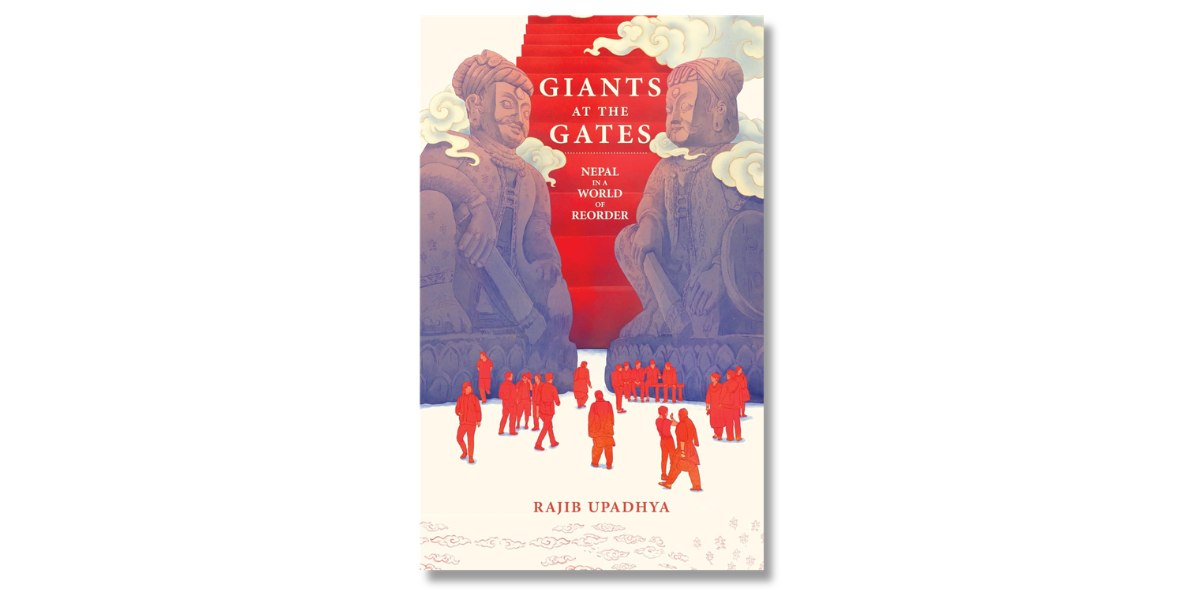
Giants at the Gates: Nepal in a World of Reorder by Rajib Upadhya (FinePrint, September 2026) looks at Nepal at a moment of political and geopolitical flux. As global power structures shift towards multipolarity, Upadhya asks what this could mean for Nepal, a country caught between larger neighbours and wider forces. He probes what problems Nepal needs to solve – and what opportunities it might seize – as the world around it changes.
From the Himal archives: Do political cabals and business cartels explain the woes of Nepal’s economy? Sovit Subedi reviews Rajib Upadhya’s Cabals and Cartels: An Up Close Look at Nepal’s Turbulent Transition and Disrupted Development.
The Indian Ocean in motion
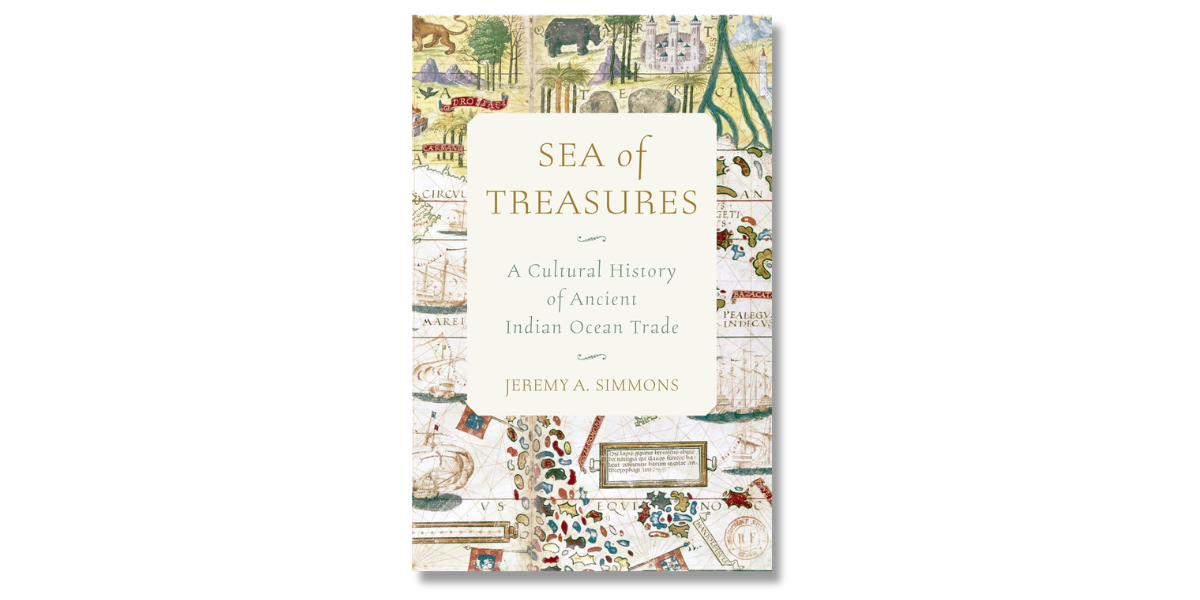
In Sea of Treasures: A Cultural History of Ancient Indian Ocean Trade (Princeton University Press), Jeremy A Simmons explores how trade across the Indian Ocean shaped the wider ancient world. Drawing on archaeological and textual sources from Southasia and the Mediterranean, Simmons looks at how imported goods influenced the people and societies that encountered them, challenging the idea that these exchanges were driven primarily by Mediterranean powers.
From the Himal archives: A conversation with the historian Sujit Sivasundaram on Waves Across the South, his sweeping rethinking of the “age of revolution” through the oceanic histories of the Global South.
The angry feminist

Two new books turn to women as a force for resistance and liberation – both in the present and throughout Southasian history.
Why The World Needs Angry Women by the journalist and feminist author Nilanjana Bhowmick (Aleph Book Company, September 2026) makes the case for women’s anger as a force for social change. Drawing on conversations with 13 women – including activists, artists and mothers who have fought against injustices – Bhowmick considers why women are so often expected to suppress their anger, and what happens when they refuse to.
In Forgotten Feminisms: A Subversive Retelling of Indian Womxn’s Resistance (Aleph Book Company, September 2026), Sindhu Rajasekaran looks back at Indian history through the women who have too often been left out of it. From Savitribai Phule to Rani Lakshmibai, and generations of Dalit, queer, tribal and working women, she traces a long history of resistance to caste, patriarchy and colonialism.
From the Himal archives: Laxmi Murthy asks what happened to feminist outrage as women’s rights became absorbed into the language of “gender mainstreaming”.
South India at the crossroads of Empire
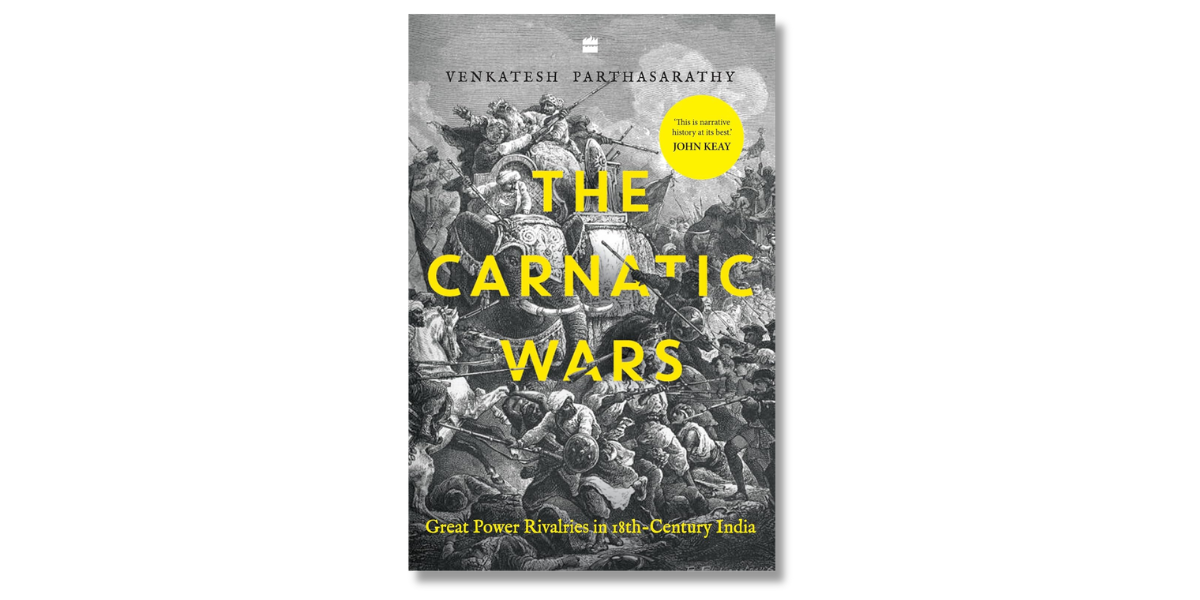
In the mid-18th century, a succession struggle over the Nawabship of Arcot in present-day Tamil Nadu drew in French and English trading companies and set off decades of warfare. The Carnatic Wars: Great Power Rivalries in Eighteenth-Century India revisits this pivotal period, challenging the familiar story centred on French and British imperialists. Venkatesh Parthasarathy shows how local rivalries became entangled with global power struggles, and how the military lessons of these conflicts helped lay the foundations of British expansion across the Subcontinent.
Love, loss and the Himalaya
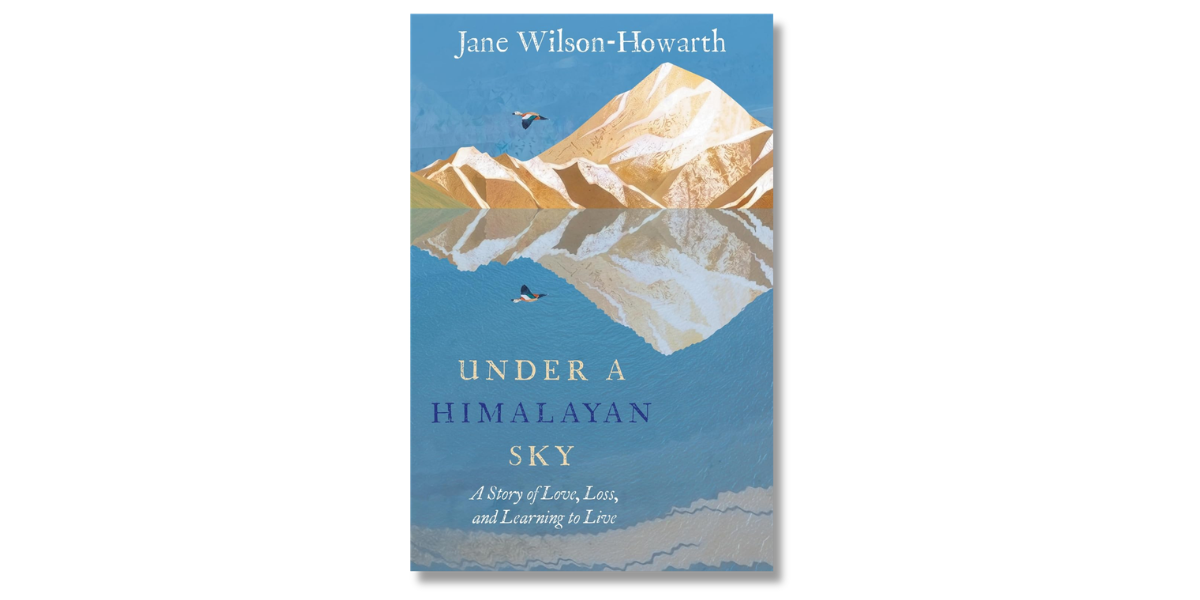
When British doctors gave her baby a devastating prognosis, the physician and writer Jane Wilson-Howarth decided to take him back to Nepal, where she had lived and worked as an aid worker with her husband. Under a Himalayan Sky: A Story of Love, Loss and Learning to Live (Eye Books, September 2026) recounts David’s short life in the foothills of the Himalaya, where his family found unexpected joy and dignity outside the hospital system. Looking back, Wilson-Howarth reflects on care, parenthood and coming to terms with a life that does not follow the expected path.
A family history of Partition
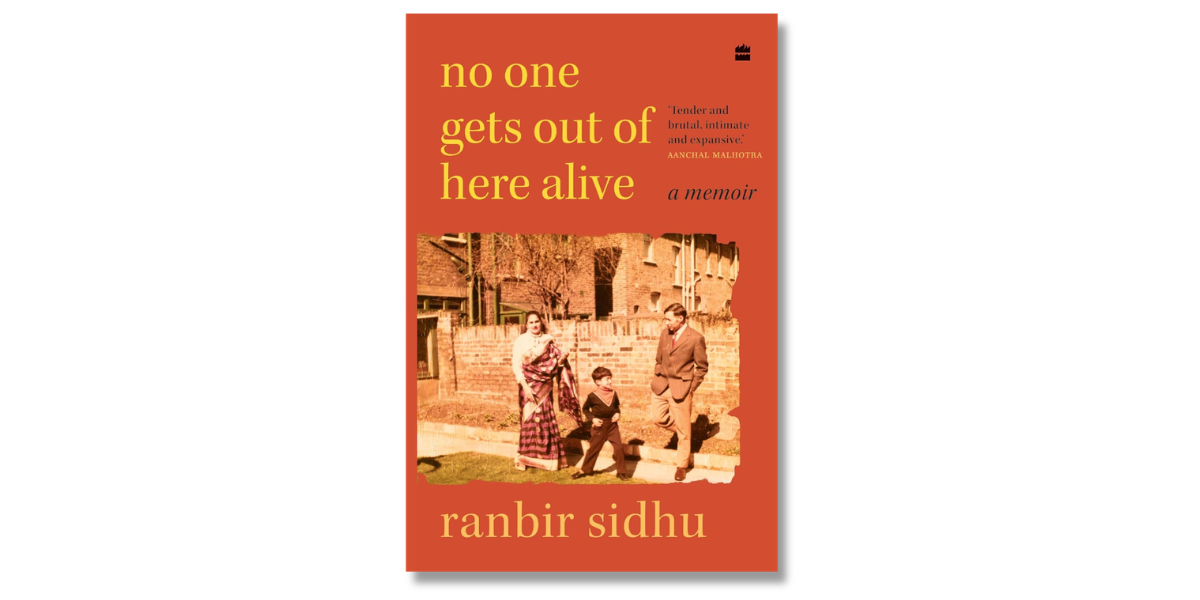
No one gets out of here alive by British-Indian writer Ranbir Singh Sidhu (Fourth Estate India, September 2026) begins with the deaths of his parents and a question: who were they, and who might they have been without the ruptures of Partition and the constraints of patriarchy? Moving between London, California and rural Punjab, Sidhu blends memoir, travelogue and history to explore family, masculinity, shame and the lingering violence of Partition.
The images that shaped Indian journalism
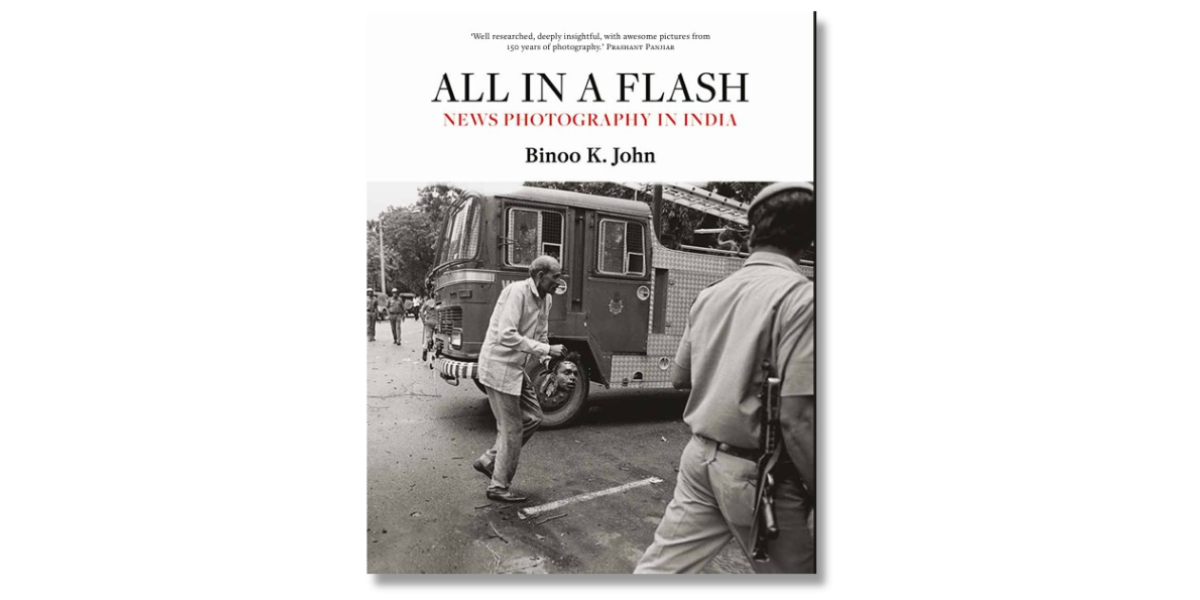
The journalist Binoo K John’s All in a Flash: News Photography in India (Niyogi Books, September 2026) traces the history of news photography through images that have become part of India’s visual memory. From Sunil Janah’s photographs of Partition and Raghu Rai’s images of the Bhopal disaster to photographs of loss during the Covid-19 pandemic, John traces how news images have documented key moments in history and shaped the way we remember them.
From the Himal archives: The photographer Graciela Magnoni travels through Punjab in India and Pakistan, tracing a land and people still connected across the militarised border created by Partition.
Pakistan’s politics of insecurity
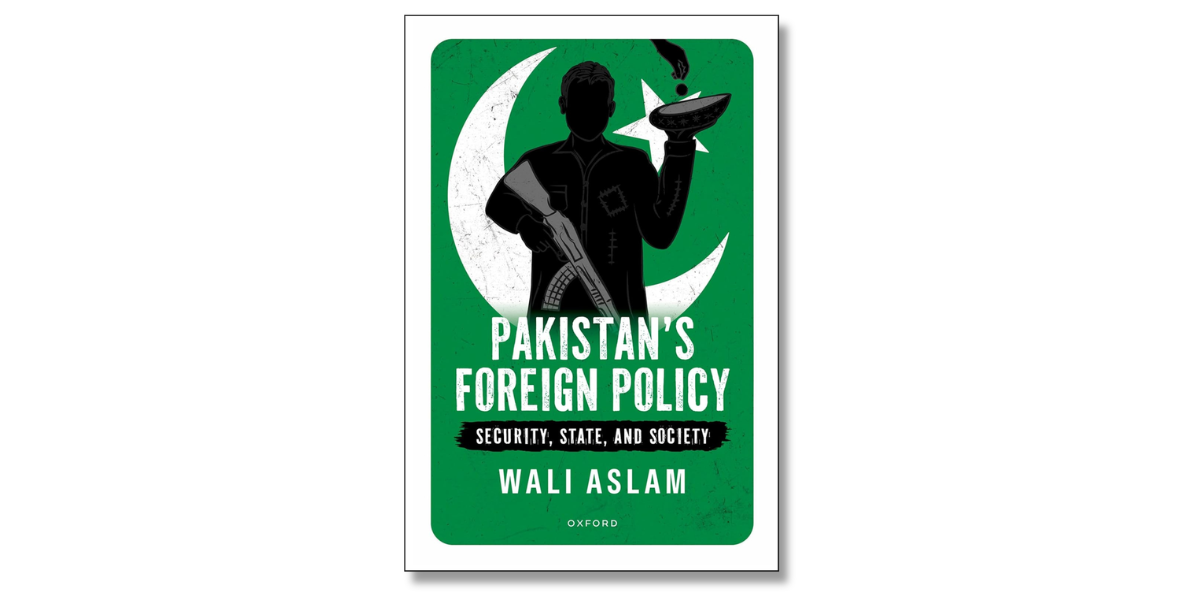
In Pakistan’s Foreign Policy: Security, State, and Society (Oxford University Press, September 2026), Wali Aslam unpacks how the country’s civil-military imbalance has shaped its foreign policy since independence. He argues that successive military leaders have cultivated a narrative of permanent threat – a “siege mentality” that casts the armed forces as Pakistan’s indispensable protector. This sense of insecurity, Aslam writes, has helped justify the military’s outsized political influence and defence spending even as poverty and underdevelopment persist.
From the Himal archives: Salman Rafi Sheikh examines how Pakistan’s domestic and foreign-policy failures have strained ties with China and the United States, and Ayesha Jalal discusses the country’s long history of military authoritarianism and judicial manipulation.
When words become violence
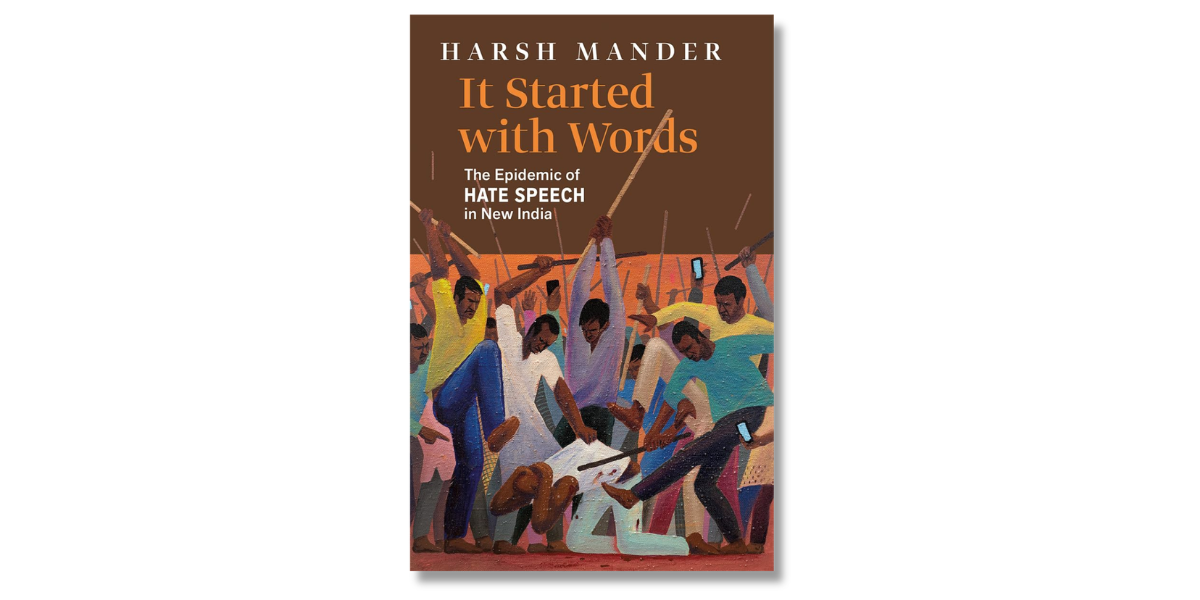
Since 2014, hate speech in India has moved from the political fringe into everyday public life. In It Started with Words: The Epidemic of Hate Speech in New India (Speaking Tiger, September 2026), the peace activist Harsh Mander traces how inflammatory rhetoric is produced, amplified and rewarded – as well as how it creates the conditions for discrimination and violence against minorities. Drawing on case studies, including his own efforts to seek legal action against politicians over incendiary speeches before the 2020 Delhi riots, Mander asks whether the law can still protect those targeted by hate, or whether it too has been captured.
From the Himal podcast archives: Harsh Mander on confronting the Hindu right’s politics of hate, and why electoral setbacks for the BJP are unlikely to end the violence and discrimination directed at Muslims.