This is Southasia Weekly, your regular update on the latest from Himal and across the region. If you only read one email from us all week, this should be it.
“So bad that even the introverts are here” has been a protest-site favourite in India recently. This week for Narendra Modi, it should be something like “So bad that even your best friends are in court”.
Modi’s government has long been after ways to throttle the media – see, for instance, the amendment of India’s IT Rules earlier this year, aimed at threatening independent creators and expanding censorship powers, or the police brutality against journalists covering the CJP protests in Delhi earlier this month.
This week, as the end date for the staggered introduction of the Digital Personal Data Protection Act came closer, the Digital News Publishers Association – a powerful organisation that represents 21 mainstream Indian news publishers – went to the country’s Supreme Court to oppose rules that curb investigative journalism under the pretext of protecting privacy. The association includes companies owned by the billionaires Mukesh Ambani and Gautam Adani – the latter especially notorious as Modi’s favourite moneybags. More details in the News Dive below.
Modi’s IT minister was quick to state that the legislation will not affect journalistic freedom. India’s top court has so far been reluctant to weigh in, but lots of past evidence should give it pause. That same evidence means Indian publishers – even those that carry water for Modi – aren’t buying it.
We hope to be around to keep bringing you independent reporting and analysis on India no matter what happens. Become a Himal Patron today to make it so.
|
Leena Gita Reghunath Managing Editor Himal Southasian |

|
This week from Himal:
POLITICS
How the Office on Missing Persons is failing Sri Lanka’s disappeared
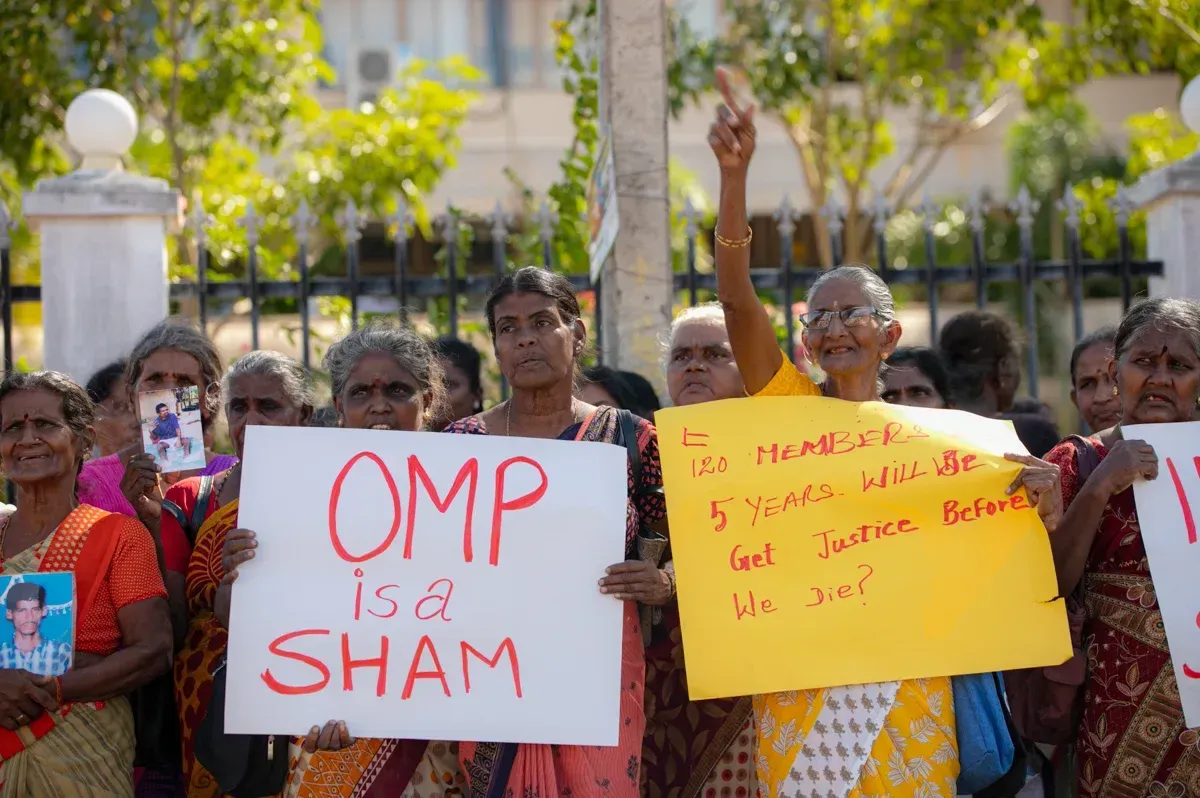
Yasmin Sooka and Frances Harrison’s scrutiny of Sri Lanka’s Office on Missing Persons, established to trace and clarify the fate of persons subjected to enforced disappearances during the country’s civil war and insurrections, finds glaring discrepancies in official tallies that raise questions about whether the office is only abetting impunity.
PODCAST
Kavita Krishnan on India’s Left and the global crisis of democracy
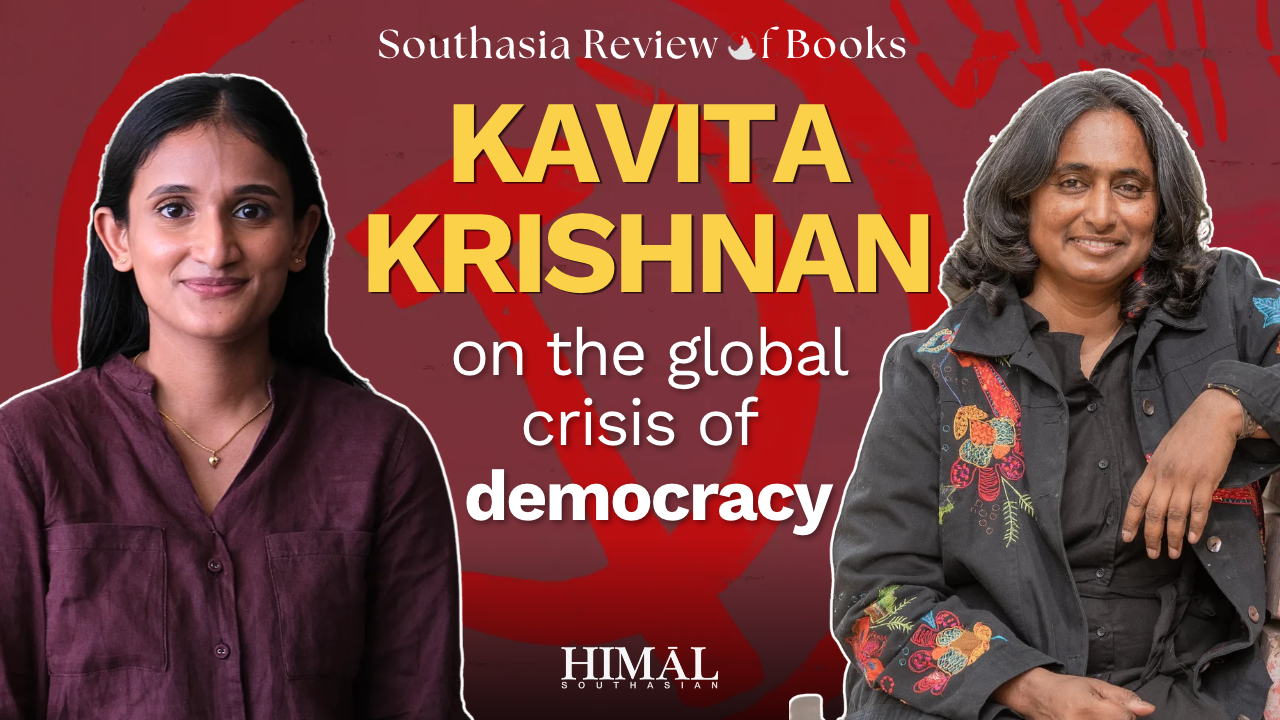
In a conversation with Shwetha Srikanthan, host of the Southasia Review of Books podcast, the writer and activist Kavita Krishnan discusses the slow erosion of democracy and the rise of authoritarian rule across the world, challenging the tendency to see democracy, human rights and international law as Western impositions rather than principles shaped by anti-colonial, feminist and popular struggles.
SCREEN SOUTHASIA
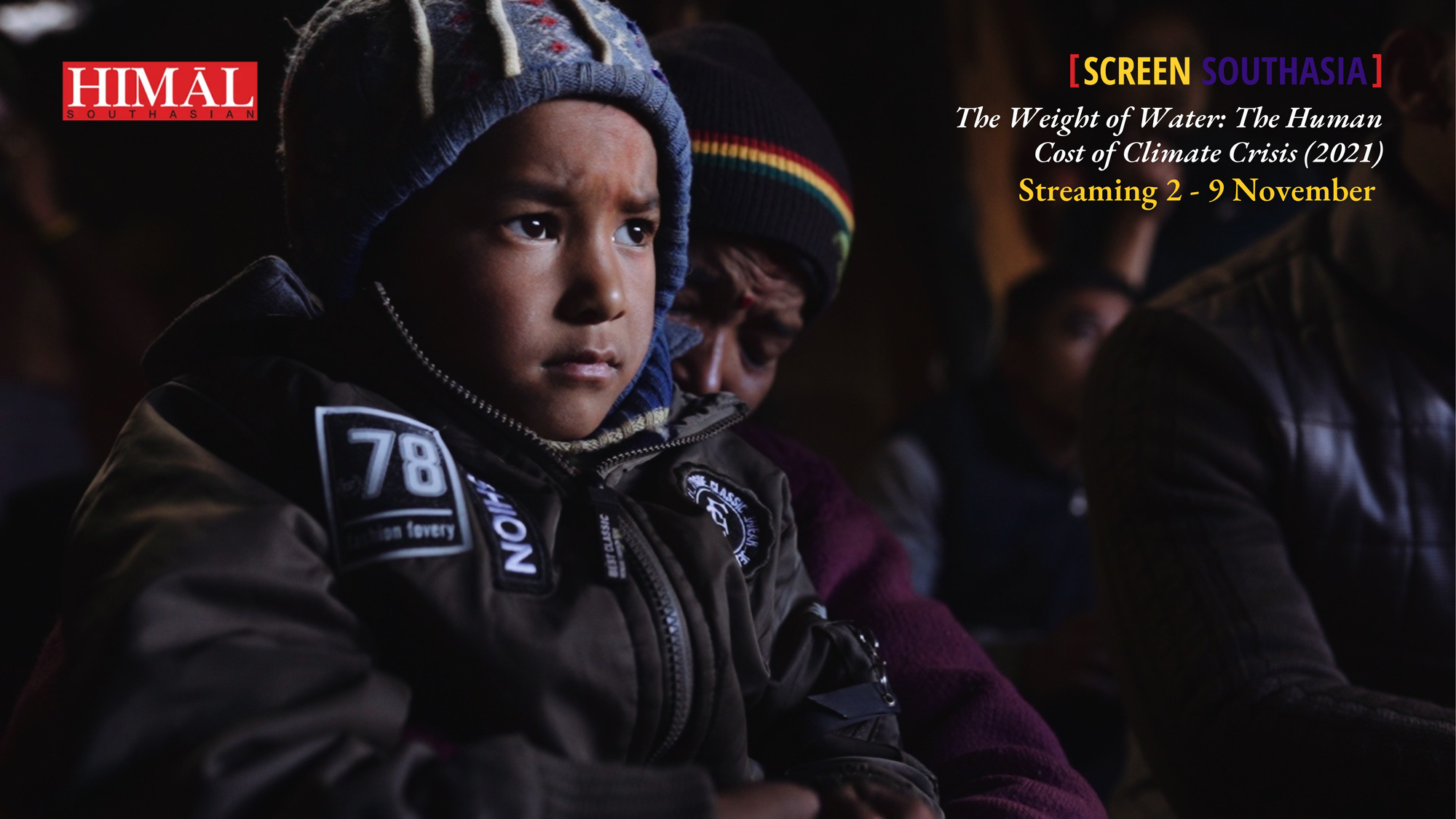
This month for Screen Southasia, we’re streaming The Weight of Water, directed and produced by Neelima Vallangi and Deej Phillips. The documentary follows three stories that illustrate the human costs of flooding, drought and the broader climate crisis in Nepal.
Here’s what happened in Southasia this week:
NEWS DIVE
Journalism vs India’s data privacy law
On 27 October, a coalition of 21 news organisations moved the Supreme Court of India to challenge the Digital Personal Data Protection (DPDP) Act, arguing that provisions requiring journalists to obtain prior consent from interview subjects would hamper investigative reporting and allow for “pre-censorship”. In August, concerns were raised when the DPDP Act amended India’s landmark Right to Information Act by removing public-interest safeguards, potentially allowing individuals to demand the complete erasure of their personal data and opening the door for the deletion or redaction of news reports. Counsel representing the digital publishers contend that forcing newsrooms to notify targets prior to publication would allow powerful actors to destroy crucial evidence, would intimidate whistleblowers and put journalists’ sources at risk, and would dismantle anti-corruption reporting and avenues for state accountability.
Local and international media have highlighted that the petitioners include Network18, controlled by the Ambani family, and NDTV, now controlled by the Adani Group. The coverage was described the case as the most “high-profile” challenge to the law so far, given the close relationship of the Ambanis and the Adanis with the Indian prime minister, Narendra Modi. Independent digital media publishers and the Editors Guild of India have also joined the fight, arguably with more to lose.
The DPDP Act is just one of the laws that poses challenges to press freedom in India, with the 2000 Information Technology Act, the IT rules amended in 2021 and 2023, the Unlawful Activities (Prevention) Act, money laundering laws and Article 19 of the Indian constitution all used to target journalists in the recent past.
ELSEWHERE IN SOUTHASIA
- India deploys hundreds of security personnel in Arunachal Pradesh’s Siang Valley following protests against a proposed 11,200-megawatt hydropower dam near the Chinese border, which residents fear will submerge ancestral villages of the Adi tribe; the deployment comes amidst India’s continuing face-offs with Chinese troops at multiple locations in Arunachal Pradesh
- Sri Lanka repatriates 40 Iranian sailors who required urgent medical assistance from vessels stranded in international waters off its southern coast, while around 21 Iranian oil tankers remain unable to return home amid US naval blockade; Colombo is providing humanitarian aid but withholding commercial supplies and logistical support to avoid potential US secondary sanctions
- On 30 October, a glacial lake outburst flood in Bhutan triggers flood alerts in northern Bengal, Assam, prompting authorities to evacuate residents from vulnerable areas along the Sankosh river and its tributaries, two days after Cyclone Arnab kills three and damages homes, infrastructure and crops in Andhra Pradesh
- Myanmar’s military-backed government disguises imports of Iranian jet fuel as South African diesel to evade US sanctions, with a Reuters investigation finding that military authorities authorised false import documents for shipments worth millions of dollars; the fuel continues to supply commercial aviation and military airstrikes amid the country’s civil war
- Bangladesh and Japan sign six cooperation agreements and pledge USD 295.5 million in loans during Prime Minister Tarique Rahman’s visit to Tokyo on 27 October covering maritime security, agriculture, fisheries, skills development and climate cooperation; the two countries also discuss proposed USD 6.3 billion in Japanese private-sector investment in Bangladesh’s energy, infrastructure and information and communication technology sectors
- Several SAARC member states, including Nepal, Bangladesh, Pakistan, Sri Lanka, Bhutan and the Maldives, push to revive the regional bloc, which has been dormant since its last summit in 2014, but India maintains that meaningful progress depends on Pakistan addressing its concerns, leaving the organisation stalled by bilateral tensions
- Pakistan’s antiterrorism court sentences human rights lawyers Imaan Mazari and her husband, Hadi Ali Chattha, to 10 years in prison each in a case linked to the removal of road barriers along the route designated for England’s cricket team in Islamabad in 2024; the couple had earlier faced separate prison sentences over critical social media posts, raising concerns among human rights groups about the use of cybercrime laws to censor dissent
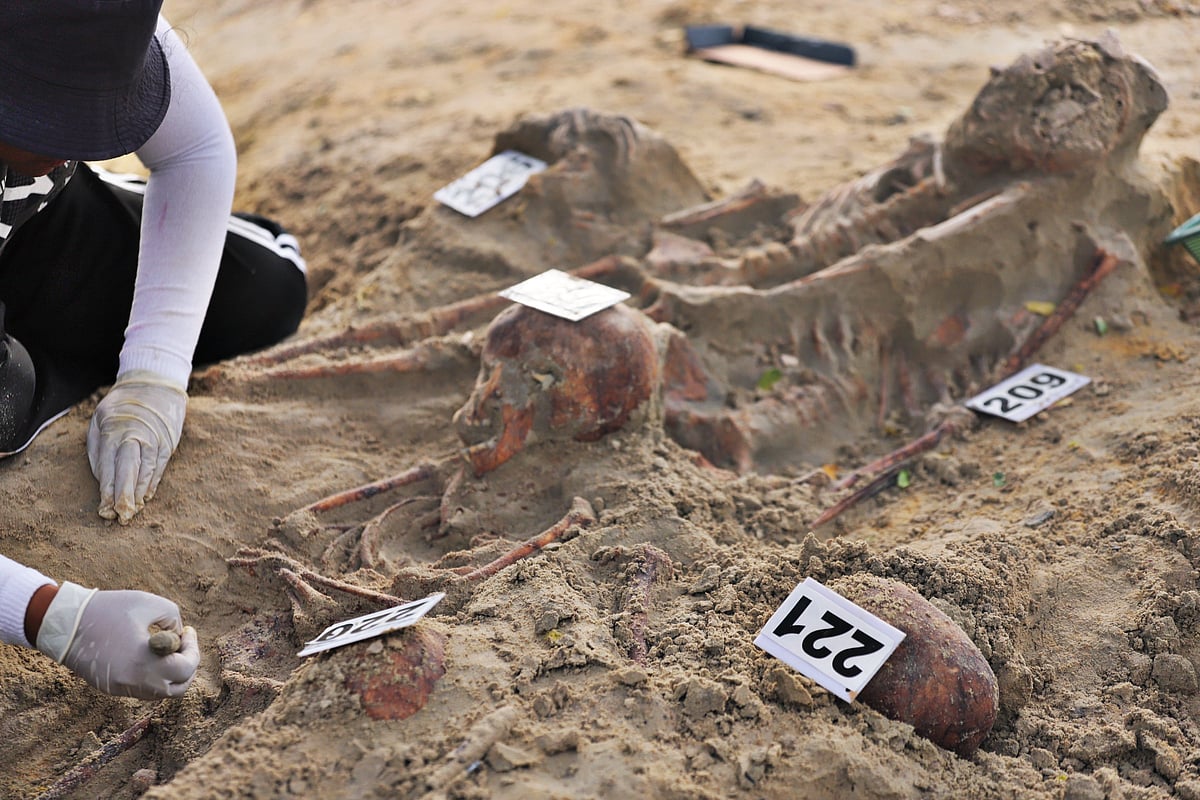
- Sri Lanka’s Equal Rights Movement calls for an independent international panel of experts to examine the Chemmani mass grave in Jaffna where 583 sets of human remains, including those of children, have been recovered, after archaeologist says burials could have resulted from epidemic or disaster despite no forensic examination and DNA testing
FROM THE ARCHIVE
Revisit archival stories from Himal that add more context and insight to this week’s news updates from India and Sri Lanka:
 Lawrence Liang

 Ingrid Massagé
 The Editors

SNAP SOUTHASIA
@banlieues