This is Southasia Weekly, your regular update on the latest from Himal and across the region. If you only read one email from us all week, this should be it.
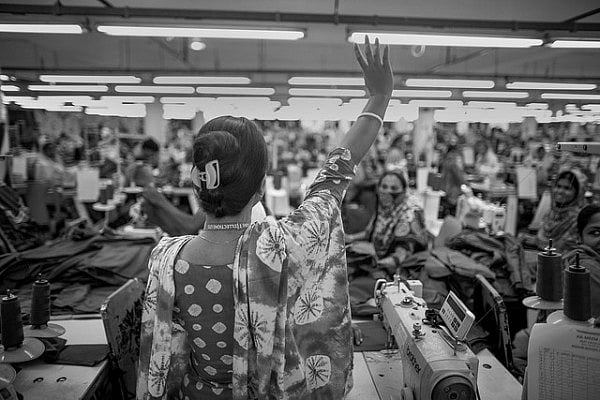
Garment workers in Bangladesh have often had to take to the street to fight for decent wages and safe working conditions. They have undertaken at least five major protests over the last 20 years, including after the horrific Rana Plaza collapse in 2013 that killed 1134 people. They have been protesting again for the past month, shutting down factories and clashing with police.
Two weeks ago, I spoke to Dhaka-based journalist Zyma Islam on the State of Southasia podcast (which you can listen to on YouTube, Spotify or Apple podcasts) who explained how the cycle of protest and resolution in the garment sector played out and how it always ended with the minimum wage being fixed somewhere in the middle – higher than what’s being paid out but lower than what workers want. This time, the protesters have refused to accept a 36 percent increase and are holding out for something closer to the BDT 30,000 (USD 240) that they asked for as a more reasonable living wage.
The thing that gets lost in most of the coverage of these protests is the US’s war in Iran and Trump’s tariffs – that has squeezed Bangladesh’s economy, and caused fuel and electricity shortages that have had run off impacts on its factories and workers. “One of the biggest problems with conversations surrounding labor unrest in Bangladesh and the conversation surrounding the minimum wage is that we treat it like it’s a national problem,” Zyma explained. “It really is a global problem. When you make it just a Bangladesh problem, then you erase [problems with] the entire supply chain.”
Don’t forget to tune into the new episode of State of Southasia today.
At Himal, we bring together the region’s top thinkers for our podcasts, which take time and effort to produce. If you value truly Southasian conversations, make sure you join our Patrons community and power our podcasts and our reporting.
|
Nayantara Narayanan Associate Editor Himal Southasian |
|
This week from Himal:
POLITICS
REVEALED: Russian army recruitment drops in Southasia, surges in Bangladesh
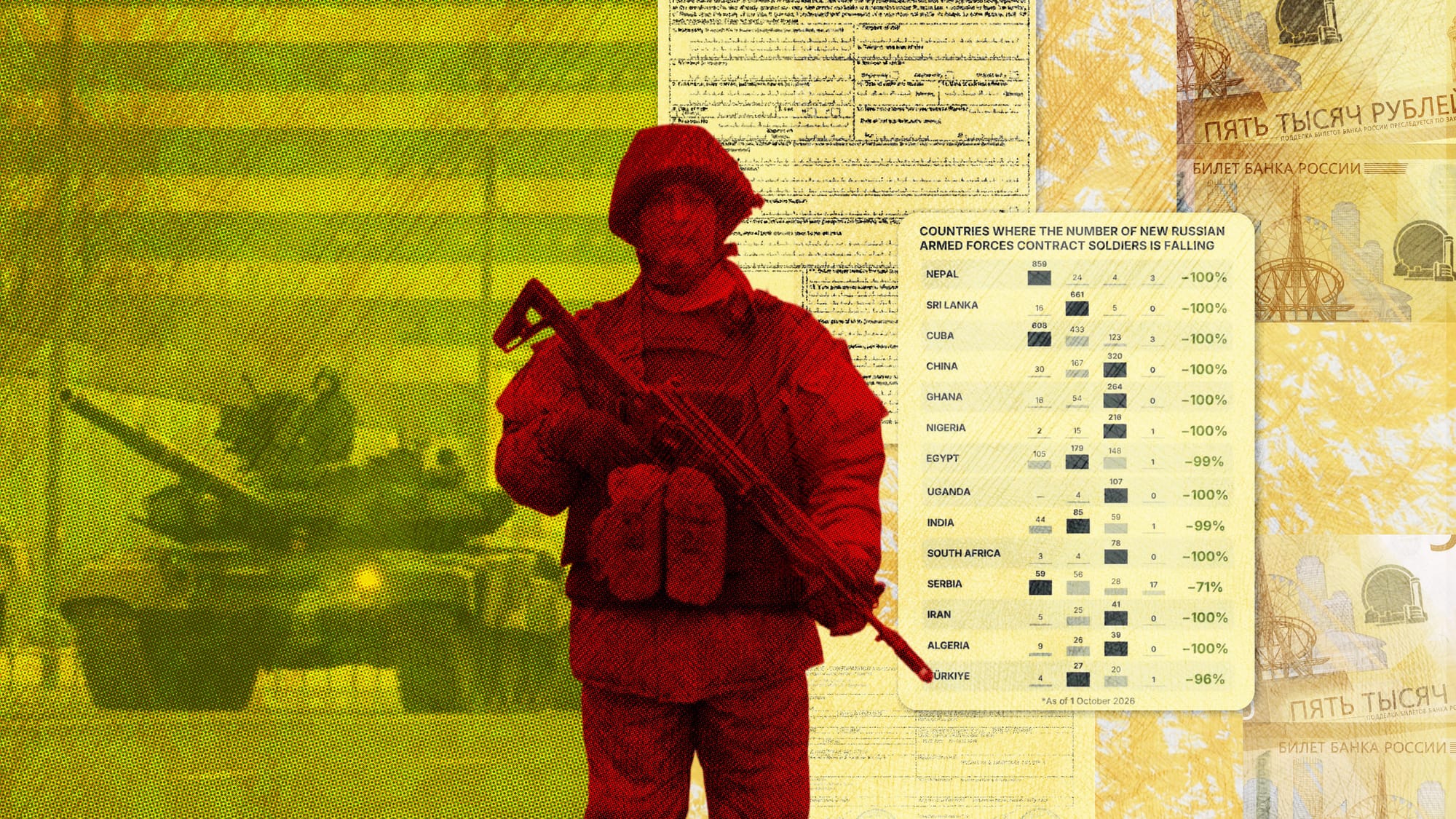
The number of Southasians recruited to fight in the Russo-Ukrainian war has plummeted, apart from Bangladesh which has seen a spike, according to new figures from Ukraine released exclusively to Saroj Pathirana. Diplomatic intervention and public pressure has played a role, but Southasians are still being coerced into fighting for Russia, he reports.
CULTURE
A writer’s journey into the world of djinns
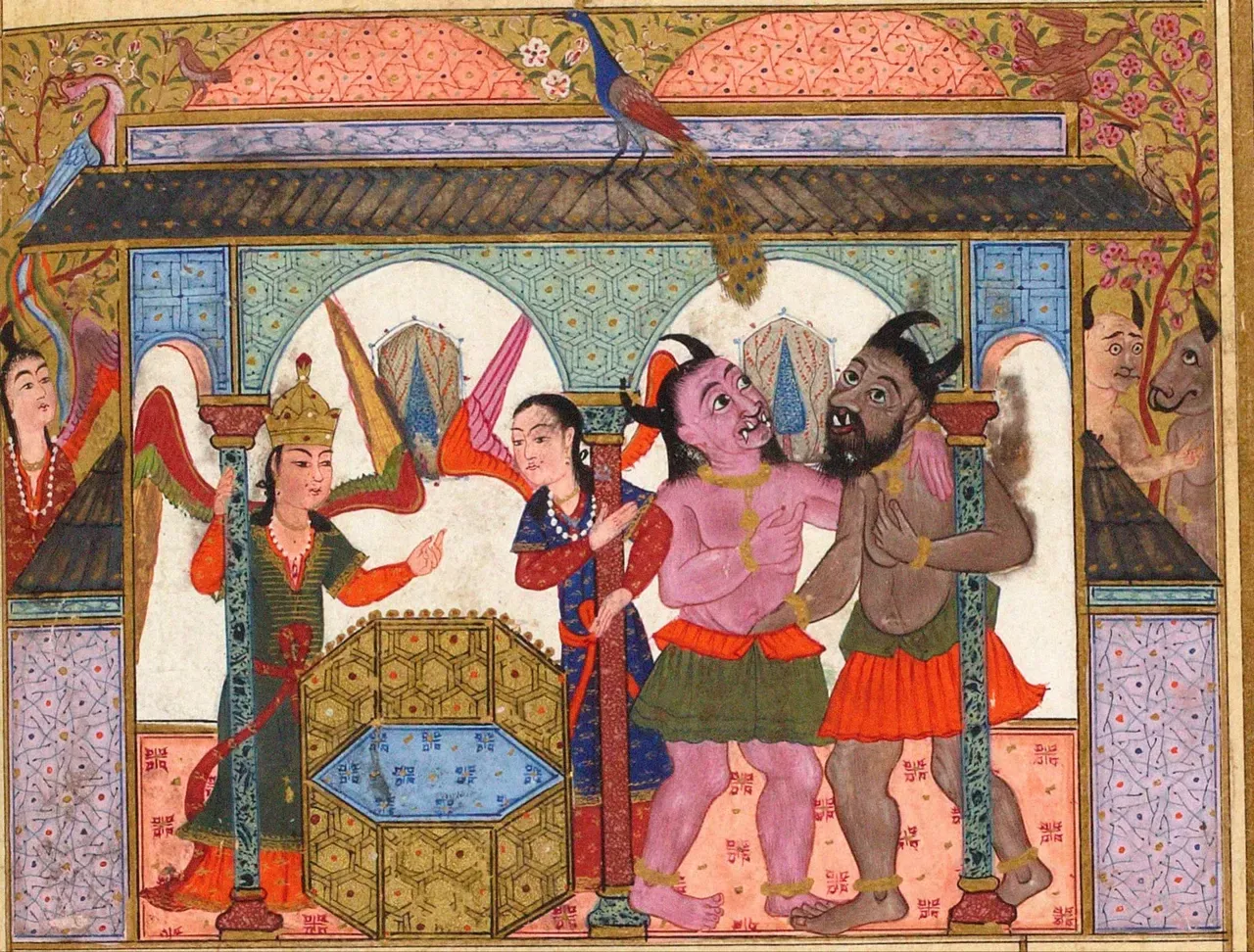
Writer Nusrat F Jafri explores the world of djinns in the wake of personal loss, travelling from shrines in Lucknow to the Nizamuddin dargah in Delhi, revealing how faith, folklore and the search for solace amidst modernity shapes people’s lives in this personal essay.
INSIDE DEUTSCHE BANK
How Deutsche Bank dodged compliance rules in Pakistan
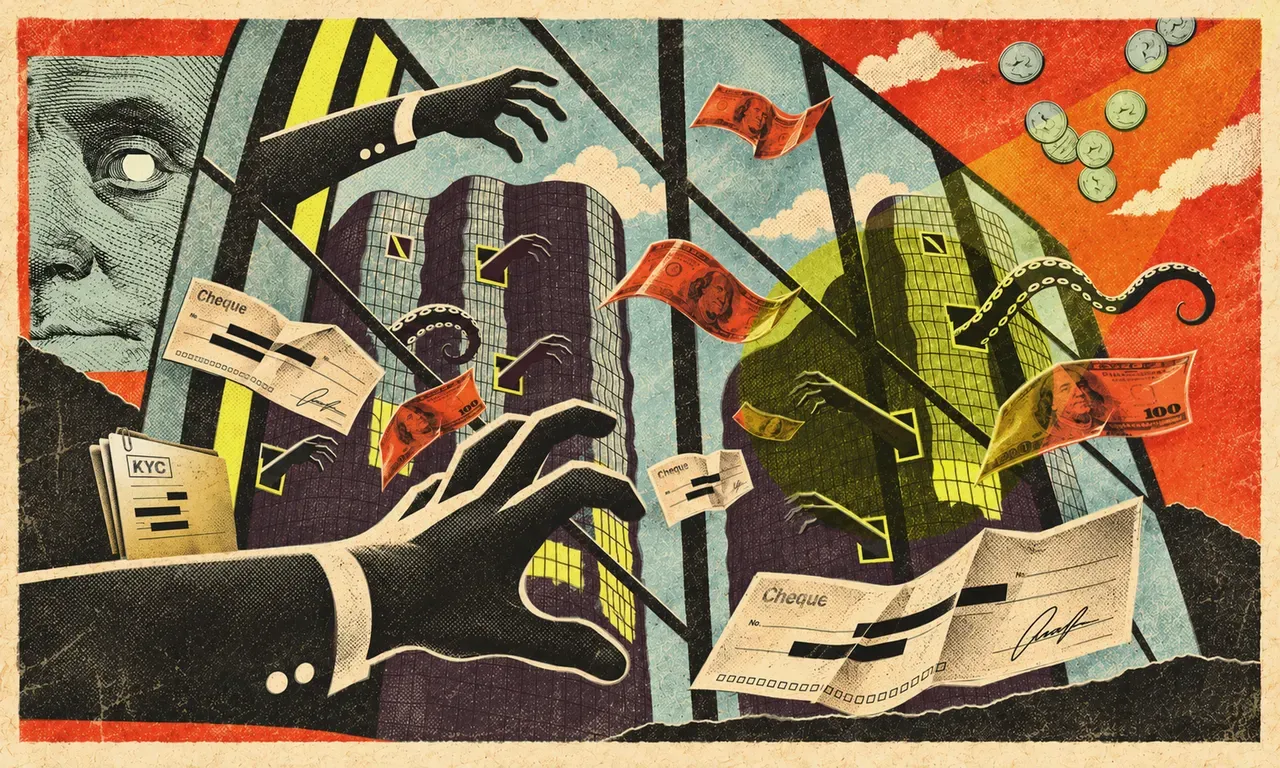
In this article co-published with Dawn as part of the Inside Deutsche Bank series, leaked documents reveal that Deutsche Bank bypassed Know Your Customer rules, missed sanctions checks and failed to implement anti-money laundering controls, even as the country struggled to get off the FATF grey list.
PODCAST
Hasina vs the BNP, what Sonia Gandhi leaves unsaid, and Southasia’s climate troubles
In this episode of the State of Southasia podcast, co-hosts Nayantara Narayanan and Shwetha Srikanthan talk about Sheikh Hasina’s announced plan to return to Bangladesh which has set off violence in Gopalganj and Narail, the COP31 climate talks in Antalya, Turkiye which ended in deadlock after a record fifty hours of overtime, and Sonia Gandhi’s memoir Belonging, which is being read as much for what it omits as for what it says.
SCREEN SOUTHASIA
Enchanted Matter

A genre-bending exploration of the Himalaya, Enchanted Matter follows Robert Powell’s creative journey from grad student activist and young architect to ethnographic draftsman to visionary artist extraordinaire. A special edition of Screen Southasia, streaming 1 - 8 December.
If you’re in Kathmandu, head to YalaMaya Kendra, Patan Dhoka, for Film Southasia: Documentary in Transit ongoing this weekend!
Here’s what happened in Southasia this week:
NEWS DIVE
Protests continue in Bangladesh as wage hike falls short
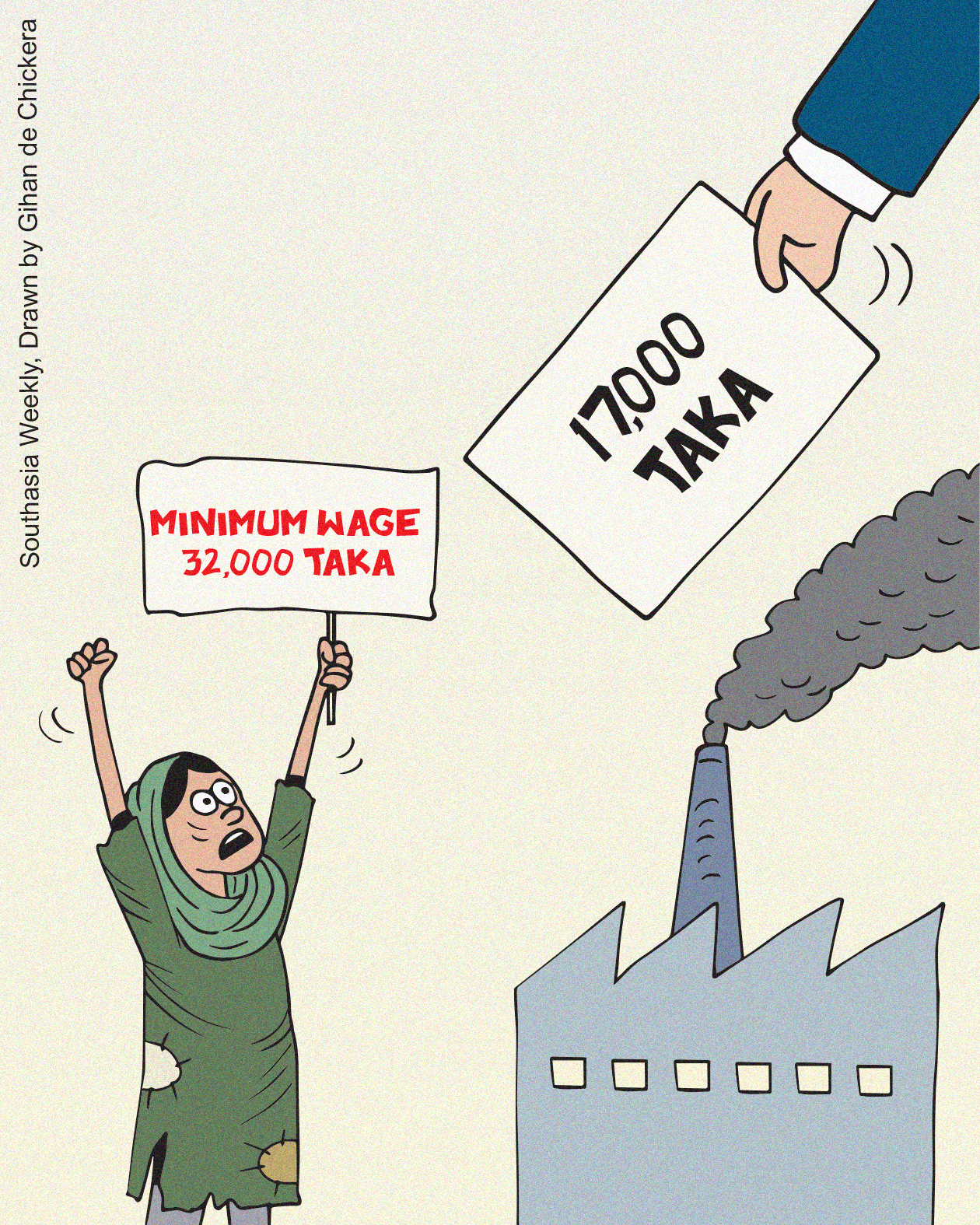
On 25 November, Bangladesh garment workers received a 36 percent wage increase after months of protests including clashes with police, with a government-appointed wage board ultimately agreeing to increase the minimum wage from BDT 12,500 (USD 100) to BDT 17,500 (USD 136) monthly. The increase falls short of the demand of BDT 30,000 (USD 240). On 26 November, 140 garment factories in the industrial hubs remained shut, with workers blocking the Dhaka-Mymensingh highway as protests continued. While the government-brokered settlement seeks to restore order to an export sector that anchors the national economy, labour leaders have said the new minimum still fails to offset chronic inflation and rising living costs, while factory-owners say an increase of more than 15 percent is unsustainable.
A survey by the Bangladesh Garment Manufacturers and Exporters Association estimated about USD 428 million in losses due to disruption caused by the protests over 18 days. International buyers shifted their orders to other countries due to concerns over disruptions in supply, causing further losses of USD 254 million.
The unrest underscores the deeply exploitative structure of Bangladesh’s ready-made garment industry, which relies on low wages to sustain fast-fashion supply chains for Western retailers. For decades, successive administrations have normalised the suppression of labour dissent to protect profit margins, or blamed political opponents for stoking dissent, leaving four million workers – predominantly women – vulnerable to systemic precarity. Looming large over the dispute is the fragility of a growth model built on cheap labour, particularly as regional competitors vie for market share and Dhaka prepares for its graduation from Least Developed Country status in 2029, a process delayed three years due to external shocks and a volatile market.
ELSEWHERE IN SOUTHASIA
- India and China conclude second round of Corps Commander-level talks in Arunachal Pradesh after nearly 10 days of discussions aimed at easing tensions along the Line of Actual Control, with talks focusing on setting engagement rules, preventing clashes between patrols and maintaining communication channels amid reported troop face-offs in Upper Subansiri and ahead of winter
- Bangladesh deploys 108 platoons of Border Guard Bangladesh across eight districts, including 56 in Sheikh Hasina’s home district of Gopalganj amid fears of escalating violence ahead of her planned return on 16 December after pro Awami League protests, with security tightened around key installations and political figures
- US President Donald Trump proposes new tariffs of up to 20 per cent on 14 major trading partners, including Bangladesh, India and China, reviving trade tensions and escalating his protectionist push amid concerns over global trade and domestic economic pressures
- Pakistan’s Muhammad Zeeshan Ali, a former Pakistan Air Force pilot, becomes the first Pakistani astronaut to reach orbit and the first foreign astronaut to board China’s Tiangong space station, joining the Shenzhou-24 mission alongside two Chinese astronauts in a milestone for Beijing’s expanding space diplomacy
- Nepal Prime Minister Balendra Shah’s first state visit to India yields an INR 240 billion assistance package, eight MoUs and progress on cross-border connectivity, including a two-way air route to Bhairahawa, access to Indian ports, the Janakpur–Ayodhya rail service and the 669 MW Lower Arun hydropower project
- Tamil Nadu authorities light Karthigai Deepam at its customary spot near the Uchipillaiyar Temple atop Thiruparankundram hill, defying the Supreme Court’s one-time directive to light the lamp at a stone pillar near Sikandar Badusha Dargah after appeals from Hindu groups and contestations over ownership, triggering protests and political controversy
- The Maldives Parliament passes the MVR 59.7 billion budget for 2027 unchanged, with 65 votes in favour, despite warnings from the central bank and Auditor General over fiscal risks, including recurrent spending consuming 101 per cent of projected revenue, mounting debt, unpaid bills worth MVR 7.46 billion and optimistic assumptions about falling oil prices; the budget projects a deficit of MVR 9.4 billion
- Pakistan Tehreek-e-Insaf (PTI) distances itself from opposition leader Mehmood Khan Achakzai’s proposal for a national government and comprehensive constitutional reforms, saying the proposal belongs to his own party, the Pakhtunkhwa Milli Awami Party, and will not receive PTI’s support; the decision follows a parliamentary party meeting marked by internal disagreements, while the party also defers its position on creating new provinces until the government releases its draft proposal
FROM THE ARCHIVE
Revisit archival stories from Himal that add more context and insight to this week’s news updates from Bangladesh, Southasia and India:
 Sushmita S Preetha
 Amantha Perera
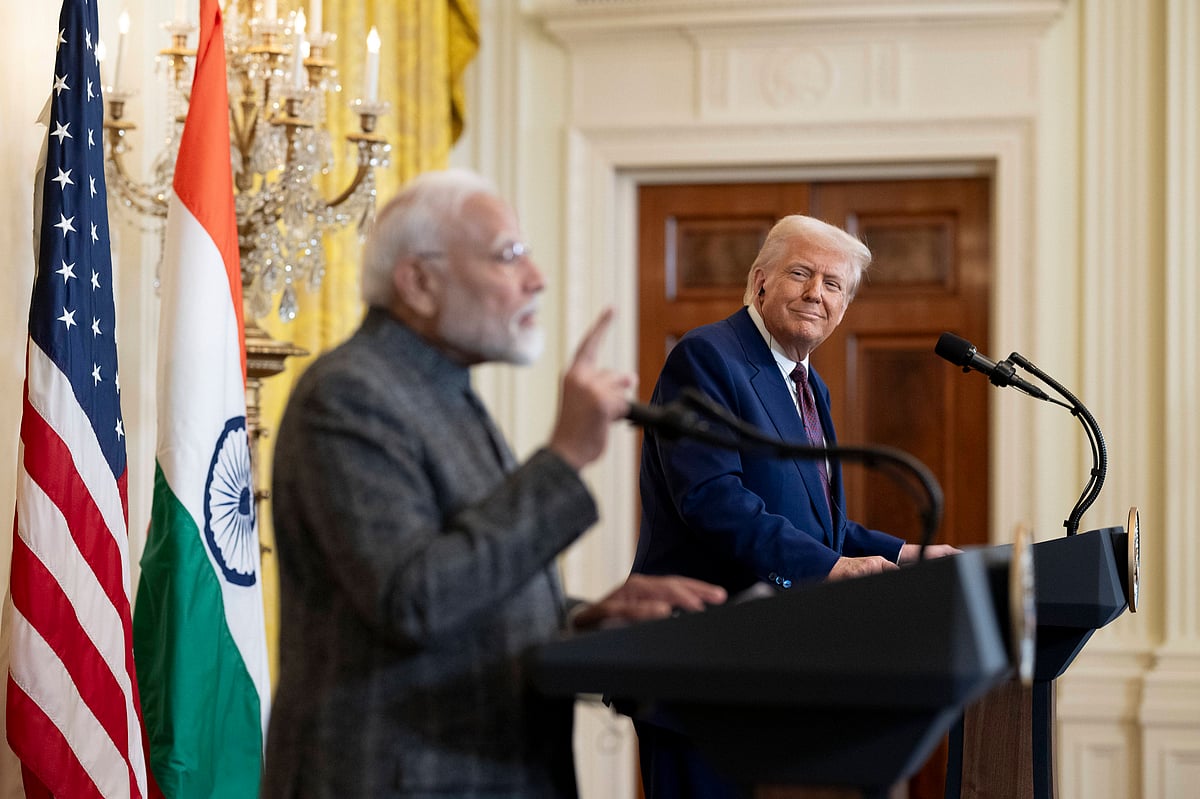
 Simon Long
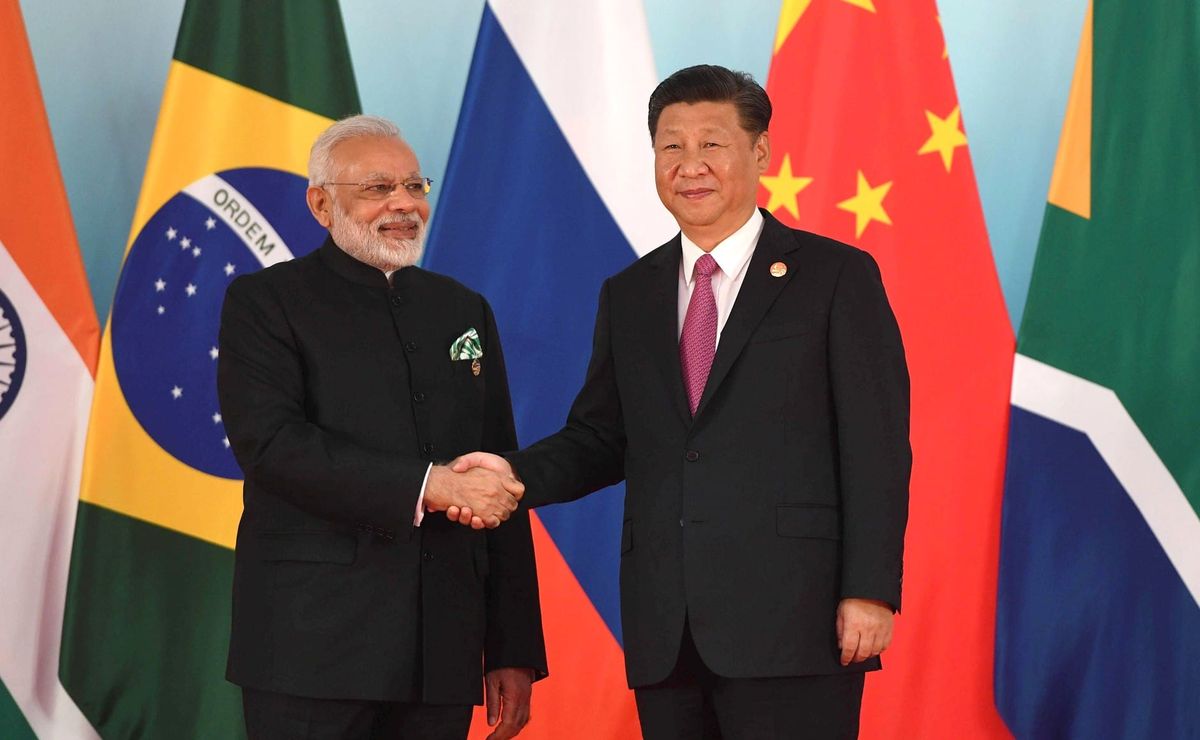
SNAP SOUTHASIA
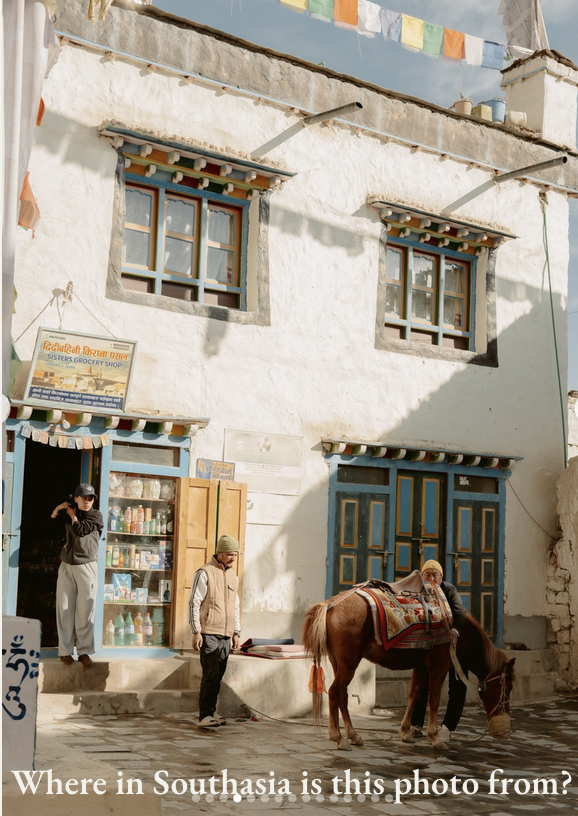
@michelleospino