This is Southasia Weekly, your regular update on the latest from Himal and across the region. If you only read one email from us all week, this should be it.
Himal follows the stories across Southasia that might never otherwise make the headlines. Make sure to support our work.
This week, I attended a conference in Colombo organised by the International Studies Association – South Asia in World Politics section, and sat in on the keynote address delivered by Sri Lanka’s prime minister, Harini Amarasuriya. Just before she arrived, we were told there would be no audience questions. In stark contrast to the early days of the ruling National People’s Power government, when cameras followed her as she strolled through a supermarket buying groceries more or less unaccompanied, here Amarasuriya walked in flanked by bodyguards. In her address, she said that the government had made progress on transparency and accountability, and that reforms required “patience, intellectual humility, continuous self-reflection, and the courage to confront difficult truths”.
A growing number of Sri Lankans would disagree with Amarasuriya on the NPP’s progress. In recent weeks, a proposed constitutional amendment to increase judges’ retirement age has created an intense controversy that has become the first serious test of the NPP government’s credibility. Two years ago, it was elected on a promise of systemic change after Sri Lanka’s 2022 economic crisis and mass uprising. But even with a two-thirds majority in parliament, the NPP government has failed to deliver on key public demands. The proposed amendment has been the centre of attention in Sri Lanka all this week, which is perhaps why Amarasuriya declined to take audience questions even from a gathering made up mostly of academics.
Read on for details of the controversy in this week’s News Dive.
|
Raisa Wickrematunge Senior Editor Himal Southasian |

|
Here’s what Himal published this week:
POLITICS
Nepal’s brutal history of police violence in the Madhesh
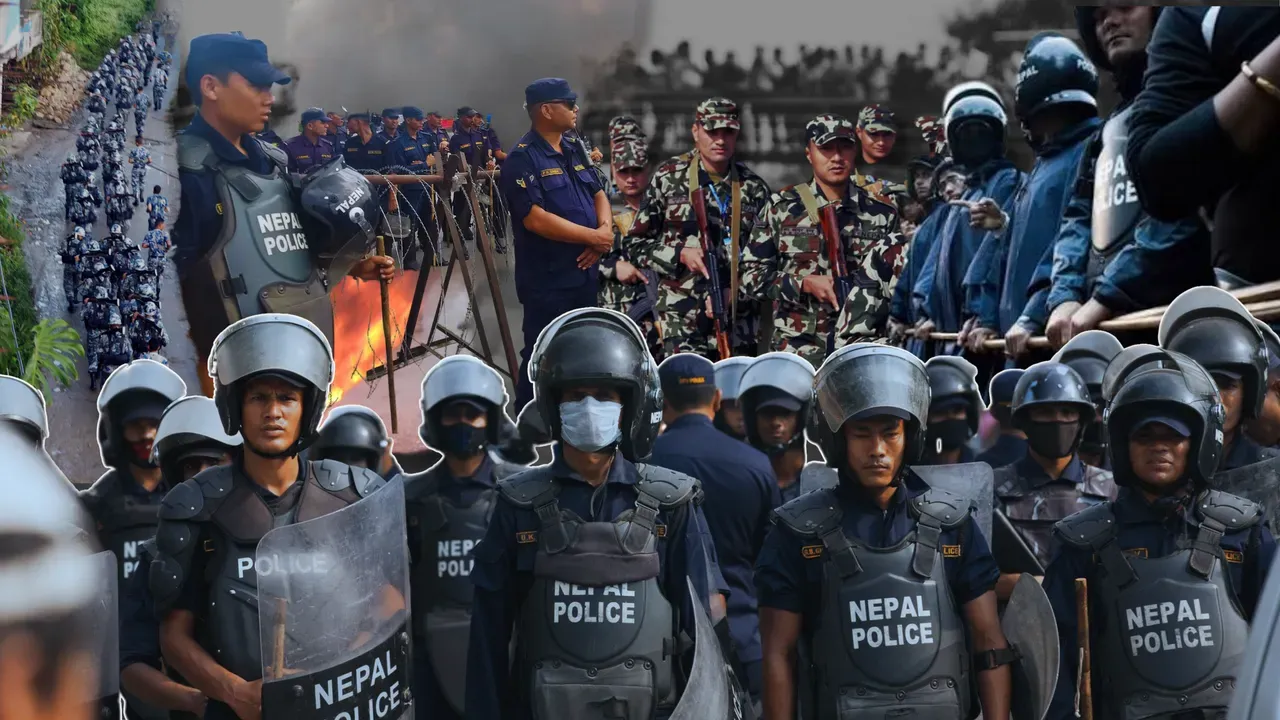
In the wake of shocking communal clashes and police force in Nepal’s Madhesh region last week, Anjali Sah unpacks how this is yet another instance of police violence against a historically marginalised population.
POLITICS
How the Manipur conflict went from bad to worse on the BJP’s watch
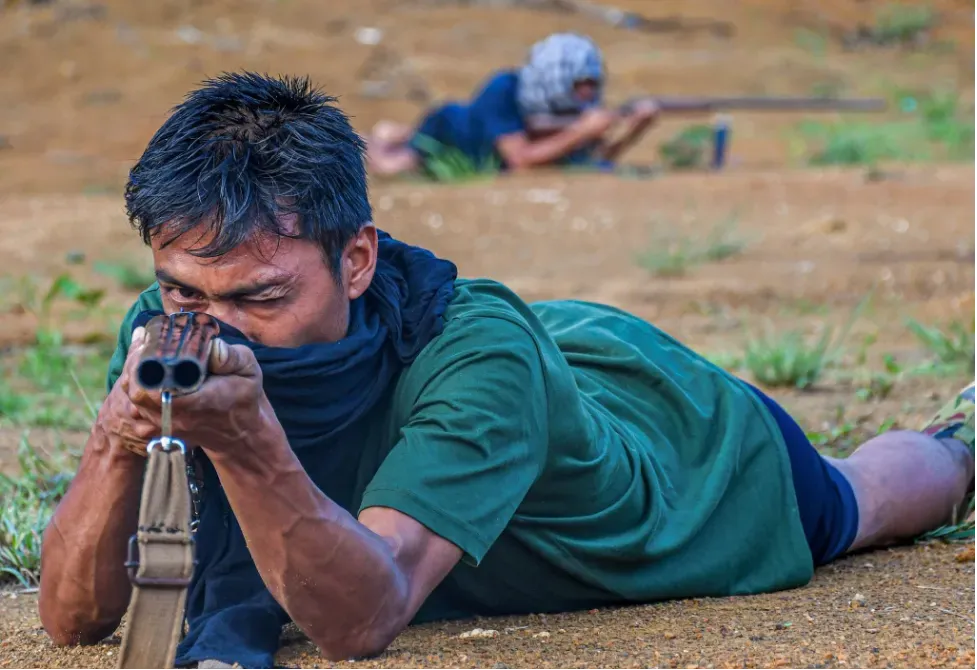
Patricia Mukhim writes that the conflict in Manipur, in the Indian Northeast, has become even more deeply entrenched in recent months under the watch of the BJP government, with any consensus between the Meiteis, Kukis, Nagas and other communities feeling far beyond reach.
Here’s what happened in Southasia this week:
NEWS DIVE
Sri Lankan government proposes to increase judges’ retirement age
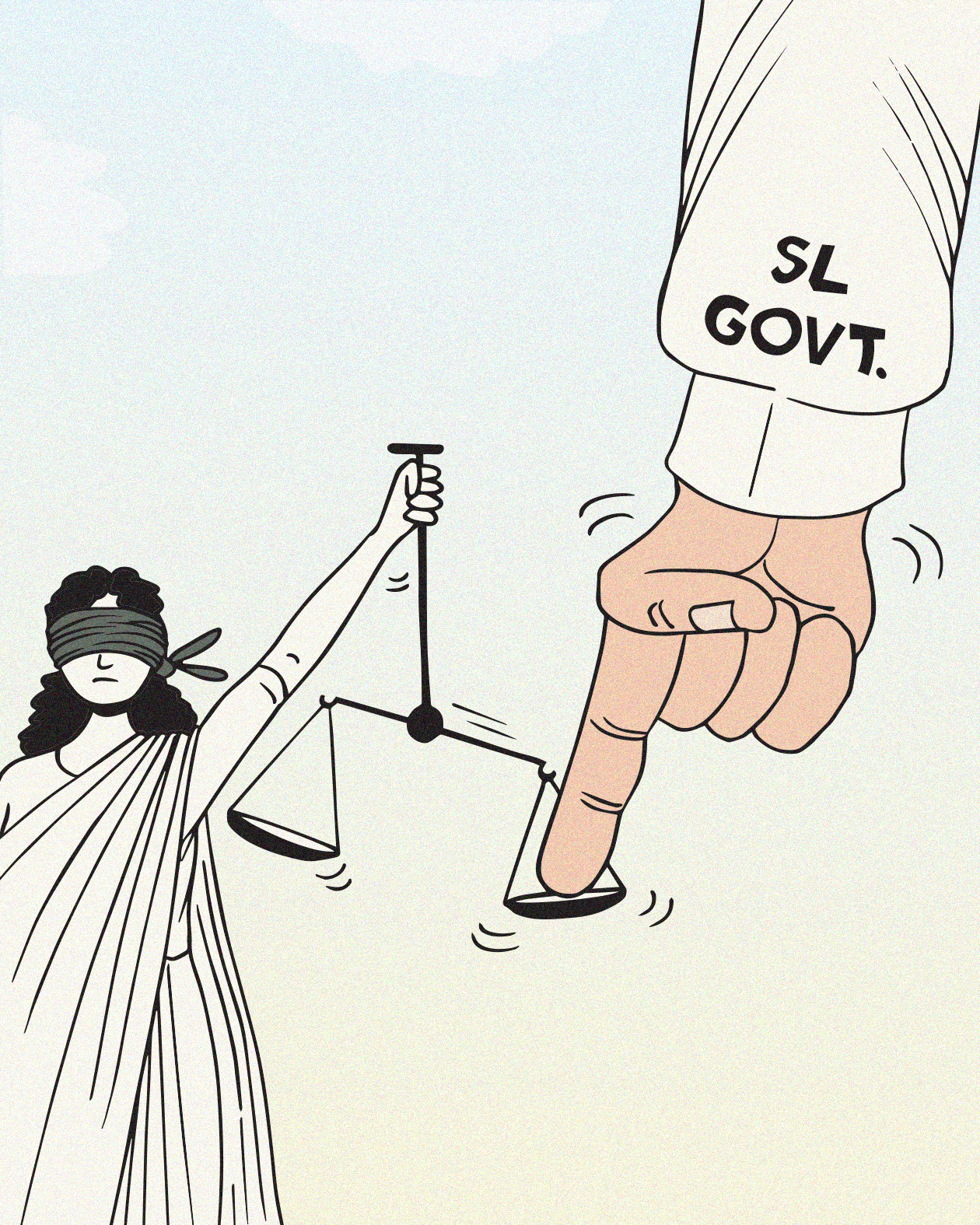
On Tuesday, 4 August, Sri Lanka’s government cleared the path for the passage of a constitutional amendment meant to increase the retirement age for Supreme Court and Court of Appeal judges by two years each, with the bill set to be tabled in parliament. The amendment, which the government says is to clear a large backlog of cases, has led to controversy and pushback. The Bar Association of Sri Lanka has unanimously opposed the move, arguing that such an amendment should only be passed after broad public consultation and evaluation, and that other steps, such as filling existing judicial vacancies, should be prioritised instead.
A number of opposition MPs and some media reports have pointed out that perhaps the amendment’s main immediate effect would be to extend the term of the current Chief Justice of Sri Lanka, Padman Surasena. The International Association of Judges has pointed out that the proposal could threaten judicial independence, and other international legal bodies have also criticised the move. In the run up to the country’s 2024 presidential election, the first after mass protests calling for systemic change, the current president, Anura Kumara Dissanayake, pledged to do away with repressive legislation such as the Prevention of Terrorism Act, and abolish the executive presidency. Critics are asking why the government has prioritised a controversial move to raise judges’ retirement age while these and other key promises remain unfulfilled. Although the ruling NPP administration still enjoys wide support, questions and criticism is growing.
ELSEWHERE IN SOUTHASIA
- Bangladesh’s former prime minister Sheikh Hasina says she plans to return to Bangladesh in 5 August virtual address in New Delhi, Bangladesh bars media from broadcasting her speech and asks India to clarify position, India’s foreign ministry says it was a private event
- Delhi Magistrate’s Court acquits Bharatiya Janata Party leader and former head of Wrestling Federation of India Brij Bhushan in women wrestlers sexual harassment case; in Bombay, Tehelka magazine former editor Tarun Tejpal convicted in 2013 sexual assault case, receives 10 year sentence
- Pakistan’s media and human rights watchdogs criticise new government rules for foreign media representatives requiring approval from Ministry of Information to travel to any city apart from Islamabad, Lahore and Karachi to produce stories, videos or social media content
- Four clashes reported in university college campuses in 24 hours in Dhaka and Rangpur, largely between Bangladesh Nationalist Party-aligned Jatiyatabadi Chhatra Dal and Jamaat-e-Islami aligned Bangladesh Islami Chhatra Shibir over July Uprising events, over 90 injured
- 78 police personnel suspended and an assistant sub-inspector remanded over allegations of raping a woman inside Lahore’s Ghaziabad police station
- Ahead of Myanmar regime chief Min Aung Hlaing’s visit to Thailand, detained former leader Aung San Suu Kyi allowed to meet with International Committee of Red Cross representative
- At least 17 reported killed after suicide bombing outside police station in Swat Valley near protest calling for government action against resurgence of violent attacks in Swat
- Pakistan’s medical regulator bars graduates of Afghan medical colleges from their licensing exam, drawing criticism including from Pakistani students in Afghanistan
- Han Chinese democracy and human rights activist Zhang Yi detained by Lhasa police for “inciting separatism” after showing a photo of Dalai Lama on his phone to a worshipper at Sera Monastery in order to borrow a prayer mat, drawing condemnation and calls for his release
- The Maldives’s tourism ministry opens bidding for development of 15 islands and lagoons after passing legislation giving the president more power to determine use of uninhabited islands
- Tensions along India-Nepal border after India’s Sashastra Seema Bal border guard force clashes with Nepal residents over temporary embankment built to stop monsoon flooding from Narayani river after Indian security agencies INR 14 million government-funded embankment in mid June over border disputes
We bring you stories that might not catch your attention, from the nitty-gritties of constitutional amendments in Sri Lanka to communal violence in Nepal. And that's exactly why we need your support. Become a paying supporter of Himal – and get direct access to our editorial team so you can have your say on the future of independent Southasian journalism.
FROM THE ARCHIVE
Revisit stories from Himal’s archive that add more context to this week’s news updates from Sri Lanka, Pakistan and Nepal
 Dinesha Samararatne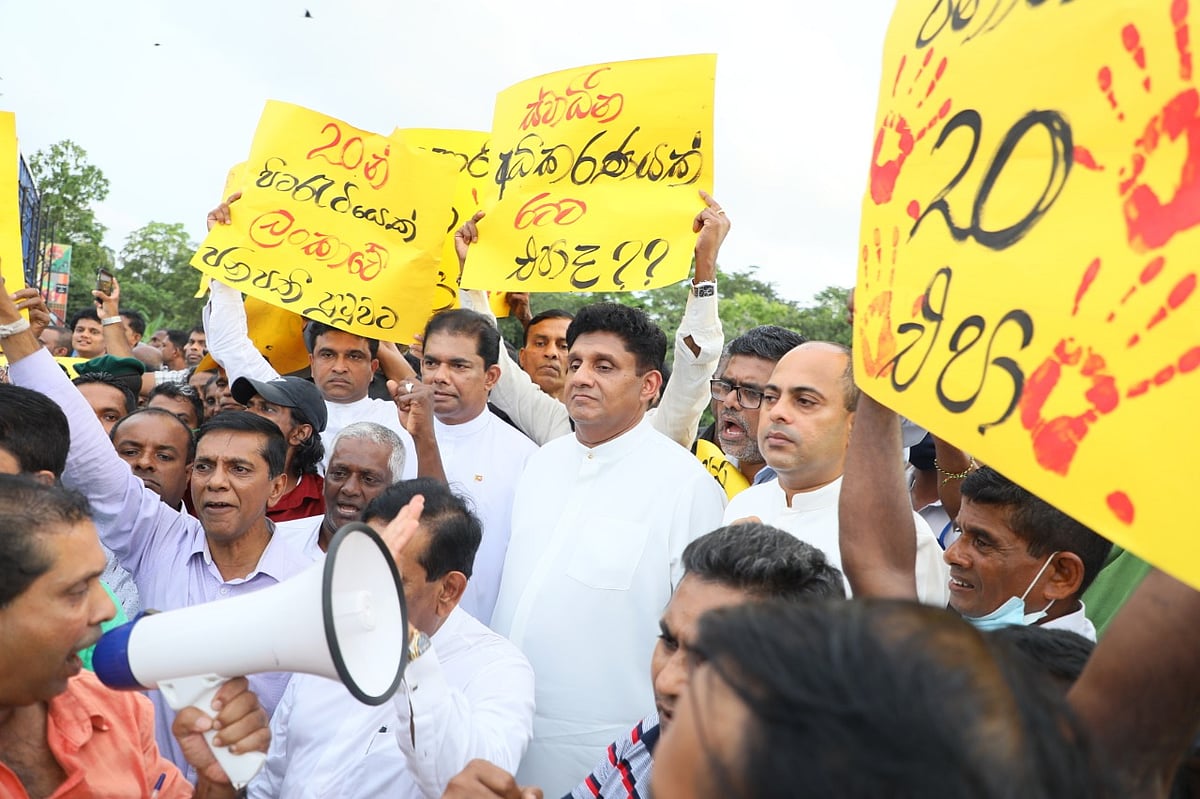
 Hurmat Ali Shah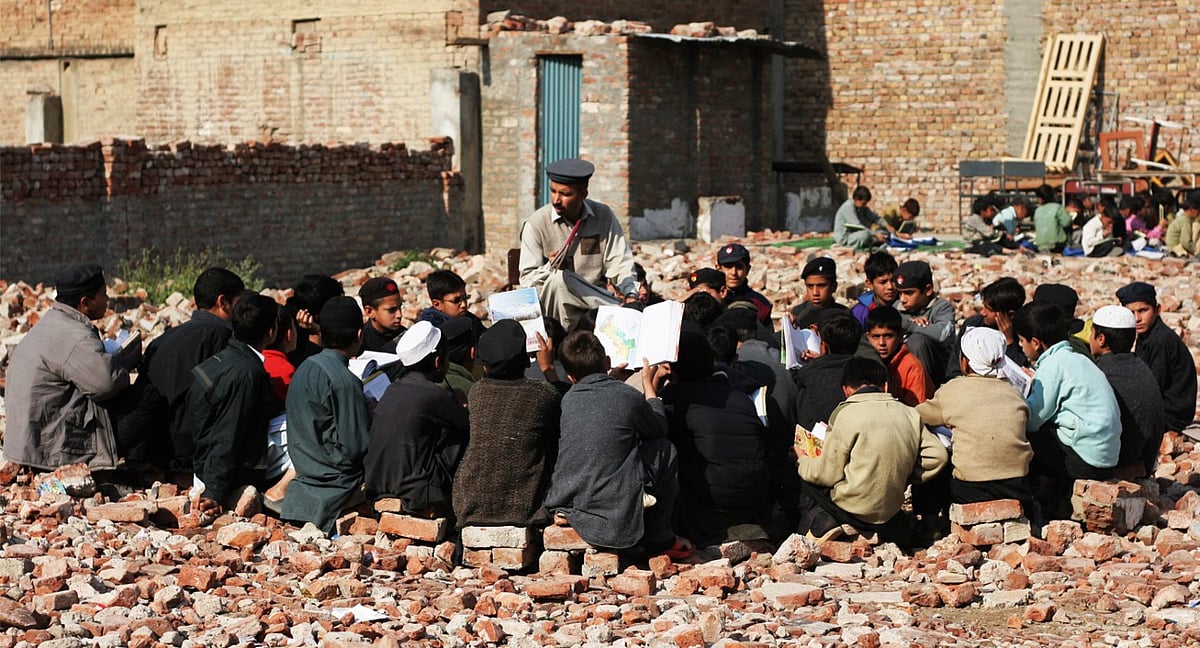
 Amish Raj Mulmi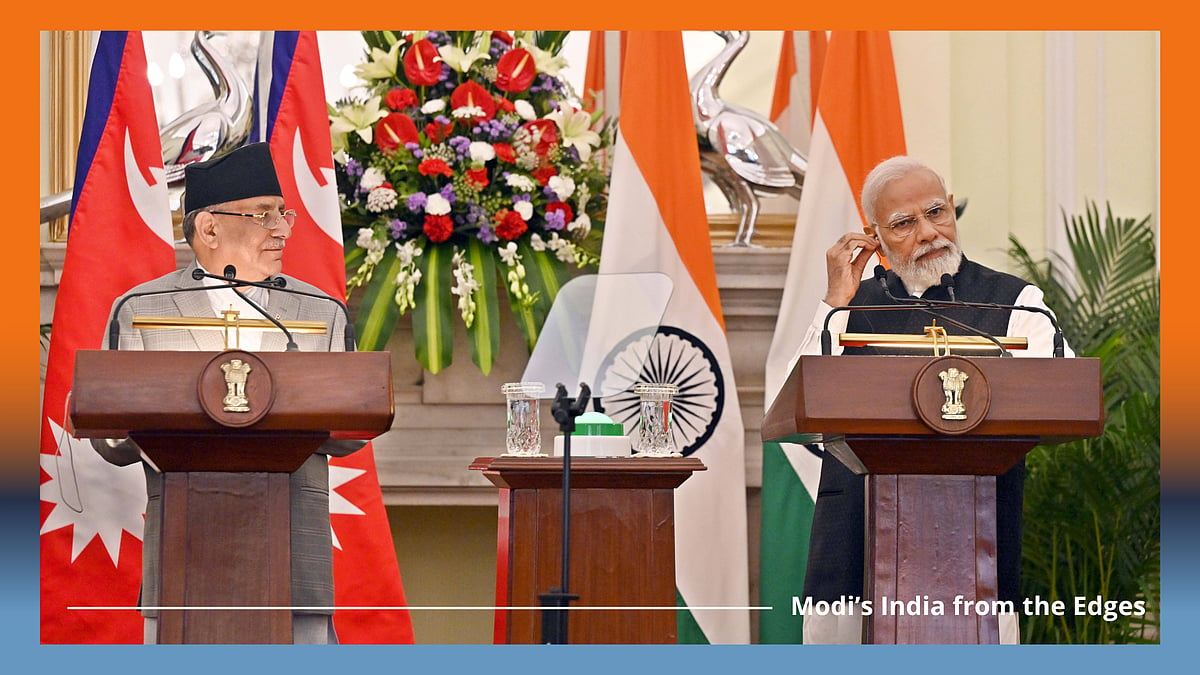
SNAP SOUTHASIA
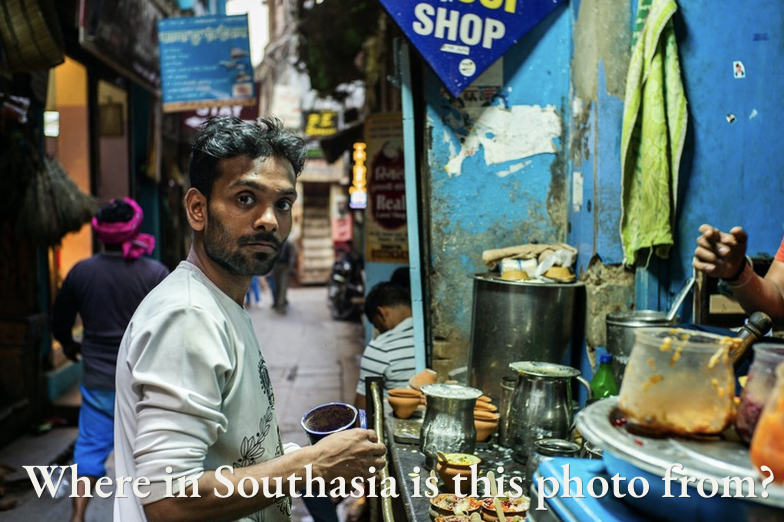
@aya_yama_photos