This week, the news is full of updates on Narendra Modi’s visit to Israel, even as international condemnation builds towards Israel for its actions in Gaza, particularly the violence meted out to Palestinian civilians. In tandem with Modi’s visit, 37 aid organisations are facing a ban on their operations, forcing them to stop critical aid. This week, CCTV footage emerged of the killing of 14-year-old Jad Jadallah, born and raised in al-Far’a refugee camp, who bled to death surrounded by soldiers who prevented ambulances from reaching him even after determining he was unarmed. In light of these stories, Modi (and India’s) provision of weaponry to Israel in the name of ‘strategic realism’ is coming under closer scrutiny.
At Himal, we always try to bring you the story behind the story, beyond geopolitics and political strategies. That’s why you should make sure to sign up to our Patron programme and support our work, so we can continue telling the stories that matter.
To contribute more, visit himalmag.com/support-himal.
This week in Himal
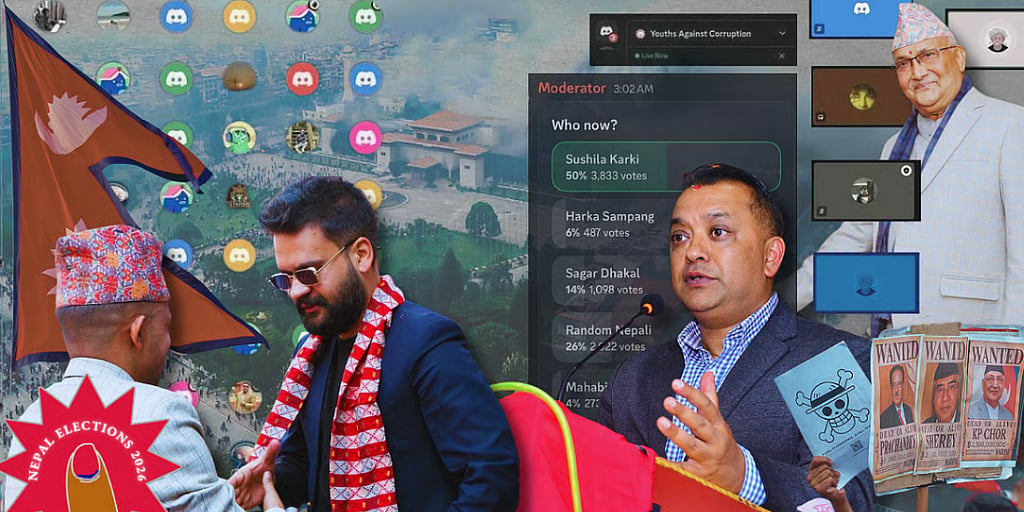
Sanjeev Satgainya writes that ahead of Nepal’s election on 5 March, there is much hope for change, but little clarity for what change the vote will deliver. Stay tuned for more podcast conversations, reportage and analysis on the election in the coming week!
Also read: Ahead of Assam’s assembly election, Himanta Biswa Sarma ramps up the hate
Also read: The business of fake deaths in Assam
Also read: Himal Interviews: How Gen Z shook up Nepal’s entrenched political class
This week in Southasia
Modi’s visit to Israel reveals deepening ties even as war in Gaza escalates
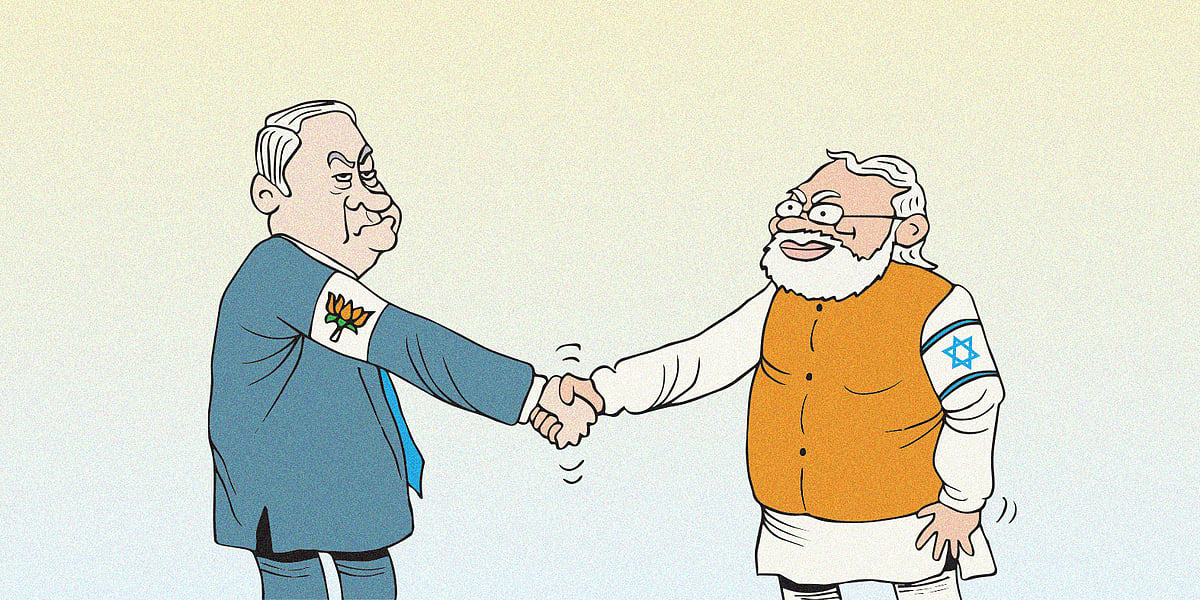
On 25 February, India’s Prime Minister Narendra Modi arrived in Israel for a two-day state visit. Representatives from both countries said Modi and Netanyahu aimed to deepen economic and defense ties, with India increasingly viewing Israel as a critical ally for defense technology and counterterrorism. During the visit, Modi addressed the Knesset, Israel's parliament, saying that India stood with Israel in the war on Gaza “with full conviction”. The speech typified the India-Israel relationship, which has transitioned from cautious engagement to one defined by strategic shared interests, particularly in the arms trade. India and Israel also initiated talks for a free trade agreement to further boost commercial ties. Modi’s visit also came amidst mounting regional tensions as the US has been reinforcing its presence ahead of a possible strike on Iran, a fact that Modi sidestepped addressing directly in his speech to avoid unbalancing India’s own Iran ties.
India’s warming relationship with Israel puts it increasingly at odds with the rest of Southasia even as international pressure mounts against Israel, with a UN commission last year finding that Israel’s actions against Palestinians amounted to genocide. Even prior to the 7 October attacks, Southasia’s press had grown increasingly critical of Israel’s actions in Gaza. Countries such as Pakistan, Bangladesh, and the Maldives have maintained a critical stance, with their political leadership calling for an immediate ceasefire and supporting cases against Israel being heard before international courts. While Sri Lanka and Nepal have officially recognised Palestinian statehood, they have balanced this by cautiously expanding their own economic and labour ties with Israel. While India has also pitched Modi’s visit as “strategic realism”, criticism, including from Indian citizens, is growing louder.

Elsewhere in Southasia:
- Pakistan launches strikes on Kabul, Kandahar on 27 February after two Pakistani soldiers killed in strikes attributed to Taliban the day before as crossborder attacks escalate in spite of October 2025 ceasefire
- Nepali police gave order to “deploy necessary force” after repeated requests to use live ammunition on first day of September 2025 Gen Z protests that resulted in 19 deaths, investigative reports reveal
- Revised Afghan penal code allows for use of corporal punishment including for domestic violence, with only two week sentence for domestic abuse cases, lays out different penalties depending on social class, drawing condemnation from UN
- Gujarat mandates parental consent for marriage registration, advocates say ruling an attempt to prevent inter-caste and interfaith marriages; Allahabad High Court rules interfaith relationships and marriages are not offences under Uttar Pradesh’s Prohibition of Unlawful Conversions of Religion Act
- Sri Lanka’s former intelligence chief Suresh Sallay arrested under Prevention of Terrorism Act for ‘aiding and abetting’ 2019 Easter Sunday bombings that left nearly 300 dead
- Trade talks between India and US postponed after Trump’s global tariff policy ruled unconstitutional by Supreme Court
- India and France update bilateral tax treaty, reducing dividend levies for large French investors and expanding Delhi’s taxation powers for transactions shortly after expanding defense links via order of 114 Rafale aircraft
- UK-based Indian doctor and YouTuber prevented from leaving India after Facebook post critical of Prime Minister Modi, petitions Bombay High Court
- Bangladesh court calls for Interpol red notice on former British MP Tulip Siddiq, niece of ousted prime minister Sheikh Hasina, to be judged in real estate corruption case
- UK opposition leader Nigel Farage visits Maldives, says UK refused to admit him to Chagos islands as UK-led deal to hand over sovereignty to Mauritius stalls after pressure from US President Donald TrumpRevisit the below archival stories from Himal adding more context to this week's news updates from India, Pakistan and Nepal
Also read: India’s slow-burn affair with Israel heats up
Also read: The persistent risks of love across social norms in India
Also read: Disillusioned with the Taliban, Pakistan reverses its four-decade Afghan policy
Also read: Nepal’s K P Oli government has murdered 19 people
Snap Southasia
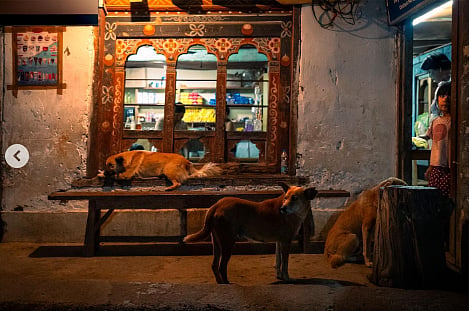
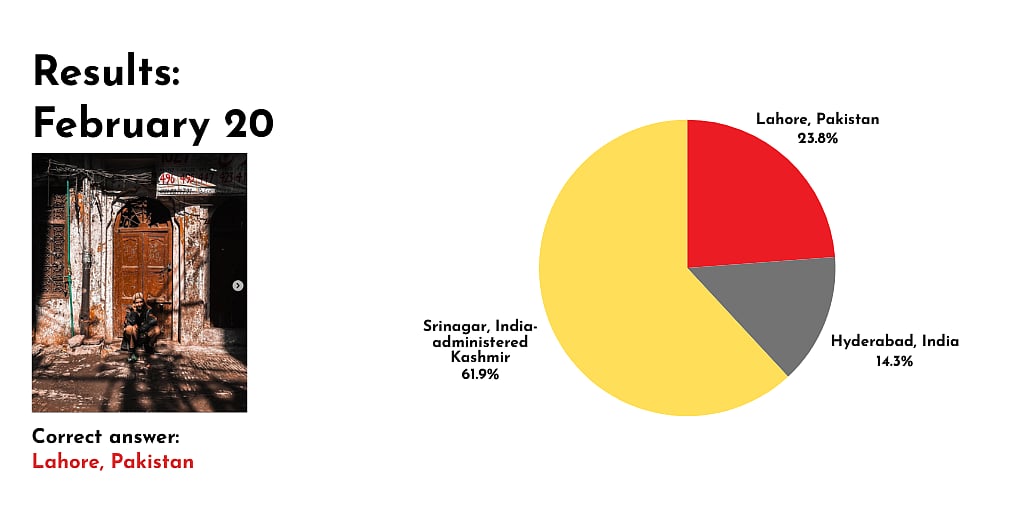
Where in Southasia is this image from? Click on your guess below (and check in next week to see if you guessed right!)
Gangtok, Sikkim
Pokhara, Nepal
Punakha, Bhutan