Eid Mubarak to all our readers who celebrate! It can feel difficult to find time to reflect and recharge when so much of the world is burning. My eyes this week were on Myanmar, where the military has tightened conscription rules, with frequent reports of young people being abducted and forcibly recruited into the military. While Myanmar received attention during its election, which the military touted as a process of democratisation, news of the ongoing conflict has faded from headlines, save from the occasional update on airstrikes.
There were plenty of other updates vying for our collective attention this week; the Quad meeting in Delhi, the train bombing in Quetta that instantly evoked memories of the 2025 Jaffar Express hijacking, drawing attention once more to Balochistan, the release on bail of a senior Buddhist monk accused of sexual abuse that has drawn heated discussion and protests in Sri Lanka. But we want to continue paying attention and bringing you news from the margins, and we felt that Myanmar deserved (and deserves) our attention. We cover Southasia like no one else, and that’s why you should sign up to our Patrons programme to support our work.
Support independent Southasian journalism for just USD 49/year!
To contribute more and for more information, visit himalmag.com/support-himal.
This week in Himal
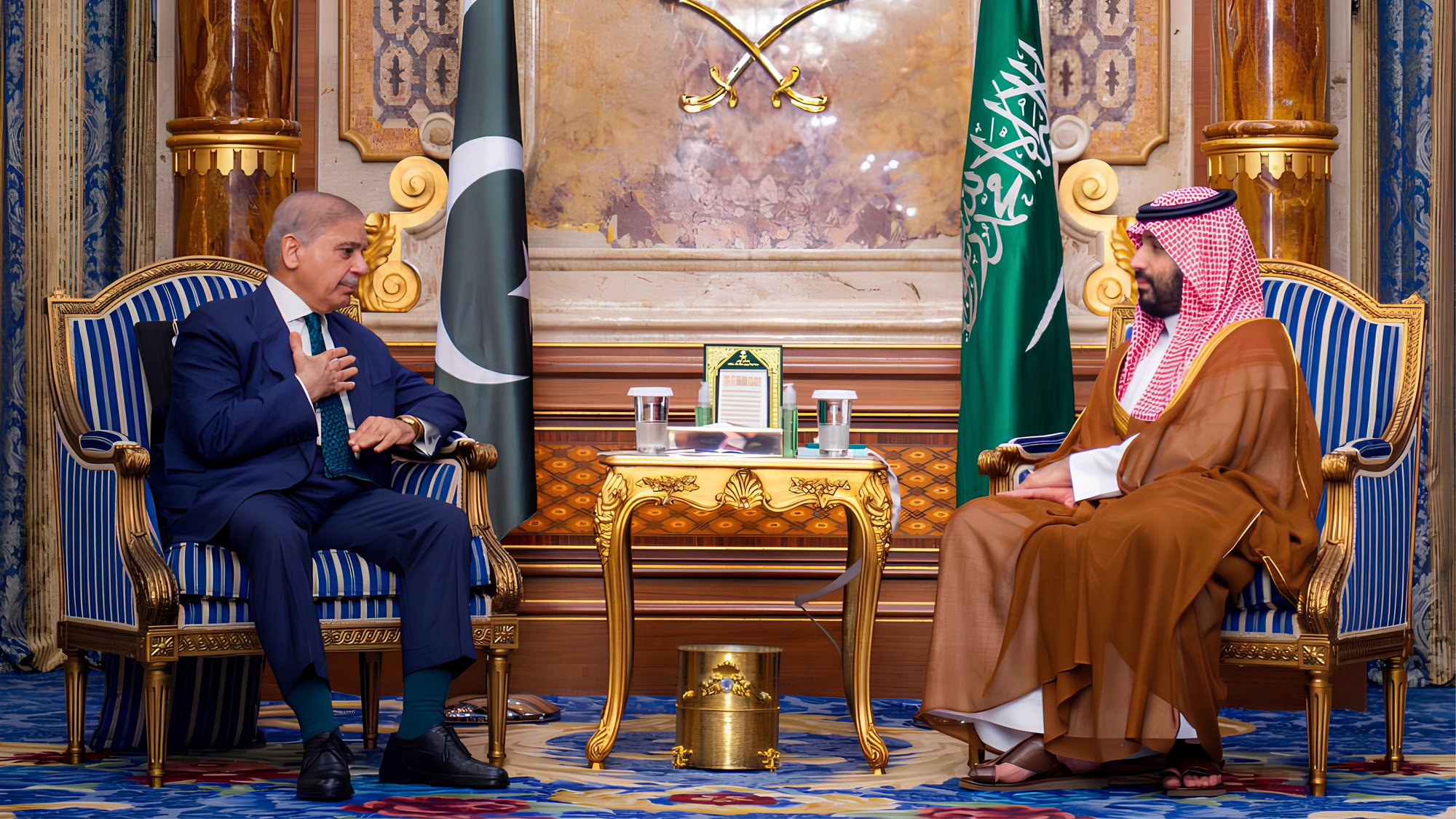
Salman Rafi Sheikh writes about the implications of Pakistan’s growing ties with Saudi Arabia, testing the country’s neutrality and bringing the Saudi-UAE rivalry to Southasia.
For Screen Southasia this month, we’re spotlighting two Sino-Indian stories – sign up to watch here.
 Sushan Bhattarai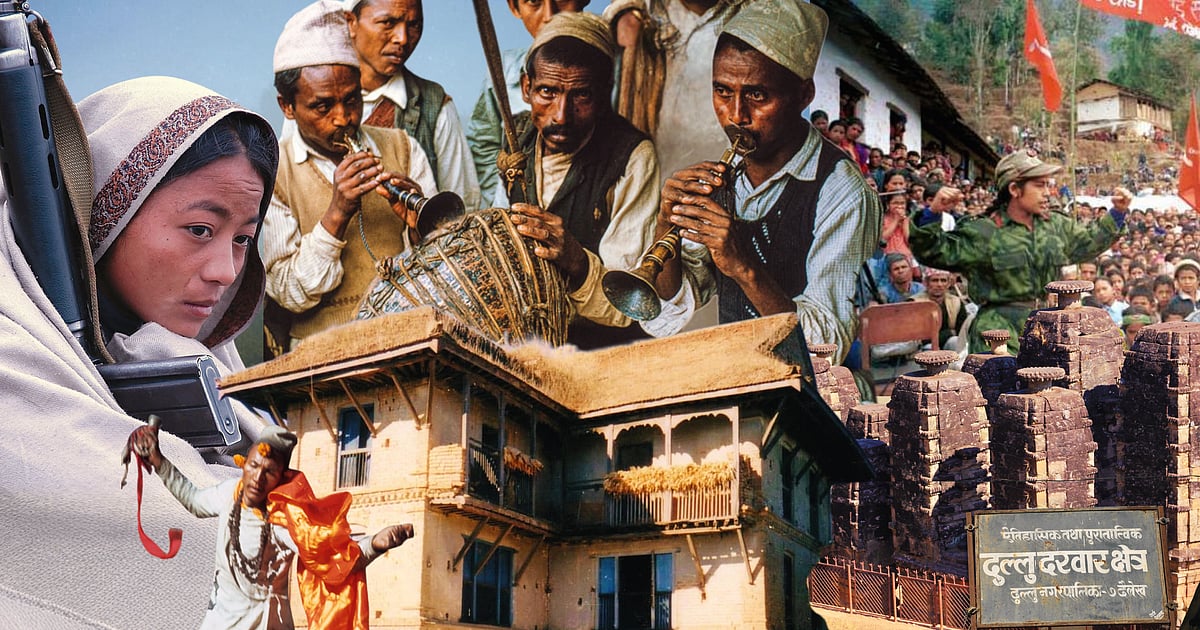
 Shwetha Srikanthan
This week in Southasia
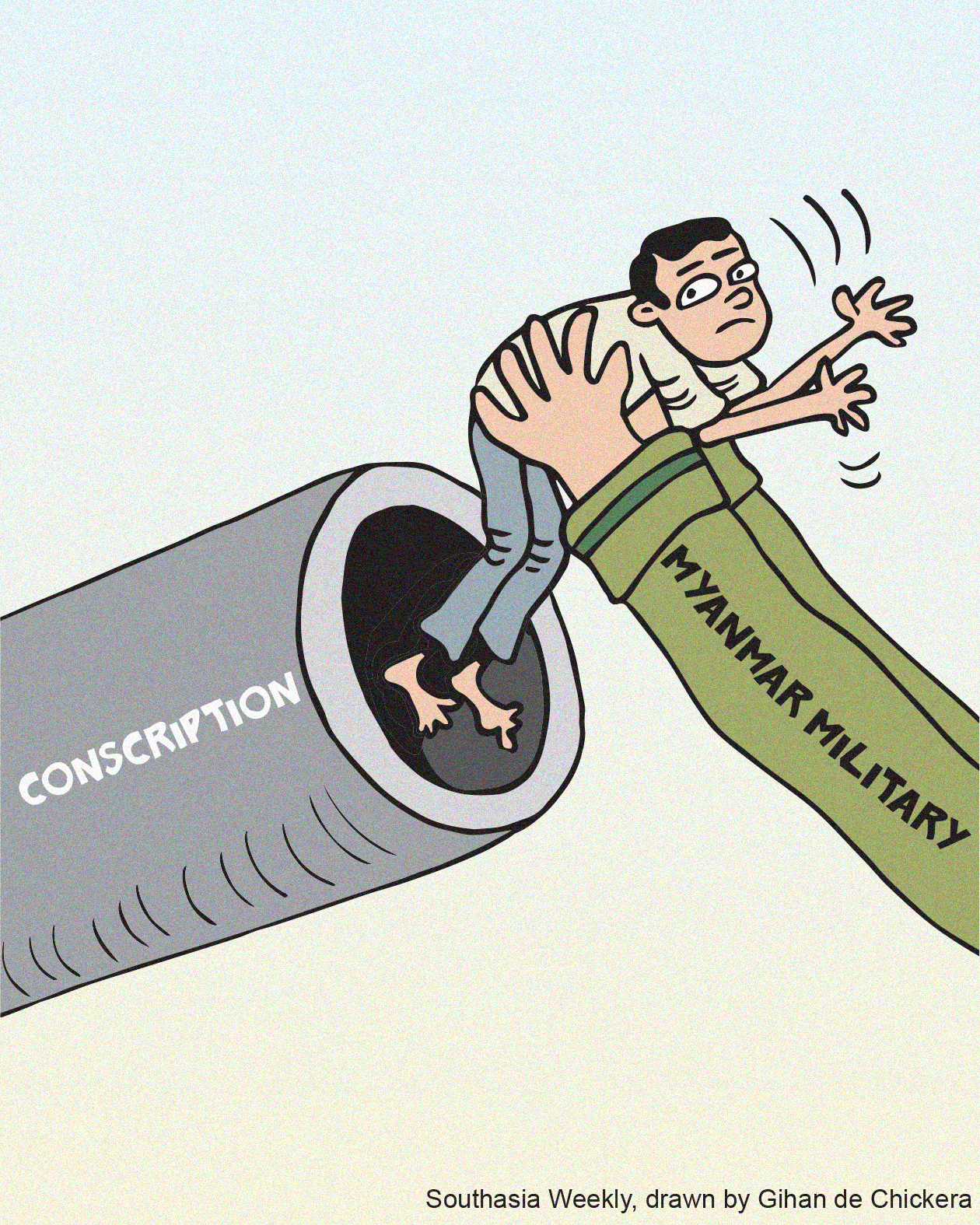
Myanmar ramps up forced conscription
This week, Myanmar’s junta aggressively pushed to regain strategic border strongholds in the Kachin, Chin and Karen states as they sought to regain control over primary communication and trade routes. Despite president Min Aung Hlaing’s call for anti-junta groups to disarm and join peace talks within 100 days, the junta has intensified airstrikes, with more than 8000 civilians displaced and dozens killed in May alone. Myanmar is also grappling with a food security crisis, with 16.2 million in need of humanitarian assistance in 2026. And after reports that the military tightened conscription rules, there are multiple reports of human trafficking, with many young adults, some of them minors, abducted and sold into the military.
In the past year and a half, the junta has regained ground on several fronts, thanks to intervention and pressure from China through negotiated ceasefires, the closure of border gates and the halting of weapons and ammunition to the anti-junta groups. This is a reversal of their position at the beginning of Operation 1027, when China is believed to have supported the anti-junta groups in a bid to clamp down on cyber crime camps operating near the border. In the past week, there have also been reports of Chinese encroachment of the border in Shan state. But rather than respond, the regime-installed Myanmar Press Council has instead been pressuring media outlets in Myanmar into silence, underscoring how China’s role has shifted.

Elsewhere in Southasia:
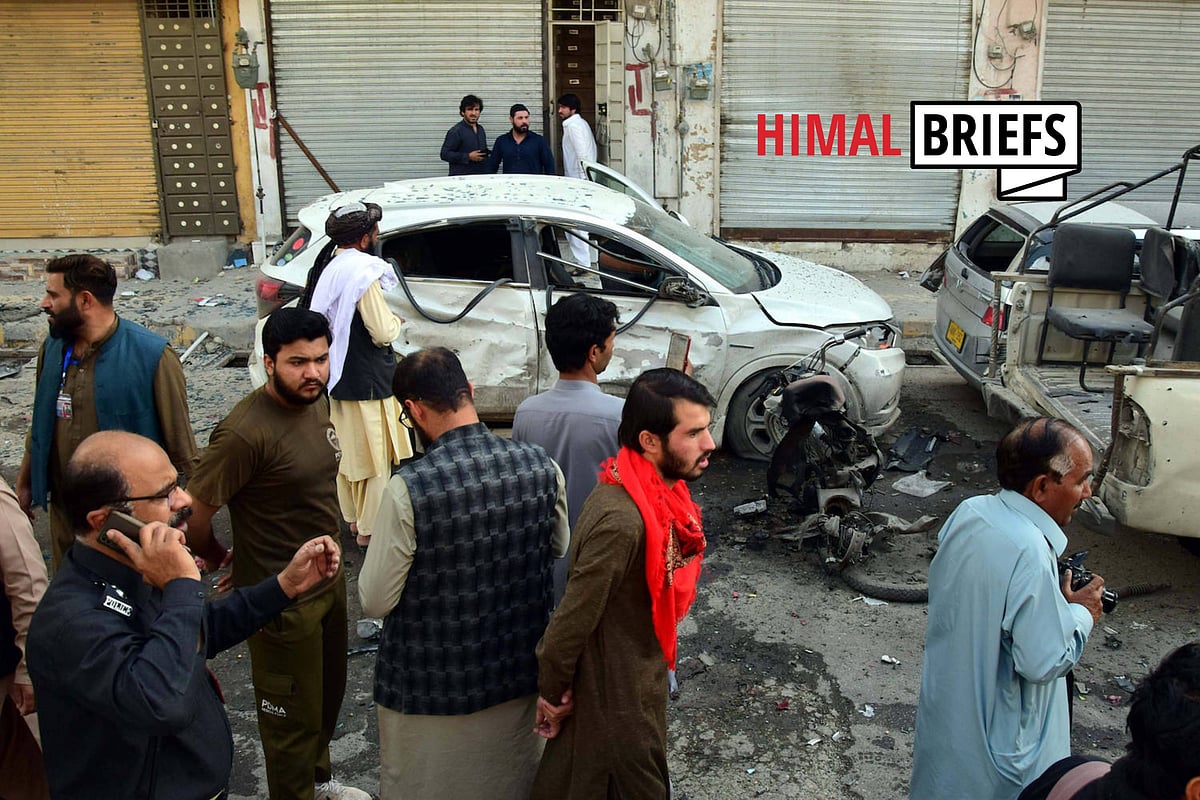
- At least 23 lose their lives, more than 70 injured in train suicide bombing attributed to Balochistan Liberation Army near Quetta, Pakistan
- Canadian police arrest 17 men purportedly of Indian origin tied to organised crime syndicate ‘For Brothers’ who extorted Southasian business owners across US and Canada
- 285 Buddhist monks have been accused of child sexual abuse from 2023 onwards, according to Sri Lanka’s National Child Protection Authority in response to Right to Information request from Organised Crime and Corruption and Reporting Porject, just 27 have faced charges
- Tibetan government-in-exile swears in Penpa Tsering as their president for second term, China says Tibet is an “internal matter”, urges India not to provide platform for Tibetan independence
- Pakistan and China advance strategic economic partnership through boosting the China Pakistan Economic Corridor, development of Gwadar Port after Prime Minister Shehbaz Sharif visits Beijing
- Representatives of US, Australia and Japan visit India for Indo-Pacific ‘Quad’ security meeting, introduce plans to launch energy initiative amidst war in West Asia, improve critical mineral supply chains and build port in Fiji
- Indian interior minister orders demolition drive of ‘illegal’ buildings within 15 kilometres of border with Pakistan to curb transborder crime, illegal immigration
- Over 500 children have reportedly died since 15 March after measles outbreak in Bangladesh, UNICEF says gaps in immunisation worsened after 2024 uprising
- Bangladesh heightens border security in wake of reports that India has forced people into Bangladesh; Indian Home Ministry forms high-level committee to examine ‘unnatural demographic change’, to submit report in a year on illegal immigration
- New reporting shows visa application outsourcing company VFS Global mishandled Indian’s data, allowed false appointment sales, and pushed value-added services onto Indian citizens
- US President Donald Trump says Iran peace deal should include requirement to sign Abraham Accords normalising relations between Israel and West Asia, Pakistan’s defence minister Khawaja Asif says he is not in favour
- Indian Supreme Court upholds Special Intensive Revision (SIR) in Bihar that led to net deletion of 4.4 million voters in 2025, says exercise cannot be invalidated just because it didn’t ‘strictly adhere to modalities’
- Former Nepali Prime Minister Bahadur Deuba and wife temporarily exempted from arrest by Supreme Court in money laundering case, questioning the issuing of an arrest warrant by Kathmandu District Court
Revisit the below archival stories from Himal adding more context to this week’s news updates from Myanmar, Pakistan, Bangladesh and India
The Editors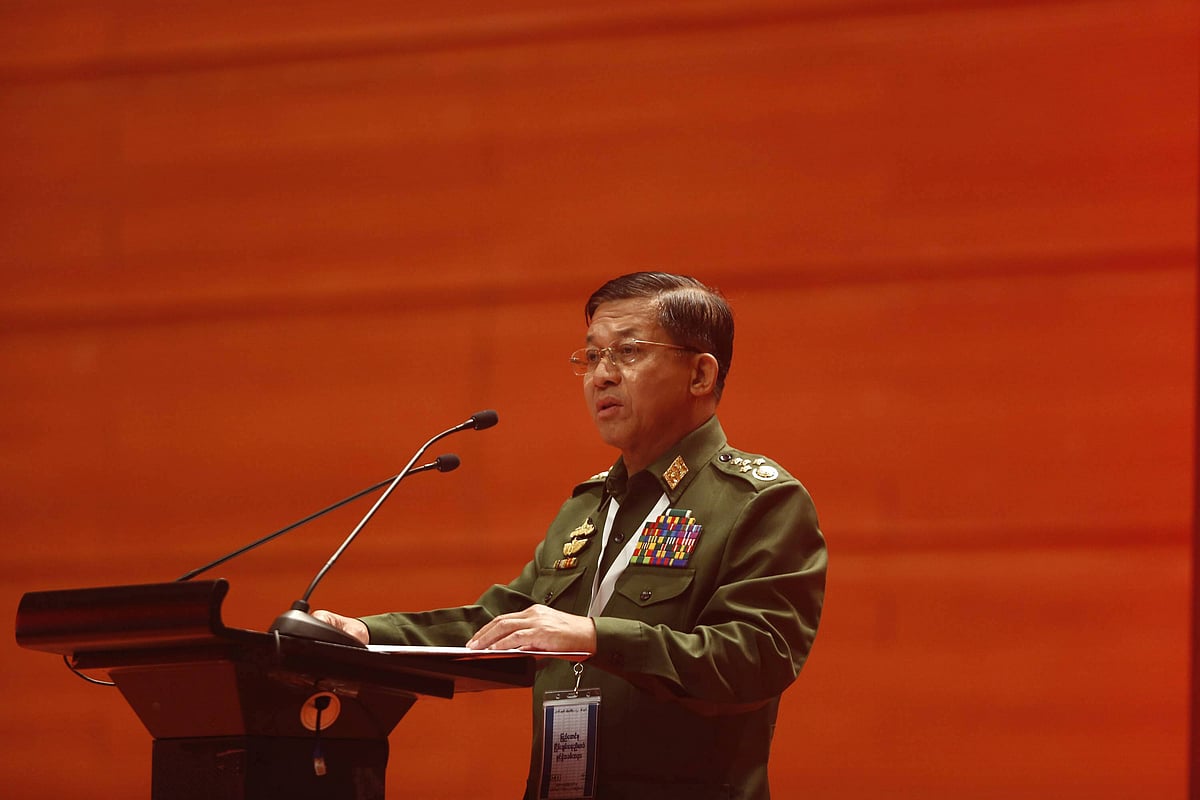 Salman Rafi Sheikh
 Kanika Gupta and Safina Nabi
Snap Southasia
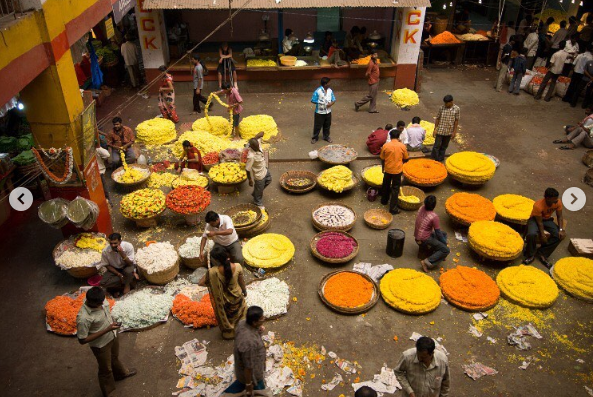
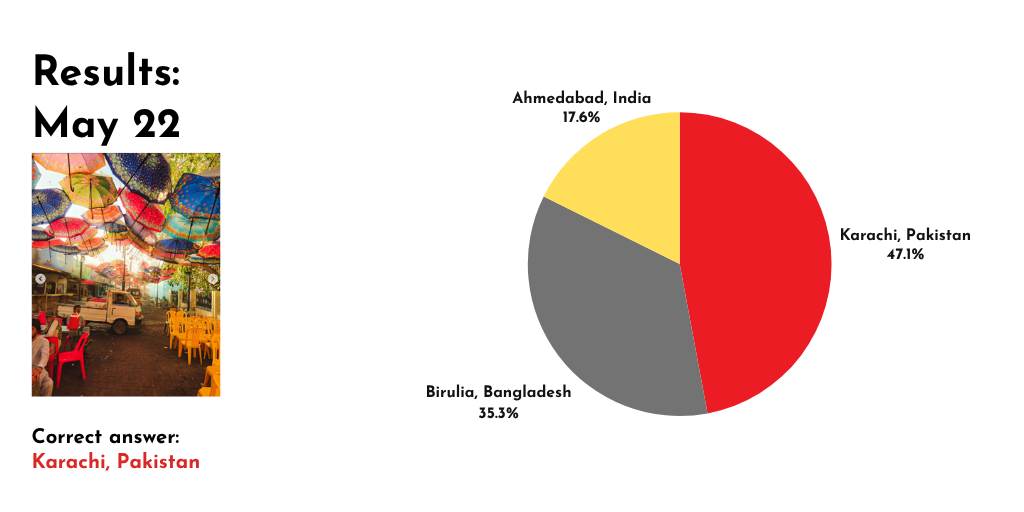
Where in Southasia is this image from? Click on your guess below (and check in next week to see if you guessed right!)
Bangalore, India
Jashore, Bangladesh
Lahore, Pakistan