

Welcome to the Southasia Review of Books newsletter, Himal’s fortnightly guide to our latest review essays and podcast conversations, alongside a selection of new books, publishing news and literary happenings from across the region.
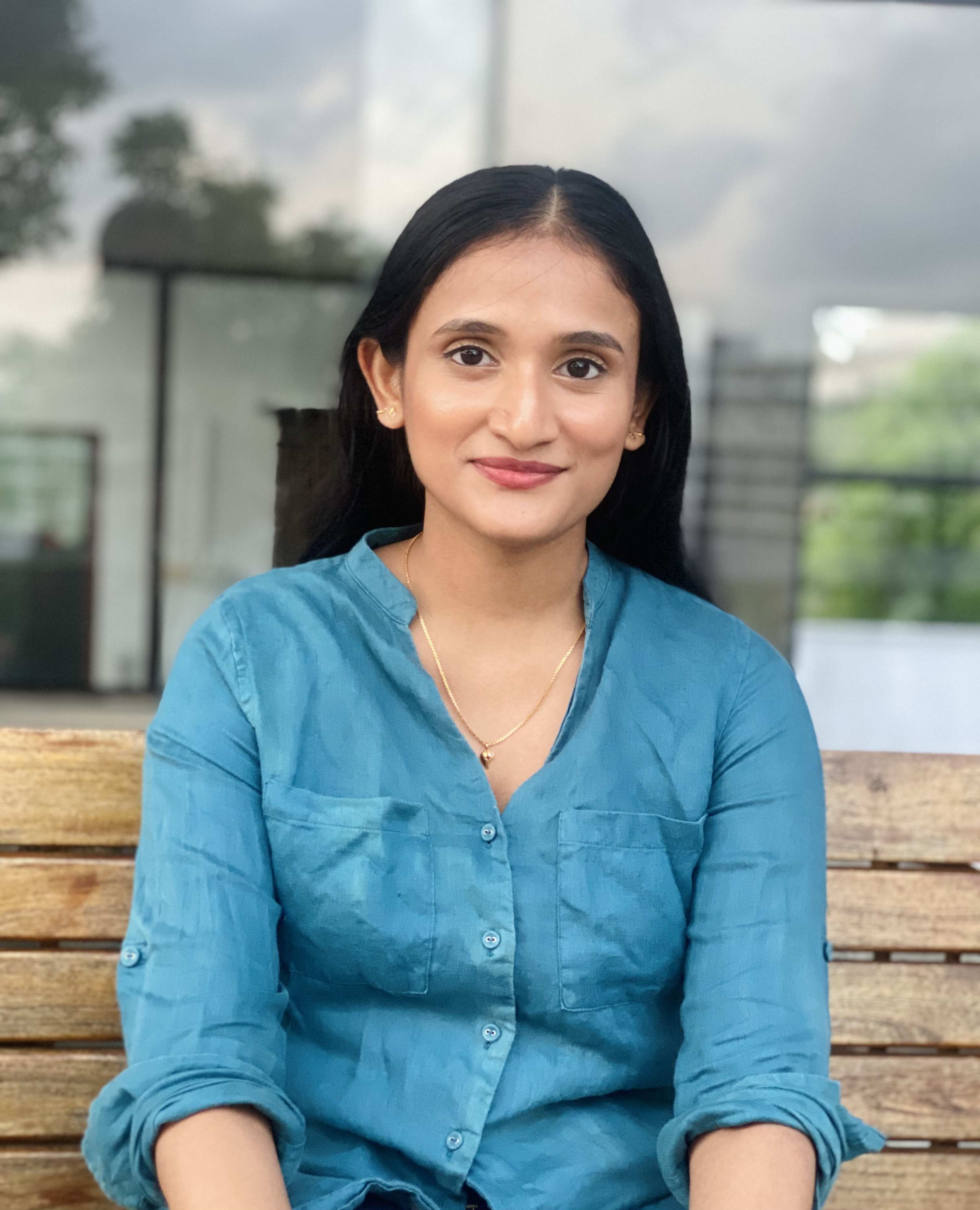
Djinns have long inhabited the stories we tell across Southasia, from the fantastical tales of Urdu dastans and qissas to contemporary fiction. But they also exist beyond the page, in the religious beliefs and everyday lives of people across the region.
This fortnight, we’re bringing you a personal essay by the writer Nusrat F Jafri, who sets out on a journey into the world of djinns, exploring the many ways in which the unseen shapes how we understand our own. (The essay was first published in German translation in Reportagen magazine in May 2026.)
Her journey begins with an episode of sleep paralysis following her father’s death, which an elderly relative attributes to a djinn. From there, Nusrat travels through Lucknow, Farrukhabad, Mumbai and Delhi, visiting Sufi shrines, old family homes and the forgotten ruins of Mehrauli, and speaking to scholars, shrine custodians and storytellers. Along the way, she encounters stories of djinns who watch over ancestral homes, women who turn to shrines when they have nowhere else to go, and the many ways belief and everyday life intersect.
Nusrat moves between personal grief, local folklore, Sufi traditions and the histories of the places she visits, showing how closely these worlds are intertwined. I particularly liked that she doesn’t try to resolve the questions she raises or neatly separate belief from reality. Some things are better left unexplained.
I hope you enjoy this essay as much as I did. And as always, you can write to me at shwethas@himalmag.com – share a book you think I should read, and I’ll send a recommendation your way.
Until next time, happy reading!
|
Shwetha Srikanthan Associate Editor Himal Southasian |
|
Enjoying the Southasia Review of Books? Become a Himal patron and help us bring you more writing, reviews and conversations about the books and ideas shaping Southasia.
📚 From Himal’s pages this fortnight
Our latest reviews, literary essays and conversations
 Nusrat F Jafri
 Shwetha Srikanthan
📚 Spotlight
A roundup of Southasian literary events, awards, opportunities and publishing news
Safu, the publisher behind the literary magazine La.Lit, has announced the Jeevan Basnet Writing Grant, an annual grant supporting one Nepali writer in completing a novel or novella over eight months. The selected writer will receive NPR 320,000 and mentorship from an editor or writer. Applicants must submit an original work of fiction in English, with a working draft of at least 20,000 words. The deadline is 15 January 2027.
And for readers in Colombo, the Social Scientists’ Association, in collaboration with the Bandaranaike Centre for International Studies, is hosting a conversation with the anthropologist Natasha S Raheja about her new book Selective Welcome: Pakistani Hindus in India. The event takes place on 16 December, from 5 to 6.30 pm, at the BCIS Auditorium, BMICH.
📚 This month in Southasian publishing
New and noteworthy books from across the region
Writing through recovery

In this follow-up to his memoir Shattered, the novelist and screenwriter Hanif Kureishi recounts the year he spent adjusting to life at home in London after an accident left him paralysed. Written with his son Carlo, Are You With Me Now? (Penguin, November 2026) follows the everyday realities of disability, from carers, physiotherapy and sleepless nights to relationships and family life. Moving between memories of life before the accident and the uncertainties of what comes next, Kureishi reflects on how he and his family adapt to a radically changed life.
📖 From the Himal archives: Muneeza Shamsie’s 1999 essay surveys the evolution of Pakistani English literature, tracing Kureishi’s work alongside other writers who have shaped the tradition.
Census and citizenship
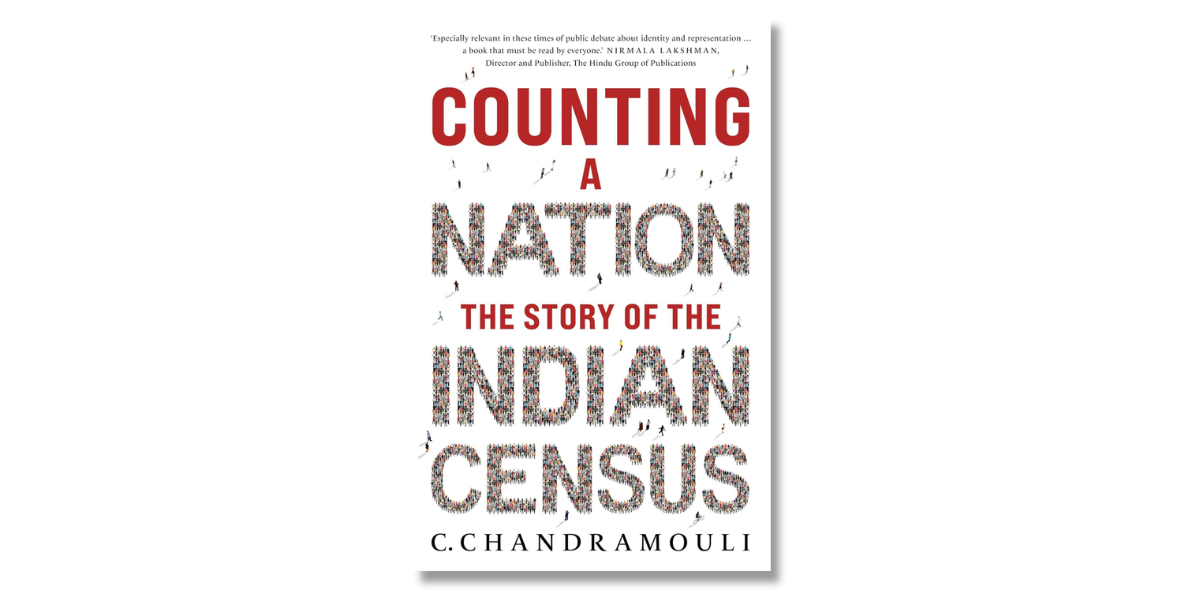
In Counting a Nation: The Story of the Indian Census (Macmillan, November 2026), the former census commissioner C Chandramouli documents the history of India’s census, from its beginnings under British colonial rule in 1871 to its role in shaping the modern republic. He looks at how successive censuses have reflected changing political and economic priorities, while shaping how identity and citizenship are understood and recorded. With the first census since 2011 scheduled for 2027, Chandramouli also considers the consequences of the decade-long gap and the census’s continuing significance for governance, welfare and political representation.
📖 From the Himal archives: Anil Varghese and Nawal Kishore Kumar make the case for caste censuses across Southasia, examining how better data could bring historical inequalities into sharper focus.
Myanmar’s uncertain urban futures
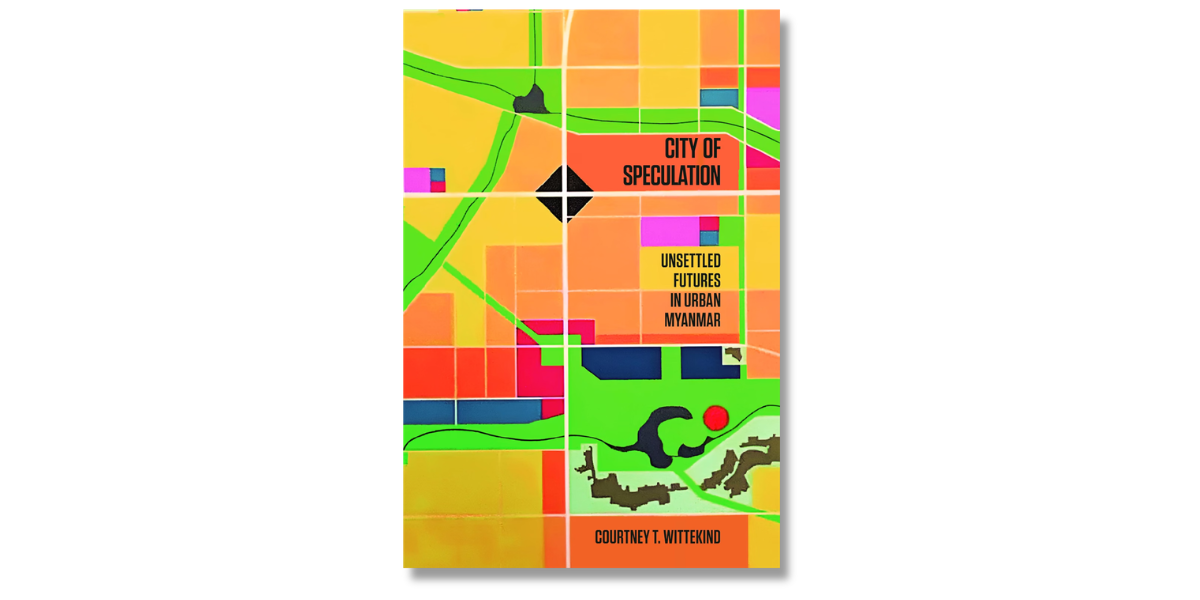
In 2018, Myanmar’s first democratically elected government since 1962 proposed building a new city on 20,000 acres of farmland outside Yangon. As farmers traded cultivation for speculation in land and property, the project became a site of competing hopes for economic transformation. But political turmoil, the pandemic and the 2021 military coup brought these ambitions to a halt. In City of Speculation: Unsettled Futures in Urban Myanmar (Stanford University Press, November 2026), Courtney T Wittekind draws on extensive fieldwork to understand how people have navigated uncertain property markets and adapted their aspirations as promises of development unravelled.
📖 From the Himal archives: A look back at Myanmar’s political and economic transition in 2016, as Aniruddha Bonnerjee and Gabriele Köhler consider the tensions between neoliberal reforms and the promise of a welfare state.
On exile, identity and belonging
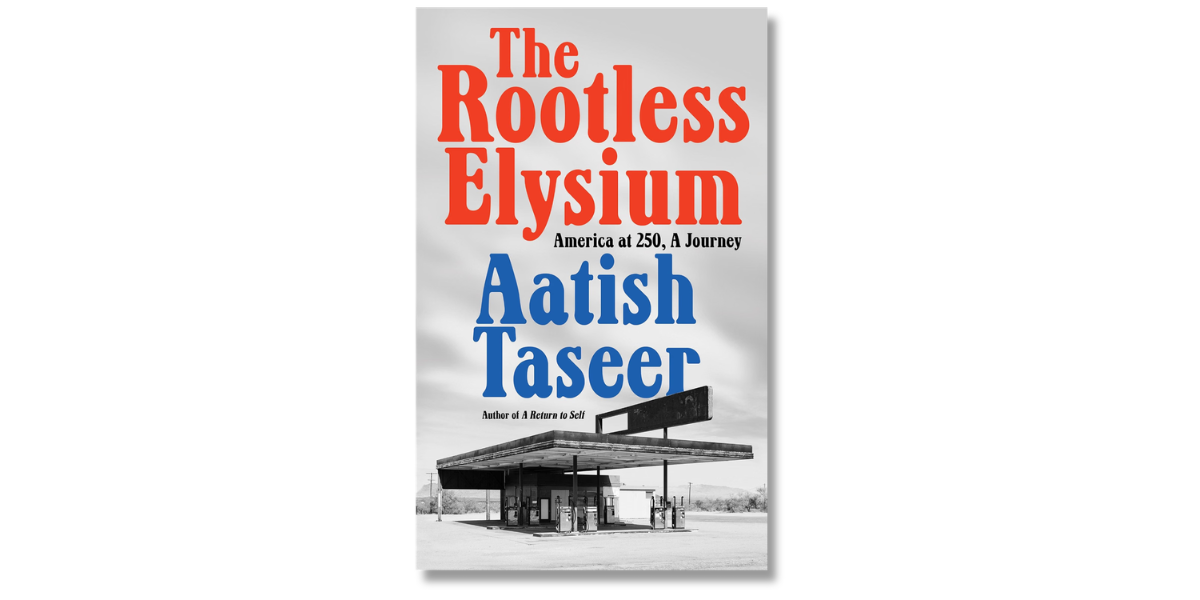
In The Rootless Elysium: America at 250, A Journey (Catapult Books, November 2026), Aatish Taseer sets out on a road trip across the United States, shortly after becoming an American citizen. Driving from Chicago to the Pacific along Route 66, he reflects on migration and the question of belonging in a country built on ideals of reinvention. Drawing on his own experiences of growing up in India, living in the United Kingdom and settling in the United States, Taseer explores the tensions between rootedness and rootlessness, and the histories and racial divisions beneath America’s promise of a fresh start.
📖 From the SaRB podcast archives: A conversation with Aatish Taseer on exile and identity, and the journeys that inspired his book, A Return to Self.
The past and present of Bengaluru and Shillong
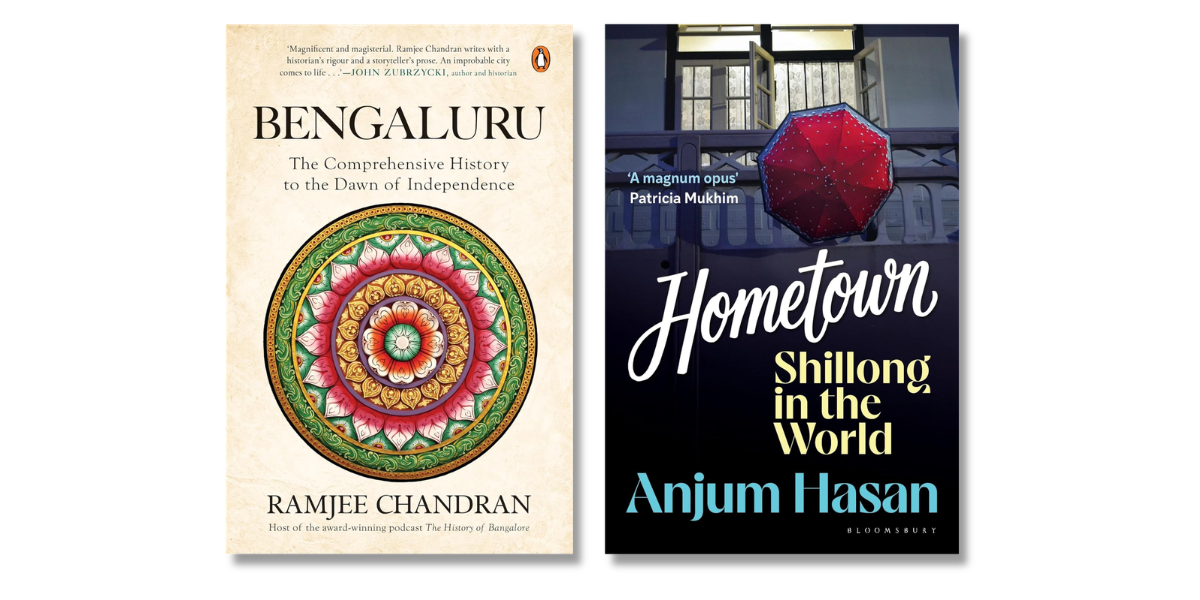
From Bengaluru to Shillong, two new books map the histories behind India’s changing urban landscapes.
In Bengaluru: The Comprehensive History to the Dawn of Independence (Penguin India, November 2026), Ramjee Chandran unpacks the city’s history up, exploring its early settlements, ancient trade routes and emergence as a major commercial and cultural centre. From the reigns of local dynasties and Kempe Gowda’s founding of the city to the arrival of the British, he examines how centuries of migration, commerce and cultural exchange shaped Bengaluru.
Hometown: Shillong in the World by the novelist Anjum Hasan (Bloomsbury, November 2026) turns to a northeast Indian city, charting its transformation from a British hill station to the capital of Meghalaya. Drawing on personal testimonies, research and reportage, she captures Shillong’s layered identities, from its Khasi roots and Christian influences to its music scene, political tensions and changing aspirations.
The Rohingya genocide and pursuit of justice
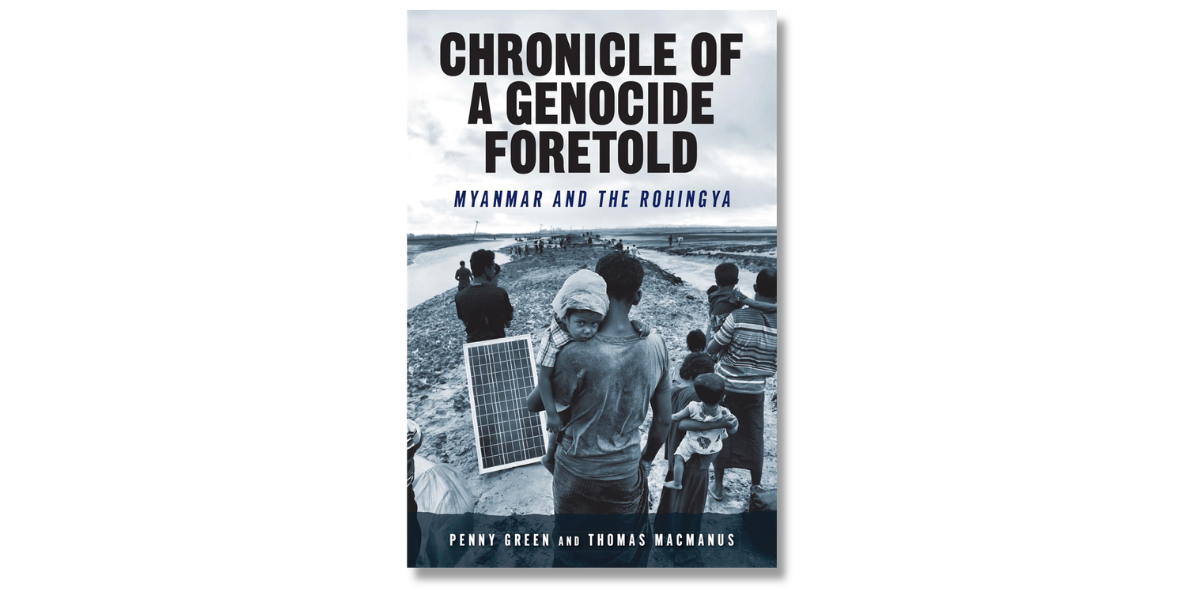
Chronicle of a Genocide Foretold: Myanmar and the Rohingya by Penny Green and Thomas MacManus (Rutgers University Press, November 2026) document the systematic persecution of the Rohingya in Myanmar. They trace how decades of discrimination, impoverishment and state-sponsored violence culminated in the 2017 military operations and mass displacement, while examining the international community’s failure to prevent the atrocities. The book comes at a significant moment, following the ICJ’s landmark ruling that Myanmar had committed genocide against the Rohingya.
📖 From the Himal archives: Salil Tripathi writes on the Rohingya’s struggle for recognition and belonging, and the forces that have left them unaccounted for both within Myanmar and beyond its borders.
Nepal’s constitutional crossroads
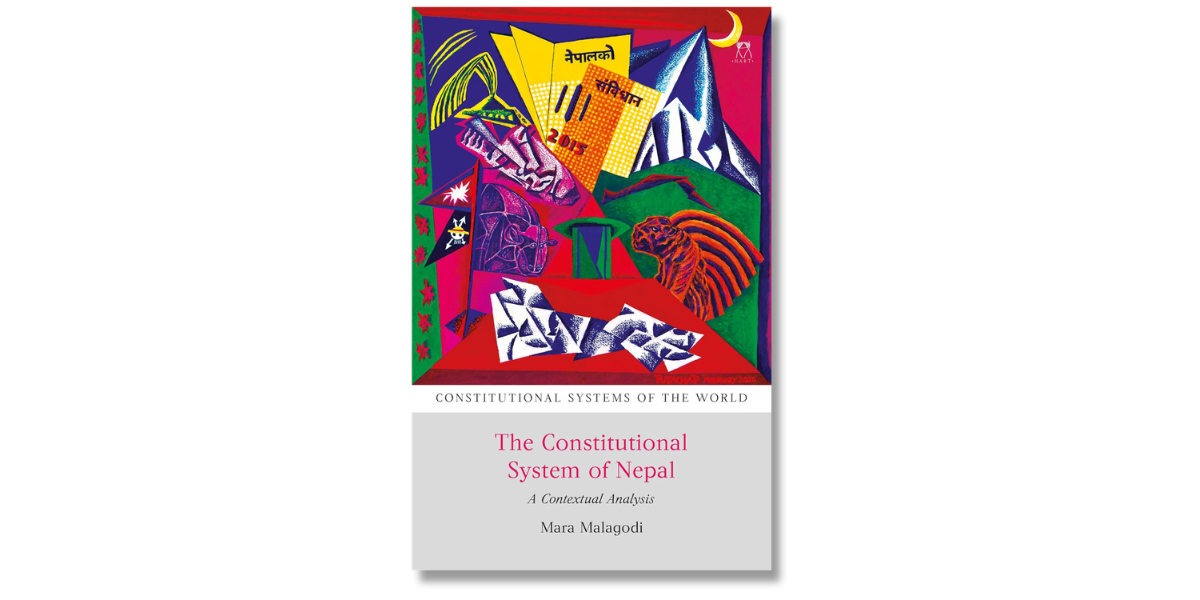
In The Constitutional System of Nepal: A Contextual Analysis (Bloomsbury, November 2026), the legal scholar Mara Malagodi unpacks the country’s constitutional evolution, from its first experiments with democracy in the 1950s to the adoption of its current constitution in 2015. She weighs three enduring tensions: the struggle to constrain executive power, competing demands for identity, inclusion and representation, and Nepal’s repeated replacement of constitutions – seven in less than eight decades. Bringing together constitutional law and political history, the book interrogates how these struggles have shaped Nepal’s political institutions and continue to influence its democratic future.
📖 From the Himal archives: Rishikesh Shaha’s 1990 assessment of Nepal’s constitution, examining its promise as a democratic milestone alongside the questions and shortcomings that shapes its implementation.
Cochin under colonial rule
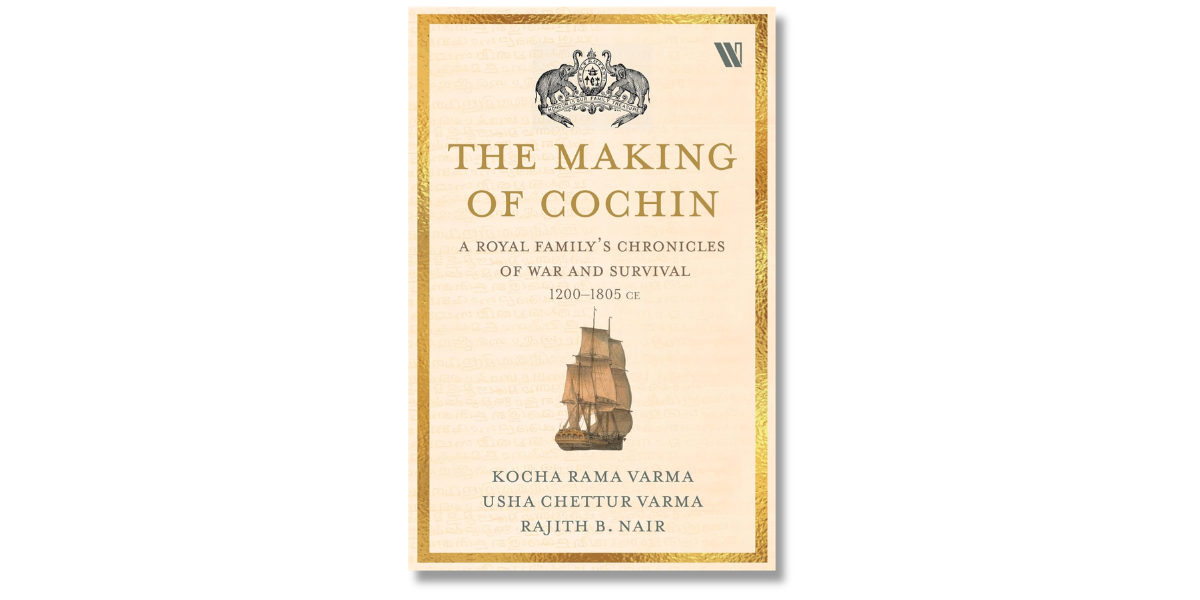
In The Making of Cochin: A Royal Family's Chronicles of War and Survival (Westland, November 2026), Kocha Rama Varma, Usha Chettur Varma and Rajith B Nair trace the history of the Perumpadappu Swaroopam, the royal family that ruled Cochin, from its origins in the 12th century to the kingdom’s incorporation as a princely state under British rule in 1805. Drawing on archival records, family letters and oral histories, they follow centuries of shifting alliances, internal rivalries and conflicts with neighbouring kingdoms, as well as the arrival of Portuguese, Dutch and British colonial powers and their competing ambitions over the lucrative spice trade.
📖 From the Himal archives: N P Chekkutty follows the story of Cochin’s Robinson Crusoe – a Dutch soldier banished to Ascension Island in the 18th century after being convicted of sodomy.
Cinema, celebrity and political power in India
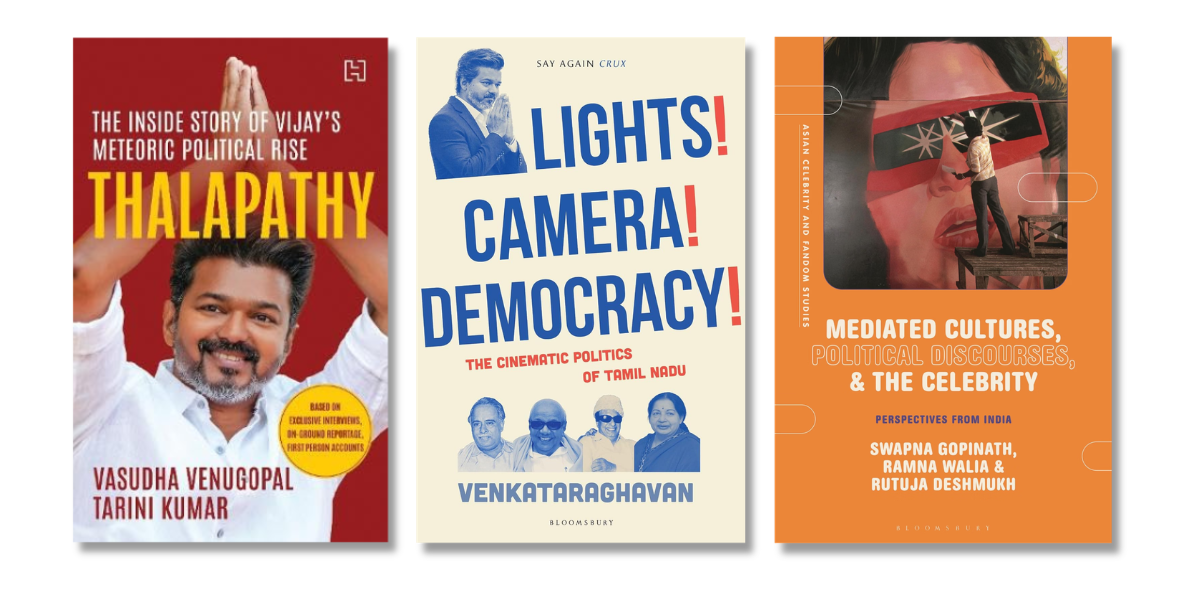
In Thalapathy: The Inside Story of Vijay’s Meteoric Political Rise (Hachette India, November 2026), the journalists Vasudha Venugopal and Tarini Kumar trace Vijay’s journey from Tamil cinema superstar to chief minister of Tamil Nadu, taking stock of the fan networks, campaign strategies and voter support behind his party’s electoral breakthrough.
Taking a longer historical view, Venkataraghavan’s forthcoming book, Lights, Camera, Democracy: The Cinematic Politics of Tamil Nadu (Bloomsbury, January 2027) explores the close relationship between cinema and politics in the state, tracing the tradition of actor-politicians and the cinematic symbols and political imagery that have shaped Tamil Nadu since the 1940s.
In Mediated Cultures, Political Discourses, and the Celebrity: Perspectives from India (Bloomsbury, November 2026), edited by Swapna Gopinath, Ramna Walia and Rutuja Deshmukh, scholars examine how celebrity shapes political and public life across India, looking beyond Bollywood to regional cinemas, Dalit and Adivasi representation, and the intersections of stardom, ideology and political activism.
📖 From the Himal archives: T M Krishna considers Vijay’s rise in Tamil Nadu, questioning what his ascent reveals and the difficulty of pinning down his political vision.
Southasian Muslim women in Britain
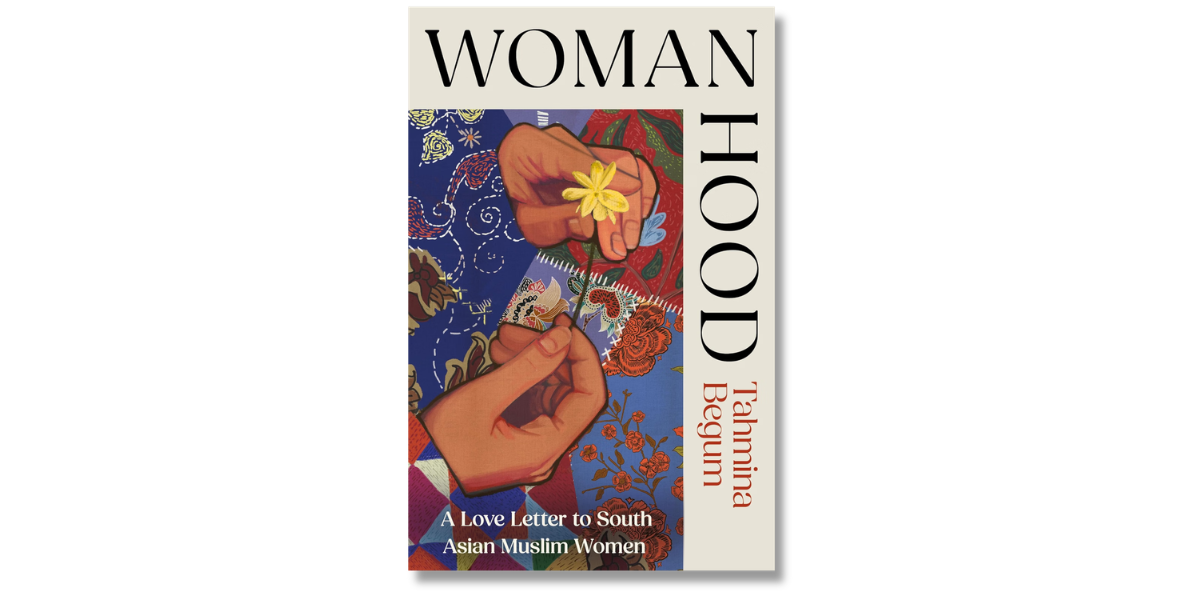
In Womanhood: A Love Letter to South Asian Muslim Women (Trapeze, November 2026), Tahmina Begum draws on eight years of interviews to follow Noor, Khaira and Moumita, three Southasian Muslim women in the United Kingdom negotiating the expectations of what it means to be a “good woman”. As they navigate relationships, faith, family and the weight of generational expectations, their stories follow the tensions between duty and desire, and the struggle to define womanhood on their own terms.
Lives devoted to art
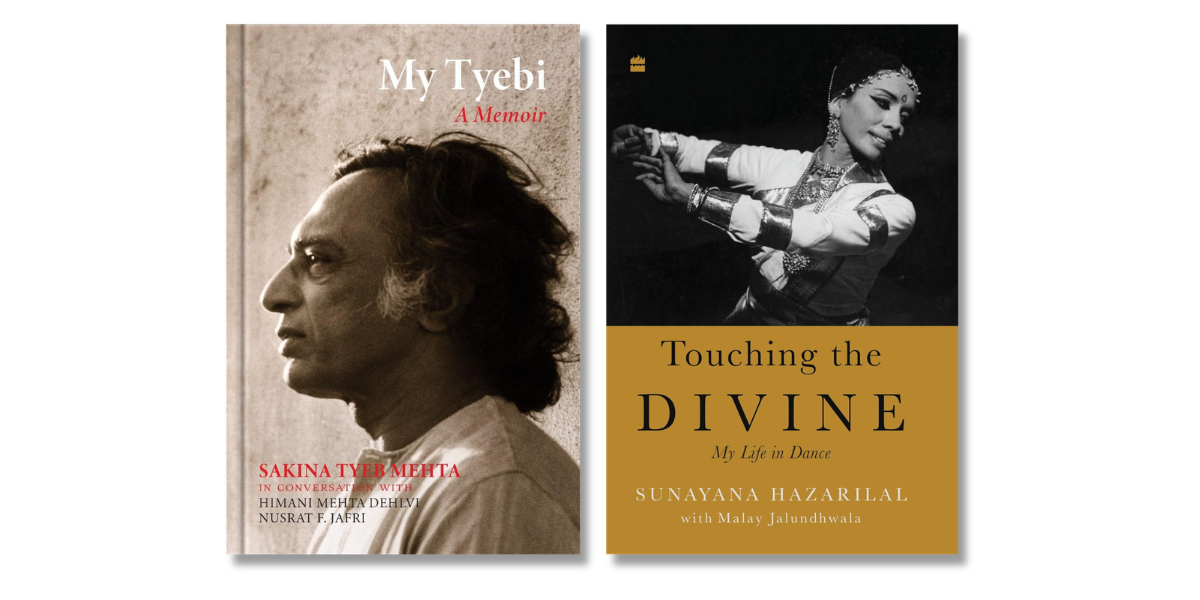
In My Tyebi: A Memoir (Tyeb Mehta Foundation, November 2026), Sakina Tyeb Mehta – writing with Himani Mehta Dehlvi and Nusrat F Jafri – looks back on more than six decades of life with her husband, the celebrated modernist painter Tyeb Mehta. Moving beyond his public reputation, she offers an intimate portrait of the man she knew as Tyebi, recalling their life together, his artistic struggles and triumphs, and the relationships that shaped them. Set against the emergence of modern Indian art, the memoir also looks at Sakina’s own journey alongside the artist and his work.
In Touching the Divine: My Life in Dance (HarperCollins India, December 2026), the classical dancer Sunayana Hazarilal, writing with Malay Jalundhwala, documents her life as a young woman facing family opposition and financial hardship to a leading figure in the kathak tradition. She also recounts her lifelong collaboration with her guru, Pandit Hazarilal, to revive the Jankiprasad school of Kathak and preserve its place in Indian classical dance.
A life in Kannada literature
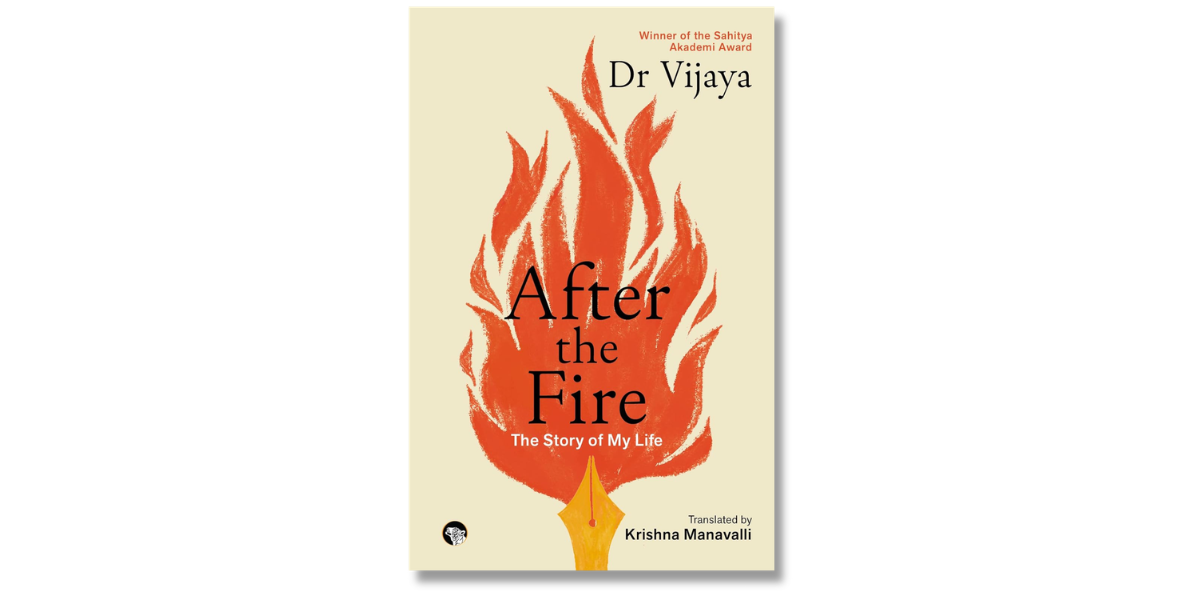
In After the Fire (Speaking Tiger, November 2026), translated by Krishna Manavalli, the Kannada writer and journalist Vijaya recounts her journey from a difficult childhood in Karnataka to becoming a prominent literary figure. Married young, she endured years of domestic and sexual violence before leaving her abusive marriage, returning to education and finding her place in Bengaluru’s literary circles. Originally published in Kannada, her award-winning memoir also offers a glimpse into Karnataka’s changing cultural landscape and its literary world.
New Southasian fiction
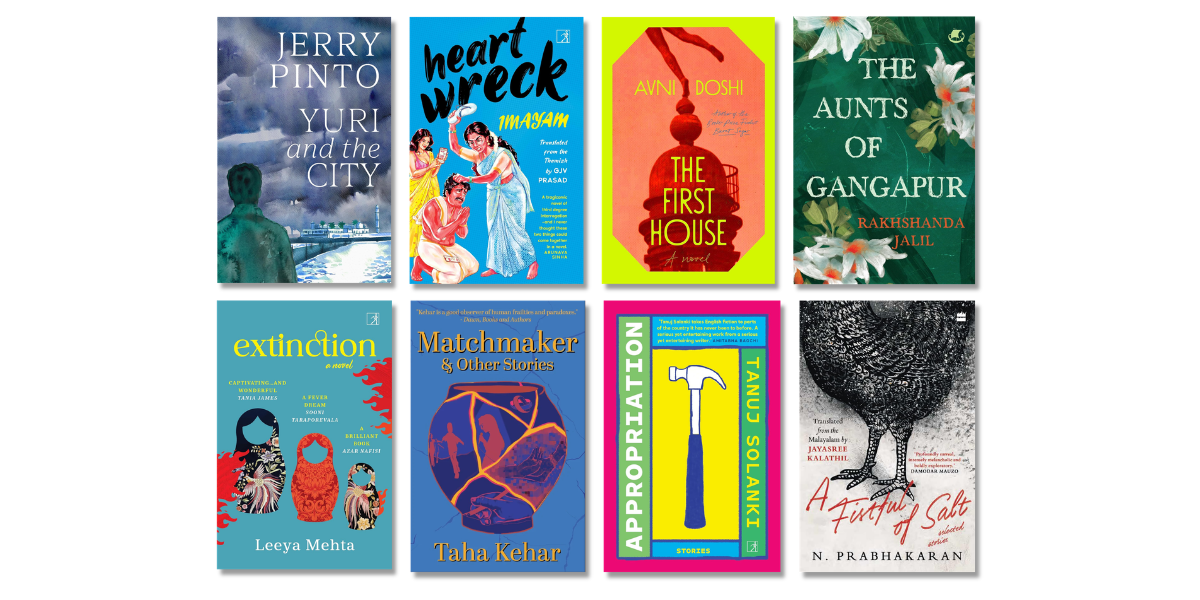
In Yuri and the City (Speaking Tiger, November 2026) – a follow-up to the acclaimed novel The Education of Yuri – Jerry Pinto returns to Yuri Fonseca, a journalist and aspiring poet in 1992 Bombay. As communal violence erupts following the demolition of the Babri Masjid, Yuri’s household help arrives at his door with her two children, forcing him to confront questions of courage, compassion and solidarity in a city torn apart by violence.
Marriage and its discontents take centre stage in two new novels. Heartwreck by Imayam, translated from the Tamil by GJV Prasad (Simon & Schuster India, November 2026), follows an affair between two college professors in a small Tamil Nadu town, and the comic fallout when the wife’s discovery brings the relationship into the open. In The First House (Summit Books, November 2026), the Booker Prize finalist Avni Doshi explores the aftermath of a marriage breakdown, as a woman reconsiders her relationships with her husband, children and estranged sister.
Two more novels turn to the complexities of family and inheritance. In The Aunts of Gangapur (Tranquebar, November 2026), Rakhshanda Jalil follows Zuby’s retreat to her husband’s ancestral home, where the arrival of his larger-than-life family brings old stories and unexpected revelations. Leeya Mehta’s Extinction (Simon & Schuster, November 2026) takes a more fantastical turn, as a mysterious box discovered after a grandmother’s death leads a young woman into her Parsi family’s secrets across three generations.
Rounding out this month’s fiction offerings are three short-story collections. In Matchmaker and Other Stories (Liberty Publishing, November 2026), Taha Kehar explores cultural expectations and complicated relationships, from an elderly matriarch’s encounter with a Zoom wedding to a matchmaker confronting her past. Appropriation by Tanuj Solanki (Simon & Schuster India, November 2026) moves between relationship dramas, noir and political satire to examine the cruelties and compromises of contemporary Indian life. Finally, A Fistful of Salt: Selected Stories (Harper Perennial India, November 2026), translated by Jayasree Kalathil, brings together five decades of writing by the Malayalam author N Prabhakaran. Moving between folklore, the fantastical and the everyday, the collection features stories of migrant workers, troubled marriages and memories of the Salt Satyagraha.
📖 From the SaRB podcast archives: Jerry Pinto discusses inclusive storytelling, translation and the politics of Hindi cinema, and a conversation with Taha Kehar on bending the conventions of the Southasian mystery novel and capturing Karachi’s complexities in fiction.