

Yes, we are somehow already in June, which means Himal’s Fiction Fest returns next week for another edition celebrating Southasian fiction in translation – and I especially wanted to share it here with the Southasia Review of Books community.
From 8 to 19 June, we’ll be publishing six new translations of Southasian fiction, bringing together writers, translators and readers from across the region. We’ll also be opening the festival with a special online event organised in partnership with the Armory Square Prize for South Asian Literature in Translation. The event will feature a conversation between the International Booker Prize-winning writer and translator Deepa Bhasthi and the scholar, poet and translator Parwana Fayyaz, which I’ll have the pleasure of moderating. The winner of the 2026 Armory Square Prize will also be announced during the event. You can register for the opening event here.
On 17 June, the award-winning Hindi-Urdu translator, writer and literary historian Rakhshanda Jalil will lead a special session on writing across languages in fiction and translation. You can register for that event here as well.
Himal’s independent regional journalism – including projects like Fiction Fest – is sustained by readers like you. Please consider becoming a Himal Patron to support our work.
As always, my inbox is open – I’d love to hear what you’ve been reading lately. Write to me at shwethas@himalmag.com.
📚 From Himal’s pages this fortnight
 Maximillian Morch
 Shwetha Srikanthan
📚 This month in Southasian publishing
India and the idea of the republic
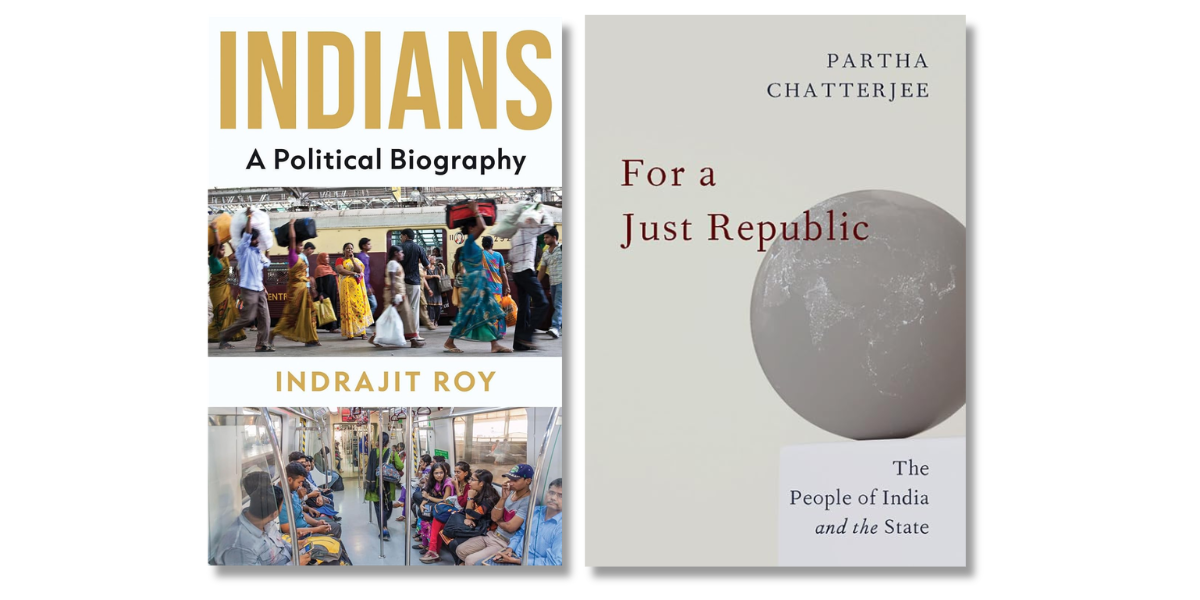
Two new books revisit the long and contested project of Indian democracy from different vantage points. In Indians: A Political Biography (Hurst Publishers, June 2026), Indrajit Roy examines how democratic life took shape in postcolonial India. Moving beyond familiar narratives of either democratic triumph or democratic decline, Roy unpacks how Indians have imagined themselves, their republic and their place in the world since independence in 1947.
Partha Chatterjee’s Just Republic: The People of India and the State (Permanent Black, June 2026) explores the uneasy relationship between the Indian nation-state and what he calls the “people-nation” – communities shaped through regional languages, histories and political identities. Ranging across constitutionalism, federalism, capitalism and changing caste-class-gender formations, Chatterjee offers a sweeping account of India’s political evolution over the past 75 years while making the case for a more genuinely federal and just republic.
Building a postcolonial Lahore
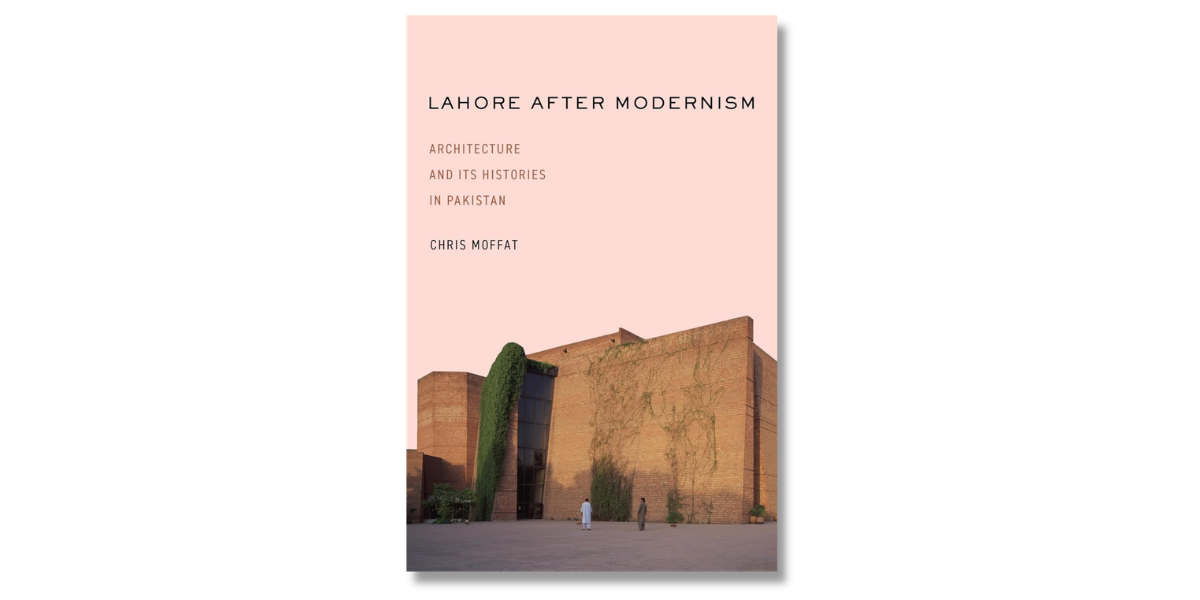
In the decades after independence, Pakistani architects were tasked with imagining a postcolonial future through modernist design and development. But in Lahore – a city marked by older histories and the violence of Partition – those visions were constantly unsettled by local realities. In Lahore After Modernism: Architecture and Its Histories in Pakistan (Stanford University Press, June 2026), Chris Moffat explores how a generation of architects rethought questions of nationalism, community and urban life through the changing cityscape of Lahore.
🎧 From the Himal podcast archives: A conversation with the historian Manan Ahmed Asif on his book, Disrupted City: Walking the Pathways of Memory and History in Lahore.
Unequal lives, unequal care
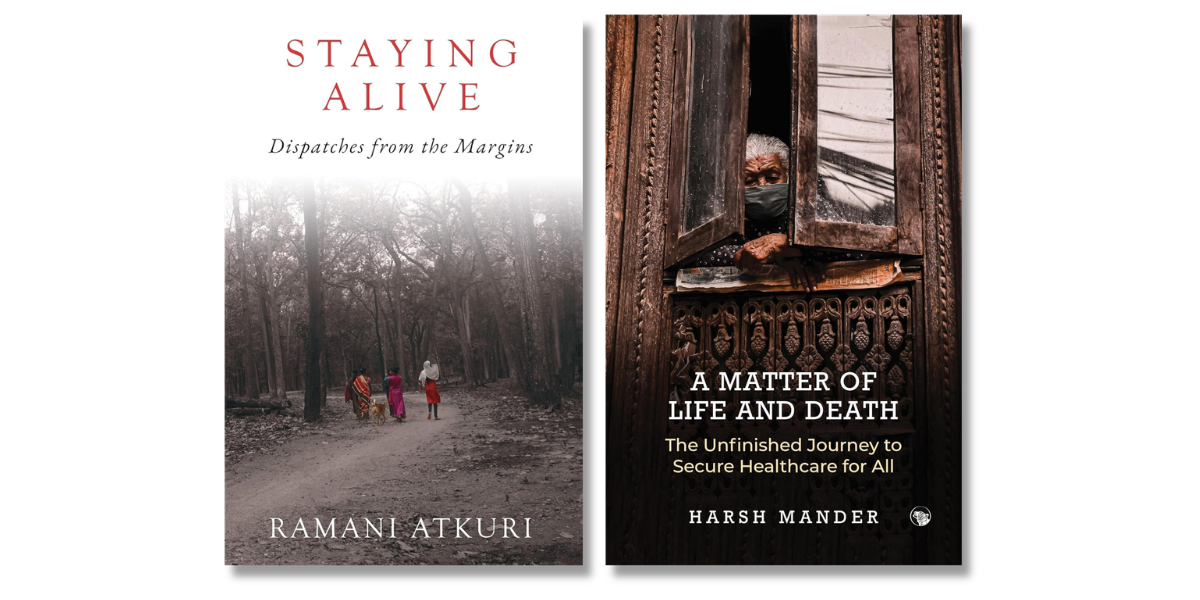
Staying Alive: Dispatches from the Margins (Pan Macmillan India, June 2026) by Ramani Atkuri traces how failures in public healthcare systems intersect with caste, class, gender and geography, following the lives of migrant workers, rural mothers, farmers and tribal communities left without access to basic care.
The peace activist Harsh Mander’s A Matter of Life and Death: The Unfinished Journey to Secure Healthcare for All (Speaking Tiger Books, June 2026) widens the lens to argue that preventable illness and death are the consequences not simply of inadequate healthcare, but of structural inequality, privatisation and anti-poor policymaking.
Together, these books look at the deep inequalities shaping access to healthcare in India, particularly for those pushed to the margins, making an urgent case for healthcare as a fundamental social and political right.
📖 From the Himal archives: Jessica Mayberry and Madhura Chakraborty report on maternal healthcare in rural India, arguing for a more holistic approach centred on the quality and dignity of care.
Development and state violence in Sri Lanka
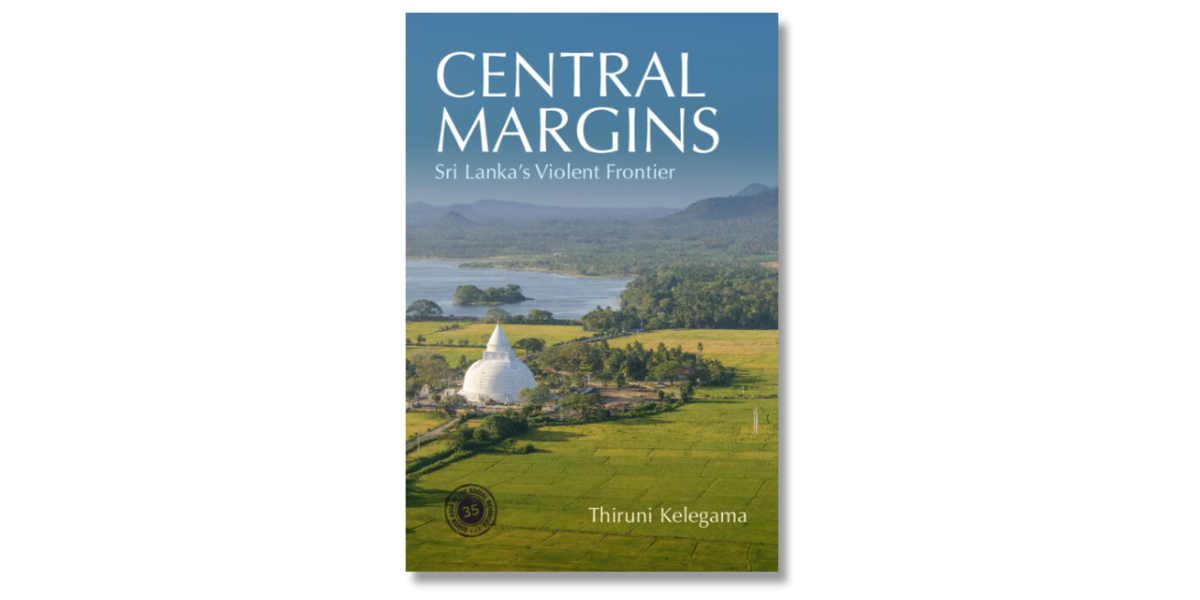
Why do large-scale development projects so often fail economically while succeeding politically? In Central Margins: Sri Lanka’s Violent Frontier (Cambridge University Press, June 2026), Thiruni Kelegama traces how projects such as the Mahaweli Development Scheme became tools of militarisation, demographic engineering and state consolidation in postcolonial Sri Lanka. The book argues that the language of development and environmental governance has often concealed forms of surveillance, displacement and Sinhala-Buddhist majoritarianism at the margins of the state.
📖 From the Himal archives: Tisaranee Gunasekara reflects on the expanding role of Sri Lanka’s military in civilian life after the end of the civil war, asking what it means when development projects and everyday governance increasingly fall under military control.
Art, modernism and Amrita Sher-Gil
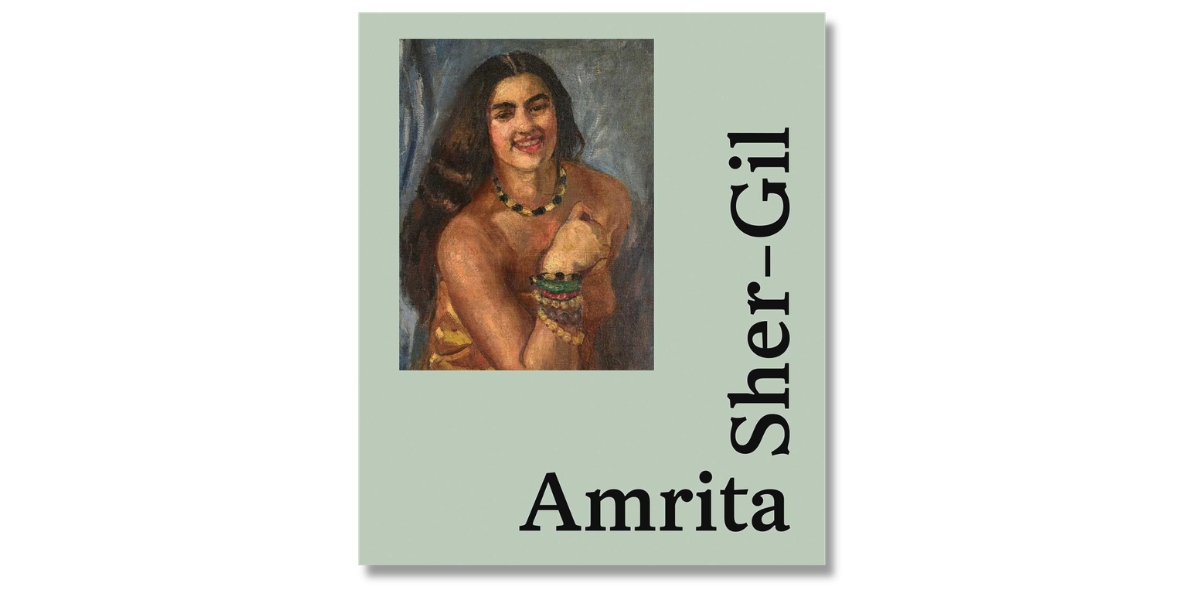
A new retrospective publication revisits the life and work of Amrita Sher-Gil, one of the defining figures of modern Indian art. Amrita Sher-Gil: Icon of Modern Art in India by Annemiek Rens (Waanders, June 2026), accompanying the first comprehensive Sher-Gil retrospective in the Netherlands, traces how the artist fused Western modernism with Indian artistic traditions to forge a distinctly modern visual language. Featuring essays alongside rarely seen works from Indian collections, the volume arrives amid renewed interest in Sher-Gil, with acclaimed filmmaker Mira Nair’s biopic on the artist slated for release in 2027.
A Southasian eco-thriller
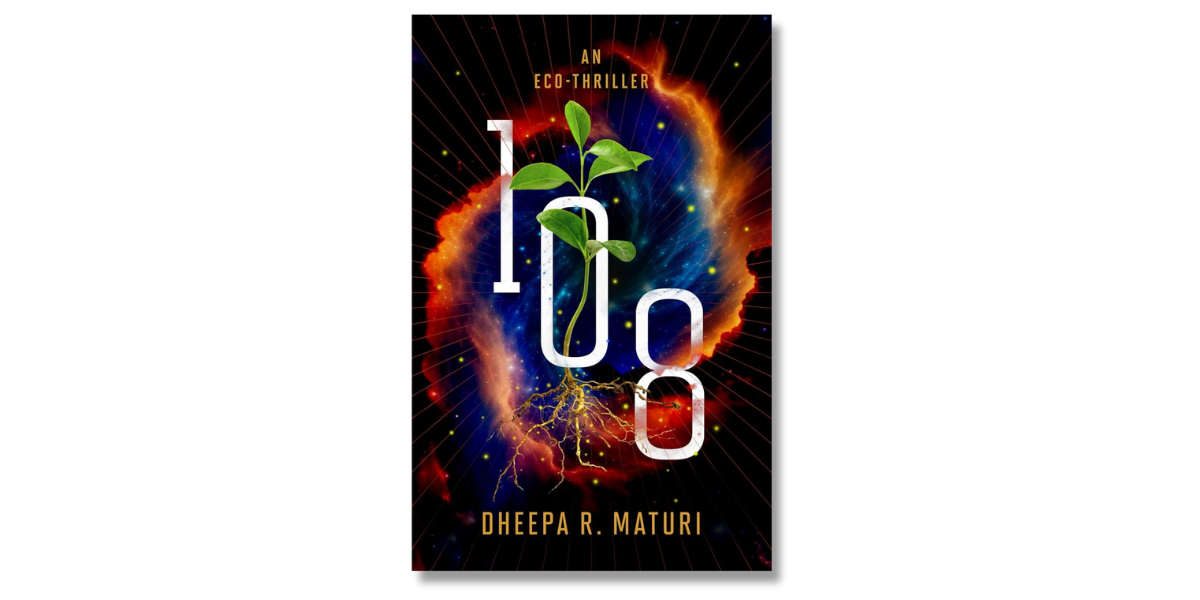
As climate anxiety increasingly shapes contemporary Southasian writing, Dheepa R Maturi’s 108: An Eco-Thriller (GFB, June 2026) brings ecological collapse into the terrain of the conspiracy thriller. The novel follows Bayla Jeevan, a San Francisco journalist whose mysterious visions draw her into a plot involving a powerful agrochemical corporation, a toxic substance spreading through Indian forests and secrets from her own family’s past.
📖 From the Himal archives: Evan Tims unpacks the growing tide of climate fiction by Southasians and how the region’s place in the genre.
Beyond cricket’s success stories
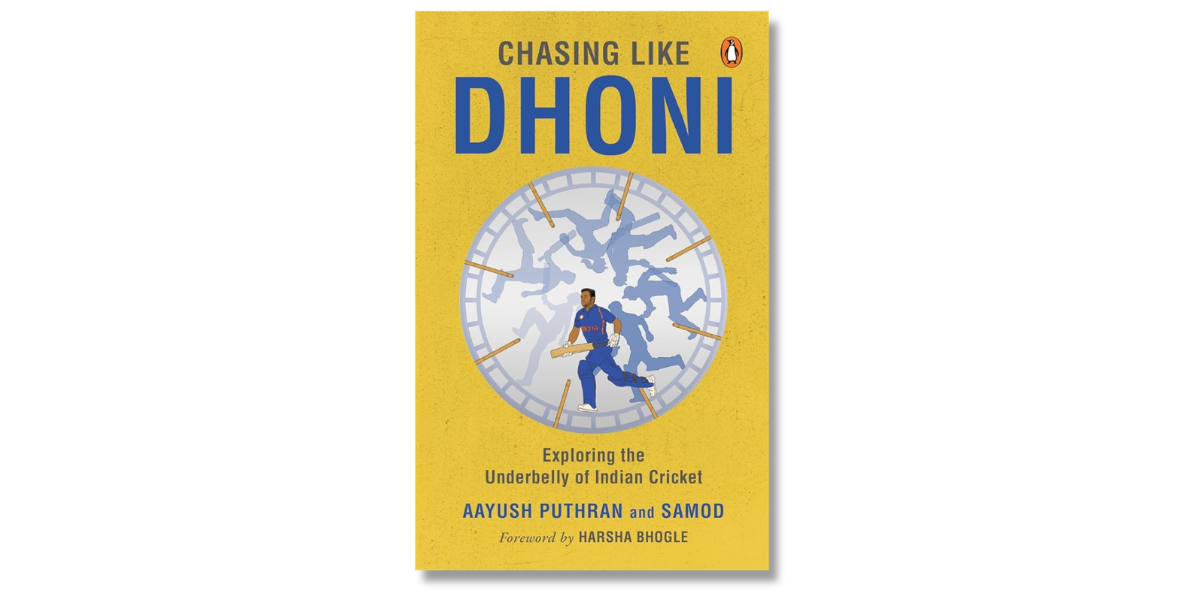
Indian cricket publishing is often dominated by celebrity biographies and stories of triumphant ascent. Chasing Like Dhoni: Exploring the Underbelly of Indian Cricket (Penguin India, June 2026) by Aayush Puthran and Samod turns instead to the larger world of aspiring and professional cricketers who never make it to stardom. Through their experiences, the book examines the labour, uncertainty and emotional costs behind India’s vast cricketing ecosystem, asking what remains when the dream of becoming the next Dhoni never quite materialises.
🎧 From the Himal podcast archives: The sports journalist Sharda Ugra discusses the lazy marketing of the ICC Women’s World Cup, pay disparities between men and women cricketers and changes to the game in recent years.
Who’s afraid of “love jihad”?
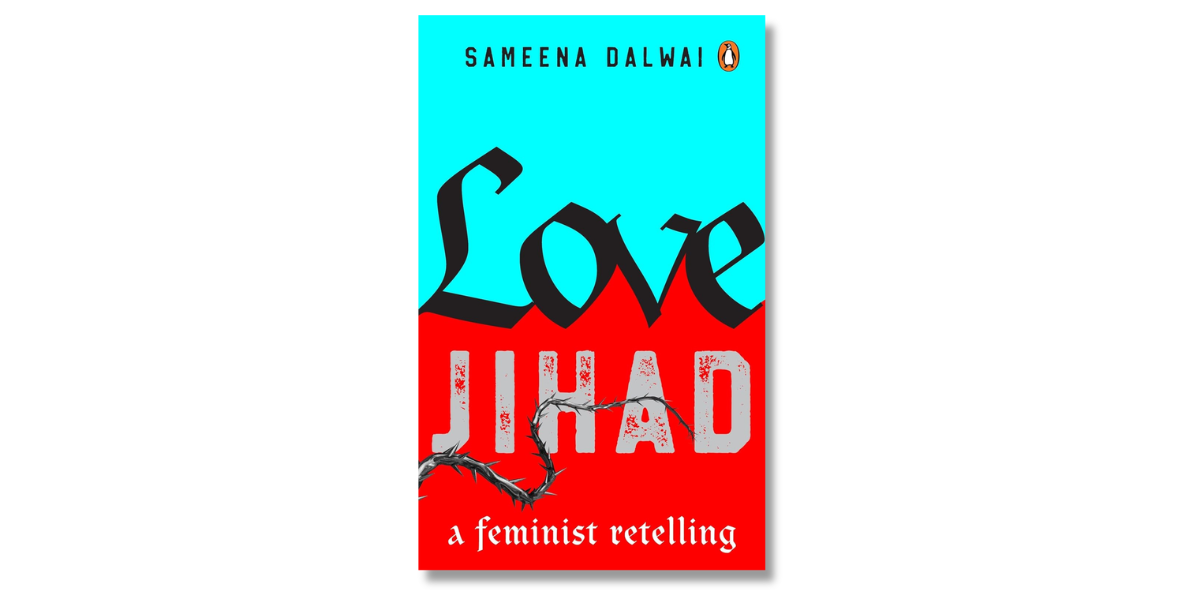
In recent years, the conspiracy theory of “love jihad” – the claim that Muslim men are seducing Hindu women into marriage as part of a demographic or religious plot – has increasingly shaped legislation, policing and vigilante violence in India. In Love Jihad: A Feminist Retelling (Penguin India, June 2026), Sameena Dalwai argues that the term functions less as a description of relationships than as a slogan for surveillance and social control. Blending personal stories, humour, poetry and legal histories, the book explores how these anxieties intersect with gender, caste and politics.
📖 From the Himal archives: Neha Dixit on how “Love Jihad” and honour killings are strategies to quell challenges to caste, class and gender conventions.
Until next time, happy reading!
Shwetha Srikanthan
Associate Editor, Himal Southasian
💌 Are there any new books, authors or events you would like to see featured? I’d love to hear from you. Write to me at shwethas@himalmag.com.
📚 Read past editions of the SaRB newsletter, listen to previous episodes and dive into Himal’s Books coverage.
🫰 If you’re enjoying what you’re reading, please consider recommending SaRB to others. Simply share the podcast or newsletter, or sign up here.