

Welcome to the Southasia Review of Books newsletter, Himal’s fortnightly guide to our latest review essays and podcast conversations, alongside a selection of new books, publishing news and literary happenings from across the region.
Himal’s new paywall keeps our independent journalism open in Southasia, while readers elsewhere can support us through paid access. If you’re outside the region, becoming a Himal Patron is one way to help us keep doing this work – and keep it free for Southasia.
For a limited time, newsletter readers can still become Himal Patrons at the previous $49/year rate. If you’ve been thinking about joining the community, now is a good time!
Fourteen years after the Nirbhaya case, women in India are once again taking to the streets to say that they are still not safe. The protests at universities across Delhi have followed a series of brutal rapes, including the alleged gang rape of a 17-year-old near Delhi University. And once again, the response has been to restrict women and scrutinise their choices rather than hold perpetrators accountable – stay out of parks at night, don’t travel alone, be careful about what you wear.
What makes these protests particularly striking is the refusal to accept that safety should come at the cost of freedom. As one poster put it: “Girls don’t need curfews, rapists need consequences.” It’s a sentiment that seems to be resonating well beyond India too, with young women continuing to challenge universities and other institutions over how they respond to sexual violence – including in the case of the Cornell Seven in the United States.
Nirvana Bhandary, the Nepali writer and filmmaker I spoke to on the Southasia Review of Books podcast in December 2025, writes about why these patterns are so difficult to dismantle in her collection of essays, Unsanskari: A Feminist Life.
She discusses the wider culture of silence and impunity surrounding rape and sexual harassment, and how survivors are often made to carry the burden of what happened to them. She also reflects on the difficulty of speaking up when they are met with disbelief, judgement or victim-blaming, and on the failure of educational institutions to protect girls from harassment and abuse. But Unsanskari is ultimately a book about resistance. Nirvana argues that speaking about these experiences, however uncomfortable, is itself part of challenging rape culture and the power structures that sustain it. That feels particularly resonant at a moment when so many women are making it clear that they are no longer willing to stay silent.
Do share your thoughts on these conversations – you can write to me at shwethas@himalmag.com. And if you’d like to hear Nirvana talk more about feminism, sexuality, consent and what it means to refuse the “sanskari” script, you can listen to our SaRB podcast conversation here.
Until next time, happy reading!
|
Shwetha Srikanthan Associate Editor Himal Southasian |
|
📚 From Himal’s pages this fortnight
Our latest reviews, literary essays and conversations
 Maximillian Morch
📚 Celebrating Southasian Literature
A roundup of awards and recognition for Southasian writers
There’s plenty to celebrate this fortnight, with the Godrej Literature Live by the Mumbai Litfest announcing the longlists for its 2026 Literary Awards. The Fiction and Non-Fiction longlists feature several books we’ve covered in Himal’s pages, including Rahul Bhattacharya’s Railsong, Amrita Mahale’s Real Life, Snigdha Poonam’s Scamlands, Ipsita Chakravarty’s Dapaan: Tales from Kashmir’s Conflict and Sowmiya Ashok’s The Dig: Keeladi and the Politics of India’s Past, alongside books by Karan Mahajan, Jeet Thayil and others. The winners will be announced in Mumbai on 25 October.
Meanwhile, Geetanjali Shree’s Our City That Year, translated from the Hindi by Daisy Rockwell, has been longlisted for the 2026 Warwick Prize for Women in Translation. Originally published in 1998 as Hamara Shahar Us Baras, the novel is one of 13 books on this year’s list, which spans 12 languages and includes fiction, poetry, short stories and narrative non-fiction. The shortlist will be announced on 26 October, with the winner to be announced in London on 16 November.
Shree and Rockwell previously won the prize in 2022 for Tomb of Sand. If you haven’t already, you can also listen to my SaRB conversation with them about Our City That Year and the questions of memory and communal violence at the heart of the novel.
📚 This month in Southasian publishing
New and noteworthy books from across the region
Kashmir’s unknown graves
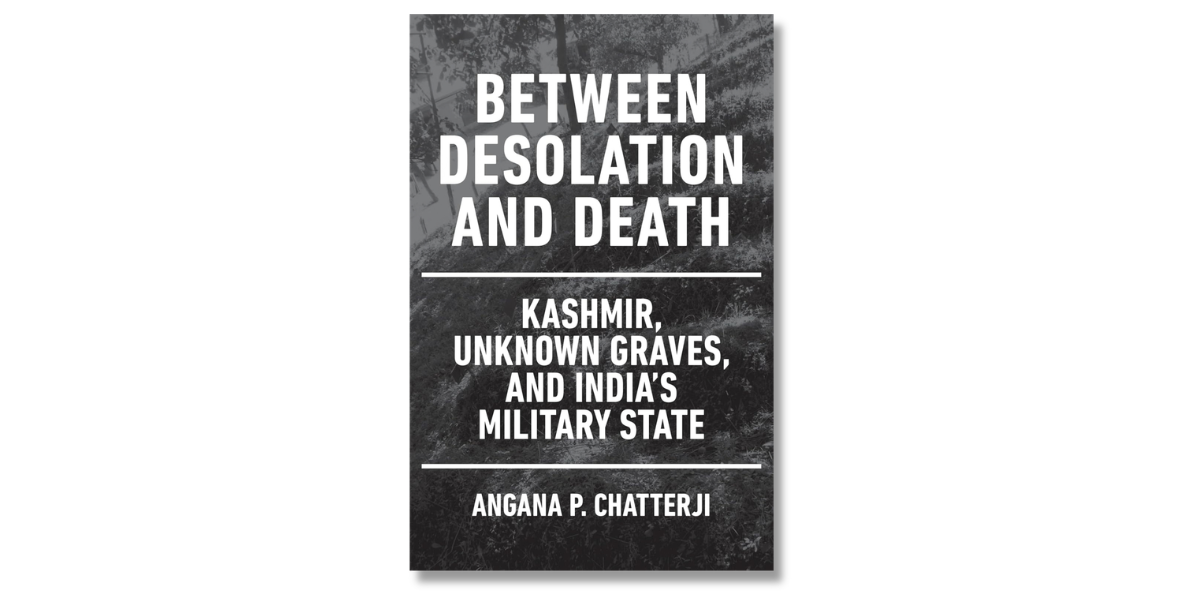
Between Desolation and Death: Kashmir, Unknown Graves, and India’s Military State by Angana P Chatterji (Verso, October 2026) grows out of investigations she carried out with Kashmiri human-rights lawyer Parvez Imroz and human-rights activist Khurram Parvez into unknown and unmarked graves across India-administered Kashmir. Their work, conducted in the late 2000s and early 2010s, documented thousands of graves and raised questions about their links to enforced disappearances and extrajudicial killings. Drawing on this work, Chatterji traces the landscape of violence and disappearance in Kashmir since 1989, as well as the continuing struggle of families and communities to establish what happened to those who vanished. The book also considers how these histories intersect with the political changes in Kashmir after 2019.
From the Himal archives: In 2006, Peerzada Arshad Hamid visited Srinagar’s Eidgah martyr’s graveyard, where hundreds killed in Kashmir’s conflict had been buried, and traced the emergence of similar graveyards across the Valley.
Can technology bridge India’s language divides?
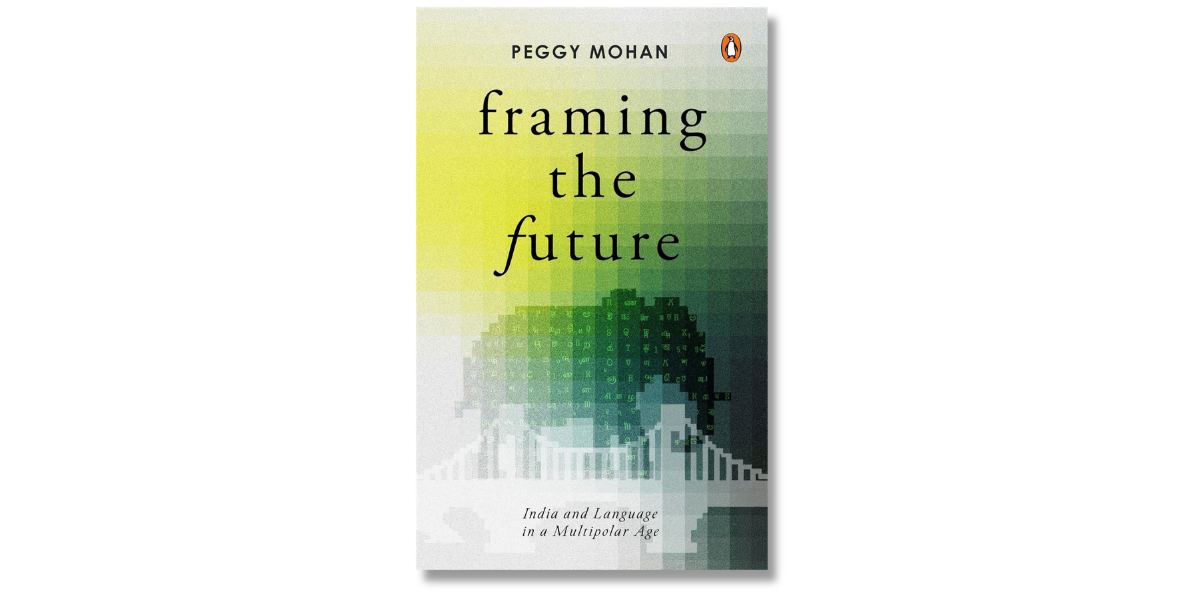
Peggy Mohan’s Framing the Future: India and Language in a Multipolar Age (Penguin India, October 2026) looks at the role language has played in shaping India’s ideas of identity, community and belonging – and asks what it might mean for the country’s multilingual future. Drawing on history and linguistics, Mohan considers how new technologies could help people communicate across linguistic boundaries without flattening India’s diversity. Rather than treating its many languages as a source of division, she makes the case for seeing multilingualism as a way of building a more connected India.
The youngest migrants of Empire
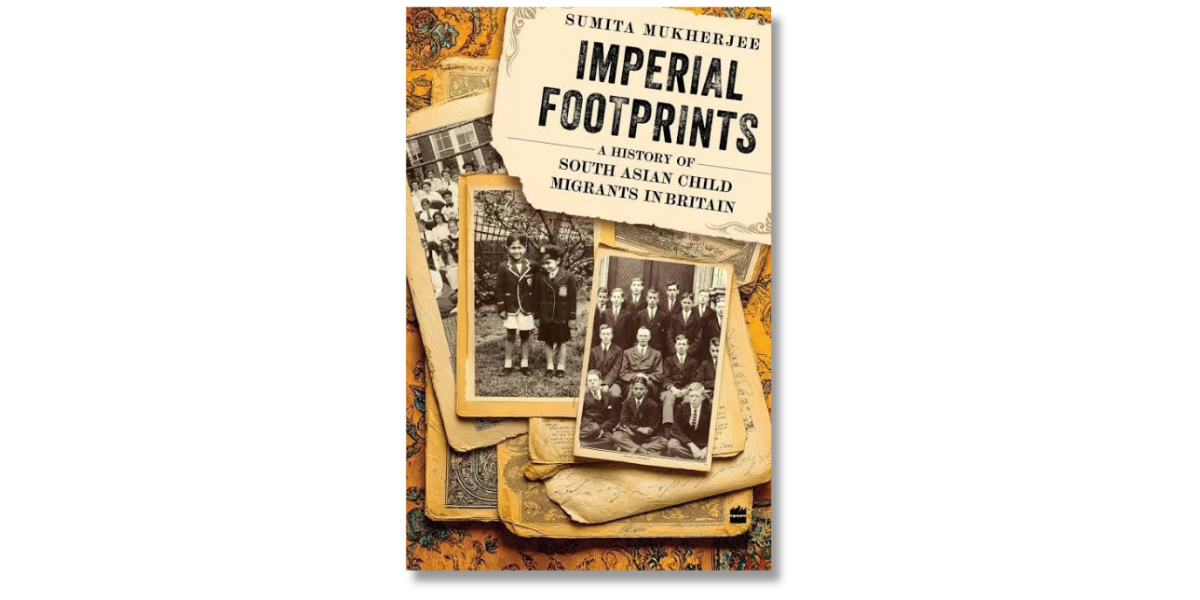
Between the Victorian era and Partition, children were among the many people who travelled from British India to Britain – as boarding-school pupils, servants, sailors and refugees. Yet their experiences have largely been missing from histories of migration and Empire. Drawing on archival records and firsthand accounts, Imperial Footprints: A History of South Asian Child Migrants in Britain by Sumita Mukherjee (HarperCollins India, October 2026) traces these young migrants’ lives and shows how they helped shape Indian diasporic identities as well as ideas of Britishness. In centring children often marginalised by their age, race and political status, the book offers a new perspective on the making of the Southasian diaspora in Britain.
From the Himal archives: Sohel Sarkar reviews Arunima Datta’s Waiting on Empire, which recovers the largely forgotten histories of Southasian ayahs who travelled and worked across the British Empire.
Poetry, memory and the afterlives of war
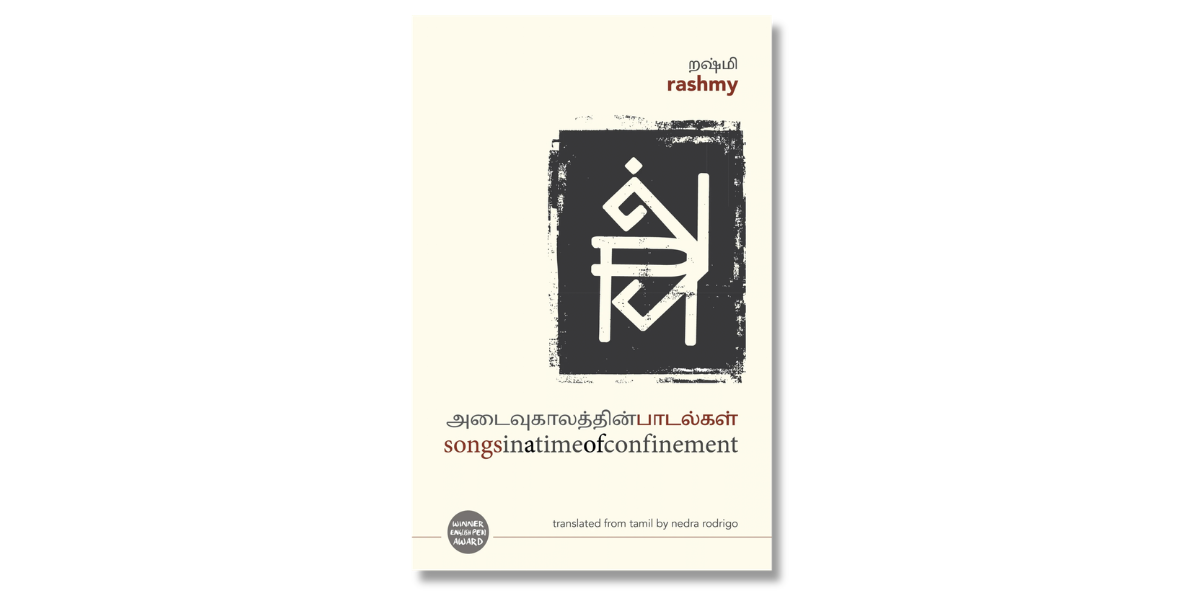
The Covid-19 pandemic becomes a portal to memories of war and exile in Songs in a Time of Confinement (Trace Press, October 2026), a bilingual collection by Sri Lankan Tamil poet Rashmy, translated from the Tamil by Nedra Rodrigo. Written in the distinctive Tamil of Sri Lanka’s Eastern Province and shaped by its folklore, landscape and history, the 101 poems move between love, desire, faith, loss and isolation. For a poet displaced by war, confinement becomes an opportunity to reckon with a homeland marked by violence – and with the work of memory as a way of resisting erasure. This edition also includes Rashmy’s original artwork, offering a valuable addition to the literature and archives of Tamil Ilankai war poetry and exile.
From the Himal archives: Read Frances Harrison on how the women who fought in Sri Lanka’s civil war have used poetry to remember, protest, mourn and heal, alongside Kavitha Muralidharan’s review of Ahilan’s Then There Were No Witnesses, translated by Geetha Sukumaran.
The worlds of Rabindranath Tagore
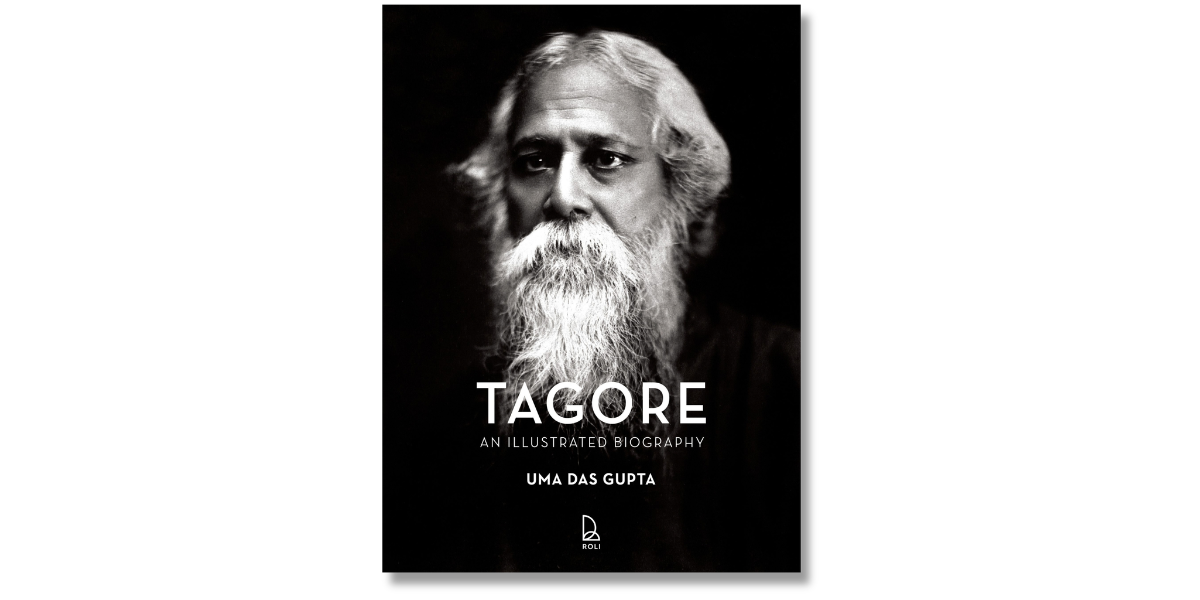
Tagore: An Illustrated Biography (Roli Books, October 2026) offers a visual record of the Bengali polymath Rabindranath Tagore and the many worlds he inhabited through rare photographs, artworks, letters and archival material. Uma Das Gupta situates Tagore within the influential world of his family while exploring the ideas that shaped his engagement with nationalism, identity, history and spirituality. His travels and lectures across Europe, the United States and Asia also reveal a thinker in constant conversation with a changing world.
From the Himal archives: Ria Modak revisits Tagore’s beloved Bengali primer Sahaj Path, examining how its aesthetics and approach to children’s education intersect with questions of class, caste and gender.
Who really won the Nepal–China war?
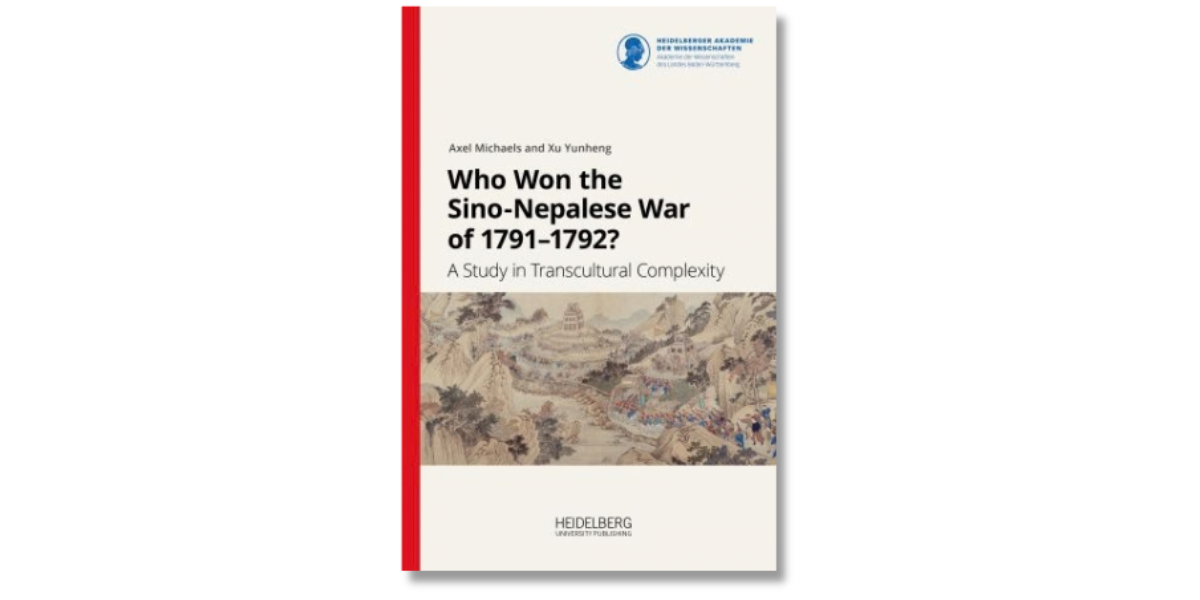
Who Won the Sino-Nepalese War of 1791–1792? A Study in Transcultural Complexity (Heidelberg University Publishing / Vajra Books, October 2026) revisits the last war between Nepal and Qing-dynasty China, fought over Nepal’s invasion of Tibet and its control of territory and trade routes. Drawing on newly discovered and translated sources from Nepal, China and Tibet, Axel Michaels and Xu Yunheng examine the conflict and its aftermath, arguing that both sides were able to claim victory because they understood key terms and the outcome of the war differently. The book brings together these diverse sources to offer a new perspective on the conflict and the negotiations that ended it.
A new generation takes to the streets
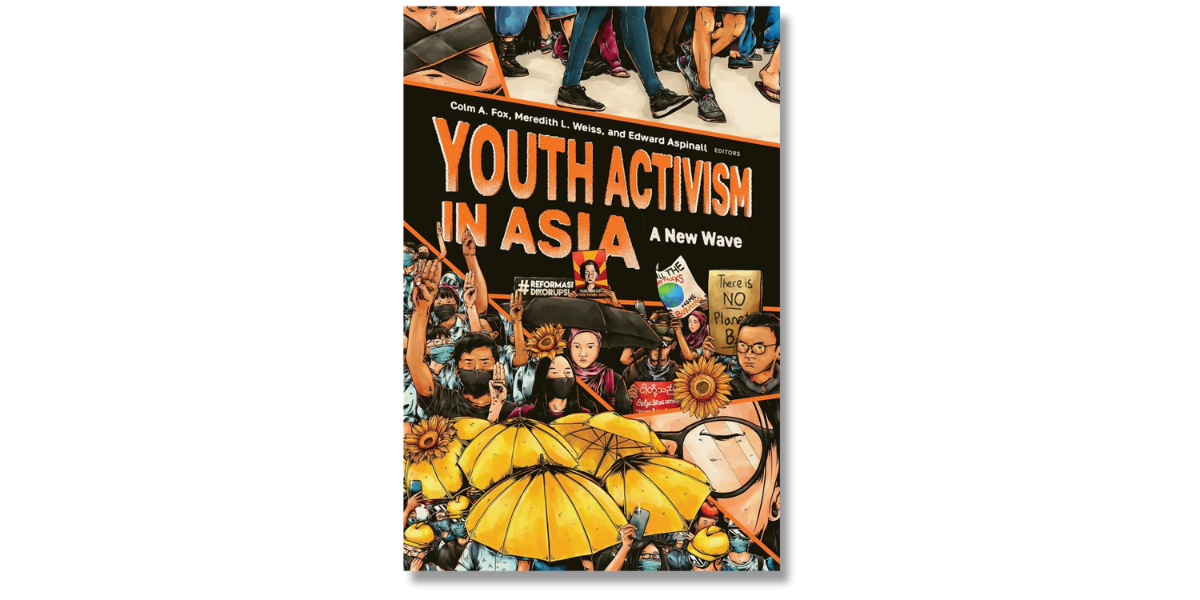
Across Asia, young people have spent the past decade challenging authoritarian rule, demanding political freedom and pushing questions of gender equality and social justice into public debate. Youth Activism in Asia: A New Wave, edited by Colm Anthony Fox, Edward Aspinall and Meredith L Weiss (The University of Michigan Press, October 2026), looks beyond headline-making protests to the quieter forms of organising that sustain movements, from online networks and cultural expression to new forms of coalition-building. Among its case studies is Myanmar, where young people have played a prominent role in resistance to military rule, alongside movements in Indonesia, Hong Kong, Malaysia, the Philippines, Thailand and Timor-Leste. Together, the essays explore what is distinctive about the new generation of activists and how they are organising in the face of authoritarianism and democratic backsliding.
From the SaRB podcast archives: Ma Thida, one of Myanmar’s foremost activists and intellectuals, reflects on the country’s political trajectory leading up to and beyond the 2021 military coup – and the people’s enduring fight for democracy.
The questions Gandhi left behind
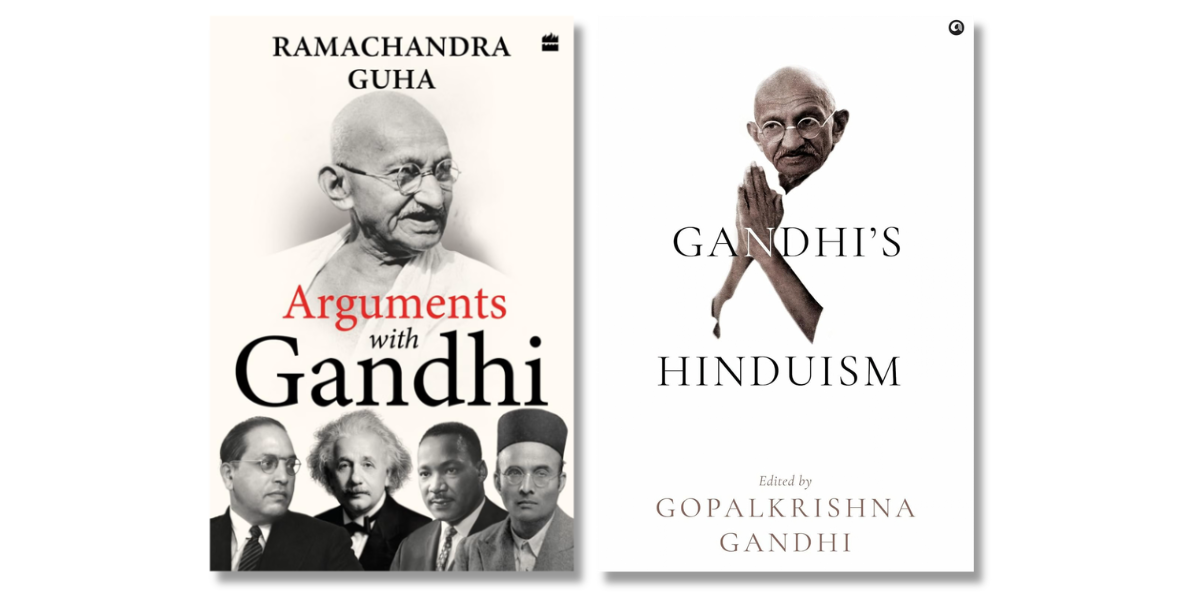
In Arguments with Gandhi (Fourth Estate India, October 2026) the historian Ramachandra Guha places Mohandas K Gandhi in conversation with figures who challenged, supported or engaged with his ideas, including B R Ambedkar, Albert Einstein, Martin Luther King Jr, Nelson Mandela, Kamaladevi Chattopadhyay and V D Savarkar. Through these encounters, Guha explores questions that extend well beyond Gandhi’s own time: including how to resist political tyranny and confront discrimination based on caste, gender and race. The book offers a wide-ranging examination of Gandhi’s legacy and the arguments that continue to surround it.
Also out this month, and exploring the religious convictions that shaped Gandhi’s public life, Gandhi’s Hinduism by Gopalkrishna Gandhi (Aleph Book Company, October 2026) looks at his ideas on untouchability, conscience and dharma, alongside his engagement with Christianity, Islam, Jainism and Buddhism. Drawing on Gandhi’s own words, the book presents his Hinduism as self-critical and grounded in a belief that genuine faith should deepen our capacity to recognise and share the suffering of others.
Together, the books offer different ways of thinking about Gandhi’s legacy – and the questions his ideas continue to raise.
From the Himal archives: An excerpt from the memoir of the Gujarati Dalit writer Chandu Maheria, translated by Hemang Ashwinkumar, reflecting on growing up in Ahmedabad’s working-class chawls and the place of Gandhi in Dalit life and political thought.
The god who transforms Patan
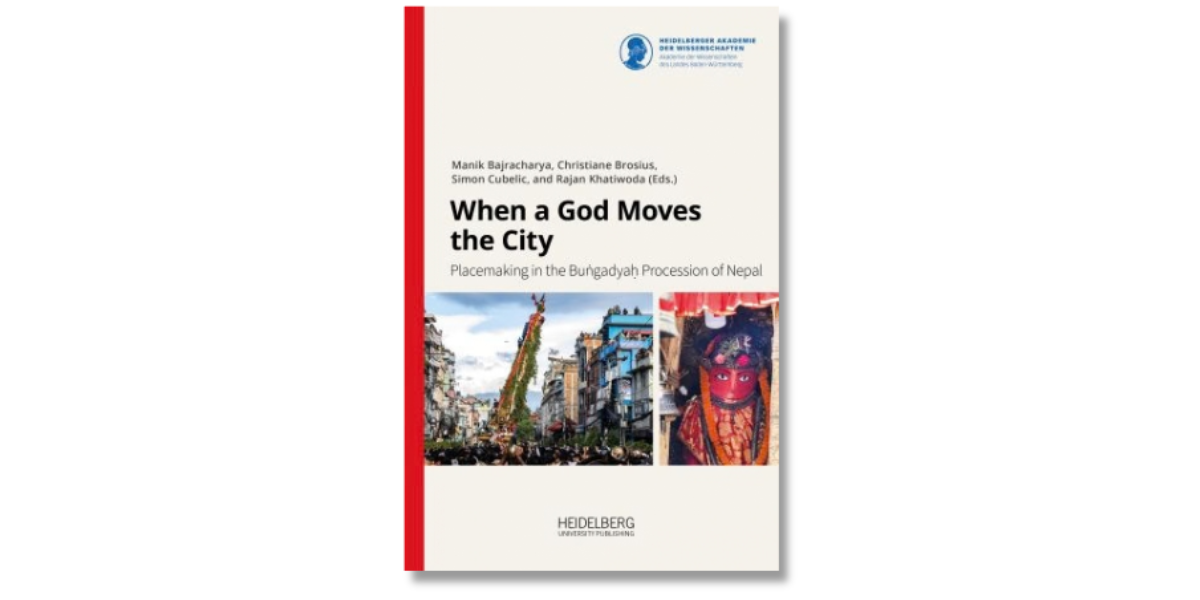
Every spring, the deity Buṅgadyaḥ travels through Patan in the Kathmandu Valley on a towering wooden chariot, turning streets and crossroads into sacred spaces. When a God Moves the City: Placemaking in the Buṅgadyaḥ Procession of Nepal, edited by Manik Bajracharya, Christiane Brosius, Simon Cubelic and Rajan Khatiwoda (Heidelberg University Publishing / Vajra Books, October 2026), brings together eight scholars to explore the festival’s history and contemporary significance. Drawing on inscriptions, archival records, ethnography and material culture, the essays examine royal patronage, caste politics and the procession’s revival after the 2015 earthquake, showing how ritual and urban space shape ideas of identity and belonging.
From the Himal Archives: Erin L Thompson investigates how the US scholar Mary Slusser built her reputation as an expert on Nepal’s cultural heritage while illicitly acquiring sacred artefacts and smuggling them out of the country.
Inside the fall of the Afghan Republic
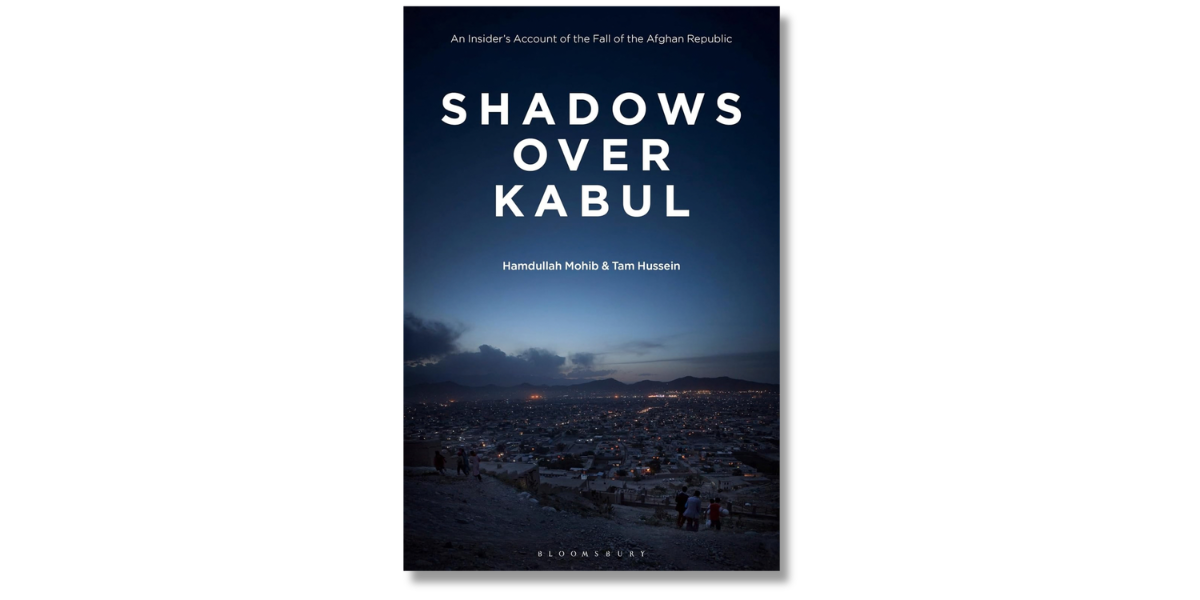
Shadows Over Kabul: An Insider’s Account of the Fall of the Afghan Republic (Bloomsbury Publishing, October 2026) offers an account of the collapse of Afghanistan’s republic in 2021 from Hamdullah Mohib, who served as national security adviser to the president Ashraf Ghani and left Kabul during the Taliban’s takeover. Written with the journalist Tam Hussein, the book draws on interviews conducted between 2021 and 2024, as well as Mohib’s own account of his journey from child refugee to Afghan ambassador to Washington and national security adviser. It revisits Afghanistan’s history since the Soviet invasion and presents Mohib’s perspective on the political decisions and failures that preceded the republic’s collapse.
From the Himal archives: Taran N Khan explores how, in The Finest Hotel in Kabul, the BBC correspondent Lyse Doucet traces Afghanistan’s decades of war and political upheaval through the lives and memories of the people who kept Kabul’s Intercontinental running.
A new history of Bangladesh
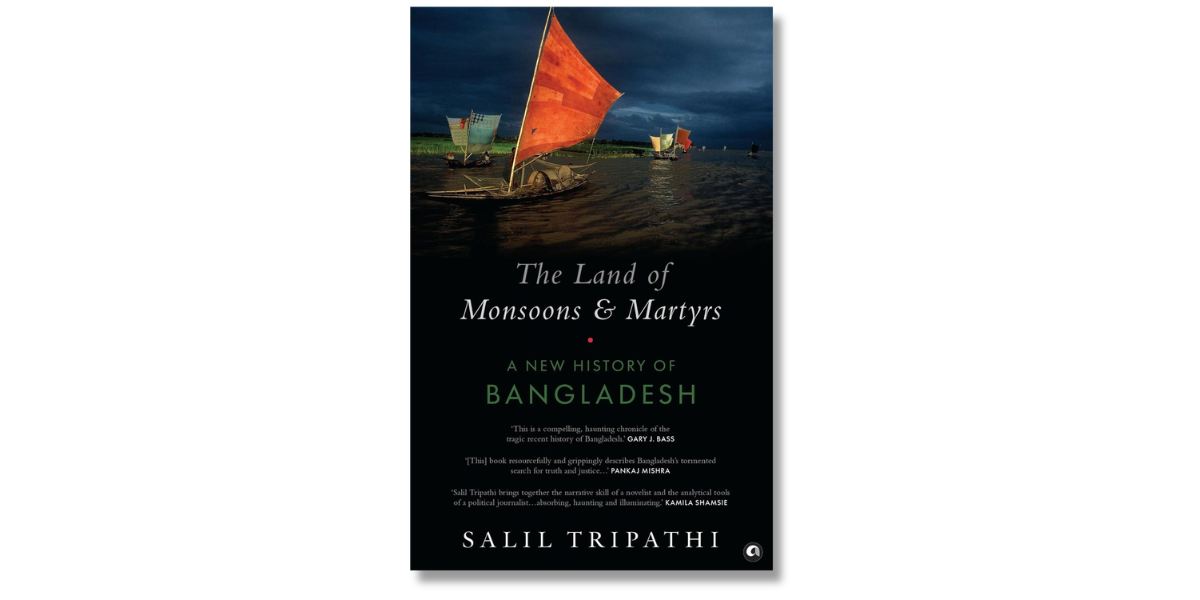
Salil Tripathi’s The Land of Monsoons and Martyrs: A New History of Bangladesh (Aleph Book Company, October 2026) traces the country’s turbulent political history from the 1971 Liberation War to the fall of Sheikh Hasina in 2024. The revised and updated edition of the book, originally published as The Colonel Who Would Not Repent, draws on interviews with hundreds of Bangladeshis to examine the violence of the independence struggle, the assassination of Sheikh Mujibur Rahman, years of military rule and the political upheavals that followed. Tripathi also brings the story up to date with the 2024 uprising, offering a portrait of a country still reckoning with the legacies of its violent past.
From the Himal archives: For another perspective on Bangladesh’s history, read Sarah Anjum Bari’s account of Noorjahan Bose’s pioneering life – a feminist history spanning Partition, the Bangla Language Movement, the Liberation War and the country’s post-independence years.