This is Southasia Weekly, your regular update on the latest from Himal and across the region. If you only read one email from us all week, this should be it.
Himal covers Southasia with imagination, rigour and complete independence, which is why we can tell stories that no one else can or will. But here’s the reality: we can only do this with your support. Become a Patron to support Himal's mission and get great perks in return.
It was a rainy day in March 2013 when, as a young reporter, I walked into the women’s wing of Welikada prison. I still remember the sight that greeted us as we passed the visitor’s entrance; the crowds of people on either side of the glass, the cacophony of everyone speaking (shouting) at once. Many of the women I met that day were addicted to brown sugar (adulterated heroin). Many were there because they had nowhere else to go.
These memories filled my mind as I read about a massive riot inside the Negombo prison north of Colombo this week, which left more than two dozen dead – both inmates and guards. The news has revived much-delayed discussions about prison reform in Sri Lanka. I got on the phone with Sri Lanka's former Human Rights Commissioner, Ambika Satkunanathan, who led the first national study on the country’s prisons in 2018.
“The main strategy should be to reduce the imprisonment of people, not build new prisons,” Ambika told me. “To achieve this, in the long term, the reasons persons come into contact with the criminal justice system need to be addressed, such as poverty and the normalisation of the use of violence. Why are we not inquiring into why a person cannot pay a fine of a few thousand rupees? If their socio-economic status is not addressed, then how would placing them under house-arrest solve the issue?” This reminded me of the women I met in March 2013, many of whom were unable even to pay the nominal fine for their release. More than a decade later, it’s clear not much has changed.
Scroll on to read more about the riot in this week’s News Dive.
|
Raisa Wickrematunge Senior Editor Himal Southasian |

|
Here's what Himal published this week:
POLITICS
How women replaced tribal chiefs to lead the new Baloch nationalism
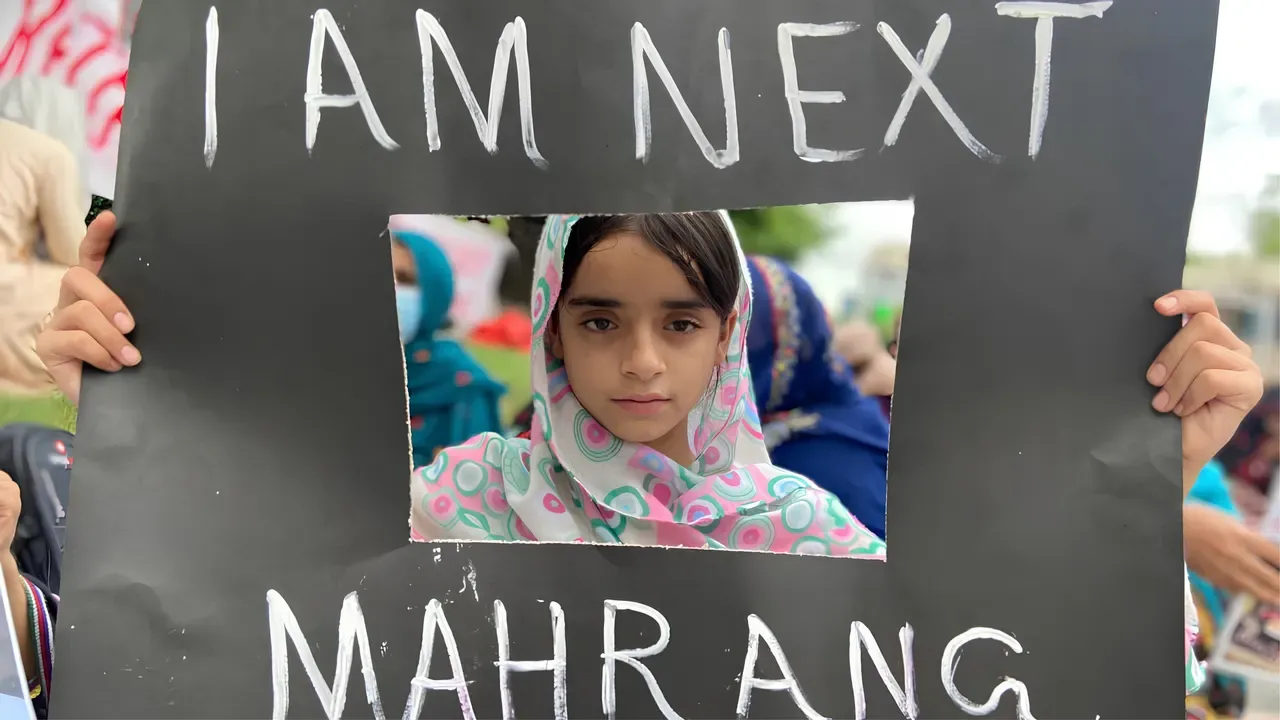
Salman Rafi Sheikh writes about Baloch nationalism’s shift from tribal sardar-led, negotiation-driven politics to a human rights movement, opening space for women like the BYC’s Mahrang Baloch to expose state violence and the exploitation of Balochistan’s resources.
DIALECTICAL
Swearing as a linguistic mirror of Southasia

In the latest edition of our linguistics column Dialectical, Abhishek Avtans writes that Southasian swear words act as a linguistic mirror, reflecting deep historical taboos, cultural prejudices, and unexpected social camaraderie
Here's what happened in Southasia this week:
NEWS DIVE
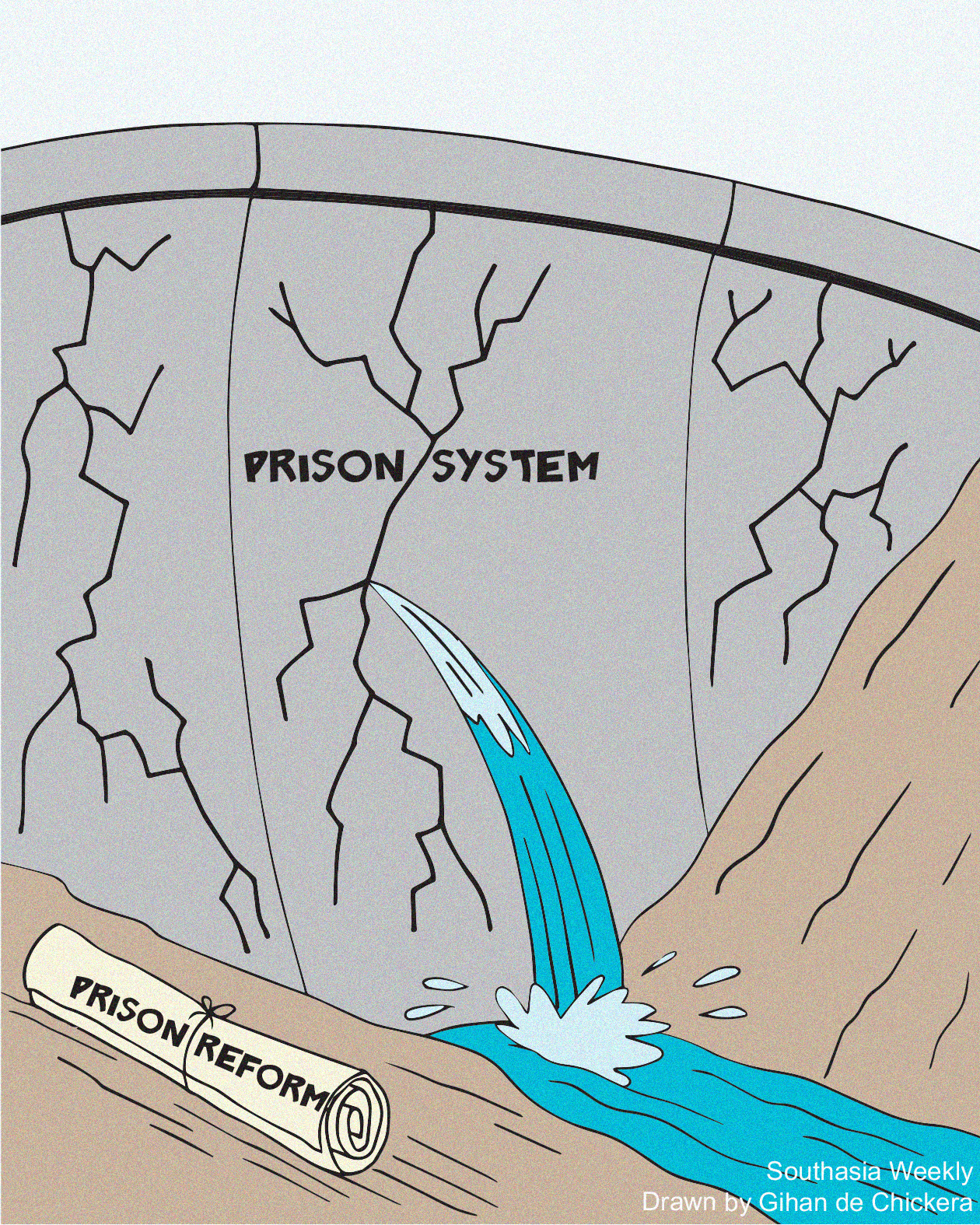
Deadly prison riot in Sri Lanka revives talk of reform
On 5 and 6 July, riots inside Sri Lanka’s Negombo prison, an hour away from Colombo, left 26 dead and hundreds injured. Both inmates and prison guards lost their lives after a clash between two rival groups within the prison over drug-smuggling, according to prison officials. Initial reports claim prisoners seized the prison guard’s guns, resulting in gunshot injuries. Men and women in adjoining sections of the prison climbed to the rooftop to stage protests, with part of the rooftop collapsing. Around 734 prisoners were transferred to other facilities, and Sri Lanka’s Committee for Protecting Rights of Prisoners flagged that the transferred prisoners were being subjected to severe beatings and mistreatment by prison officers.
The riot, one of the worst in years, has revived discussion about the need for reform. Former Human Rights Commissioner Ambika Satkunanathan told Himal that Sri Lanka’s prison population is 41,257 people, while the system can only house 11,000. More than 60 percent of the prison population have been imprisoned for their inability to pay fines or to hire legal counsel, or have been denied bail, while many of the incarcerated are drug users who should be provided treatment. Sri Lanka’s government has pledged to allow home-arrest and electronic tagging, and to re-open the Old Bogambara prison, earlier slated to become a hotel. Satkunanathan says that short to medium term solutions could instead include community service, decriminalising personal drug use and instead providing rehabilitation to drug-dependent persons, and moving away from bail as the exception rather than the norm. Beyond Sri Lanka, this story is also a sobering reminder of the inequalities, violence and repression baked into the prison system across Southasia.
ELSEWHERE IN SOUTHASIA
- Bangladesh prime minister Tarique Rahman visits China, signs 17 agreements on defence, development, including for Special Economic Zone in Chattogram, revisits discussion on Bangladesh-Myanmar-China economic corridor
- Myanmar set to restart USD 3.6 billion dam project funded by China at Myitsone in northern Kachin despite protests about flooding, loss of biodiversity
- Pakistan seeks urgent Liquefied Natural Gas tender to offset possible shortages due to partial closure of Strait of Hormuz after attacks on ships and US attacks on Iran
- India’s prime minister Narendra Modi winds up three day state visit to Indonesia, signs deals for provision of supersonic missiles to Indonesian armed forces, minerals and agriculture en route to tour in Australia, New Zealand
- Pakistan’s military says 42 people including 18 police officers and four civilians have lost their lives in Balochistan in clashes between military and separatist groups since 6 July
- Maldives records 55 new cases of measles in one week, 121 in a month, highest since elimination of measles in the country nine years ago
- Nepal’s government receives backlash after suspending food distribution at holding centres for displaced landless families across Kathmandu, Bhaktapur and Kavrepalancho for nearly two days
- Nearly four in 10 elderly Bhutanese citizens experience economic insecurity according to new data from Bhutan’s National Statistics Bureau, face disadvantages in housing, healthcare and social support
- 52-year-old pro-Tibet activist self-immolates outside UN Compound in New York over China’s new law promoting ethnic unity which extends legal reach overseas
- US indicts Indian crime leader in connection with pro-Khalistan Sikh activist’s 2023 killing
This newsletter is free, but the word behind it is not. Himal’s team relies on the support of readers just like you in order to bring you our deep dive into Sri Lanka’s prison system, stories from Balochistan to Tibet and more. Become a paid supporter to help us sort through the noise and provide you with the information you really need to understand what’s going on.
FROM THE ARCHIVE
Revisit stories from Himal’s archive that add more context to this week’s news updates from India, Sri Lanka and Bangladesh.
 Ambika Satkunanathan
 The Editors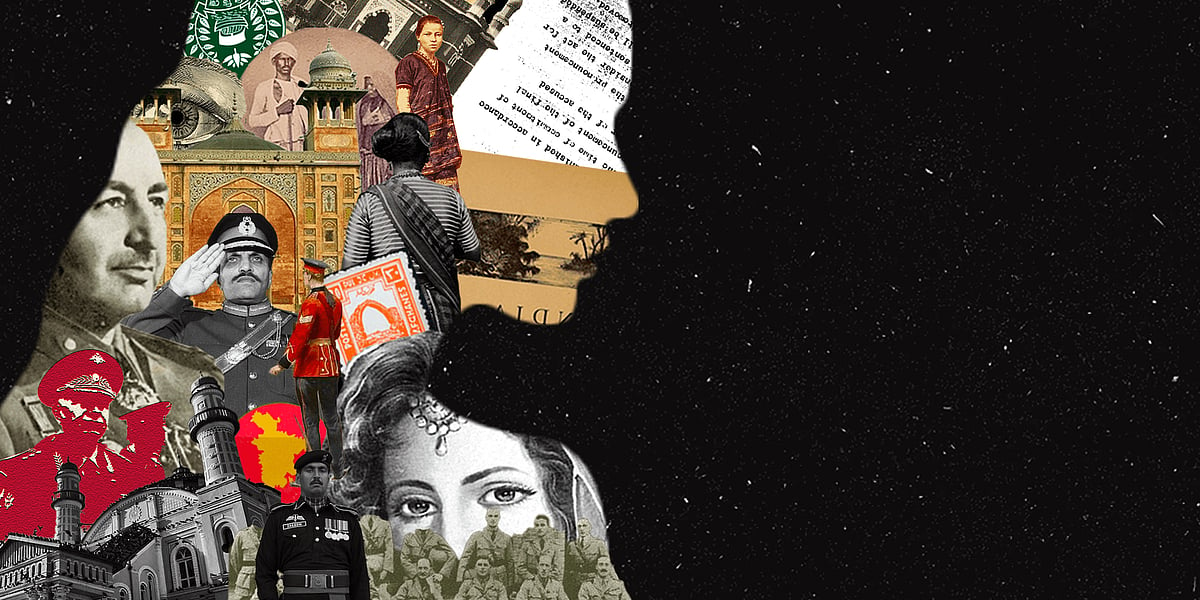
 Shakoor Ahmad Wani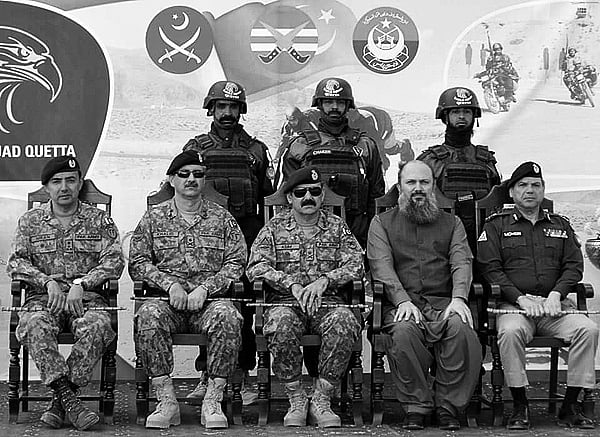
 Ross Adkin
SNAP SOUTHASIA