It’s been quite a whirlwind week in Southasia. India has been making diplomatic overtures to both the United Arab Emirates and Europe, signing key agreements even as Modi dodged pointed questions from Norway’s press. Thirteen media outlets in the Maldives blacked out their front pages to highlight growing media repression from president Mohamed Muizzu after the release of a documentary accusing him of sexual misconduct. This week, over 5000 Afghans were forcibly returned to the country in a single day. And Sri Lanka watched as Tamils commemorated Mullivaikkal Remembrance Day while the government held Victory Day celebrations, underscoring the fissures that remain even decades after the civil war.
War, geopolitical shifts, media censorship and more. It can be dizzying to try to make sense of it all, but that’s what we at Himal try to do, week after week. We hope that we’ve been able to cut through the chaos to bring you the latest from across the region - and if you value our coverage, please consider signing up to our Patrons programme to support our work.
To contribute more and for more information, visit himalmag.com/support-himal.
This week in Himal
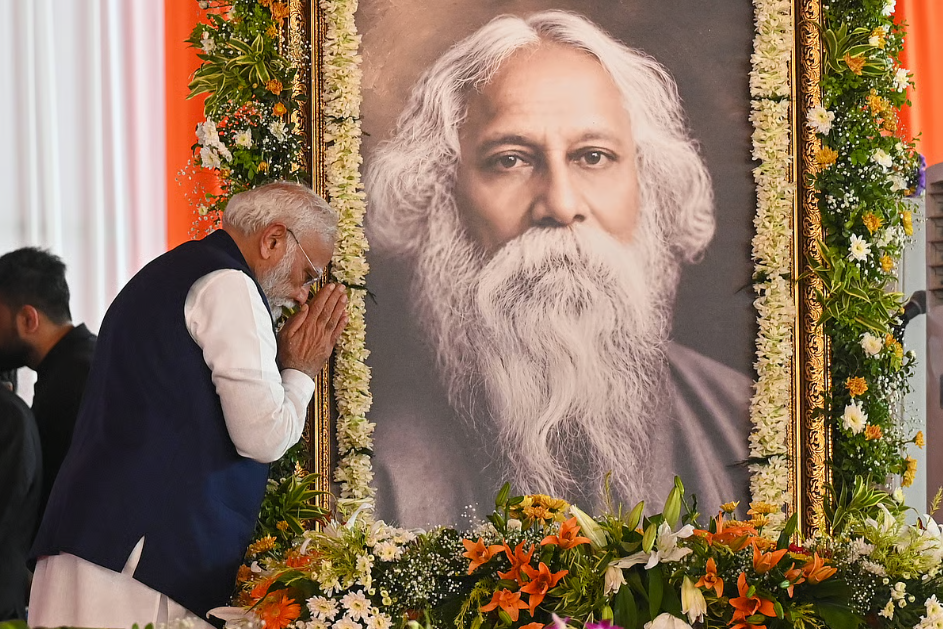
Ankush Pal writes that the Bharatiya Janata Party’s victory at the West Bengal elections is about more than the Special Intensive Revision process and voter deletions, but rather exposes the deep Bengali roots of Hindu nationalism and shatters the myth of secular bhadralok liberalism.
 Arshia Sattar
 The Editors
This week in Southasia
Modi goes on a diplomatic offensive
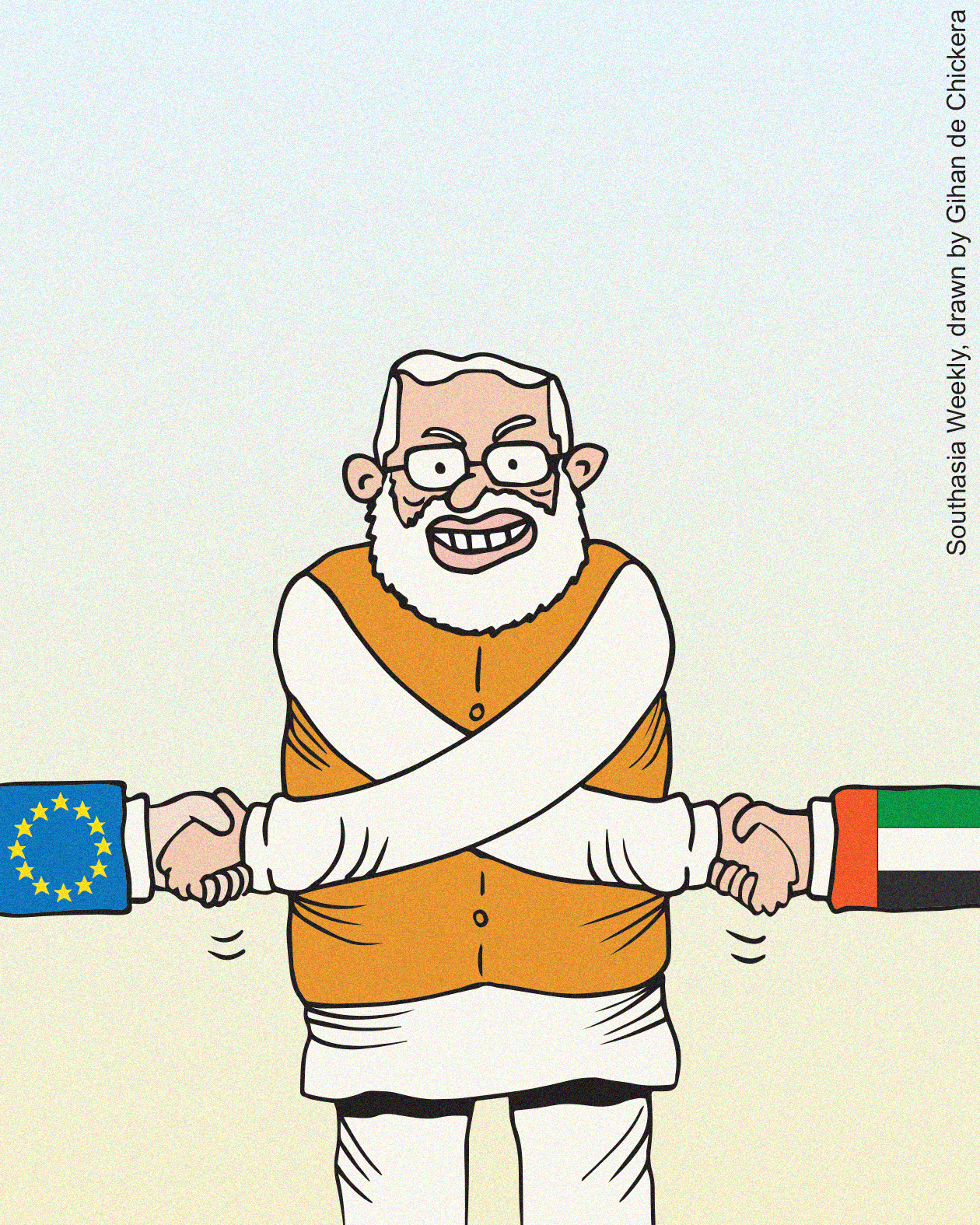
Narendra Modi went on a charm offensive this week, signing key pacts on defence, energy and shipping with the United Arab Emirates, even as tensions between Abu Dhabi and Tehran spiked due to the ongoing war in West Asia. While the agreement is key to help India address fuel and Liquefied Natural Gas shortages caused by the blocking of the strait of Hormuz, it is also strategic given Pakistan’s deepening ties with Saudi Arabia. On 18 May, Pakistan deployed 8000 troops there as part of a mutual defence pact. Both countries are trying to benefit from growing rifts between Abu Dhabi and Riyadh that have been exacerbated by the war in West Asia, with India aligning with the UAE.
Modi also sought to beef up strategic and trade ties with Nordic countries at a high-level summit in Oslo this week. India’s Tata Electronics signed a deal with Dutch semiconductor company ASML to support the development of a semiconductor facility in Gujarat expected to manufacture chips for artificial intelligence, the automotive industry and others during Modi’s visit. Less palatable were pointed questions from Norway’s journalists on why Modi was dodging questions from the media, leaving Indian envoys to bluster their way through a scheduled press briefing.
Elsewhere in Southasia:
- At least 96 people lose their lives from pre-monsoon storms in Uttar Pradesh, northern India
- Pakistan court hands death sentence to 23-year-old accused of the murder of 17-year-old social media influencer Sana Yousuf, orders him to pay compensation to legal heirs
- Myanmar announces plans to operate military-run Youth Education training schools to recruit high-school students into military ranks, plans to tighten conscription lists in collaboration with immigration officials
- 13 media outlets from the Maldives black out their front pages in solidarity with detained Adhadhu journalists in connection with documentary outlining allegations of sexual misconduct involving Maldivian President Mohamed Muizzu, protests in Male joined by former presidents
- Bank accounts for Kathmandu–based English daily The Himalayan Times frozen after former news editor files suit about failure to pay staff dues despite court order in December 2025
- Adani Group CEO Gautam Adani and nephew Sagar agree to pay USD 18 million total to settle US Securities and Exchange Commission accusations of bribery, fraud involving solar energy contracts
- Madhya Pradesh high court rules that disputed Bhojshala Complex mosque in originally Saraswati temple, allows Hindu worshippers to enter despite protests from Muslim communities
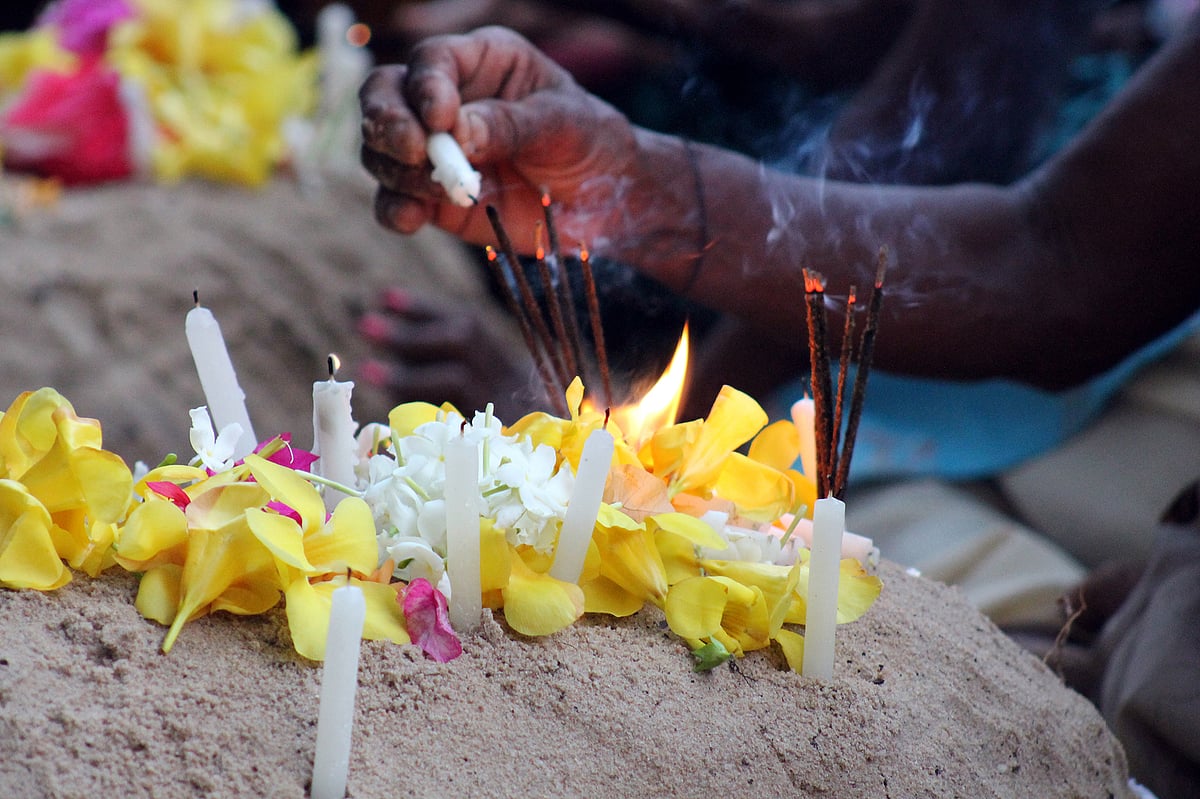
- Mullivaikkal Remembrance Day, also known as Tamil Genocide Remembrance Day marking end of Sri Lanka’s civil war commemorated across north and east Sri Lanka and by Tamil diaspora, group of Sinhala Buddhist extremists disrupt solidarity May 18 event in Colombo
- Indian central government tells Supreme Court it opposes any new hydroelectric projects in Uttarakhand’s Alaknanda and Bhagirathi river basin due to ecological concerns
- Myanmar-based drug kingpin who operated along India-Myanmar border arrested in Delhi
- Over 5000 Afghans forcibly returned in a single day this week, aid organisations raise concerns about large-scale deportations from Iran and Pakistan
- Delhi High Court grants bail to Salim Malik, detained for over five years in connection with 2020 Delhi riots, activist Umar Khalid moves high court seeking interim bail
- US-based Indian student launches Cockroach Janata Party in response to Chief Justice description of Gen Z social media users as “cockroaches”
- Police issue final notice to retired district judge to record her statement on death of her daughter-in-law Twisha Sharma, absconding lawyer son and key suspect files for anticipatory bail in suspected dowry harassment case
Revisit the below archival stories from Himal adding more context to this week’s news updates from Pakistan, Sri Lanka and Afghanistan.
Salman Rafi Sheikh Frances Harrison
 Zahra Nader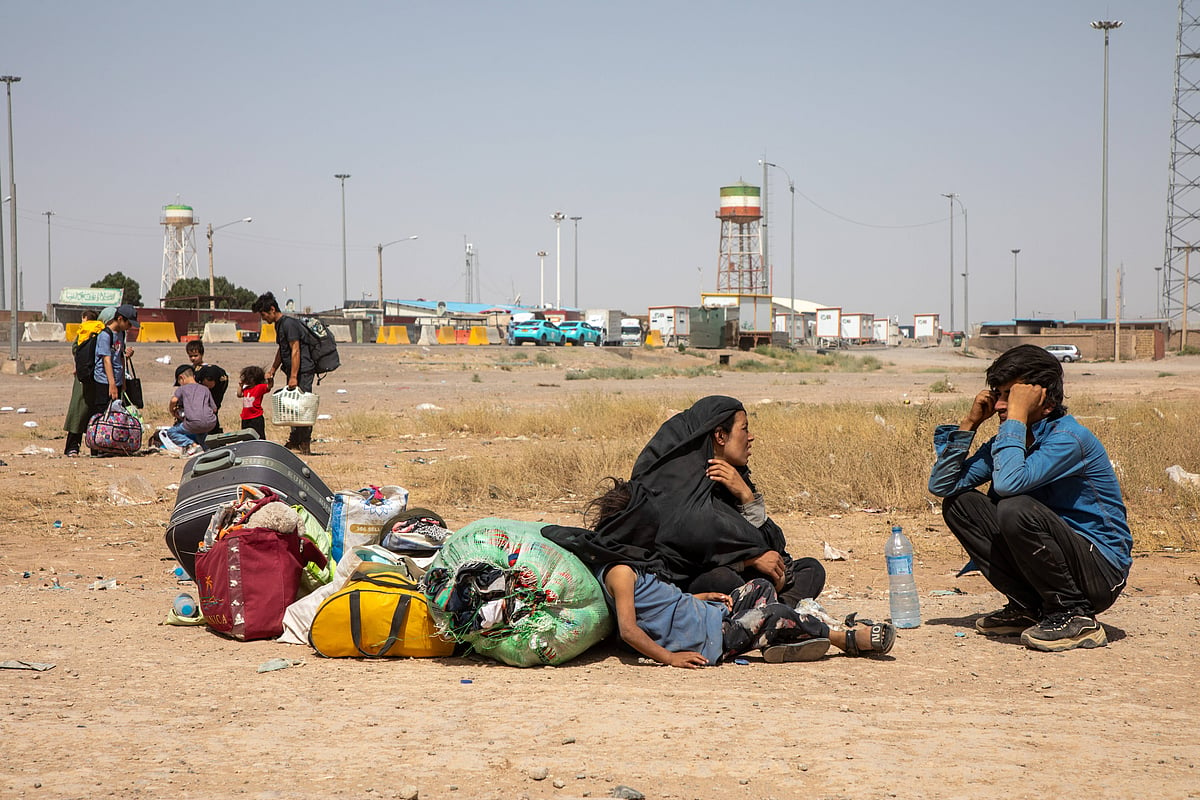
Snap Southasia
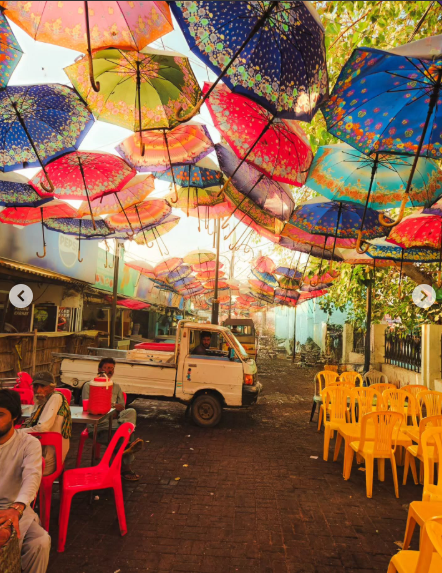
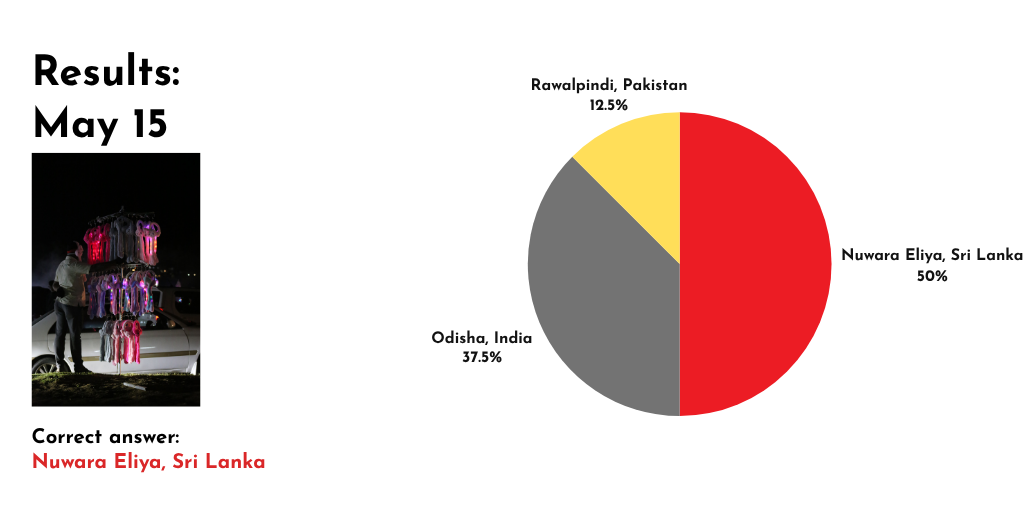
Where in Southasia is this image from? Click on your guess below (and check in next week to see if you guessed right!)
Birulia, Bangladesh
Karachi, Pakistan
Ahmedabad, India