Last week, as this newsletter winged its way to you, key constitutional amendments on women’s representation were defeated in India’s Lok Sabha. This is being widely reported as a loss for women’s political participation, but there’s more to it than that, given the bill was bundled with proposals that sought to redraw India’s electoral map.
Southasians know all too well the perils of unchecked power (just ask Sri Lankans who recall former president Mahinda Rajapaksa extending his own presidential term via constitutional amendment). But beyond the nitty-gritties of what this defeat portends, we wanted to focus on how it was reported in India’s mainstream media. Scroll below for more on that. We also have a review essay on Manu Joseph’s new book, the Maldives’s battle for an island archipelago, and more. We’re here to go beyond surface-level analysis on Southasia and if that’s what you value, you should sign up to our Patrons programme and support our work.
This week in Himal
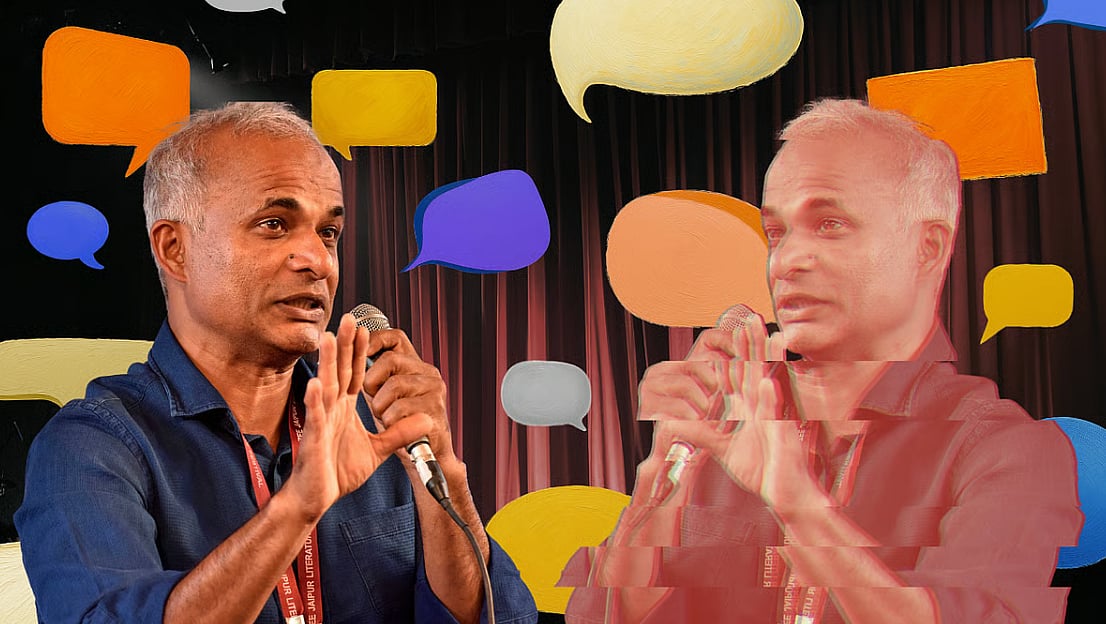
In an incisive review essay, Diya Isha and Huzaifa Omair Siddiqi write about the journalist, novelist and screenwriter Manu Joseph, and why his latest book Why the Poor Don’t Kill Us falls short in diagnosing the ills of liberal India.
For the May edition of Screen Southasia, our monthly documentary screening in collaboration with Film Southasia, we’re featuring two films that explore the lifecycle of tyres. Click here to sign up to watch for free.
Also read: Muizzu’s Maldives cooks up a sovereignty dispute over the Chagos Islands
Also read: 🗳️ As Tamil Nadu votes in the 2026 assembly election, how far can Vijay’s bid go?
This week in Southasia
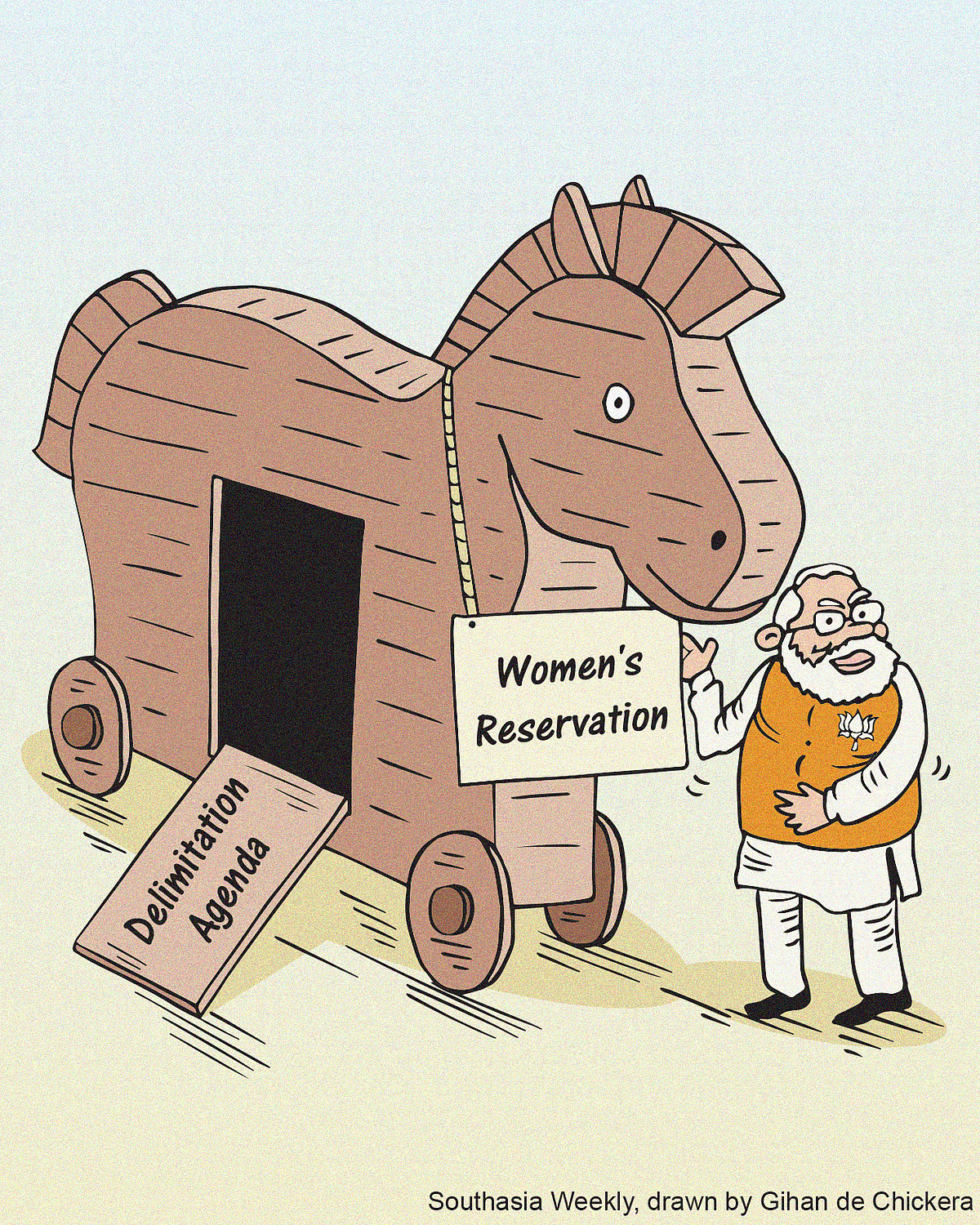
India’s mainstream media uncritically amplifies the government line on delimitation bill
On 17 April, the government failed to pass a constitutional amendment bill on women’s representation in parliament, with two other bills on delimitation and increasing the size of the Lok Sabha shelved in the process. After the defeat, the Bharatiya Janata Party placed ads in several newspapers calling the opposition Indian National Congress ‘anti-women’ for defeating the bill. India’s mainstream media took a similar line, with headlines in English and Hindi foregrounding the defeat of the women’s reservation bill. The Hindu was a notable exception. Leading TV stations also amplified the government line, broadcasting a rare national address from Modi after the bill’s defeat. More than 700 citizens have approached the Election Commission to argue that Modi violated election laws for using mass media at public expense to electioneer even as assembly elections are ongoing in several states.
The delimitation bill has been met with pushback by southern states in India, with representatives worried that they would lose seats due to their lower population growth and stronger economies. India’s fragmented political opposition came together to stand against the bill and raised questions about the decision to club together delimitation with women’s reservations, accusing the government of trying to bulldoze through legislation that could benefit them electorally. This broader context was obscured in the reporting around the bill, as readers pointed out.

Elsewhere in Southasia:
- Five-day shutdown disrupts life in Manipur after renewed communal violence between Kuki and Naga groups triggered by bombing that claimed lives of two children on 7 April
- India and South Korea sign bilateral trade deal projected to double trade by 2030, including Indian export of crude oil derivative ‘naptha’ amid fuel crisis wrought by war in West Asia
- Myanmar President Min Aung Hlaing proposes peace talks with anti-junta groups, pardons former president Win Myint and reduces sentence of former leader Aung San Suu Kyi, offer rejected by anti-junta groups
- Nepali home minister Sudan Gurung who ordered arrest of ex-Prime Minister KP Sharma Oli resigns, citing accountability concerns over investments, shortly after Balendra Shah administration dismisses labour minister for abuse of power
- Indian vice president C P Radhakrishnan visits Sri Lanka, discusses energy sector, port development cooperation and remediation of contested fishing waters issue as Sri Lankan Tamil parties make case for Indian intervention on unfulfilled 1987 Indo-Lanka Accord
- UN Special Rapporteur for Palestine Francesa Albanese says India is violating its obligations under international law, warns that India may face consequences for supply of arms to Israel despite ongoing case before International Court of Justice
- Association of Mobile Telecom Operators of Bangladesh says telecom network shutdown possible due to fuel shortages, as queues continue at filling stations
- Sri Lanka launches investigation after hackers breach finance ministry’s computer system, steal USD 2.5 million earmarked for debt repayments to Australia, four senior officers at Sri Lanka’s Public Debt Management Office suspended
- Negotiations underway for United States to relocate more than 1000 Afghan refugees who aided US forces from Qatar to Democratic Republic of the Congo (DRC)
- Factory-workers in Noida block roads over low pay, inconsistently implemented labour rules with over 200 people named in First Information Reports, lawyers for three activists say due procedure not followed in arrests
- Lockdown in Islamabad, Pakistan amidst US-Iran talks disrupts local economy, forces some citizens to move from accommodation even as Iran says they don’t plan to send negotiators to Islamabad for more talks
- Sri Lankan customs officials seize books by Tamil writer Theepachelvan about the Sri Lankan Civil War for Ministry of Defense review, release just two of four books, prompting criticism for targeting of Tamil and Muslim writers in Sri Lanka
Revisit the below archival stories from Himal adding more context to this week’s news updates from India and Sri Lanka
Also read: New developments in ‘New Kashmir’
Also read: How state repression and deliberate ethnic polarisation made Manipur boil over
Snap Southasia
Where in Southasia is this image from? Click on your guess below (and check in next week to see if you guessed right!)
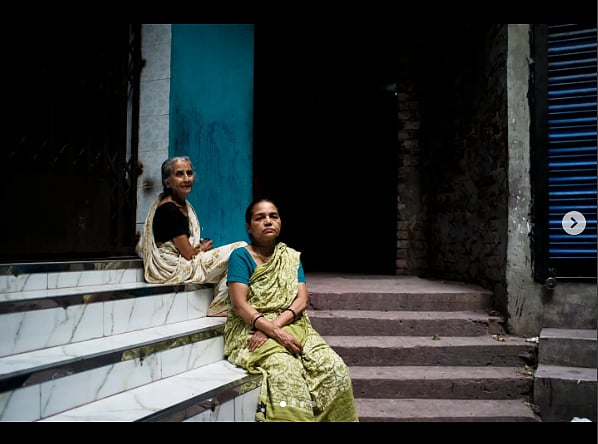
Pettah, Sri Lanka
Fort, Mumbai
Puran Dhaka, Bangladesh