This is Southasia Weekly, your regular update on the latest from Himal and across the region. If you only read one email from us all week, this should be it.
Himal Southasian takes the long view, drawing from our deep archive and journalistic experience to bring you insights that matter from the past and the present. Become a Patron so that we can keep going.
This morning, a Southasian journalists’ WhatsApp group I’m on lit up with messages as women journalists from India wished their counterparts in Pakistan a happy Independence Day. That sparked a discussion on how the two countries used to mark the occasion on the same day, and in the same time-zone, before politics and nationalism took over. (India’s Independence Day is tomorrow, on 15 August, of course.) Lingering unsaid in the felicitations was the shared tragedy that meant that these journalists, many of them friends, are only able to meet in person in other countries.
India and Pakistan’s Independence Days are rightly a time to celebrate the end of British colonial rule. But what’s largely forgotten amid the fanfare is Partition, the millions of lives lost at the British departure, and the lessons the tragedy still holds for Southasia today on the dangers of nationalist chauvinism, communal division and all kinds of xenophobia.
Apart from India and Pakistan, Afghanistan too marks its Independence Day this month, on 19 August. Yet that day is overshadowed by another anniversary: the Taliban’s return to power on 15 August five years ago.
At Himal, our job is not to bury the past but to learn from it, to keep its lessons alive, and to find our own ways to transcend borders and divisions. All this week, we’ve been sharing stories from our archive that surface buried histories (or reimagine them), and we published a reflective piece on Afghanistan in time for the 15 August anniversary. If you believe as we do in the importance of such work for Southasia, I hope you’ll consider supporting our work.
|
Raisa Wickrematunge Senior Editor Himal Southasian |
|
Here’s what Himal published this week:
POLITICS
How Kabul’s most famous hotel became a witness to Afghanistan’s modern history
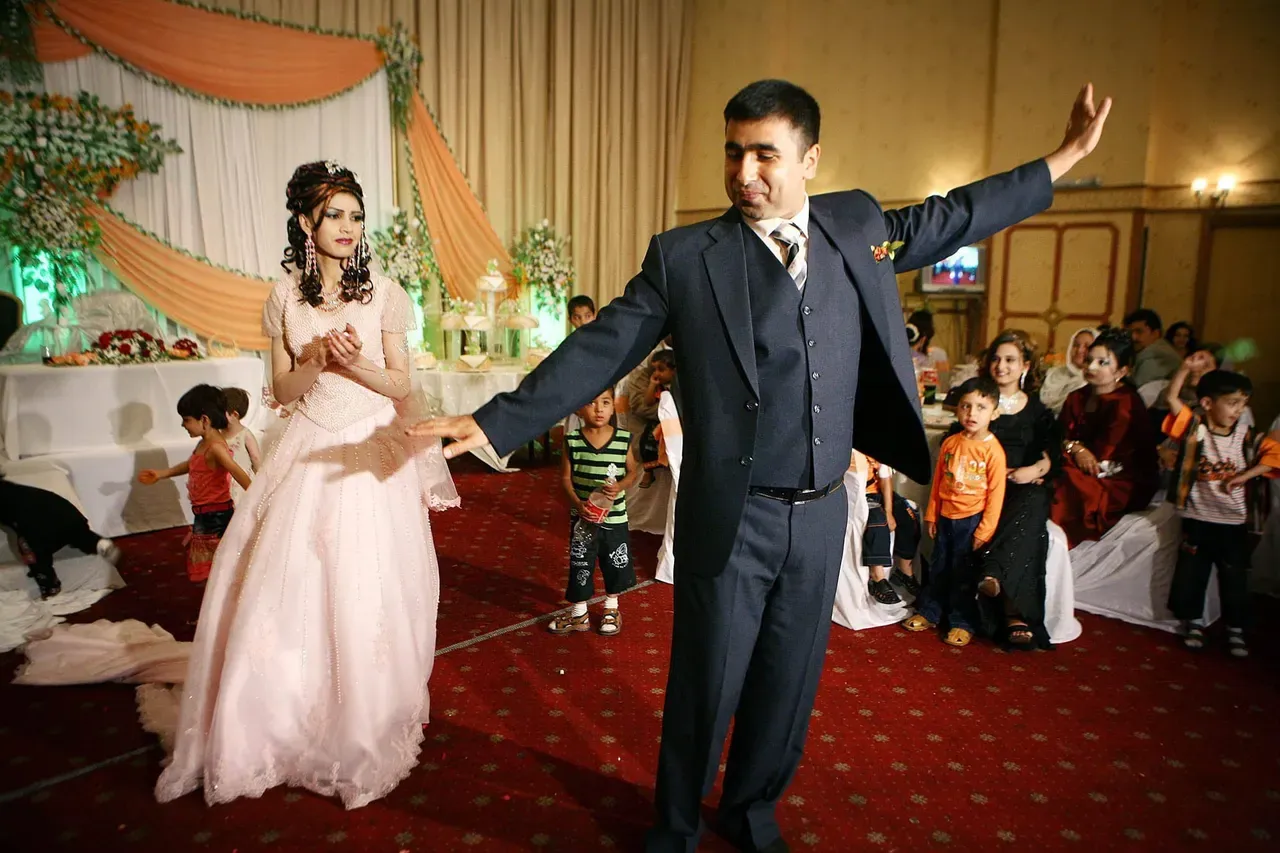
Marking five years since the Taliban coup on 15 August 2021, Taran N Khan writes about Afghanistan’s decades of war and political upheaval in a review of the BBC correspondent Lyce Doucet’s ‘The Finest Hotel in Kabul’, telling the stories of the InterContinental hotel in Kabul and its staff.
POLITICS
The protracted Maruti workers’ protest that India forgot
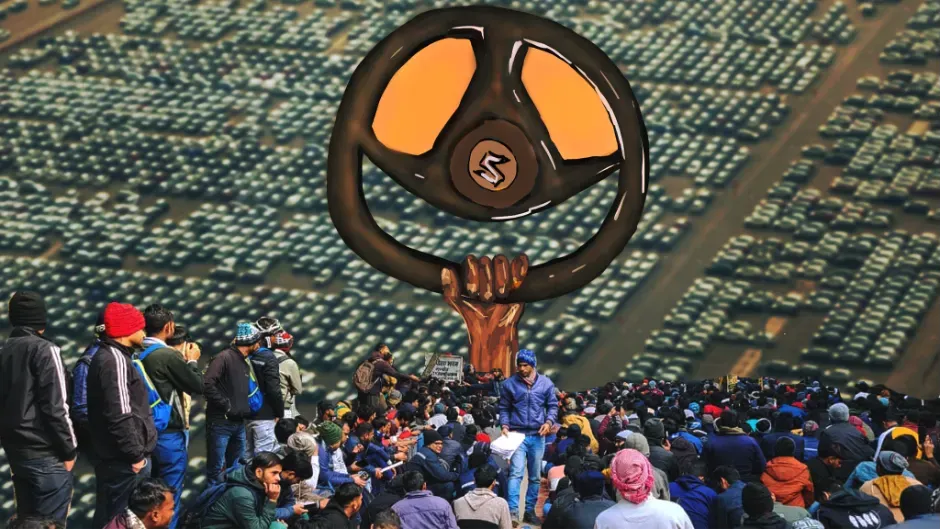
Kinshuk Gupta writes about the years-long struggle of Maruti Suzuki factory workers fighting for their jobs and recognition of their labour rights, which has been repressed and ignored.
Here’s what happened in Southasia this week:
NEWS DIVE
Pakistan and an ‘Islamic NATO’?
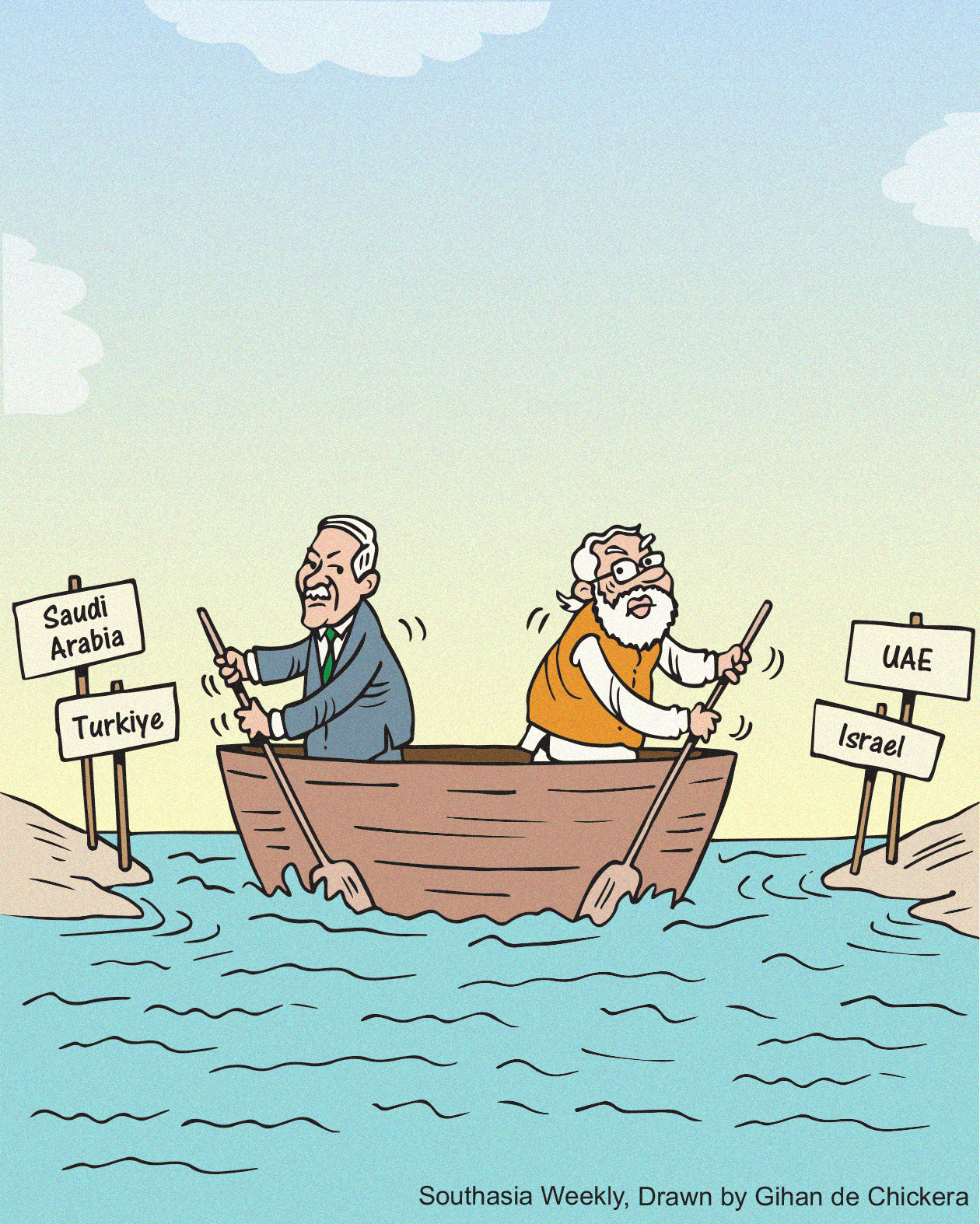
On 7 August, Pakistan, Saudi Arabia and Türkiye signed a joint defence agreement, even as Yemen’s Iran-aligned Houthis continued to strike oil exporters in West Asia and blockade energy shipments. Although the specifics of the agreement are not yet public, it is reportedly aimed at strengthening collective deterrence. A social media post from the president of Türkiye, Recep Tayyip Erdogan, said the agreement could include joint defense-industry projects and counterterrorism operations. In the last month, Pakistan and Türkiye backed a maritime defence coalition put forward by Saudi Arabia to protect regional shipping routes in times of war, and the three countries share longstanding ties. Pakistan has provided training and technical assistance to Saudi forces and exchanged warships and training aircraft with Türkiye. Saudi Arabia has also purchased Turkish drones.
While the new deal is being billed by some analysts as an ‘Islamic NATO’, the final agreement is more likely to be about institutionalising growing ties on security and defense, issues of growing urgency in light of the US-Iran-Israel war. While Pakistan initially sought to avoid direct involvement as it shared a border with Iran, its growing proximity to Saudi Arabia, including through a bilateral agreement signed in September 2025, has pushed India to build closer ties with the United Arab Emirates. At the same time, India’s growing ties with Israel despite its genocide in Gaza have come under increasing scrutiny, with a recent report warning that India risks complicity in international crimes. With Southasia’s two strongest military powers being drawn deeper into wider geopolitical conflicts, there is reason for concern over the consequences these could have for the region.
Become a paying supporter and help build more informed coverage on Southasia, from Southasia.
ELSEWHERE IN SOUTHASIA
- Pakistan’s president Asif Ali Zardari approves appointment of additional judges to five key high courts, ending weeks-long impasse that raised questions over the president’s role in judicial appointments
- India’s President Droupadi Murmu gives assent to bill that criminalises disruption or prevention of singing Vande Mataram, giving it the same legal protections as the singing of the national anthem
- Nepal government instructs Kathmandu University to cancel week-long International Association for Tibet Studies conference, reportedly due to pressure from Chinese officials, organisers say conference will be held online instead
- 539 skeletal remains unearthed from Chemmani mass grave in Sri Lanka after 100 days of excavation, including two beyond demarcated grave site, raising concerns that site could expand further
- Maharashtra’s new anticonversion law comes into force, first FIR filed against 22-year-old in Pune within days
- Two ministers in Bhutan’s cabinet resign from their portfolios, including home minister Tshering after social media allegations around sharing confidential government documents, raising possibilities of wider cabinet reshuffle
- The Maldives’s Local Council Association and civil society organisations object to government bill allowing president to take land from council jurisdiction, say loss of income will leave them more dependent on central government and call for consultation with local councils before land or lagoon appropriation
- Japan’s princess Akiko of Mikasa visits Bhutan and meets King Jigme Khesar Namgyel Wangchuck to mark 40 years of diplomatic relations between the two countries, tours Gelephu Mindfulness city
- At least seven killed, seven others injured in Mumbai after heavy rains lead to landslide in Maharashtra
- Bangladesh to hold presidential election on 20 August, Bangladesh Nationalist Party and Jamaat-e-Islami-led alliance submit nominations, say they do not want presidential election to go uncontested
- At least 875 Afghan refugees released from prisons in Pakistan and returned to Afghanistan amid ongoing tensions between both countries over crossborder militancy
FROM THE ARCHIVE
Revisit archival stories from Himal that add more context and insight to this week’s news updates from Pakistan, India and Bhutan:
 Salman Rafi Sheikh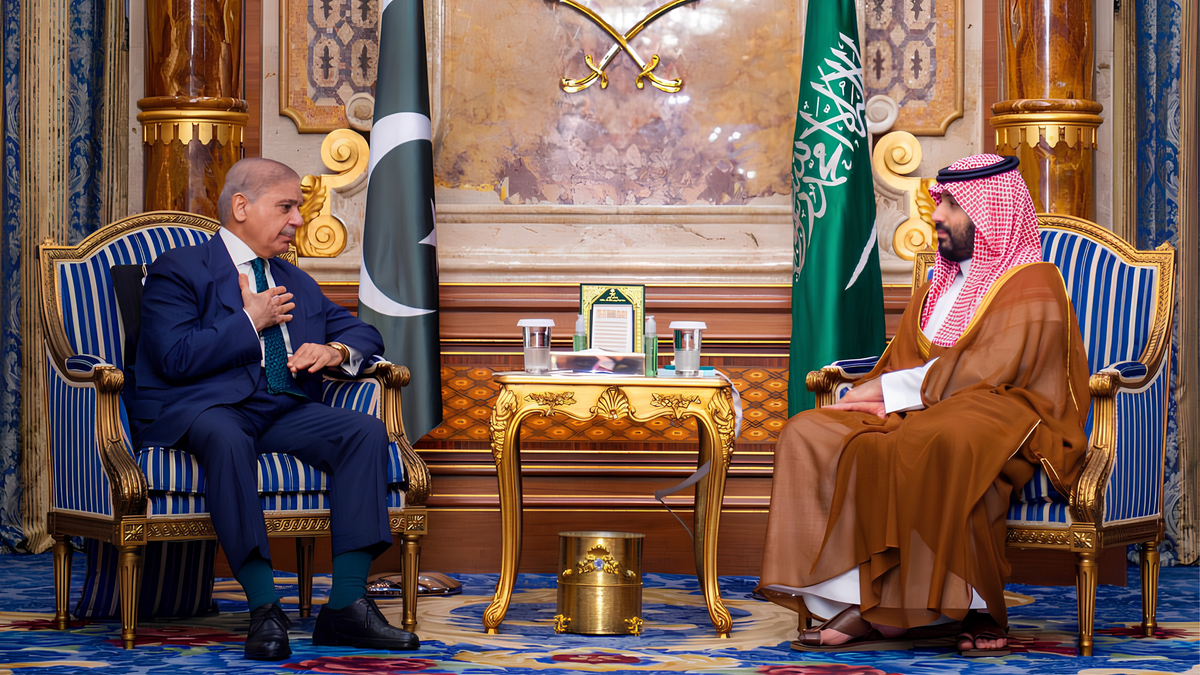
 Rohan Venkat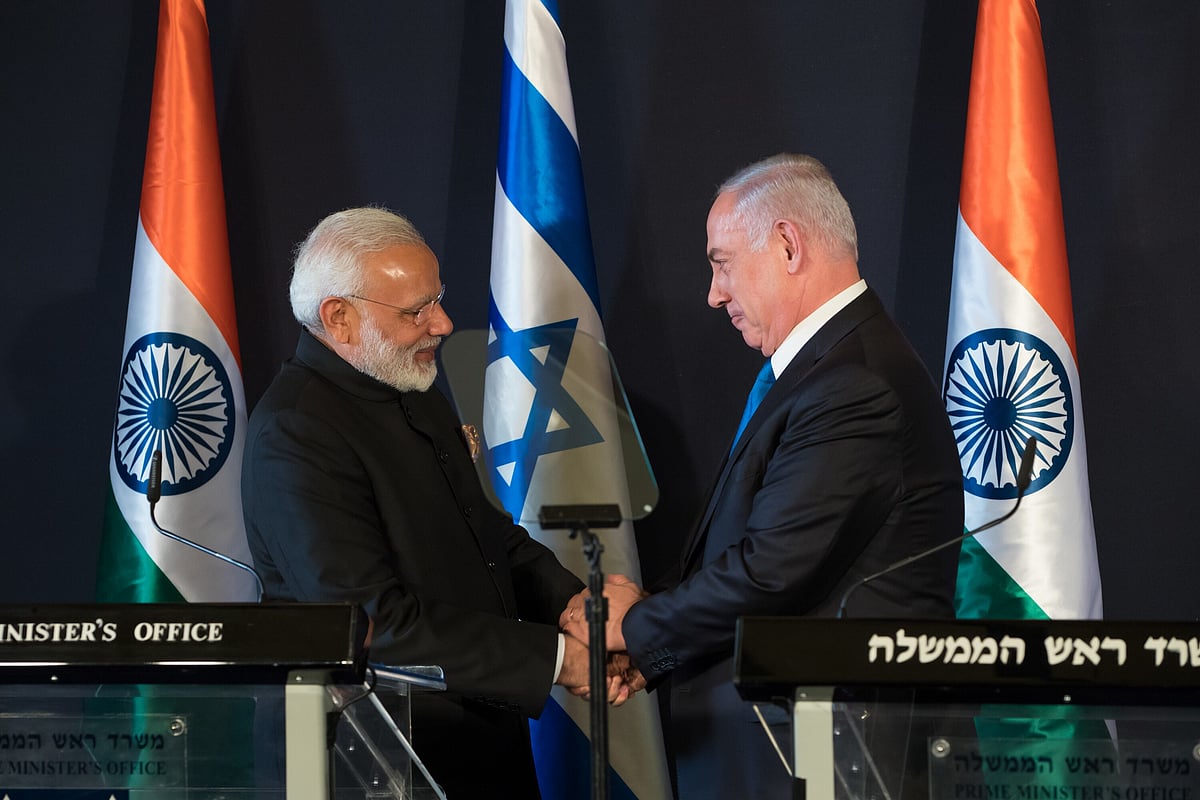
 Salman Rafi Sheikh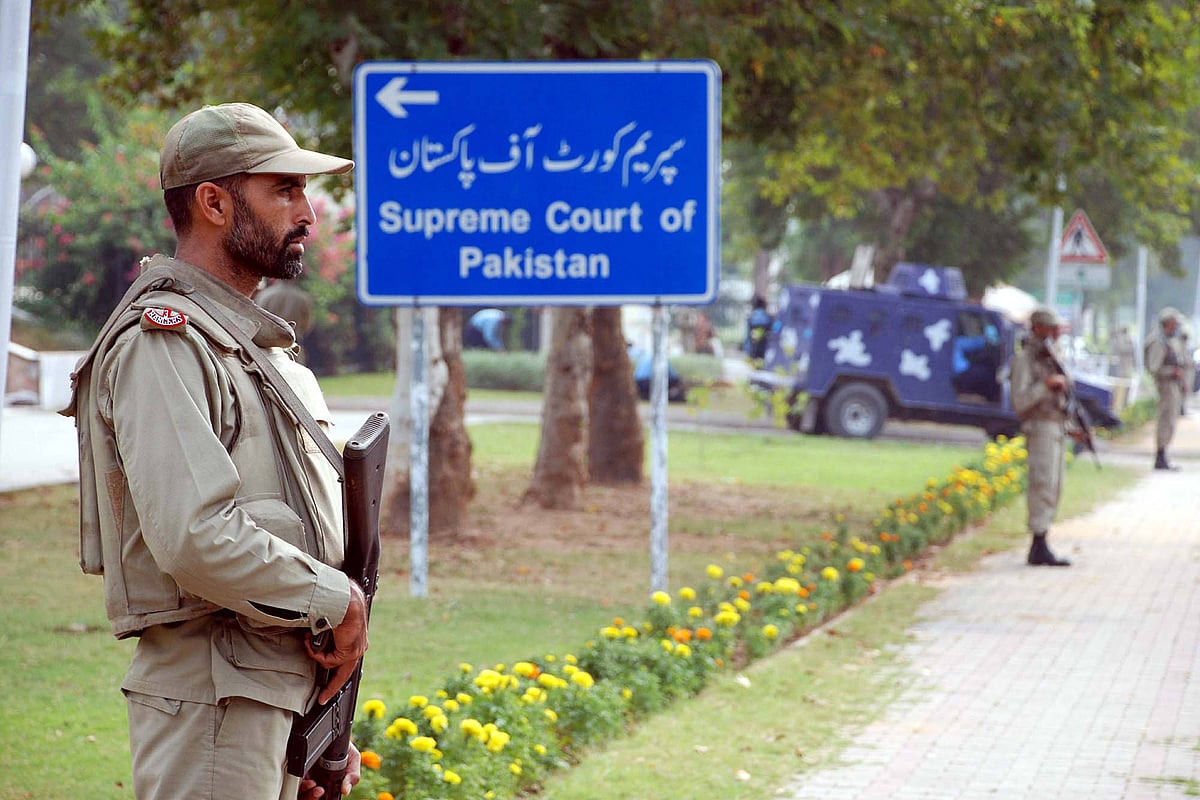
 The Editors
SNAP SOUTHASIA
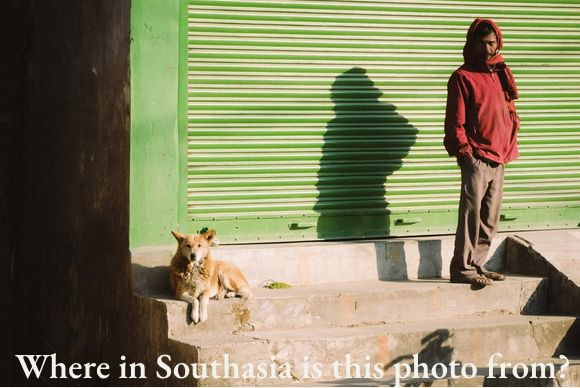
@henspictures