

Welcome to the Southasia Review of Books newsletter, Himal’s fortnightly guide to our latest review essays and podcast conversations, alongside a selection of new books, publishing news and literary happenings from across the region.
Himal’s new paywall keeps our independent journalism open in Southasia, while readers elsewhere can support us through paid access. If you’re outside the region, becoming a Himal Patron is one way to help us keep doing this work – and keep it free for Southasia.
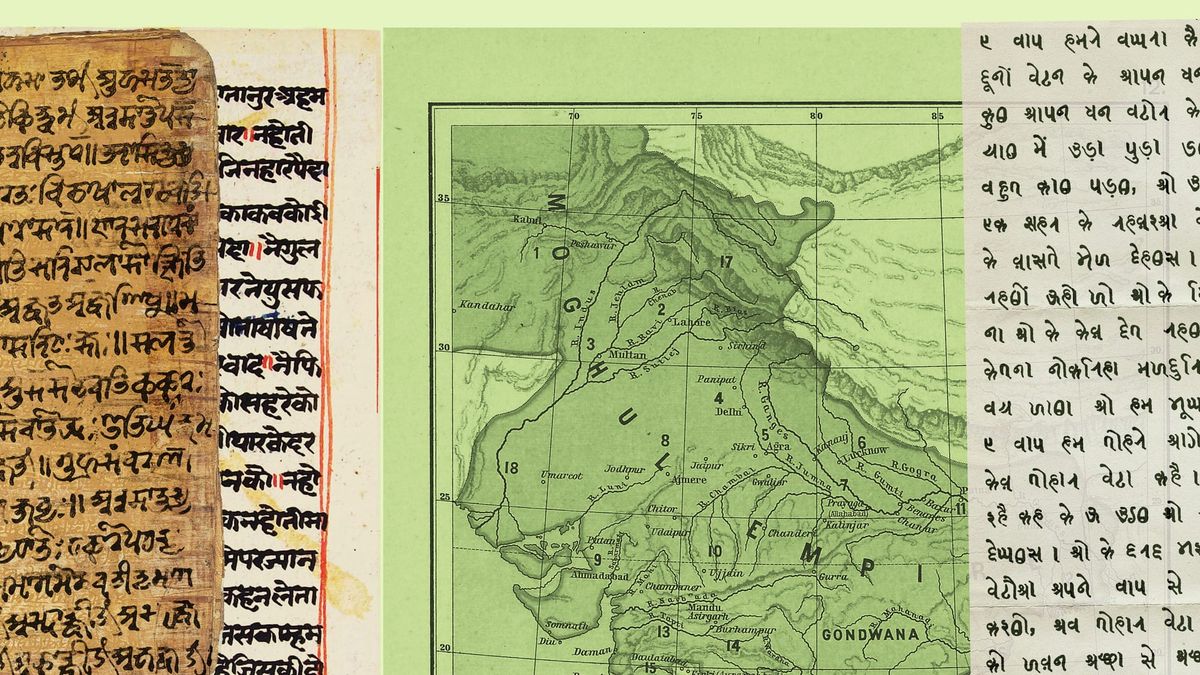
This fortnight, we’re bringing you a special piece that got us thinking about language, history and the things we take for granted about both. In his review on Tyler Williams’s If All the World Were Paper: A History of Writing in Hindi, Matt Reeck explores early modern Hindi writing, revealing a literary history far more diverse than our contemporary understanding of the language suggests.
What I particularly like about this piece is how it challenges the idea of Hindi as a unified language with a neatly defined literary tradition. As Matt writes, Williams offers “a counter-narrative to the identitarian collapse of difference that is playing out across Southasia today”. At a time when language is so often caught up in projects of cultural and national consolidation, recovering a history shaped by linguistic and literary plurality feels especially important.
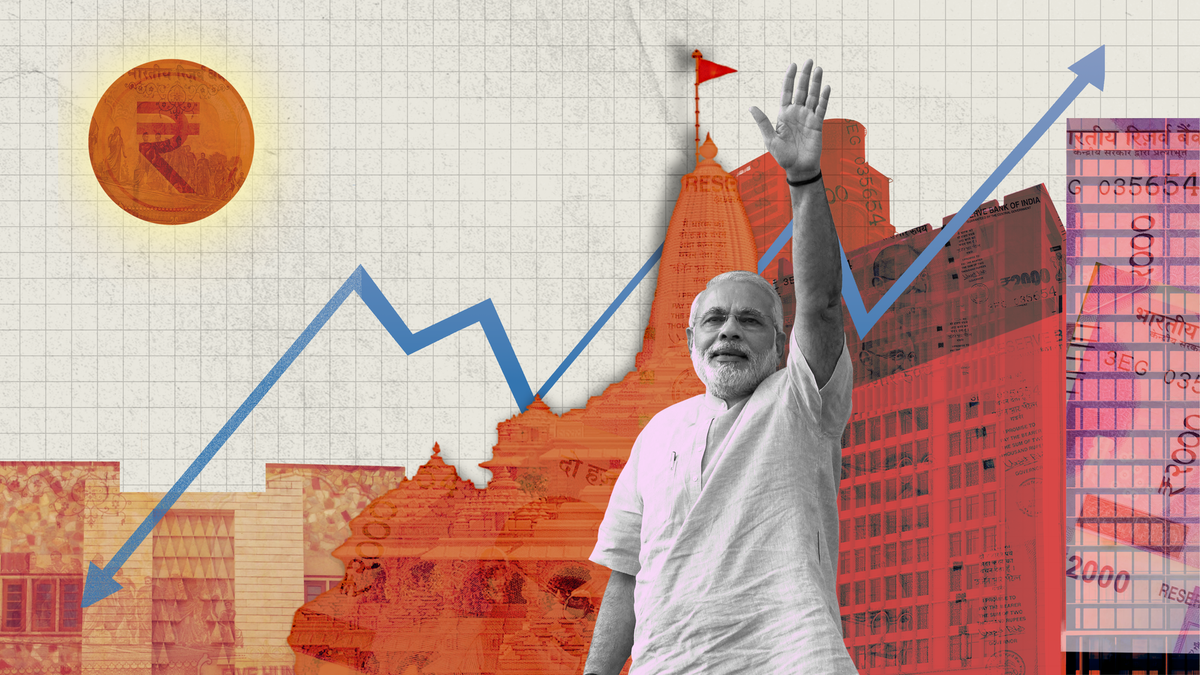
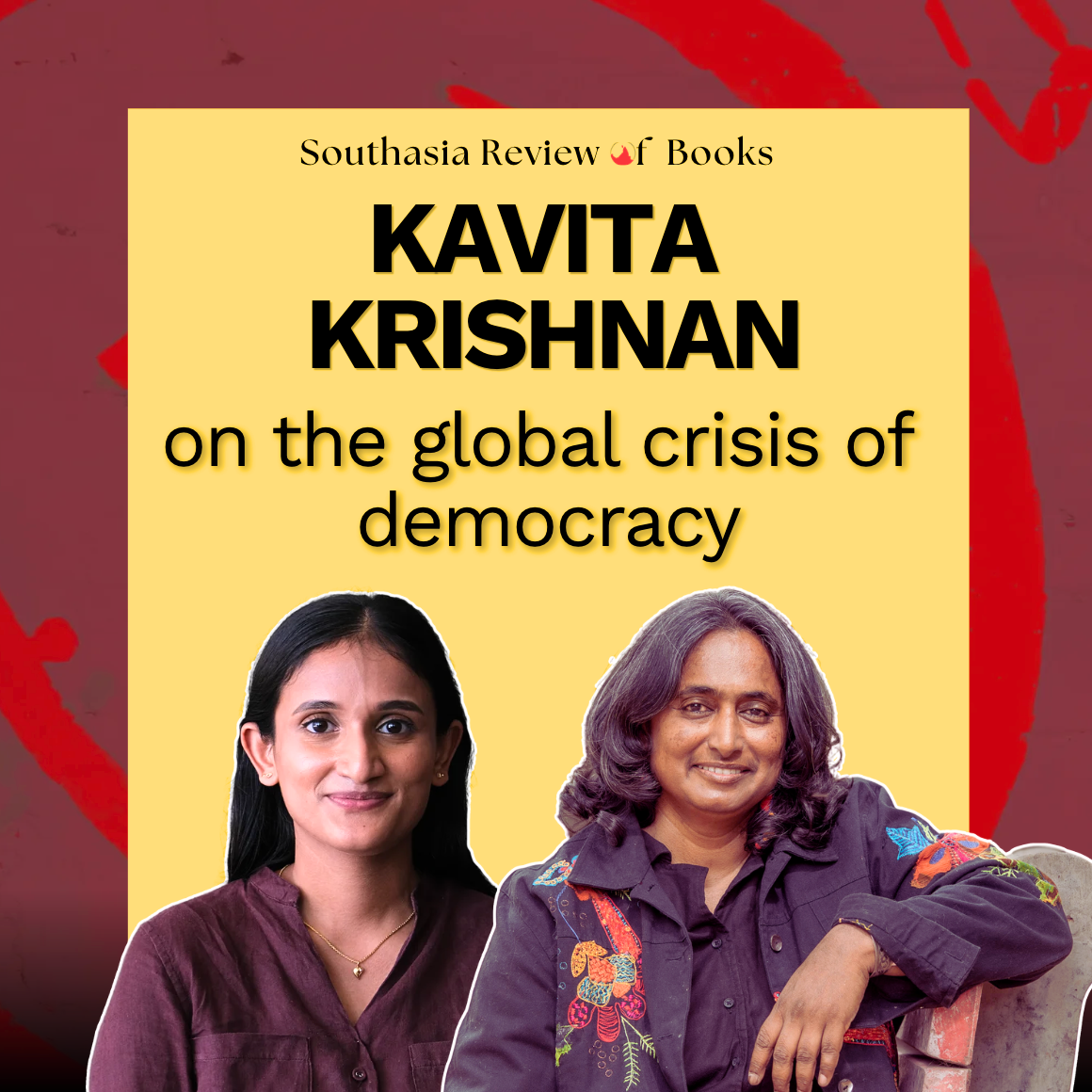
We also have a fantastic review essay by Mihir Dalal on how India’s middle class is losing faith in Narendra Modi and the promise of “merit”, as anxieties over jobs, debt and AI expose the cracks in his economic model. In our latest Southasia Review of Books podcast episode, I speak with the activist Kavita Krishnan about her new book, De-democratisation, A Global Story.
I’d love to hear what you think of this fortnight’s reads, and what you’d like to see more of in SaRB. If there are new books or writers you think we should be looking at, or if you just want to share something you’ve been reading, write to me at shwethas@himalmag.com.
Until next time, happy reading!
|
Shwetha Srikanthan Associate Editor Himal Southasian |
|
📚 From Himal’s pages this fortnight
Our latest reviews, literary essays and conversations
 Mihir Dalal
 Matt Reeck
 Shwetha Srikanthan
📚 Celebrating Southasian Literature
A roundup of awards and recognition for Southasian writing
The Atta Galatta Bangalore Literature Festival has announced its 2026 longlists for its fiction and nonfiction book prizes, with several books featured in Himal’s pages among the selections. The fiction longlist includes Rahul Bhattacharya’s Railsong and Deepa Anappara’s The Last of Earth, while the nonfiction list features Called by the Hills by Anuradha Roy, Snigdha Poonam’s Scamlands and Sowmiya Ashok’s The Dig: Keeladi and the Politics of India’s Past. The shortlists are expected in November, with the winners to be announced at the festival in Bengaluru in December.
Meanwhile, Westland Books has been named Publisher of the Year at Godrej Literature Live! 2026 in Mumbai. The prize celebrates the Indian publishing house’s work across fiction, nonfiction and translations, among other genres.
📚 This month in Southasian publishing
New and noteworthy books from across the region
Rewriting India’s history
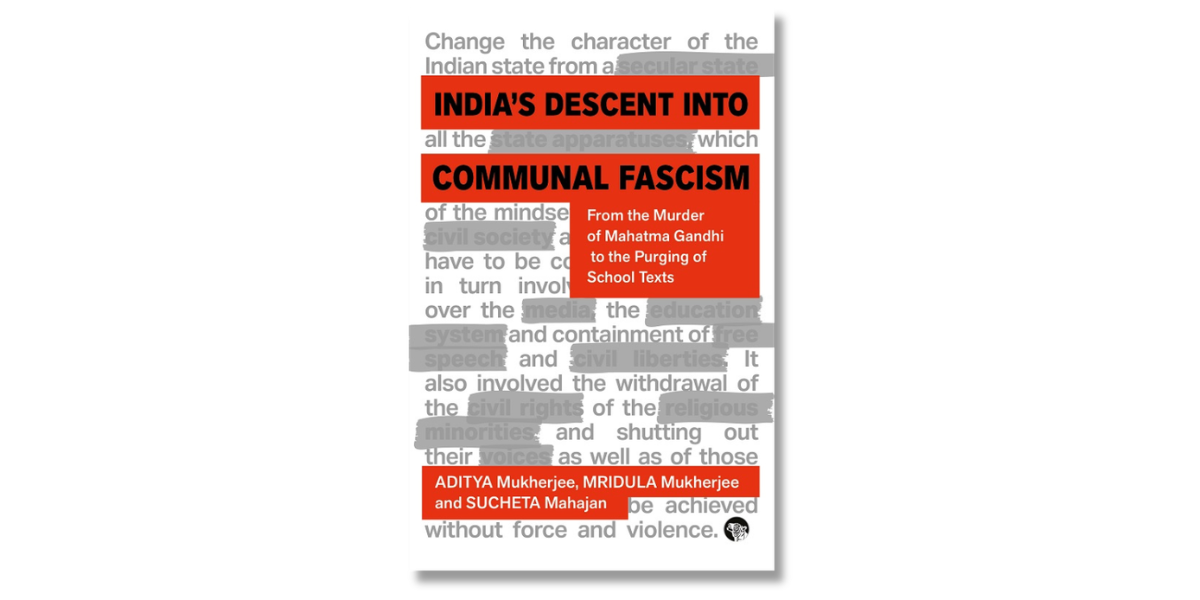
In India’s Descent into Communal Fascism (Speaking Tiger, October 2026), the historians Aditya Mukherjee, Sucheta Mahajan and Mridula Mukherjee trace the RSS’s efforts to reshape the teaching of Indian history around a Hindu majoritarian vision of the country, casting minorities, particularly Muslims, as outsiders and threats. The book argues that these are not isolated distortions of the past but part of a wider struggle over India’s secular and democratic inheritance.
📖 From the Himal archives: Jason Stanley examines how fascism operates in India under Narendra Modi, tracing parallels with Nazi Germany and Trump’s United States to explore how fascist tactics take root in democratic life.
Nepal between India and China
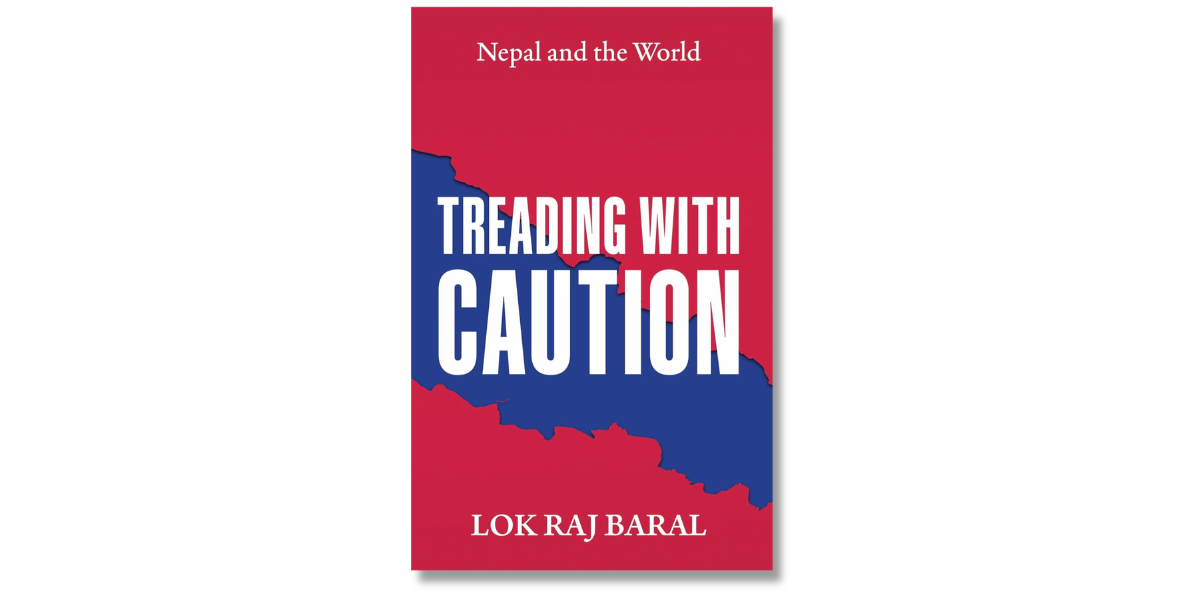
Between two major powers, Nepal has long had to navigate competing regional interests while preserving its foreign policy autonomy. Lok Raj Baral’s Treading with Caution: Nepal and the World (Rupa Publications, October 2026) considers how the country has managed this balancing act and the challenges posed by an increasingly disorderly international system. Connecting Nepal’s foreign policy history to its present predicament, the book examines the constraints facing a small state amid shifting geopolitical dynamics.
Literature in a warming world
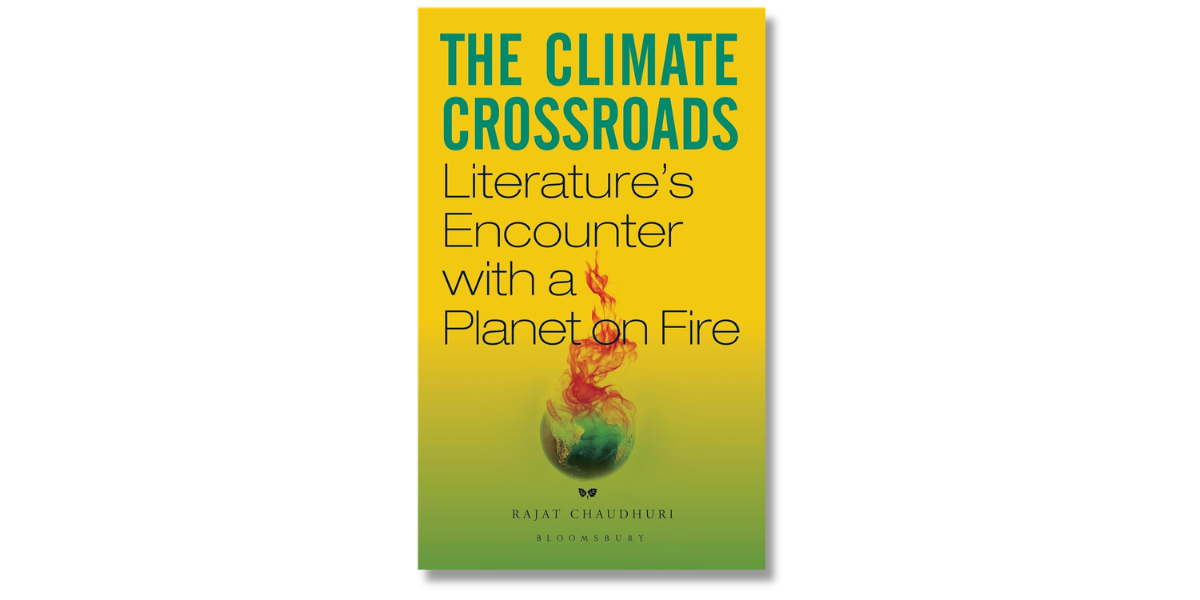
In The Climate Crossroads: Literature’s Encounter with a Planet on Fire (Bloomsbury Publishing, October 2026), the writer and environmental activist Rajat Chaudhuri explores how stories, art and philosophy grapple with ecological upheaval. Drawing on climate fiction, literary theory, history and personal experience, he connects seemingly disparate subjects, from climate protests involving works of art to the folklore of the Sundarban and farmers’ protests in India. The book sheds light on how literature can help us confront the political and emotional dimensions of a planetary crisis and imagine ways of living through it.
📖 From the Himal archives: Evan Tims explores how Southasia is portrayed in Western climate fiction, examining the pitfalls of outsider perspectives alongside the growing body of cli-fi written by Southasian authors themselves.
Media, memes and Bangladesh’s 2024 uprising
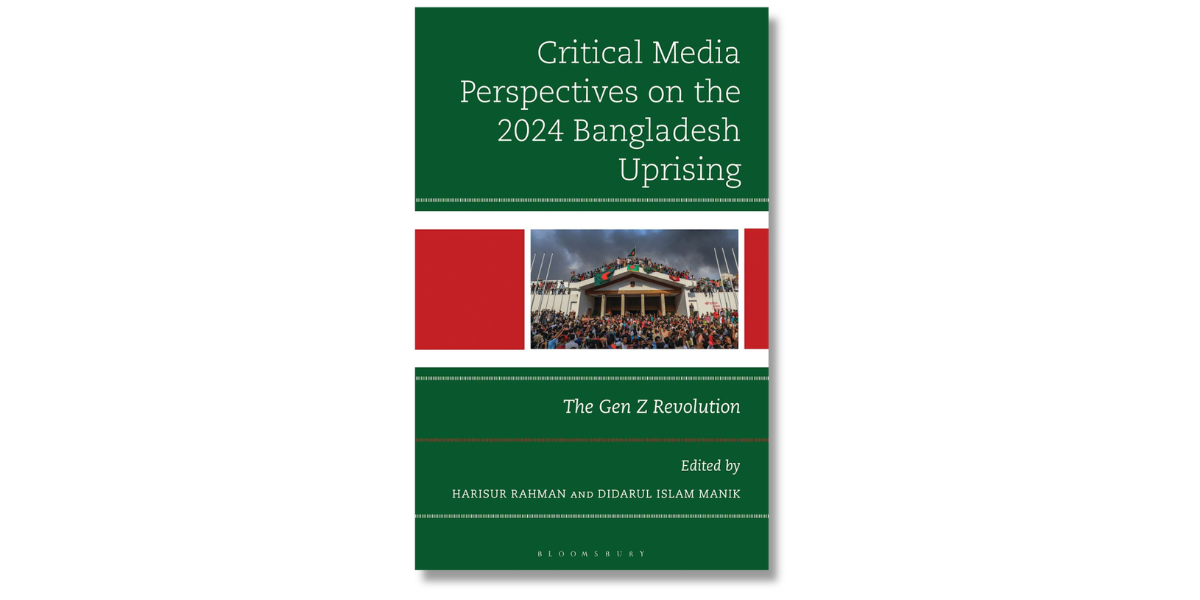
Critical Media Perspectives on the 2024 Bangladesh Uprising: The Gen Z Revolution, edited by Didarul Islam Manik and Harisur Rahman (Bloomsbury Publishing, October 2026), documents how media and digital activism shaped the July Uprising in Bangladesh. Looking at memes, graffiti, citizen journalism, protest music and social media as tools of mobilisation, the collection explores how young protesters used digital and cultural forms of resistance to reshape political discourse.
📖 From the Himal archives: The photojournalist and activist Shahidul Alam documents Bangladesh’s uprising and the government’s crackdown, sharing dispatches from Dhaka amid an internet shutdown.
The enduring structures of Empire
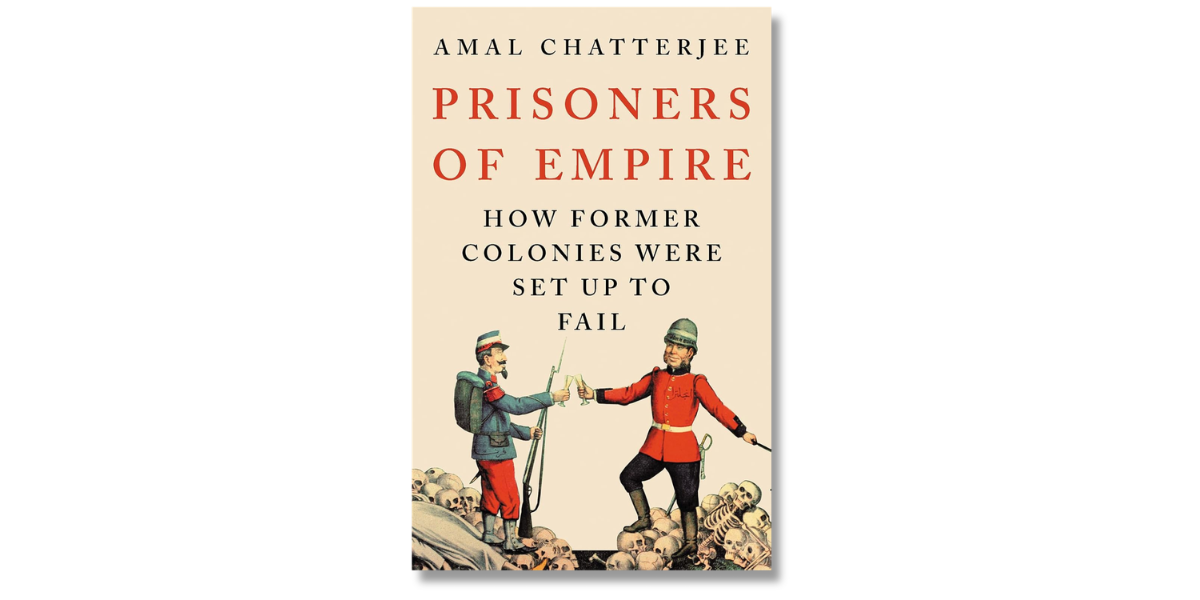
In Prisoners of Empire: How Former Colonies Were Set Up to Fail (Hurst Publishers, October 2026), Amal Chatterjee examines how colonial systems of extraction persist through postcolonial institutions, shaping land, mining, education and law. Drawing on examples from Sri Lanka to Mozambique, he explores how colonialism and extractive capitalism continue to entrench inequality and constrain development.
India’s ties with the UAE
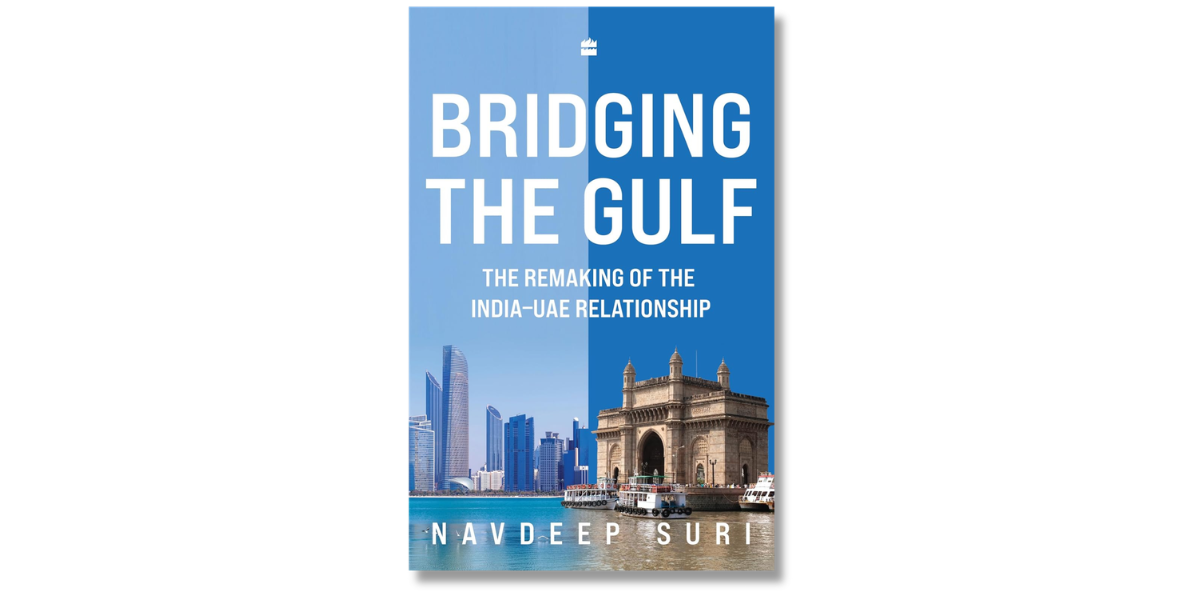
Trade, migration and diplomacy have linked India and the United Arab Emirates for centuries, but their relationship has taken on new strategic significance in recent years. In Bridging the Gulf: The Remaking of the India-UAE Relationship (HarperCollins India, October 2026), the former Indian ambassador to the UAE, Navdeep Suri, draws on his diplomatic experience, interviews and archival research to trace this evolving partnership. From the historical role of western India’s trading networks to contemporary political ties shaped by shared regional interests, Suri unpacks the forces that have brought the two countries closer.
Nitrogen’s global footprint
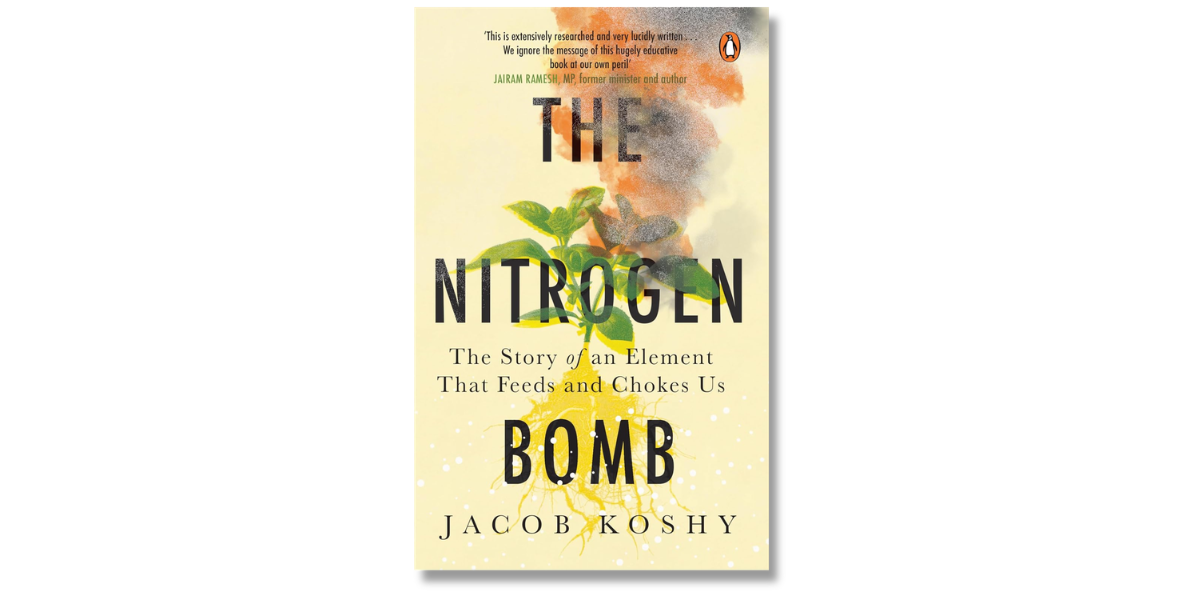
In The Nitrogen Bomb: The Story of an Element that Feeds and Chokes Us (Penguin India, October 2026), the journalist Jacob Koshy foregrounds how the element that sustains crops also contributes to air pollution, contaminated water and global warming. He follows nitrogen from the invention of synthetic fertilisers and the Green Revolution to India’s agricultural policies and contemporary debates over farming. The result is an account of an environmental crisis that connects what we grow and eat to the air we breathe.
📖 From the Himal archives: Tanya Matthan traces how India’s agricultural policies since the 1990s reshaped farming and contributed to the deepening crisis facing farmers today.
Afghanistan, exile and the search for home
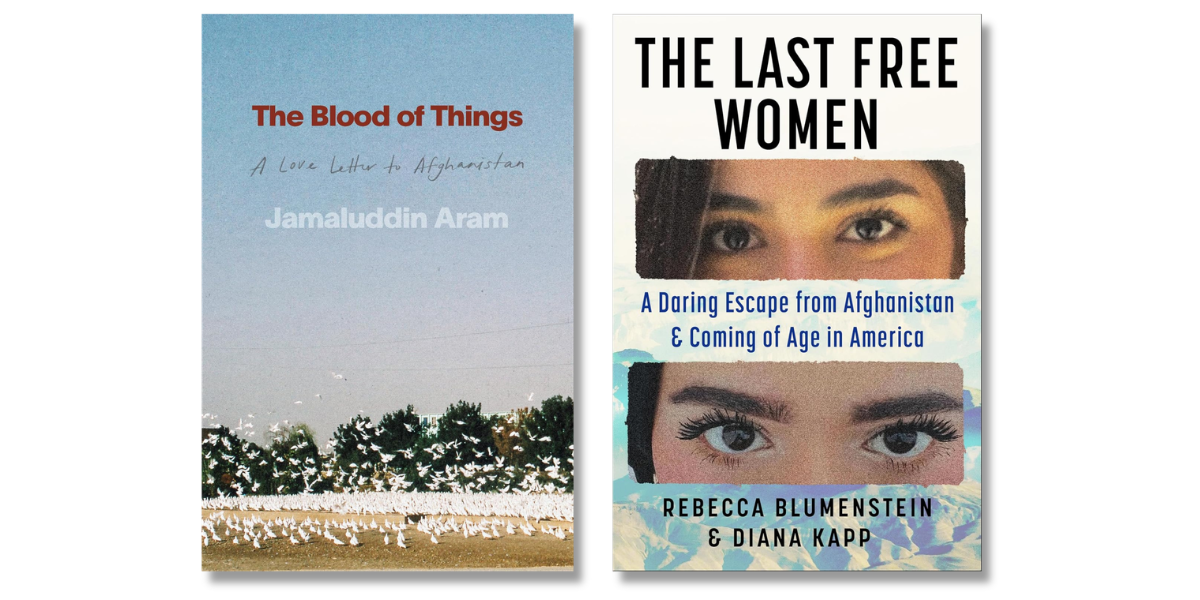
In The Blood of Things: A Love Letter to Afghanistan (McClelland & Stewart, October 2026), the Afghan writer Jamaluddin Aram reflects on exile, war and belonging through essays that weave together family history and personal memory. Challenging familiar portrayals of Afghanistan and its people, he considers the place of literature in preserving connections to home.
The Last Free Women: A Daring Escape from Afghanistan and Coming of Age in America by Rebecca Blumenstein and Diana Kapp (Grand Central Publishing, September 2026) recount the New York Times’s efforts to evacuate more than 200 Afghans after Kabul fell to the Taliban in 2021. At the heart of the story are four young women rebuilding their lives in the United States, navigating a new language and culture while pursuing futures that would have become impossible under Taliban rule.
📖 From the Himal archives: In this SaRB podcast episode, a conversation about My Dear Kabul, a collective diary by 21 Afghan women writers documenting the fall of Kabul, life under Taliban rule and the experience of exile.
Kalimpong and the making of India–China relations
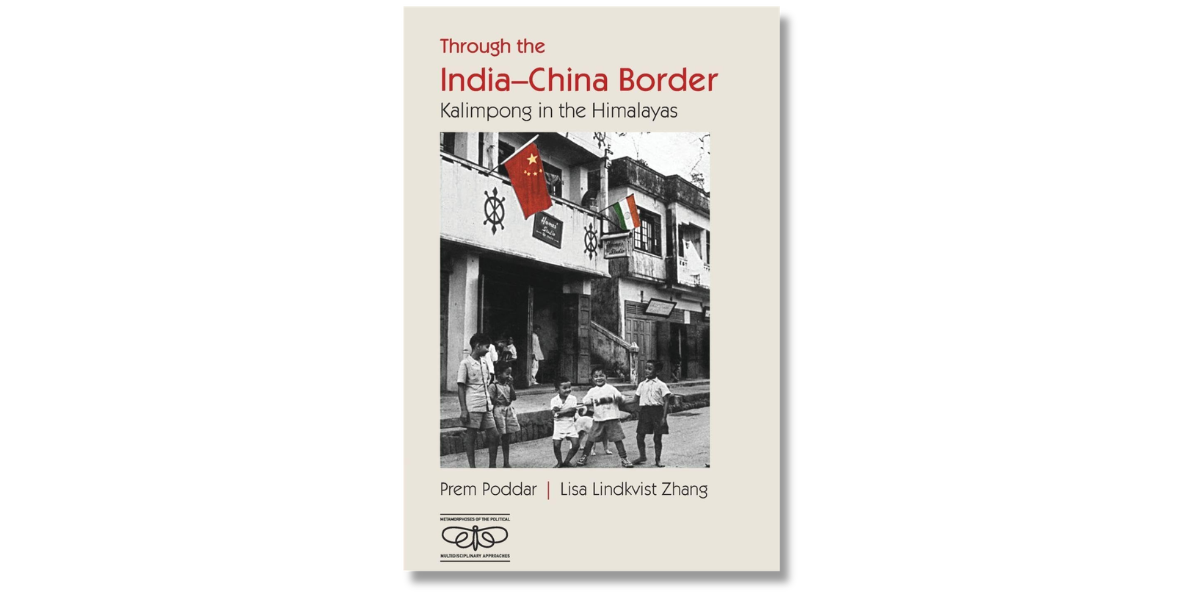
In Through the India-China Border: Kalimpong in the Himalayas (Cambridge University Press, October 2026), Prem Poddar and Lisa Lindkvist Zhang draw on British, Chinese and Indian archives to revisit the history of the Himalayan border town from the 1920s to 1962. Uncovering networks of espionage and political intrigue, they show how Kalimpong became a key site in the making of India–China relations and challenge the tendency to view borderlands from the perspective of national centres.
Rethinking disability and inclusion
In Centring Disability: An Epistemological Reversal (Tulika Books, October 2026), Tanmoy Bhattacharya challenges the tendency to treat disability as peripheral to education and society. Drawing on philosophy, psychology and sign-language studies, he argues for placing disability at the centre of how we understand and generate knowledge. The book rethinks inclusion as more than accommodating disabled learners, proposing it as a way to make education more meaningful, socially relevant and responsive to the diversity of learners and their experiences.
Artists in solidarity with Palestine
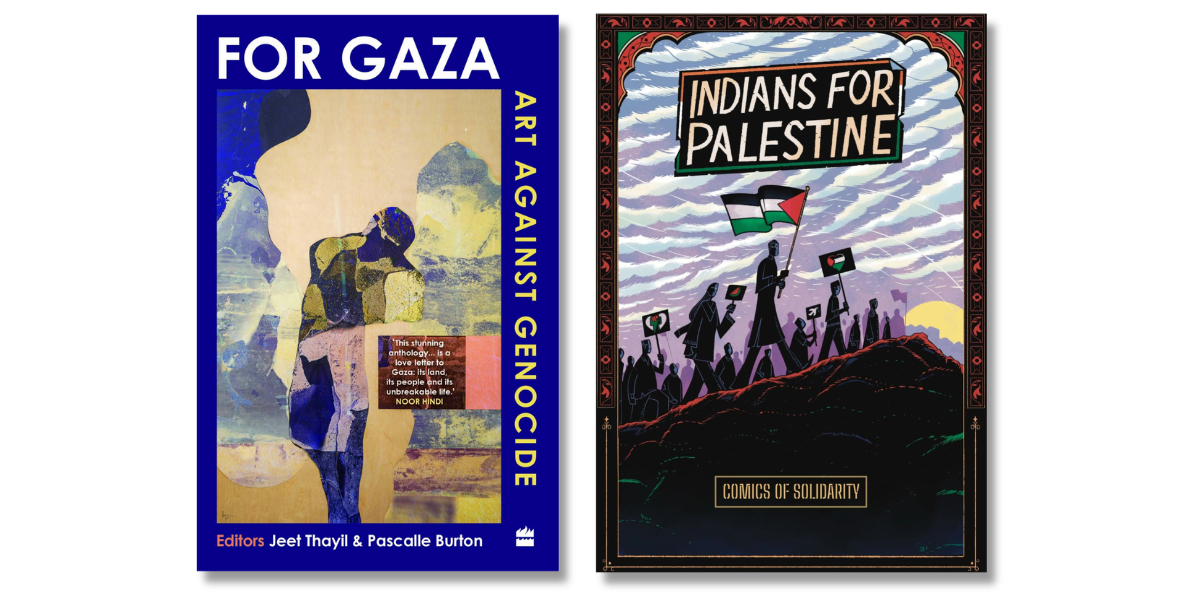
For Gaza, edited by Pascalle Burton and Jeet Thayil (Fourth Estate India, October 2026), brings together fiction, poetry, essays, reportage, photography and other forms of artistic expression in solidarity with Palestine. Featuring contributions from artists in Gaza and writers across the world, the anthology bears witness to the genocide while confronting the complicity and silence that enable it.
Compiled by Sanid Asif Ali and Rahul Mohsin, and designed by Jeevanath Viswanath, Indians for Palestine: Comics of Solidarity (Studio Niyet, November 2026) brings together comics expressing solidarity with Palestine. Centred on narratives of peace and justice, the anthology explores how comics can serve as a medium for political expression and solidarity with the Palestinian cause.
Revolutionaries across the Pacific
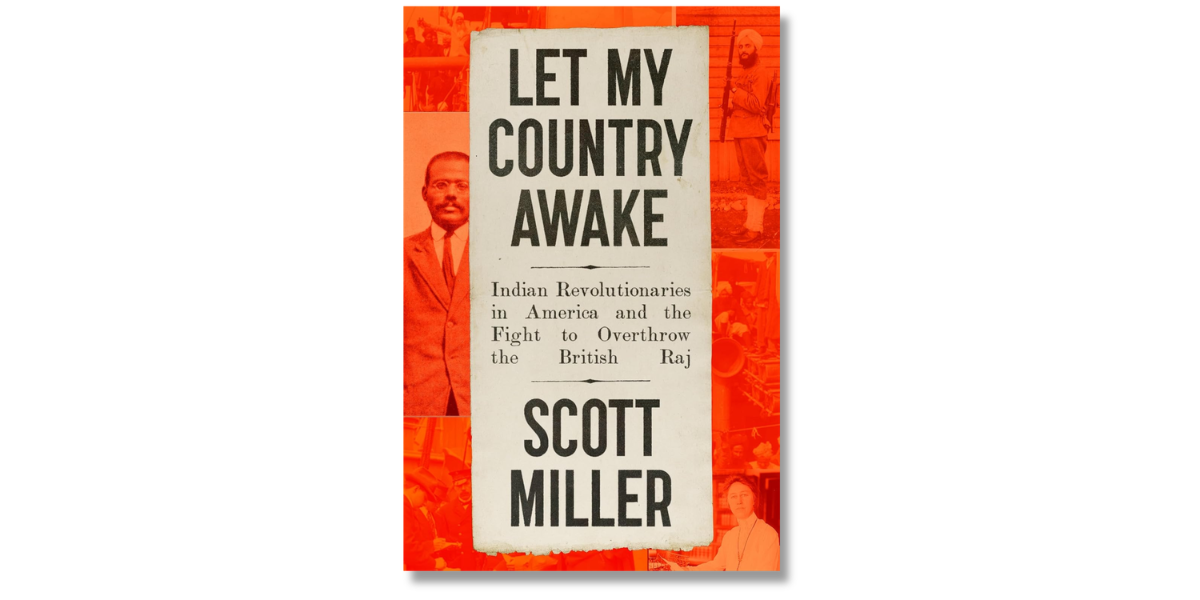
In the early 20th century, Indian revolutionaries based in North America plotted to overthrow British colonial rule from thousands of miles away. Let My Country Awake: Indian Revolutionaries in America and the Fight to Overthrow the British Raj (Farrar Straus & Giroux, October 2026) by Scott Miller unpacks the rise of the Ghadar movement, founded by Indian students and activists in California and supported by migrant workers across the United States and Canada. Drawing on the movement’s transnational networks, wartime alliances and eventual prosecution in a major US conspiracy trial, Miller recovers a lesser-known chapter in the history of anti-colonial resistance.
Uncovering the Subcontinent’s deep past
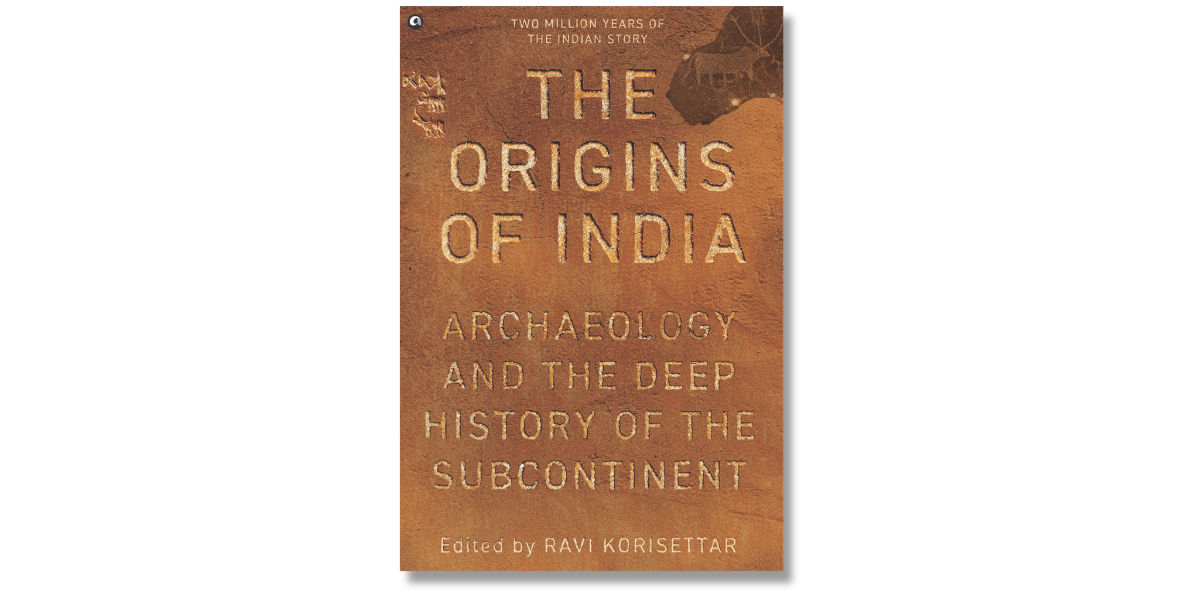
Bringing together contributions from around fifty archaeologists, The Origins of India: Archaeology and the Deep History of the Subcontinent, edited by Ravi Korisettar (Aleph Book Company, October 2026), surveys new research into the region’s past, from early human populations and prehistoric cultures to the Indus Valley Civilisation and the rise of early cities. The essays explore debates over ancient trade networks, agricultural practices, migration, urbanisation and archaeological work, highlighting how new evidence continues to reshape our understanding of the Subcontinent.
📖 From the Himal archives: The journalist Sowmiya Ashok discusses how the Keeladi archaeological excavations in Tamil Nadu have become a symbol of Tamil identity and a flashpoint in wider battles over India’s past.
New Southasian fiction
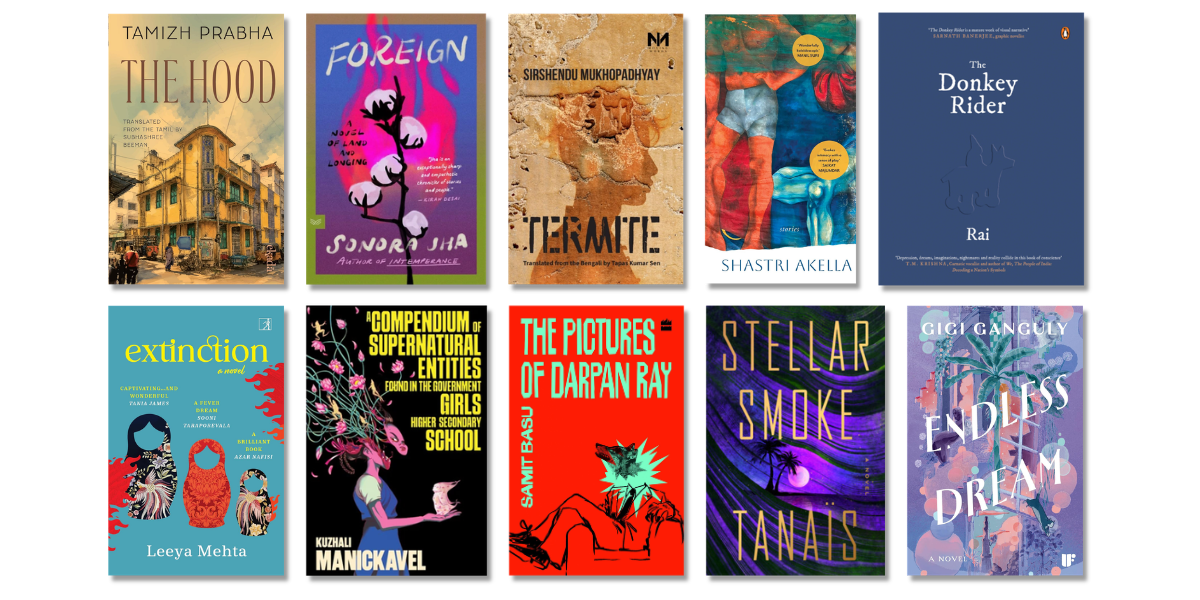
This month’s Southasian fiction offerings move between stories of caste and belonging, with detours into the supernatural and imagined futures shaped by technology.
Chennai’s Chintadripet, a historic weavers’ colony transformed into a neglected urban neighbourhood, is the setting for Tamizh Prabha’s The Hood, translated from the Tamil by Subhashree Beeman (Ekadā, October 2026). Set in the 1980s, the novel follows families navigating poverty, caste marginalisation and changing religious politics, offering a portrait of a community often overlooked in accounts of the city.
In Sonora Jha’s Foreign (HarperCollins India, October 2026), Katya Misra travels from Seattle to India to retrieve her runaway teenage son, only to find him in a village grappling with corruption and an agrarian crisis. As their lives become entangled with those of a local farmer and his family, the novel explores privilege and the obligations we have to others.
Sirshendu Mukhopadhyay’s Termite, translated from the Bengali by Tapas Kumar Sen (The Antonym Collections, October 2026), follows Shyam, whose resignation from his job sends him spiralling from respectability into alienation and despair in 1960s Kolkata. As memories of past success mingle with strange visions, the novel offers a portrait of a man struggling to find meaning.
In A Queer Shade of Saffron (HarperCollins India, October 2026), Shastri Akella’s short stories explore queer lives across India, from pre-Partition Punjab to small-town Gujarat. With intimacy often set against entrenched hierarchies of caste and patriarchy, the collection considers how desire can become an act of defiance.
The artist Rai’s The Donkey Rider (Penguin India, October 2026) imagines a town shaped by a sprawling prison, where a lawyer defending death-row prisoners and a man awaiting execution confront questions of guilt, blame and capital punishment. Blending magic realism and memory, the graphic novel draws on investigative research by The Square Circle Clinic to probe the workings of India’s justice system.
The supernatural takes centre stage in Leeya Mehta’s Extinction (Simon and Schuster, October 2026), in which Leila uncovers a family secret after her grandmother’s death, beginning with a mysterious metal box guarded by a white tiger spirit. Spanning three generations of a Parsi family, the novel blends gothic fantasy, buried histories and the possibility of healing.
In Kuzhali Manickavel’s A Compendium of Supernatural Entities Found in the Government Girls Higher Secondary School (Blaft Publications, October 2026), an outsider named Thamarai discovers a notebook cataloguing paranormal phenomena at her school in a small Tamil Nadu town. What begins as a dreary school life marked by isolation gives way to the possibility of escape in this blend of fantasy and dark academia.
Samit Basu reimagines Oscar Wilde’s The Picture of Dorian Gray in The Pictures of Darpan Ray, a darkly comic novel set in the worlds of Bollywood, streaming and artificial intelligence. When a director turns a young actor into the centre of an obsessive artistic experiment, questions of beauty, ambition and art and commerce come to the fore.
Technology and family secrets converge in Tanaïs’s Stellar Smoke (Dutton, October 2026). When musician Qamar returns to her childhood island home to confront her estranged mother’s disappearance, she encounters an artificial consciousness designed to reconstruct her mother’s life. The novel blurs the boundaries between human and machine, past and present.
Finally, Endless Dream by Gigi Ganguly (IF, October 2026) imagines a future in which humans, animals and artificial intelligence negotiate new forms of coexistence. Spanning millennia, its interconnected stories explore companionship, consciousness and what it might mean to live in a world where intelligence is no longer exclusively human.