I’m writing with a sense of déjà-vu, having followed updates from Nepal over the past week as they swore in a new prime minister. News of the string of arrests and ambitious action plans bear more than a passing resemblance to Sri Lanka after the 2022 protests brought about political change (as did Oli’s eleventh hour hospital check-in – Sri Lankans being well acquainted with the delicate health of our policymakers, especially when faced with an arrest warrant.) Like in Sri Lanka, there’s already questions being raised about whether Balendra Shah, a relatively new face in Nepal’s politics, can really deliver the change expected by young protesters.
Read on for more about Shah’s first days as prime minister, analysis on the recently passed transgender amendment bill in India (which you all shared widely on X) and on Kashmir’s protests in solidarity with Iran and Palestine. We always seek to go beyond surface level in the stories we bring you, and that takes time and effort. So help power our reporting by becoming a paying supporter, so we can keep bringing you an insider’s view of Southasia.
To contribute more, visit himalmag.com/support-himal.
This week in Himal
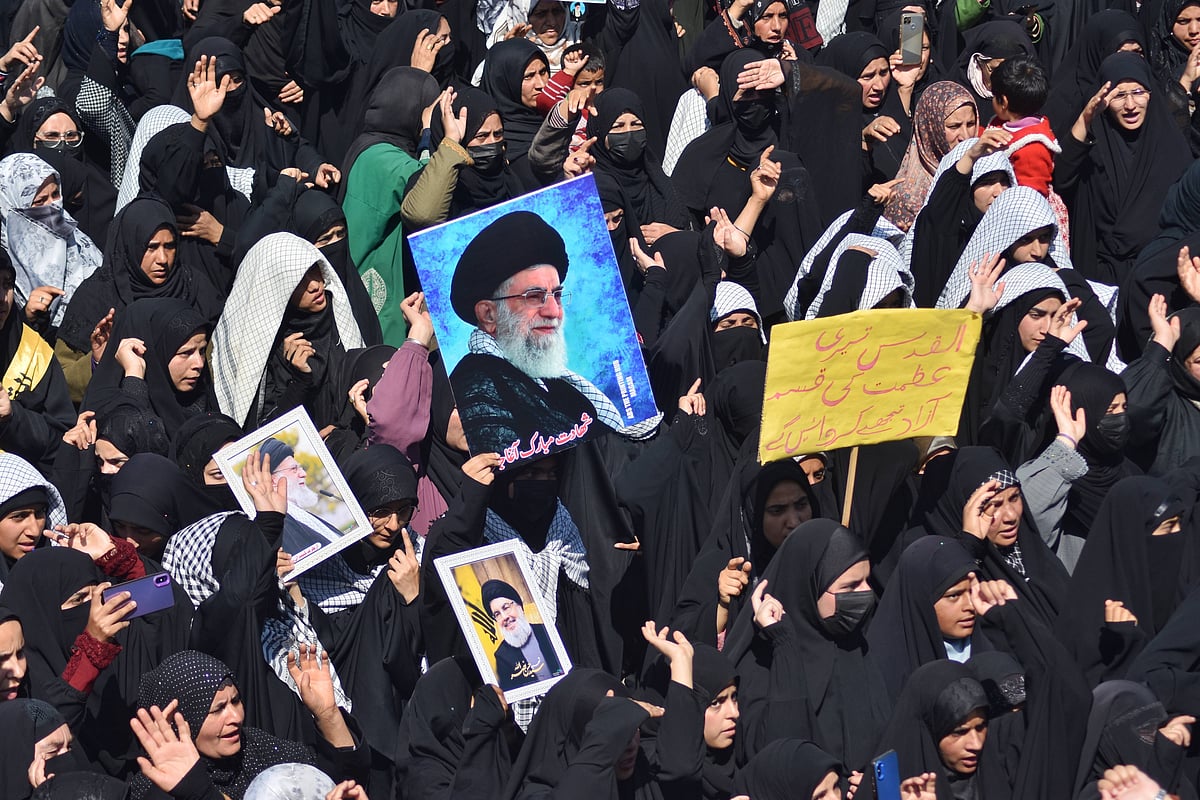
Anuradha Bhasin writes that while recent (and rare) protests in India-administered Kashmir over Gaza and the Iran war express international solidarity, they also reveal resistance to the Indian state amid its repression and growing ties to Israel.
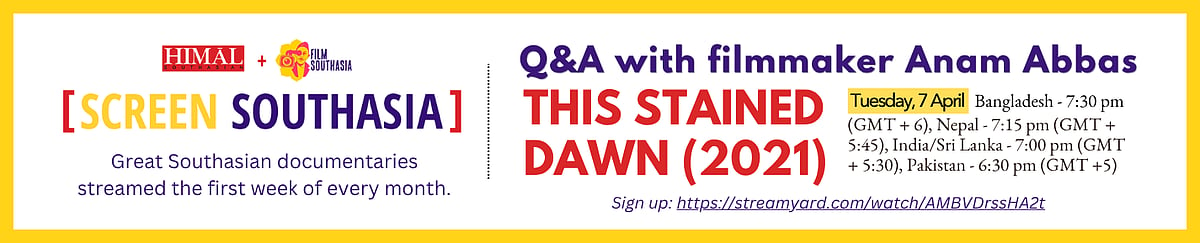
Coming up on 7 April at 7 pm IST, we’ll be hosting a Q and A with Anam Abbas, director of This Stained Dawn, a documentary about the organising of the 2020 Aurat March in Pakistan, as part of Screen Southasia, our monthly documentary screening in collaboration with Film Southasia. Click here to register!
Also read: Himal Interviews: The decades-long erosion of the idea of India
Also read: India’s giant step backwards on transgender rights
This week in Southasia
Nepal’s new prime minister goes on the offensive
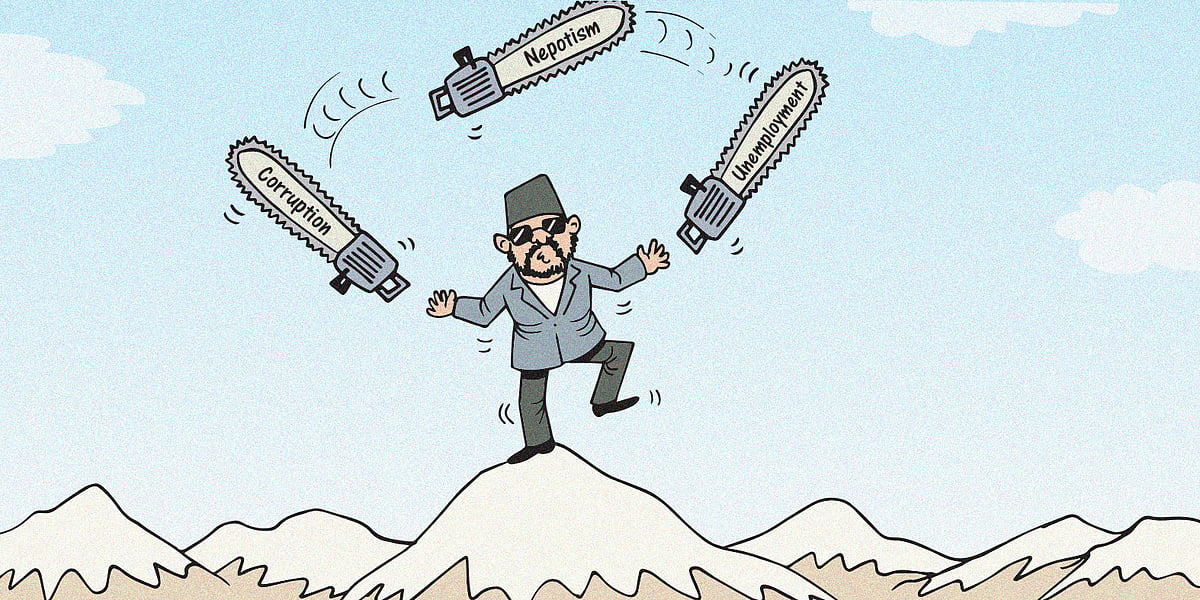
On 28 March, Nepal’s police arrested former prime minister K P Sharma Oli and former home minister Ramesh Lekhak for their role in the deadly crackdown on protesters in September last year. The arrests came a day after Balendra Shah of the Rastriya Swatantra Party was sworn in as prime minister, in the first election held since the protests, and after the leak of a commission report led by former judge Gauri Bahadur Karki making ambitious recommendations, including a criminal investigation into Oli and Lekhak. As part of his own 100-point reform plan, Shah also announced that the government would formally apologise to Dalit and historically marginalised communities within 15 days and work towards rehabilitation, reconciliation and social justice.
RSP’s sweeping victory of 182 seats in the 275 member parliament was seen as a vote for change from the traditional political establishment. Shah now faces the challenge of meeting the expectations of youth-led protesters, who called for an end to corruption, nepotism and economic stagnation. Already, some of Shah’s proposals have sparked debate, including a ban on politically-affiliated student unions in favour of non-partisan student councils. Members of the Communist Party of Nepal (Unified Marxist-Leninist) have erupted in protest at the arrest of their chairman. Shah’s swearing in was also accompanied with religious pomp and ceremony, which raised concerns about potential challenges to Nepal’s secularism, especially given a rap song he released the day before that was packed with Hindu-coded messaging even as he claimed to stand for national unity.
Elsewhere in Southasia:
- India to kick off housing census for the first time in 15 years, to include data on caste, live-in relationships; population tallies due to take place in February 2027
- UN World Food Program announces revised food aid tier system for Rohingya refugee camps in Bangladesh based on ‘severity’ of need, with 17 percent of population seeing their stipend slashed from USD 12 to USD 7, raising concerns of food insecurity
- At least 45 people die after floods, landslides in Pakistan and Afghanistan as representatives from the two countries convene in China for ceasefire talks
- Foreign Ministers from Egypt, Turkey and Saudi Arabia arrive in Islamabad for talks on US-Israel-Iran war
- Police in Chhattisgarh, India declares Sukma district “Naxal-free” after two women surrender as India continues its anti-Naxal drive in the state
- Four children lose their lives in 24 hours amidst measles outbreak in Bangladesh, bringing death toll to 44 since January 2026
- Russian deputy foreign minister visits India, discusses strategic partnership after resumption of Russian oil purchases; meeting held ahead of BRICS summit scheduled for May
- Military chief Min Aung Hlaing elected vice president by lower house and nominated for Myanmar presidency, former intelligence chief Ye Win Oo appointed commander-in-chief of army after military-backed USDP win in January parliamentary elections
- Cricketer Naseem Shah fined 2o million rupees by Pakistan Cricket Board for critical social media post about Punjab Chief Minister Maryam Nawaz’s presence at opening match despite ongoing fuel crisis
- Maldivian UN representative Salma Rasheed co-sponsors resolution condemning Iran’s attacks on Gulf states
- Pakistani singer Meesha Shafi ordered to pay PKR 5 million to Ali Zafar on grounds of defamation for social media posts, interviews after she accused him of sexual harassment; seen as setback for #MeToo movement
- Iran permits passage of 20 Pakistani, six Bangladeshi oil vessels through Strait of Hormuz amidst war in West Asia; India listed among friendly nations
Revisit the below archival stories from Himal adding more context to this week’s news updates from India and Bangladesh
Also read: India needs a caste census – and Southasia does too
Also read: A Rohingya photographer’s dispatch on food-aid cuts in the refugee camps
Also read: India’s deadly war on Naxalites and Adivasis in Chhattisgarh
Snap Southasia
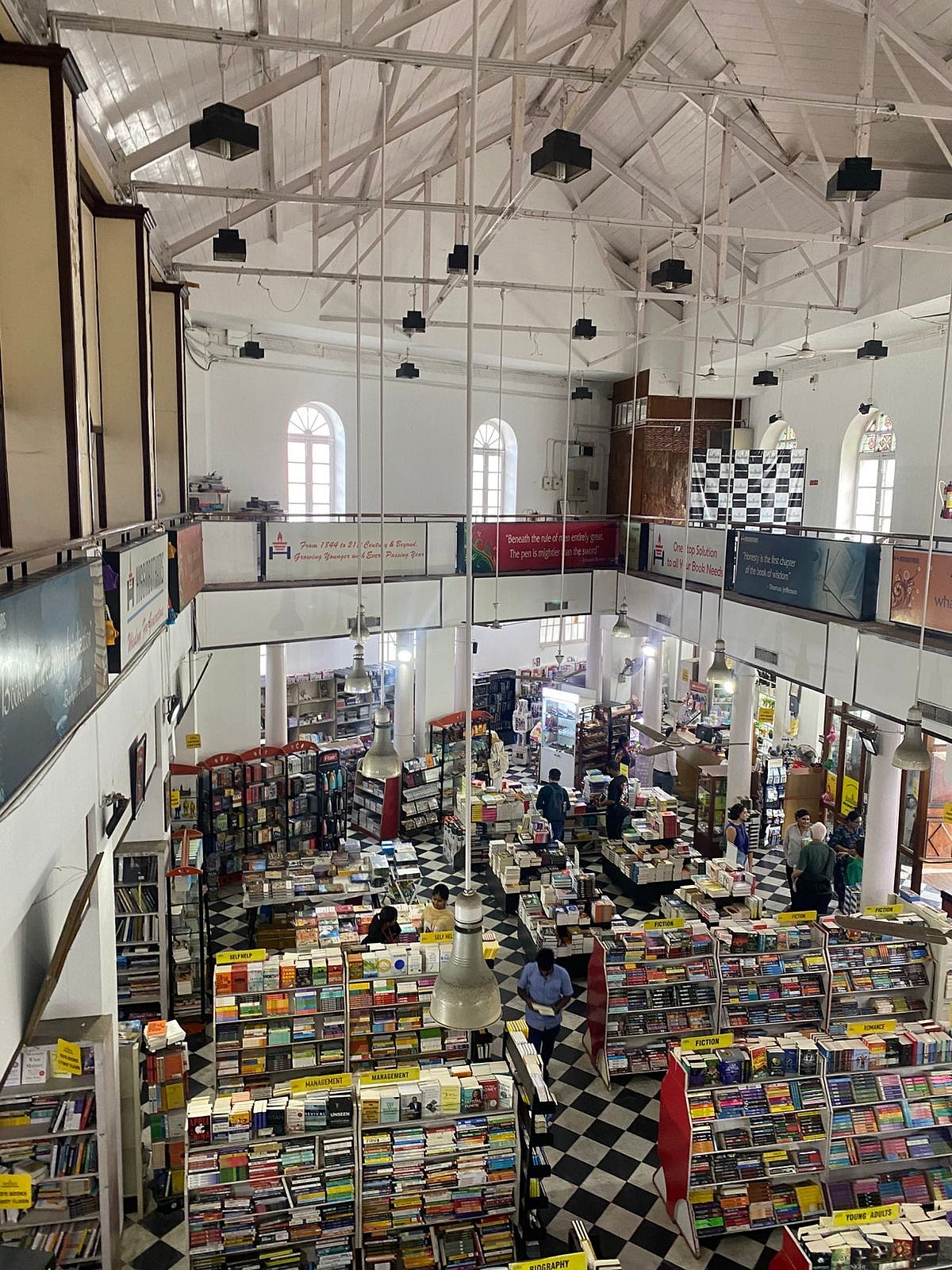
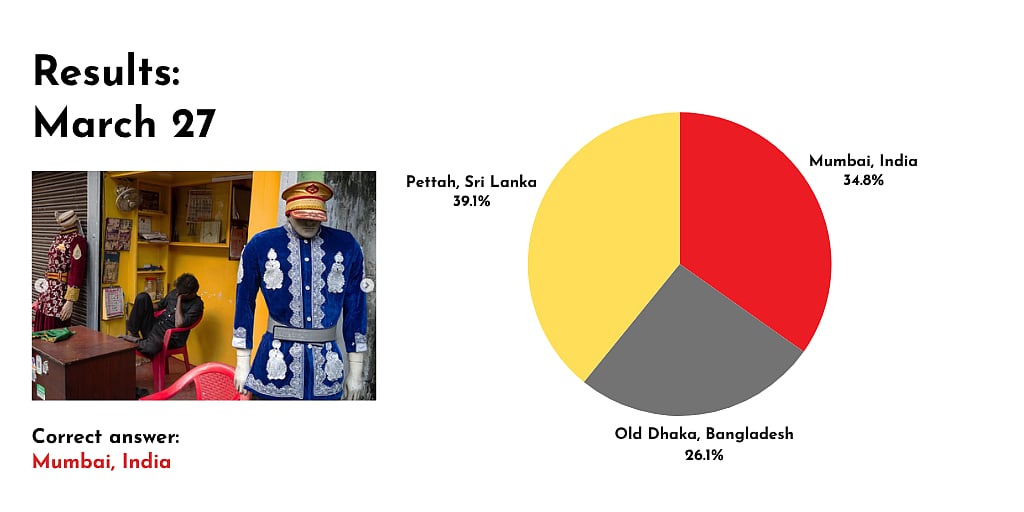
Where in Southasia is this image from? Click on your guess below (and check in next week to see if you guessed right!)
Pilgrims Book House, Kathmandu
Higginbothams, Chennai
Liberty Books, Karachi