There was little question of what we’d be spotlighting this week, as news broke that activist Mahrang Baloch was sentenced to life in prison over a speech she made during a rally in which a paramilitary soldier was killed. Baloch’s longtime advocacy prompted by her own father’s death reminds me of Sandya Ekneligoda in Sri Lanka, Sarita Devi Sharma in Nepal, and Hazera Khatun in Bangladesh, all vocal activists against enforced disappearances whose stories are often obscured, as their lives are a reminder of conflict, political instability and state or media repression in their home countries. While much of the world continues to watch the negotiations in the war in West Asia, we’re pausing to look at what Baloch’s sentencing means. This week, we have T M Krishna on the rise of Vijay in Tamil Nadu politics, unpacking Pakistan’s new role as a mediator in the war in West Asia, and more. Scroll below to catch up with this week’s news.

Independent journalism that surfaces hidden stories is hard, and needs resources and support. That’s where you come in. We're offering 20 percent off all Patron plans this month to celebrate turning 39 - don't miss out!
|
Raisa Wickrematunge
Senior Editor, Himal Southasian
|
This week in Himal

Indian musician, activist and political commentator T M Krishna writes about the rise of Vijay, noting that Tamil Nadu’s chief minister remains an enigma defined by “punch dialogues” rather than ideological clarity.
For Screen Southasia, we’ll be streaming Riyalists (2021) by Kesang Tseten, a documentary about Nepali labour migration in the Gulf, from 1-8 July. If you want to receive the screening link, just log in to our site for free and check the 'Screen Southasia' option in newsletters to receive it straight to your inbox!
The Southasia Review of Books podcast is back! Click below to watch the first episode featuring Associate Editor Shwetha Srikanthan in conversation with acclaimed comic-journalist Joe Sacco – and stay tuned for more!
 Shwetha Srikanthan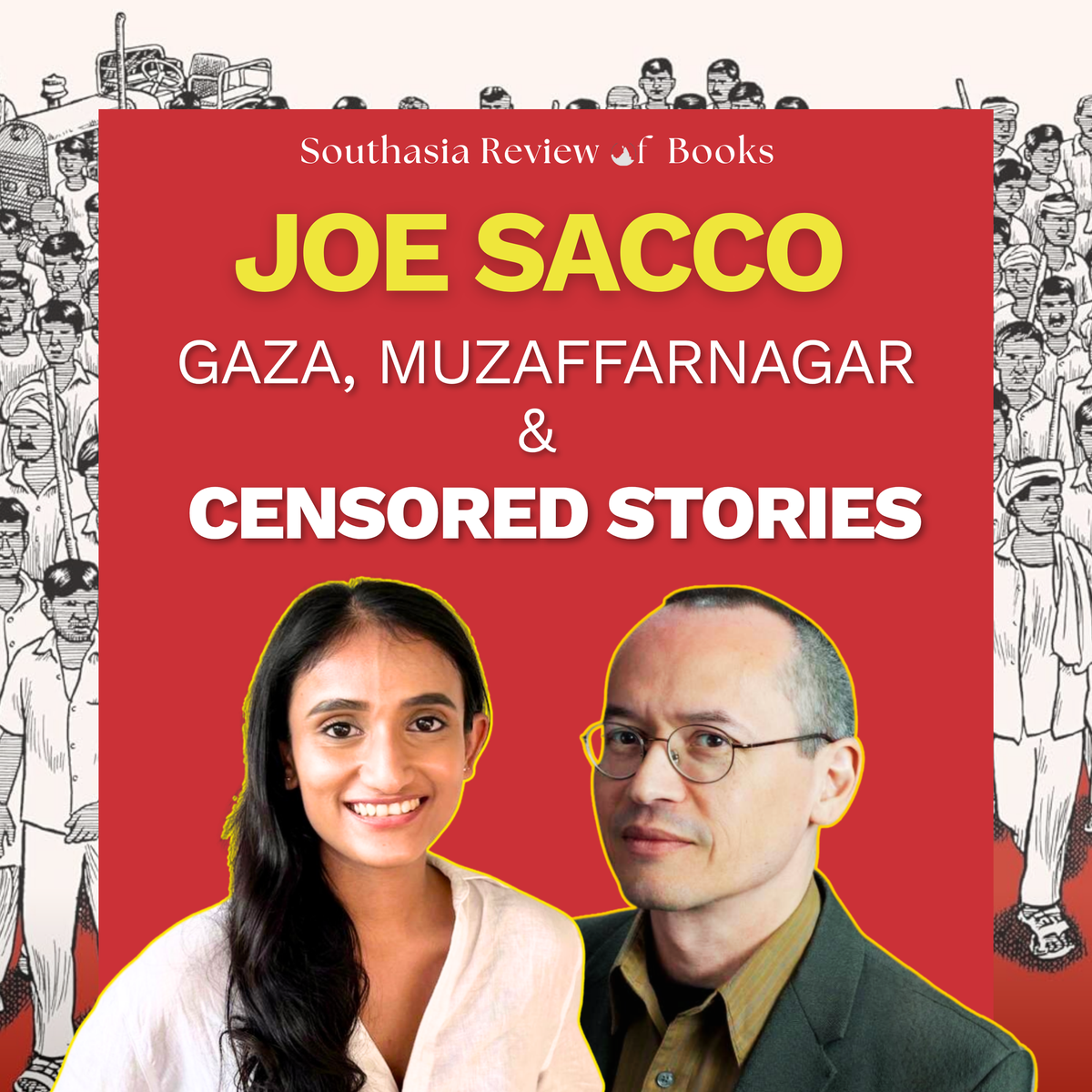
 Aasim Sajjad Akhtar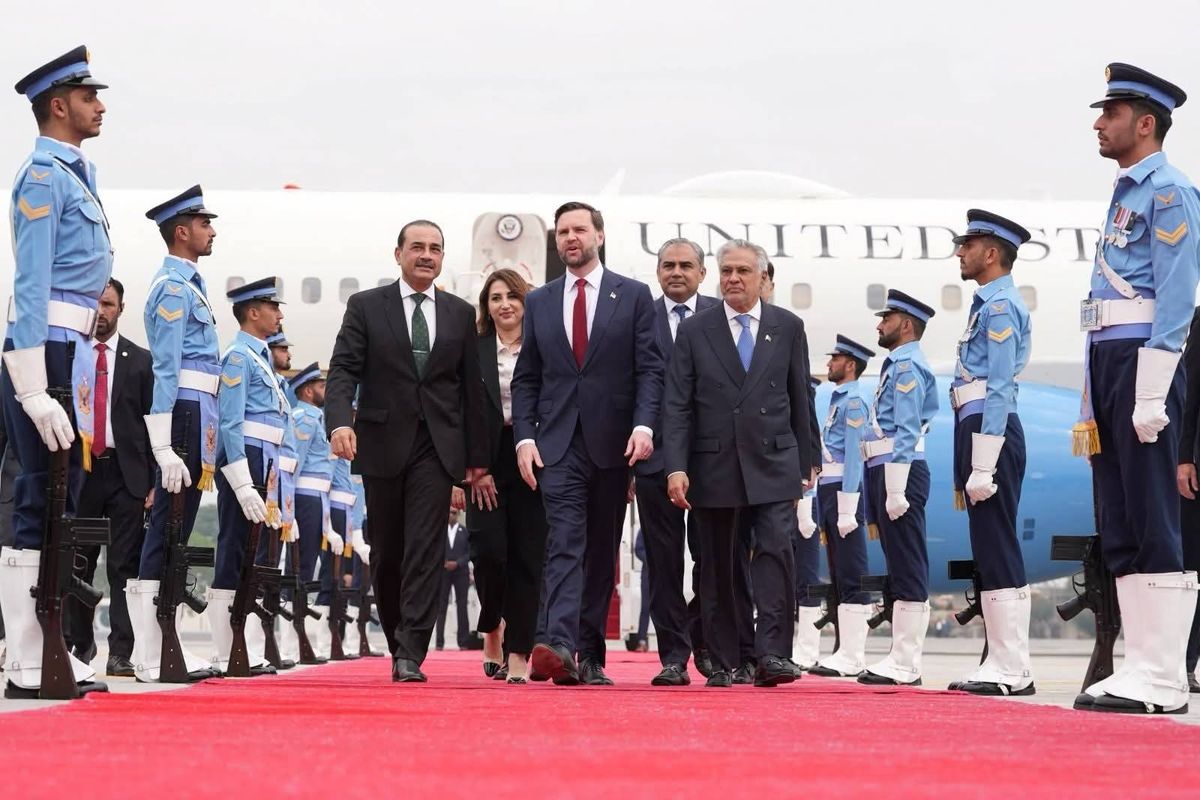
This week in Southasia
Mahrang Baloch’s life sentence and Pakistan’s diplomatic overtures
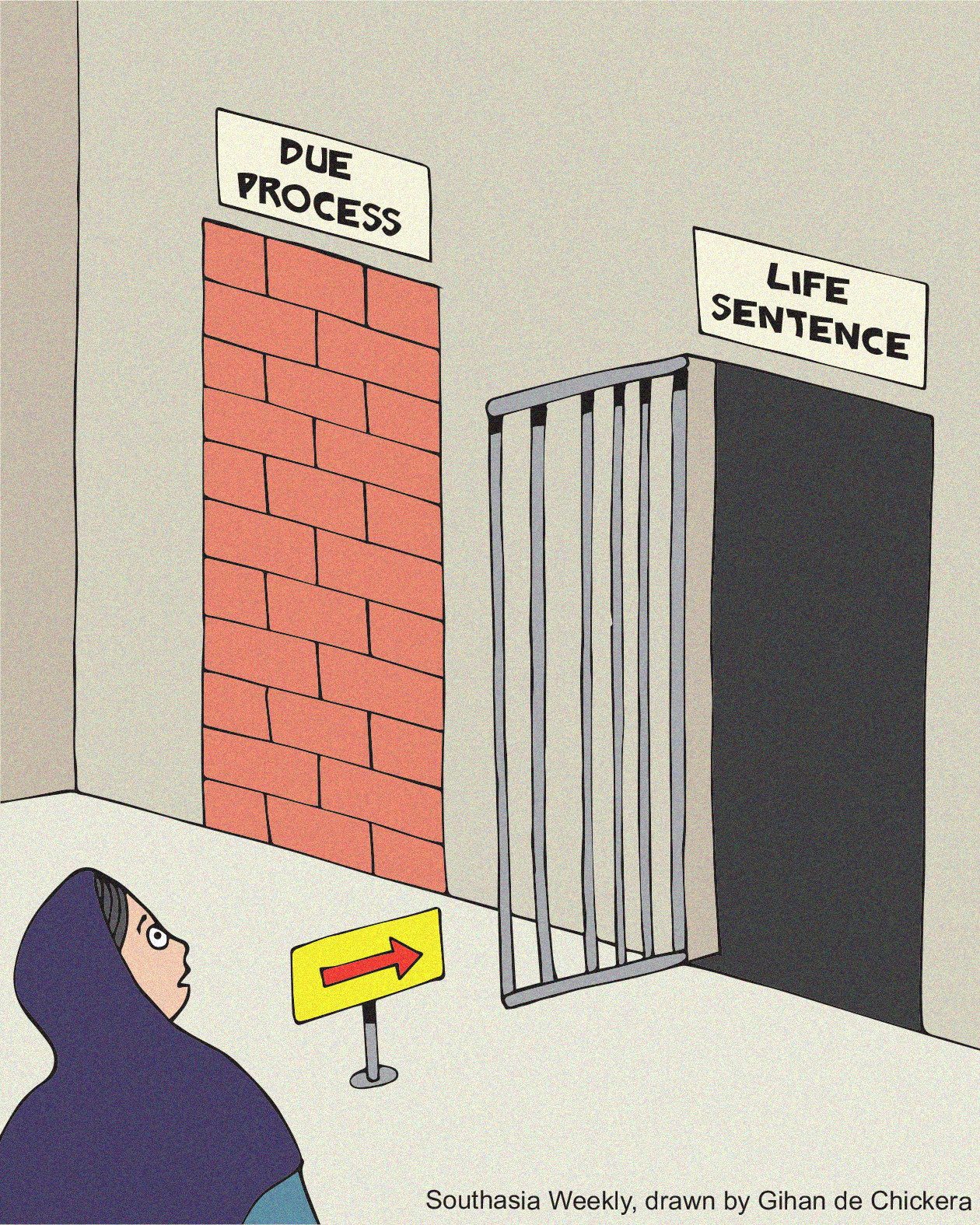
On 22 June, Pakistan’s Anti Terrorism Court handed down life sentences to human rights activist and leader of the Baloch Yakjehti Committee, Mahrang Baloch and fellow activist Sibghatullah Shah Jee over their role in the killing of a paramilitary soldier during a July 2024 protest. Baloch was accused of “very provocative speech” during the protest in the port town of Gwadar, after which a group attacked one of the soldier’s vehicles. Both activists rejected the verdict, saying they had been denied due process in the trial.
Baloch has become a symbol of non-violent resistance as a woman activist who has spent years campaigning against enforced disappearances in Balochistan, alongside Shah Jee. Balochistan saw a surge of violence in May, largely at the hands of separatist groups. The cycle of violence continues even as Pakistan’s president has been positioning the country as a mediator in the US-Iran talks, with Iran’s President Masoud Pezeshkian landing in Pakistan for a state visit. While India found itself wrongfooted in the war in West Asia, the country is hosting key summits, such as the BRICS national security meeting, and building ties with Nordic countries and the United Arab Emirates in a bid to offset cooling US relations. But for both countries it remains to be seen whether these diplomatic overtures will see Southasia take centre stage as negotiators.
Elsewhere in Southasia:
- Six journalists from Bangladesh daily newspaper Agrajatra Pratidin charged under 2026 Cyber Security Act after reporting on corruption of state minister for Local Government, Bogura press club treasurer claims defamatory reporting, extortion
- European Union hosts Taliban officials in Brussels to discuss asylum-seekers, marking first engagement with Taliban government since 2021 coup, sparking backlash from human rights groups
- At least 26 supporters of banned Bangladesh political party Awami League arrested at street protest on 77th anniversary of party’s founding as ousted Prime Minister Sheikh Hasina remains in exile
- Members of newly founded Cockroach Janta Party stage sit-in demanding resignation of education minister in New Delhi as court rejects appeal by Telegram app over temporary ban after state medical exam irregularities
- Bangladesh Prime Minister Tarique Rahman visits China, plans to purchase 24 fighter jets in bid to deepen defence ties with Beijing
- Woman denied police assistance, received inadequate medical care after gang rape in Bihar, re-opening conversation about impunity around sexual violence in India
- At least seven killed in roadside bomb blasts in Khyber Pakhtunkhwah, Pakistan
- Human rights group report flags over 5000 people remain in scam centers controlled by Myanmar militia despite recent crackdown
- Kathmandu government orders families displaced by recent demolition drive to leave temporary holding centers by 26 June without offering permanent resettlement plan beyond rent payments for three months
- Sri Lanka sees surge in dengue fever cases, more than 44,000 cases and 28 deaths since January this year, straining public hospital’s resources
- Released Adhadhu journalist Mohamed Shahzan shares eyewitness account and notes after 15 days in detainment, flags sanitation lapses and inadequate healthcare facilities in two prisons in the Maldives, while prison guards attempted to confiscate his notes
- Former Nepali finance minister Bishnu Prasad Paudel arrested on corruption charges as Nepal vows crackdown on previous administration’s abuses of power
Revisit the below archival stories from Himal adding more context to this week’s news updates from Pakistan, Bangladesh, and Afghanistan
 Jamaima Afridi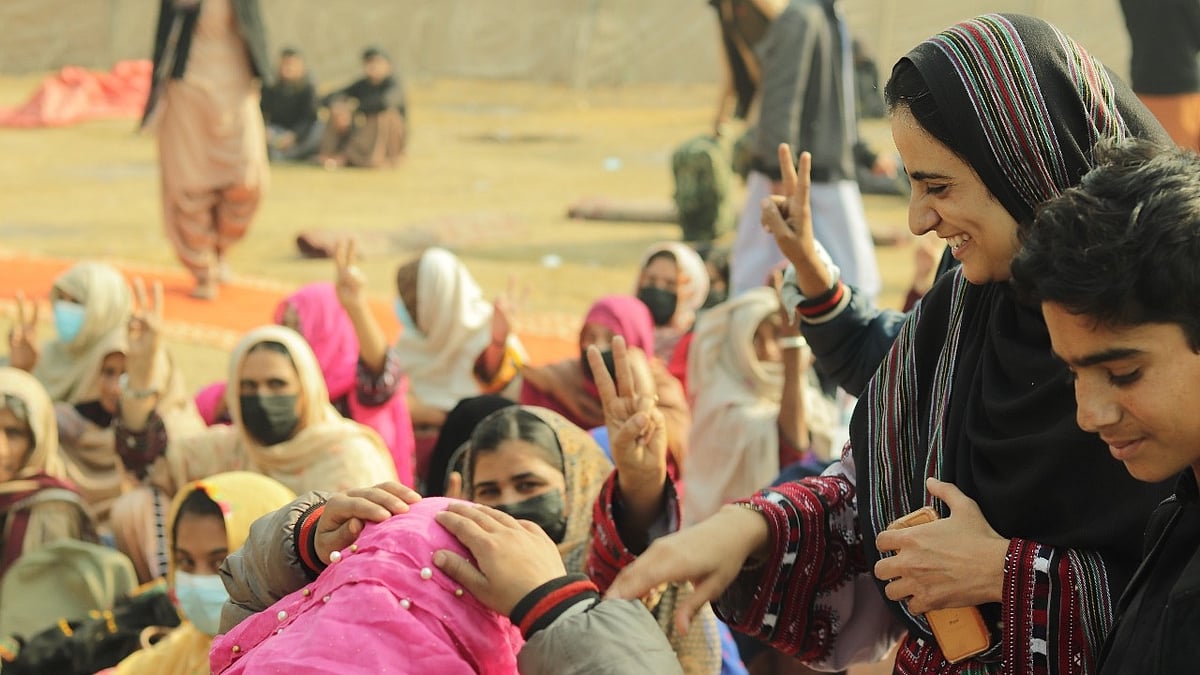
 Cyrus Naji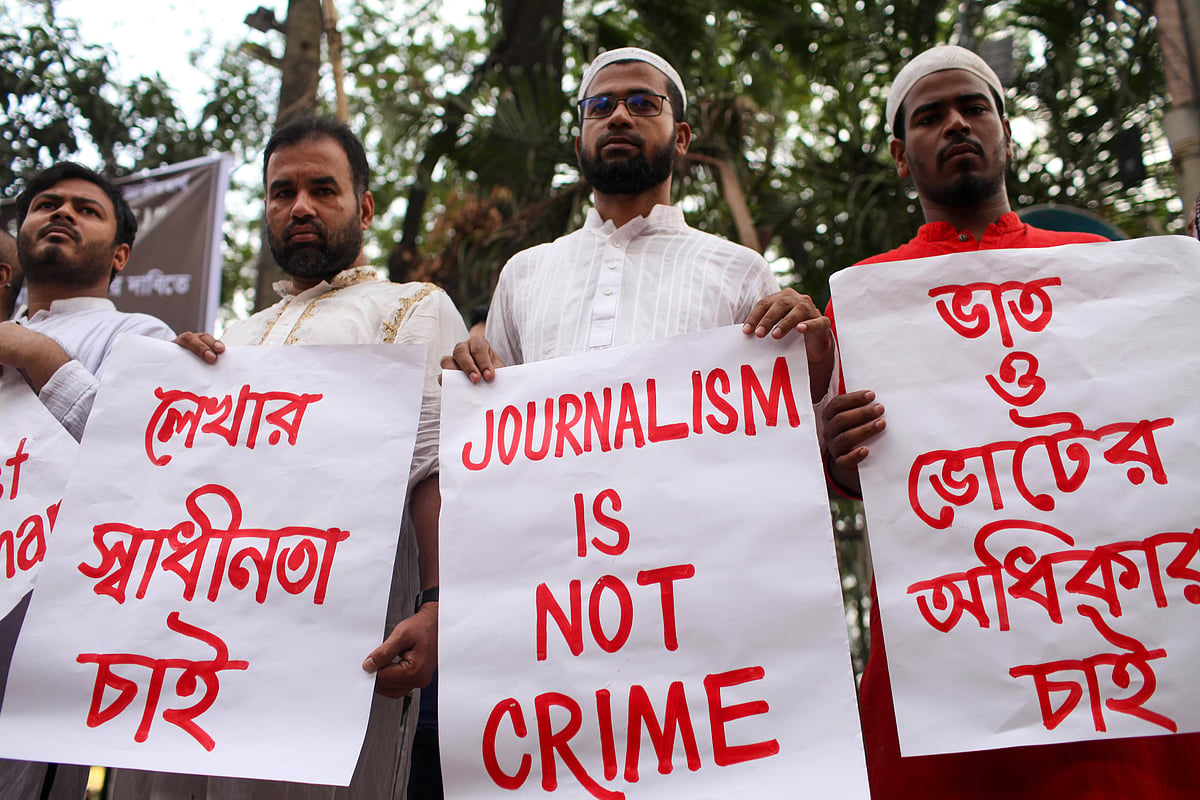
 Muneeb Yousuf
Snap Southasia