Just last week, we covered Pakistan’s air strike on a drug rehabilitation centre in Afghanistan. This week, Pakistan has again come under the spotlight as a mediator between the US and Iran. Scroll on to read more about how this happened, and what it means for the region even as Southasians continue to grapple with price hikes and shortages.
In case reading about war and impending fuel shortages is too stressful, strive to achieve inner peace by reading about Buddhism’s transformation from India to China, Japan and Korea in our article this week, which many of you loved over on X (and please tell me how you achieved it if you succeeded 🫠) Another bright spot in my week has been reading about the passion and enthusiasm of all the people who have been applying for an Associate Editor and Assistant Editor position at Himal. We’re glad to see some of you talk about the stories that inspired you to send in your application to us (more details here if you want to apply!) and about your belief in the need for independent, Southasian journalism. We need fellow believers, and supporters too. So if you want to help power our journalism, make sure you sign up to our Patron programme and support our work.
To contribute more, visit himalmag.com/support-himal.
This week in Himal
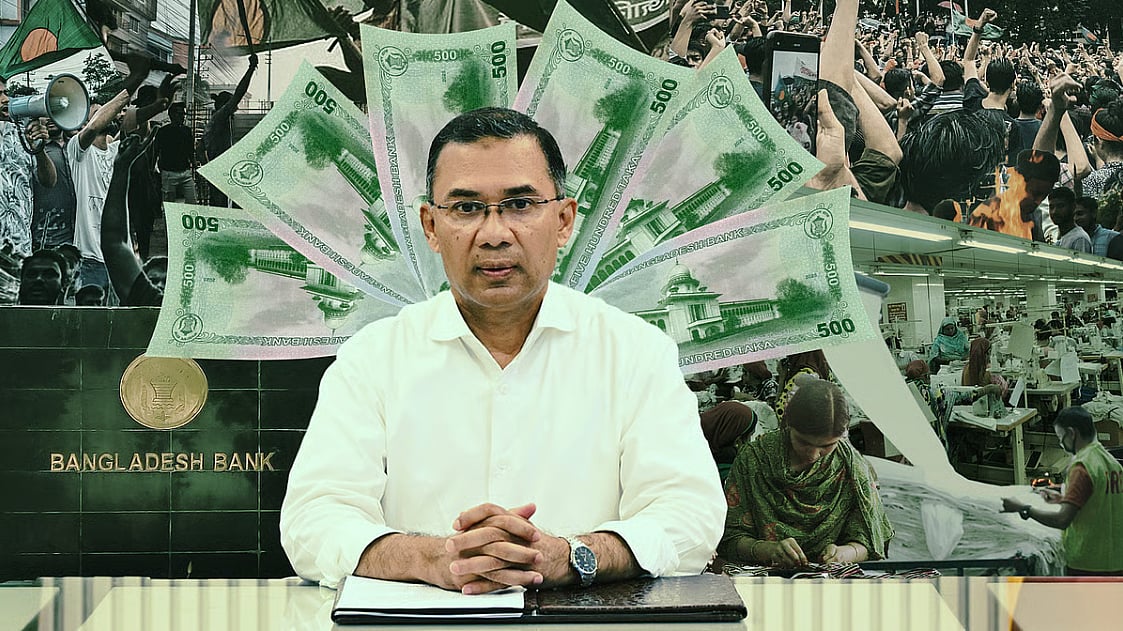
Faisal Mahmud writes that the Bangladesh Nationalist Party’s real test lies in righting Bangladesh’s beleaguered economic woes, with the economy now dictating political survival.
Also read: The demise of Buddhist philosophy in Southasia and its journey to the east
This week in Southasia
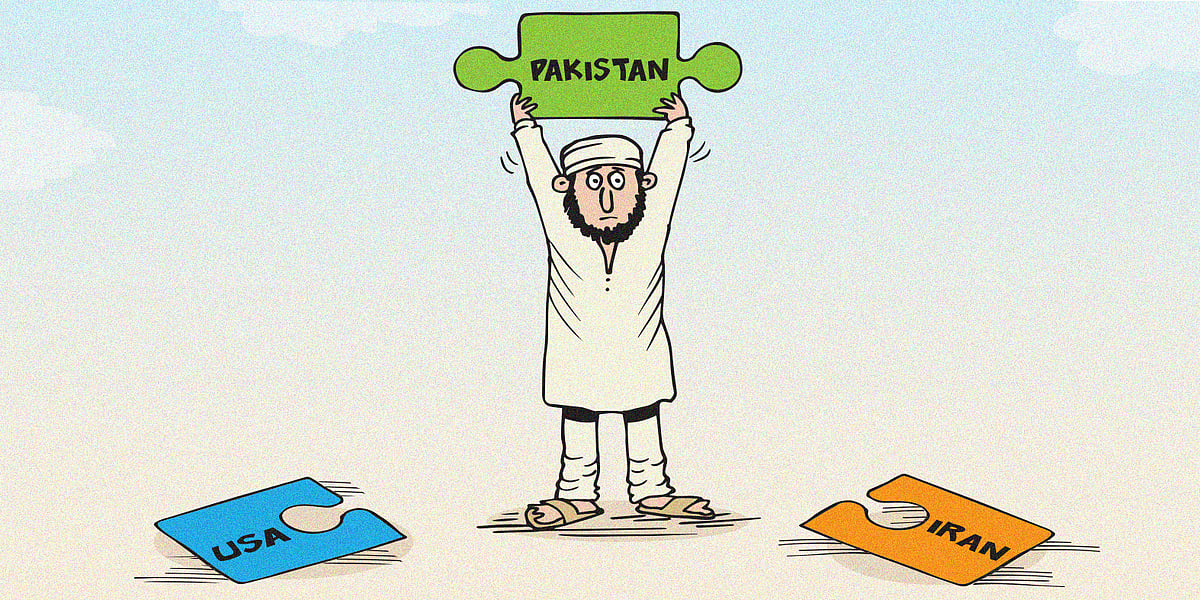
Pakistan emerges as a surprise mediator in the war in West Asia
In the past week, Pakistan has stepped forward as an intermediary between the US and Iran as the war in West Asia continued. Reports confirmed that the US presented a 15-point peace plan to Iran via Pakistan, while Pakistan’s Foreign Ministry said the country was ready to host peace talks. Iran has already rejected the US plan and issued its own counter-proposal, even as US President Donald Trump maintains that talks are underway.
Pakistan’s role as a mediator is jarring given the country’s ongoing airstrikes on Afghanistan – on 22 March, two civilians died after Pakistan fired artillery shells into Kunar Province in northeast Afghanistan, ending a temporary ceasefire, and last week, Pakistan struck a drug rehabilitation centre in Kabul, killing hundreds. That the US used Pakistan as an intermediary to present its peace plan highlights warming relations between the two countries, and is a bid to regain regional influence and improve its standing despite waging open war.
Southasia continues to grapple with the impacts of the war, with fuel price hikes reported in Sri Lanka, Pakistan, Nepal and Bangladesh, and shortages of LPG impacting industries in India despite prime minister Narendra Modi projecting calm. Looming shortages of fertiliser and helium raise concerns around food security and essential services. Shifting diplomatic alliances may also dictate how the region mitigates these shortages.

Elsewhere in Southasia:
- India’s Lok Sabha passes Transgender Persons Amendment Bill removing the right to gender self-identification rights, leading to Opposition walk-out, civilian protests
- Bill protecting inter-caste marriage, safeguarding against crimes of ‘honour’ passed in Karnataka, India
- Leaked Karki commission report into Nepal’s Gen Z protests recommends investigation into former prime minister K P Sharma Oli, Home Minister and Inspector General of Police for negligence, legal action against top security officials for role in September 2025 violence that left 19 dead
- Mumbai resident arrested by India’s Central Bureau of Investigation for trafficking Indians to cyber scam compounds in Myanmar
- 24 people die after passenger bus falls into river in Rajbari, Bangladesh
- Multiple women in Hatiya, Bangladesh allege assault, theft by members of BNP youth wing after casting vote for opposition party
- Sri Lankan president says the country rejected US request for two warplanes to land at Mattala airport amidst targeting of Iranian vessels in Indian Ocean, Sri Lanka receives visits from both US and Iran ambassadors after diplomatic fracas around stranded Iranian warships
- Bangladesh police arrest former army officer and Jatiya party minister Masud Uddin Chowdhury, key player in 2007 military intervention during political crisis to Awami League, on embezzlement charges
- Afghanistan releases US researcher Dennis Coyle, detained for over a year during Eid, after US labels Taliban government as “state sponsor of wrongful detention”
Revisit the below archival stories from Himal adding more context to this week’s news updates from Pakistan, India and Nepal
Also read: Will Pakistan make a fatal mistake backing the United States against Iran?
Also read: Nepal’s K P Oli government has murdered 19 people
Snap Southasia