

Welcome to the Southasia Review of Books newsletter, Himal’s fortnightly guide to our latest review essays and podcast conversations, alongside a selection of new books, publishing news and literary happenings from across the region.
With SaRB, we’re on a mission to give Southasian literature the spotlight it deserves. Become a paying Himal Patron to support our work!
On 7 October 2023, Hamas militants broke out of Gaza and attacked, killed and took hostage hundreds of Israelis. Israel’s ensuing assault on Gaza has since killed tens of thousands of Palestinians, displaced most of the territory’s population and unleashed a wider regional conflagration. As we approach the three-year mark, the ongoing violence has also forced difficult questions about the histories and forms of knowledge through which we understand these genocidal times. Can books shift our moral compasses? Can historical knowledge illuminate connections we have missed, or complicate the ways we understand victim and perpetrator?
These questions animate Rahul Rao’s review essay for Himal, which puts Pankaj Mishra’s The World After Gaza in conversation with Esmat Elhalaby’s Parting Gifts of Empire. Mishra searches for common ground between histories of suffering, but Rao argues that this ultimately recentres Jewish trauma while leaving Palestinian intellectual and political histories diminished. Elhalaby, meanwhile, recovers a history of Indo-Arab intellectual exchange and anticolonial solidarity – a forgotten archive that offers another way of thinking about liberation and the struggle against empire.
At it’s core, the piece asks what we might miss when the search for common ground comes at the expense of Palestinian history, and what becomes possible when we recover intellectual traditions that have long understood liberation as a shared struggle.
I hope you’ll read the review and, as always, I’d love to hear what you make of it. You can write to me at shwethas@himalmag.com.
Until next time, happy reading!
|
Shwetha Srikanthan Associate Editor Himal Southasian |
|
📚 From Himal’s pages this fortnight
Our latest reviews, literary essays and conversations
 Rahul Rao
 Shwetha Srikanthan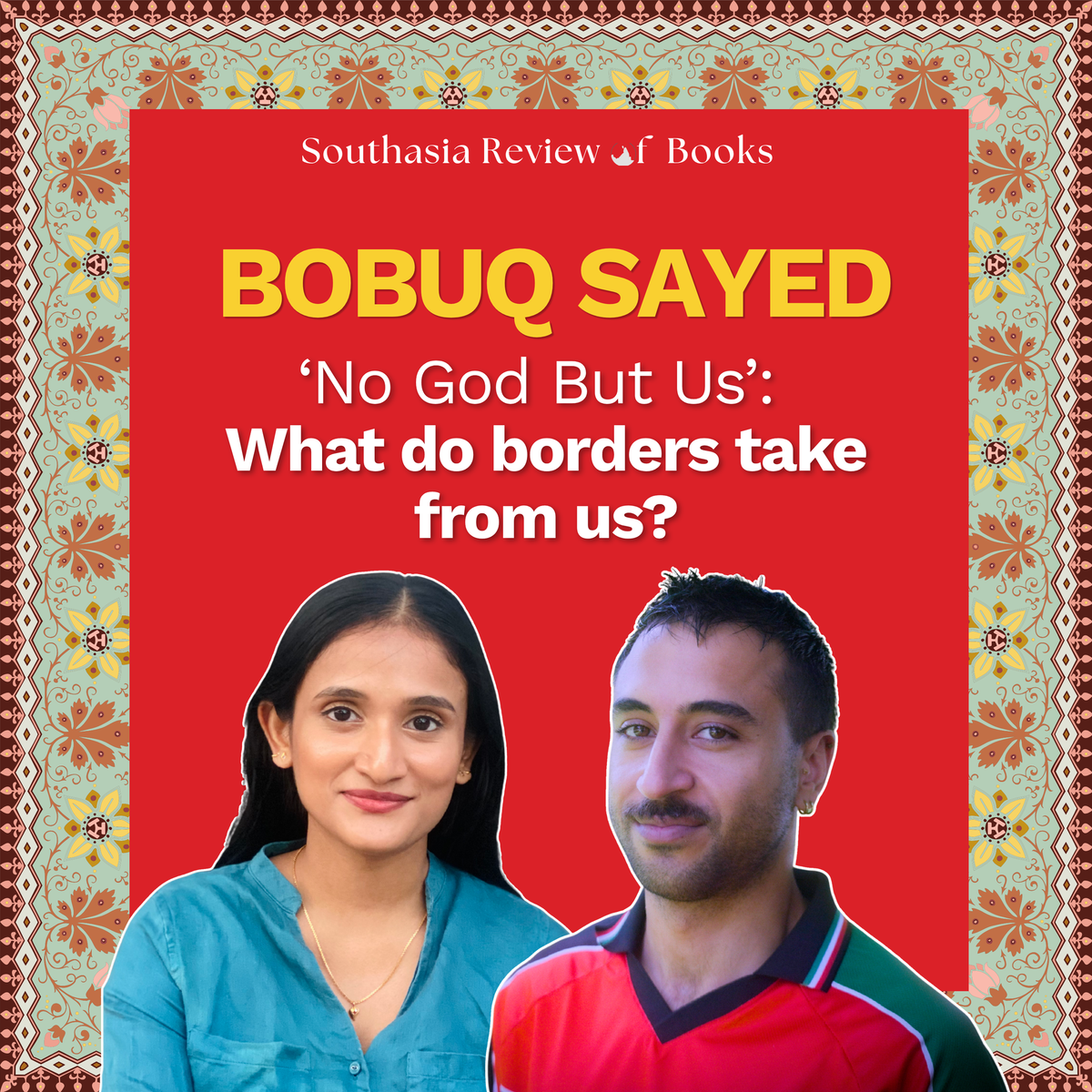
📚 Celebrating Southasian Literature
A roundup of awards and recognition for Southasian writers
The Crossword Book Awards have announced their 2026 longlists, with ten books each across Fiction, Nonfiction, Translation, Children’s, and Business and Management. Several books we’ve featured in Himal’s pages make the longlists, including Anuradha Roy’s Called by the Hills, Rahul Bhattacharya’s Railsong, Ipsita Chakravarty’s Dapaan and Snigdha Poonam’s Scamlands.
The Ramnath Goenka Sahithya Samman has also announced its longlists for 2026 across Fiction, Nonfiction and Debut, as well as a Lifetime Achievement award. The fiction list includes Amitav Ghosh’s Ghost Eye and Kiran Desai’s The Loneliness of Sonia and Sunny, while Arundhati Roy’s Mother Mary Comes to Me and Manu Joseph’s Why the Poor Don’t Kill Us feature in Nonfiction.
Meanwhile, the Kalinga Literary Festival has announced its 2026 Book Award winners across Fiction, Nonfiction, Poetry, Translation and Debut. Among the winners are Vauhini Vara’s Searches: Selfhood in the Digital Age and Zahid Rafiq’s The World With Its Mouth Open. The awards will be presented in Delhi in December.
📚 This month in Southasian publishing
New and noteworthy books from across the region
How trade paved the way for conquest
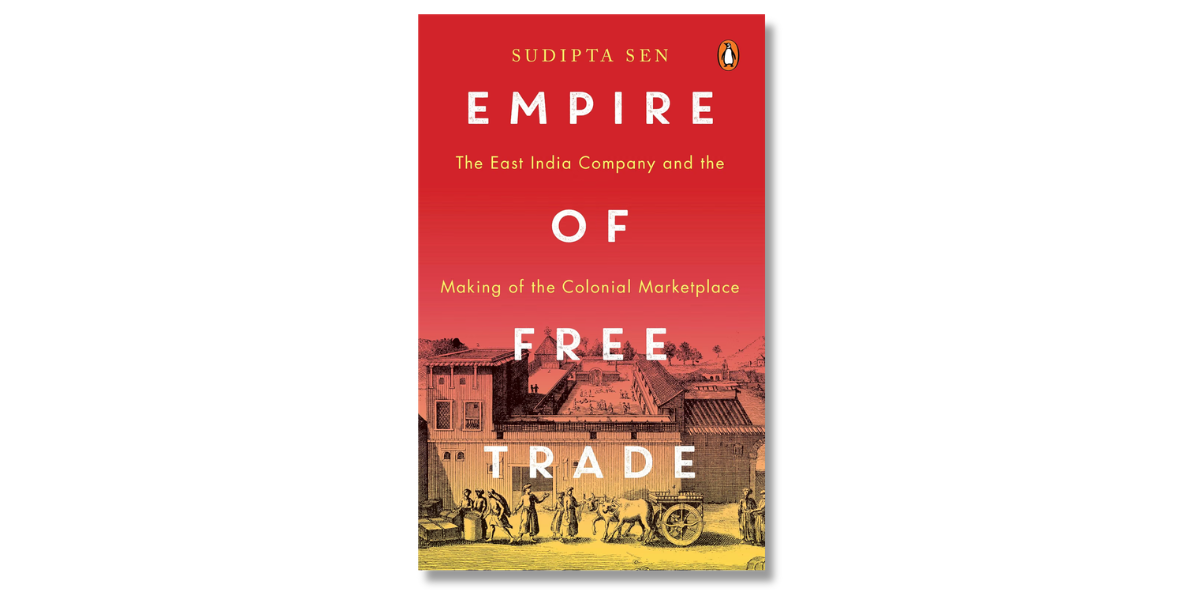
Sudipta Sen’s Empire of Free Trade (Penguin, September 2026) revisits the East India Company’s rise through the marketplaces of northern India, where intricate social, political and religious networks sustained thriving trade. Sen challenges the idea that the Company was simply a trading enterprise drawn into warfare to protect its commercial interests. Instead, he argues, it sought from the outset to dismantle indigenous networks and build its own customs, policing and state apparatuses, helping pave the way for the conquest of India.
A history of Nepal’s sovereignty
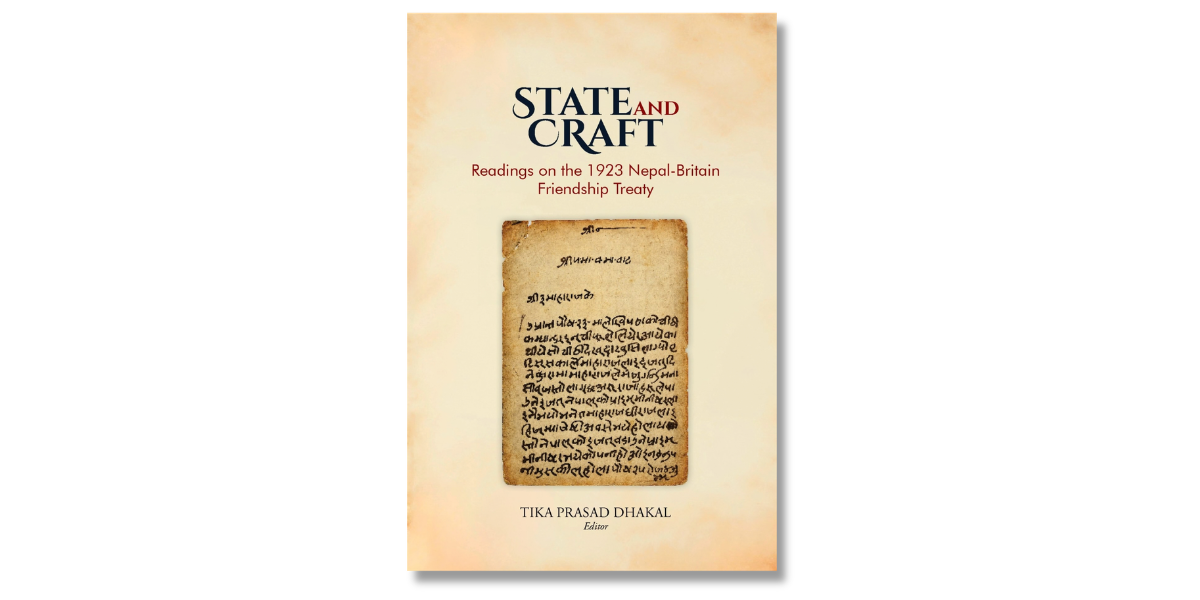
State and Craft: Readings on the 1923 Nepal–Britain Friendship Treaty, edited by Tika Prasad Dhakal (Vajra Publications, September 2026), revisits the 1923 treaty through which Britain formally recognised Nepal as an independent and sovereign state. Bringing together different perspectives, the volume challenges the idea that modern state sovereignty emerged solely from the European experience, tracing Nepal’s sovereign traditions to much earlier indigenous, geographic and economic histories. The essays here examine the treaty as a turning point in Nepal’s engagement with the international system, and how its distinct path to sovereignty endured through the colonial era.
From the Himal archives: Thomas Bell revisits a diary that sheds light on Captain Kinloch’s disastrous 1767 invasion of Nepal, offering another perspective on the country’s early encounters with British power.
An Indian reporter sees the world
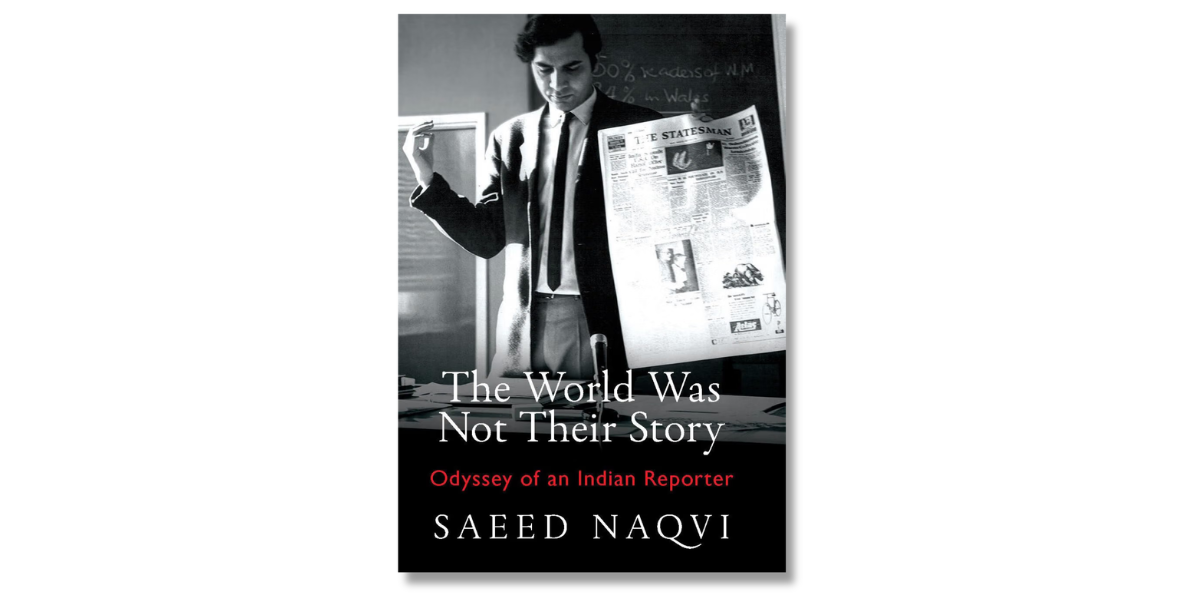
Across six decades and over 100 countries, the veteran journalist Saeed Naqvi reported on some of the defining events of the late 20th century, often from places where Indian newspapers had few or no correspondents. The World Was Not Their Story: Odyssey of an Indian Reporter (Speaking Tiger, September 2026) traces his career from The Statesman and the Indian Express to the news agency World Report, covering the 1971 JVP insurrection in Sri Lanka, the Islamic Revolution in Iran, the end of apartheid and the wars in Iraq. Alongside these dispatches, the memoir reflects on the constraints, compromises and resourcefulness that shaped international journalism of his era.
From the Himal archives: S Anand reflects on Saeed Naqvi’s attempt to locate APJ Abdul Kalam within India’s syncretic traditions, alongside broader questions on Muslim identity, caste, religion and the Indian presidency.
India’s digital transformations
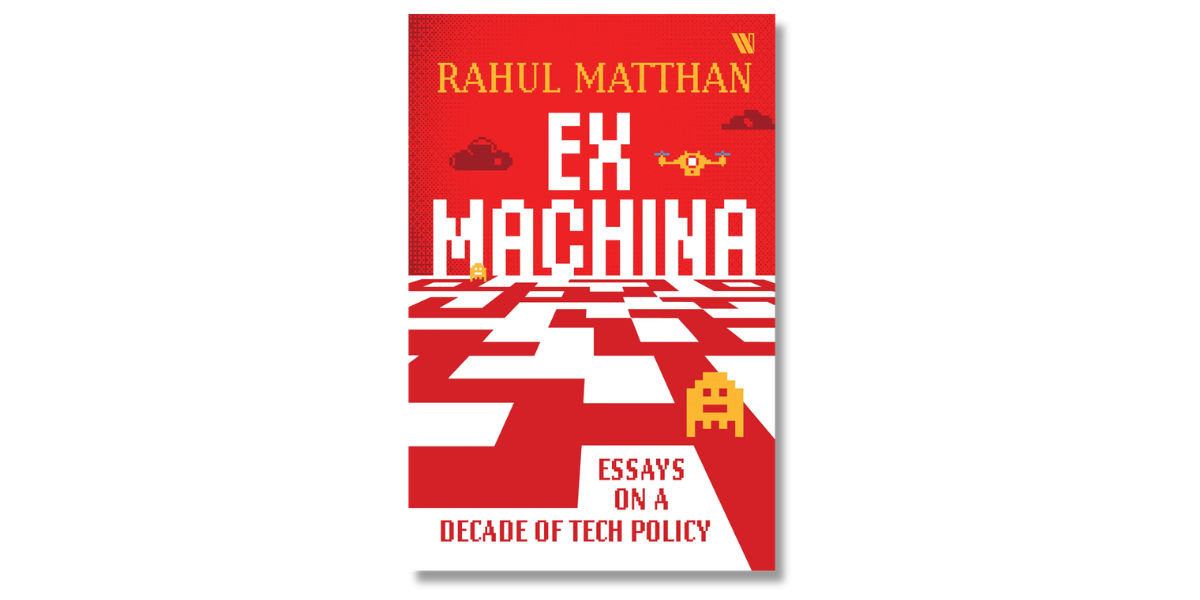
From digital identity and UPI to drones, maps and artificial intelligence, Ex Machina: Essays on a Decade of Tech Policy (Westland, September 2026) brings together Rahul Matthan’s writing on the intersection of technology, law and society. Drawn from his weekly column of the same name, the collection unpacks how the Indian state has approached a rapidly changing technological landscape while navigating the risks it poses to citizens.
From the SaRB podcast archives: A conversation with the writer and journalist Rahul Bhatia on the surprising origins of Aadhaar, the afterlives of the 2020 Delhi violence, and the people still resisting India’s majoritarian turn.
The realities of rural healthcare
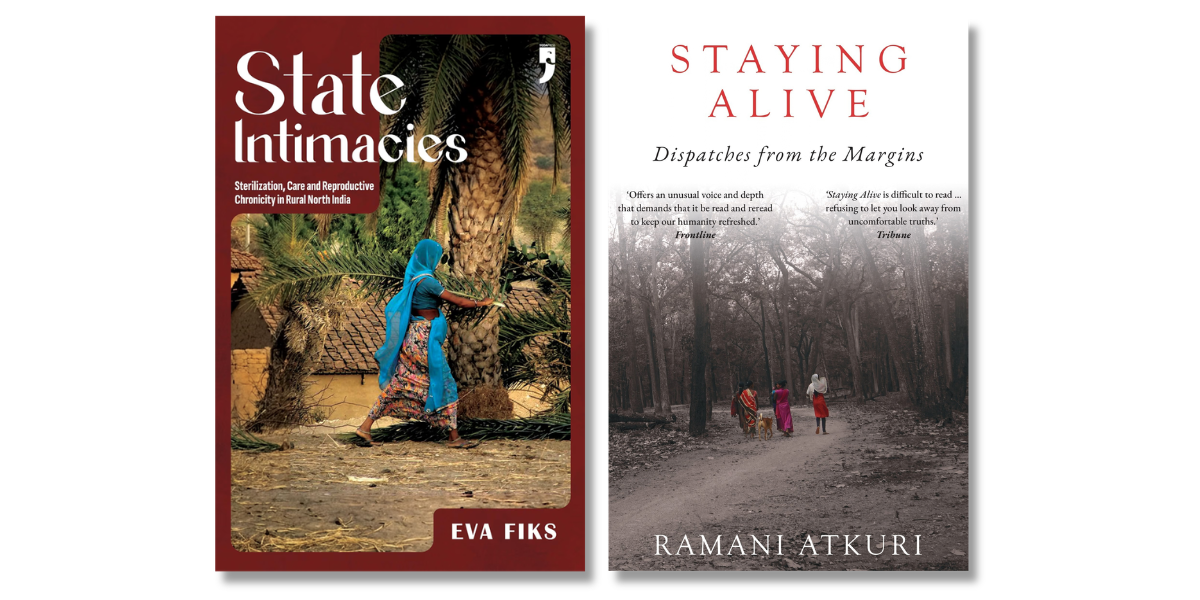
In State Intimacies: Sterilization, Care and Reproductive Chronicity in Rural North India (Yoda Press, September 2026), Eva Fiks draws on women’s experiences in sterilisation camps and healthcare settings in rural Rajasthan to examine a public healthcare system where care is often entangled with violence, neglect and disgust. She shows how these encounters can offer temporary relief while deepening longer-term reproductive chronicity.
The wider failures of rural healthcare in India also come into focus in Ramani Atkuri’s Staying Alive: Dispatches from the Margins (Pan Macmillan India, June 2026), which documents how inadequate infrastructure, staff shortages and policies disconnected from local realities leave vulnerable communities without basic medical care. Through the stories of migrant workers, farmers and mothers, Atkuri unpacks how caste, class, gender and geography shape access to healthcare – and asks what it would take to make health a right rather than a privilege.
The politics of a global Tamil diaspora
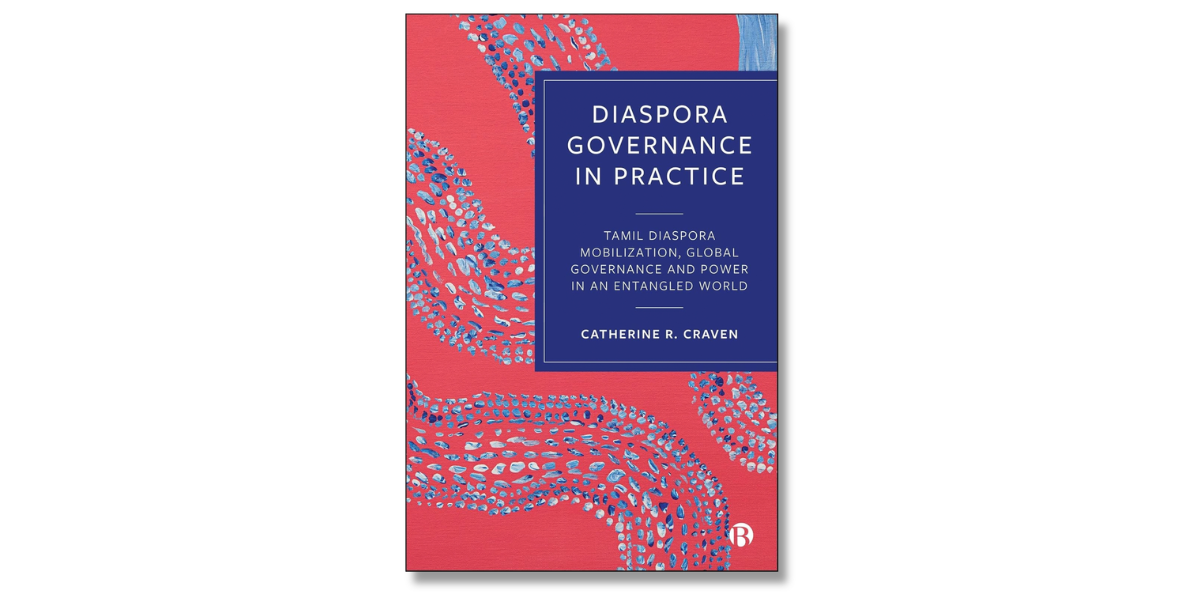
Diaspora Governance in Practice: Tamil Diaspora Mobilization, Global Governance and Power in an Entangled World by Catherine Ruth Craven (Bristol University Press, September 2026) draws on ethnographic research across Canada, Switzerland, the United Kingdom, the United States and Sri Lanka to examine how Tamil diaspora politics unfold across borders. Craven explores how global power shapes diaspora mobilisation through markets, rights and control, while local bureaucracies and political spaces create both constraints and openings for action.
From the Himal archives: K Ananda, A Vasanthakumar and V V Ganeshananthan on the need to recognise Sri Lanka’s diasporic communities as complex political actors with legitimate ties to the country.
Southasia’s paper trails
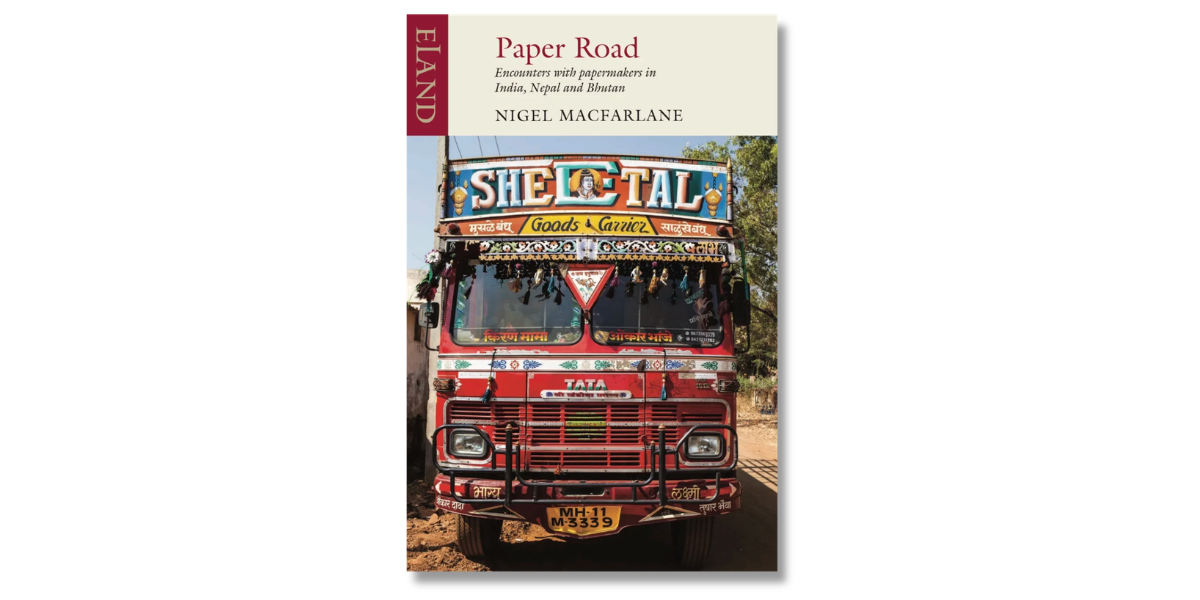
For more than 40 years, Nigel Macfarlane has worked alongside artisan papermakers across the region. Paper Road: Encounters with Papermakers in India, Nepal and Bhutan (Eland Publishing, September 2026) follows that journey, from southern India to remote Himalayan valleys, tracing the history and contemporary practice of handmade paper. Along the way, Macfarlane spotlights the people keeping the craft alive – from a professor investigating its origins to a Nepali village organiser working with lokta bark and a South Indian papermaker whose factory now supplies artists around the world.
The evolution of Indian foreign policy
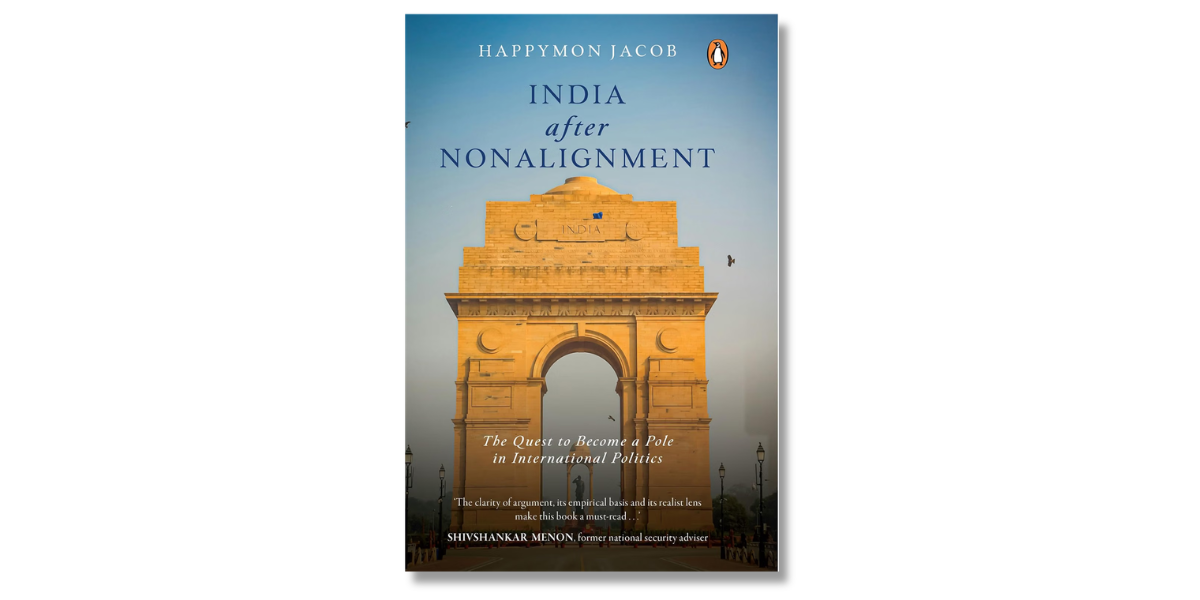
Happymon Jacob’s India After Nonalignment: The Quest to Become a Pole in International Politics (Penguin India, September 2026) traces the evolution of Indian foreign policy from nonalignment to strategic autonomy. Jacob argues that the impulse behind these shifts was not simply to preserve India’s independence during the Cold War, but to establish it as a distinct centre of power in a multipolar world. He examines how this ambition has shaped India’s approach to alliances and its changing role in global affairs.
Assam before the Ahoms
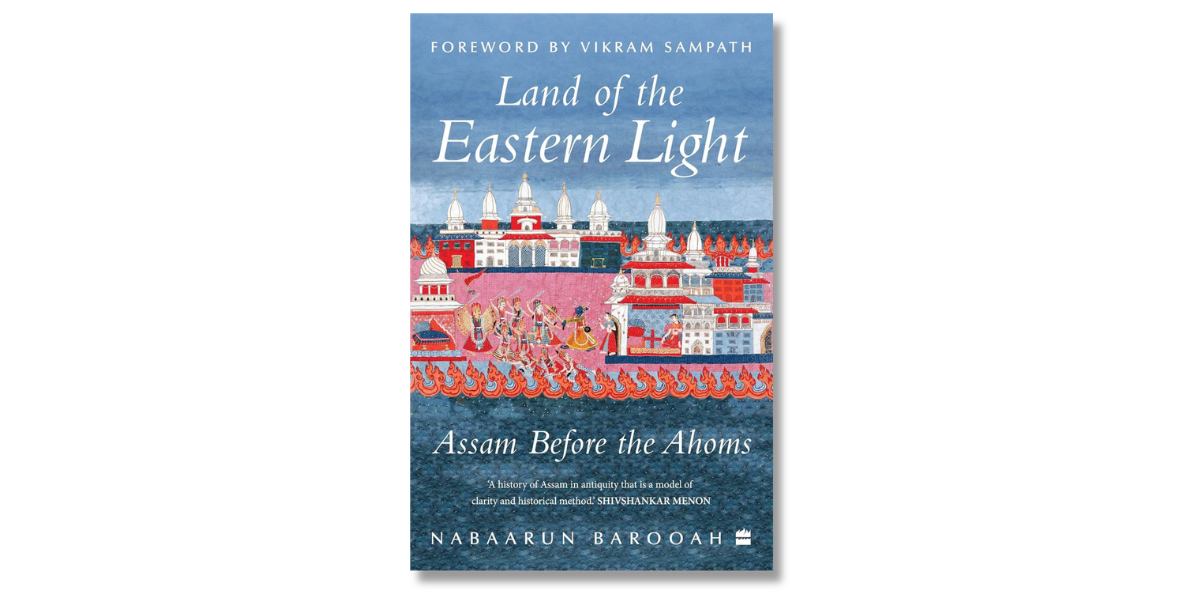
Long before the Ahom dynasty arrived in the Brahmaputra valley, Assam had a rich and layered history of kingdoms, religious traditions and political power. In Land of the Eastern Light: Assam Before the Ahoms (HarperCollins India, September 2026), Nabaarun Barooah follows this history from the mythical world of Pragjyotisha to the historical kingdom of Kamarupa. Moving through historical figures such as Bhaskaravarman and Prithu, as well as the rise of Kamakhya and tantric traditions, the book recovers a largely overlooked chapter of Assam’s past.
New Southasian fiction
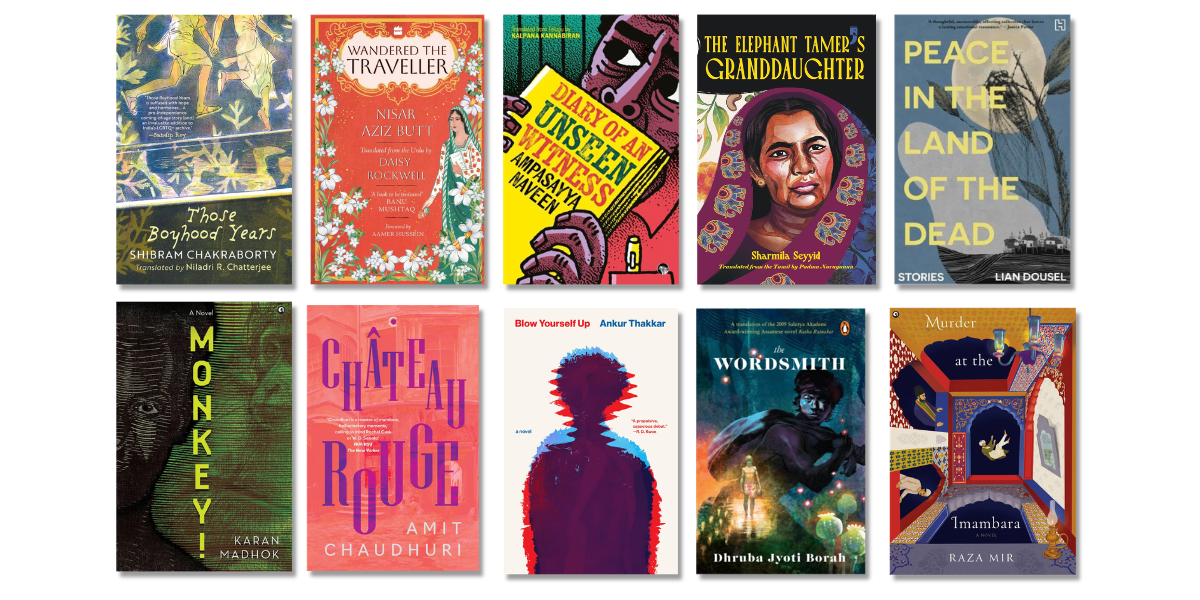
This month’s fiction offerings move between lost classics and contemporary stories, across Bengal, Pakistan, Sri Lanka, Manipur and the Himalaya. There are tales of first love, political repression, family memory and displacement, alongside stories of uncanny journeys.
First published in the 1920s, Shibram Chakraborty’s Those Boyhood Years, translated from the Bengali by Niladri R Chatterjee (Speaking Tiger, September 2026), is a rare early depiction of queer love. Set in pre-Independence Bengal, the novel follows teenagers Ashanto and Mohun as their relationship deepens in a hostel in Malda, alongside the story of two older men involved in the underground resistance to British rule.
Nisar Aziz Butt’s Wandered the Traveller, translated from the Urdu by Daisy Rockwell (Harper Perennial, September 2026), is another lost classic, first published in 1955. Its semi-autobiographical protagonist, Afgar, is a fiercely intelligent young Pashtun woman whose journey takes her from an orphaned childhood to a mountain sanatorium and, eventually, towards a doctorate at Cambridge. The novel offers a radical portrait of female ambition, desire and intellectual restlessness.
From the SaRB podcast archives: A conversation with Geetanjali Shree and Daisy Rockwell on Our City That Year, and why its story, loosely based around the 1992 demolition of the Babri Masjid, remains deeply relevant today.
Ampassayya Naveen’s Diary of an Unseen Witness, translated from the Telugu by Kalpana Kannabiran (Speaking Tiger, September 2026), revisits the Emergency through the story of Srinivasa Rao, an ordinary college lecturer arrested and detained without explanation. Over 19 nights, he secretly records his thoughts on scraps of paper as he witnesses arbitrary arrests, interrogation and state violence. First published in 1978, the novel’s meditation on fear and dissent arrives in English with renewed force.
From eastern Sri Lanka, Sharmila Seyyid’s The Elephant Tamer’s Granddaughter, translated from the Tamil by Padma Narayanan (Yoda Press, September 2026), draws on memory, oral storytelling and family history. Through Zaharwan, an ageing matriarch, the novel explores the legacy of a legendary elephant tamer and a community shaped by colonial histories and changing traditions.
Lian Dousel’s debut collection Peace in the Land of the Dead (Hachette India, September 2026) takes readers to Manipur, where the everyday slips into the supernatural. Across 12 stories, demons, spirits and sentient forests appear alongside maids, lovers and sceptics, creating an uncanny world that explores the fragility and endurance of human life.
Grief and the strange also meet in Karan Madhok’s Monkey! (Aleph Book Company, September 2026), which follows a bereaved hotel manager in the Himalayan foothills who becomes fascinated by a one-handed monkey outside his window. In a parallel narrative, a woman travels indefinitely by train with her dead father’s jhola, working obsessively on a manuscript. Darkly funny and surreal, the novel considers journeys, freedom, nature and the desire to be seen.
Château Rouge by Amit Chaudhuri (Context, September 2026) takes a more meditative journey. A writer arrives in Paris for a residency and finds himself living in a neighbourhood far removed from his idea of the city. As he wanders its streets and side roads, his initial disquiet gives way to a new way of seeing Paris, travel, otherness and the novel itself.
Ankur Thakkar’s Blow Yourself Up (TriQuarterly, September 2026) brings first love into the age of the internet. Arjun and Payal fall for each other as teenagers before their lives diverge: she becomes an influencer on a popular video platform, while he moderates its darkest content. When an act of political violence goes viral, they are forced to confront the platforms that have shaped their adult lives, and what they sacrificed to be seen.
Dhruba Jyoti Borah’s The Wordsmith, translated from the Assamese (Penguin India, September 2026), follows Moyna of Joharkhat, a young man from an oppressed caste community pushed into a life of crime. Cultivating paddy by day and stealing by night, Moyna lives a double life in this story of caste exclusion and redemption.
And for something more cloak-and-dagger, Murder at the Imambara by Raza Mir (Aleph Book Company, September 2026) takes readers to Lucknow in 1829, where the young Mirza Ghalib becomes entangled in a murder investigation after witnessing a man fall from the minaret of the Asafi Imambara. As prequel to Mir’s Murder at the Mushaira, it combines historical mystery with a portrait of Lucknow at the height of its splendour, as the East India Company waited in the wings.