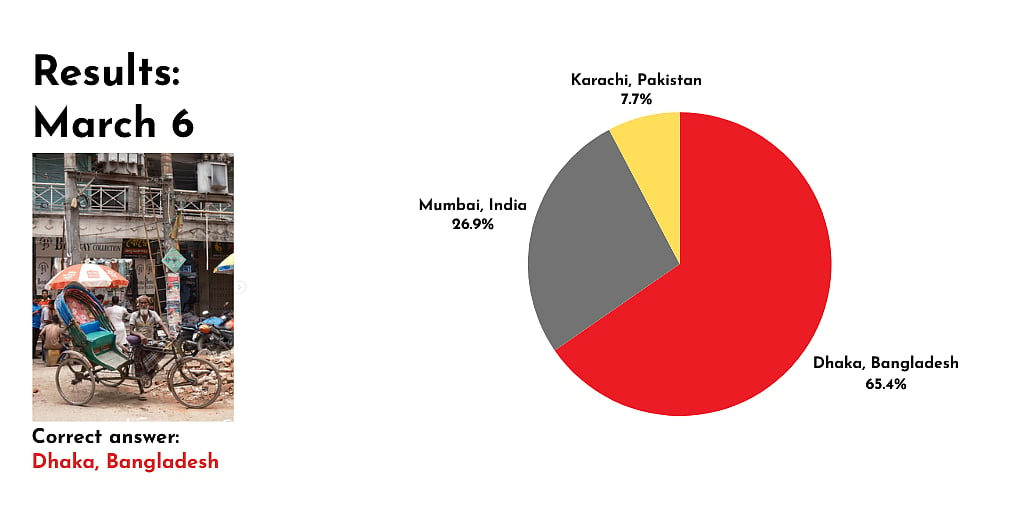
Over the weekend, my social media feed was filled with updates on the fate of Iranian warships stranded in Sri Lanka and India, as media houses reported on the fallout. This was juxtaposed with updates on how Southasia is trying to brace for possible shortages in oil and natural gas, even as the war in Iran continues. Our neighbourhood stores continue to say they have no stocks of gas, reminding me of 2022, when Sri Lanka experienced shortages of essentials that spiralled into economic crisis. This time around, Sri Lankans are more prepared, but also more mistrustful of government assurances. Read on to see how the rest of the region is bracing for possible supply shocks and much more. With this newsletter, I’m aiming to provide an anchor of reliable information even amidst chaos, and I hope that’s what it’s become to you. If so, I hope you sign up to our Patrons programme to support this newsletter – and to support independent Southasian journalism.
To contribute more, visit himalmag.com/support-himal.

This week in Himal
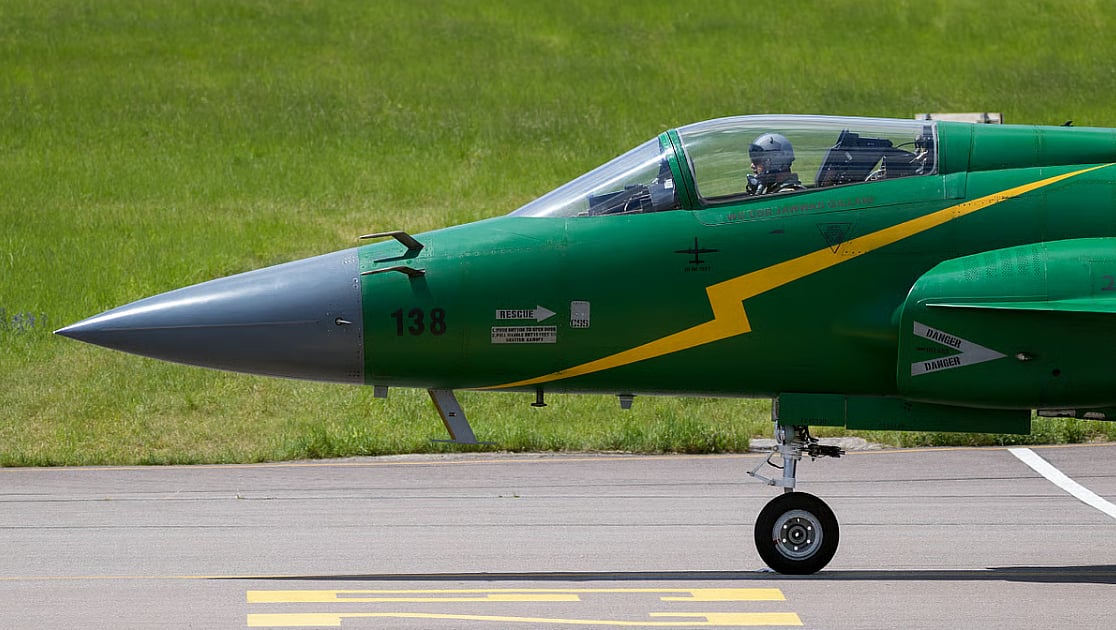
Salman Rafi Sheikh writes that Pakistan’s deals to export JF-17 fighter jets can help revive its international standing and boost macroeconomic stability, but will concentrate even more power and resources in the hands of the military.
Also read: Afghan women crushed further by the Taliban’s intensified hijab crackdown
Also read: Unpacking the Savarna state of mind in a caste-ridden India
Also read: Himal Interviews: Tariq Ali on a life in writing and dissent
This week in Southasia
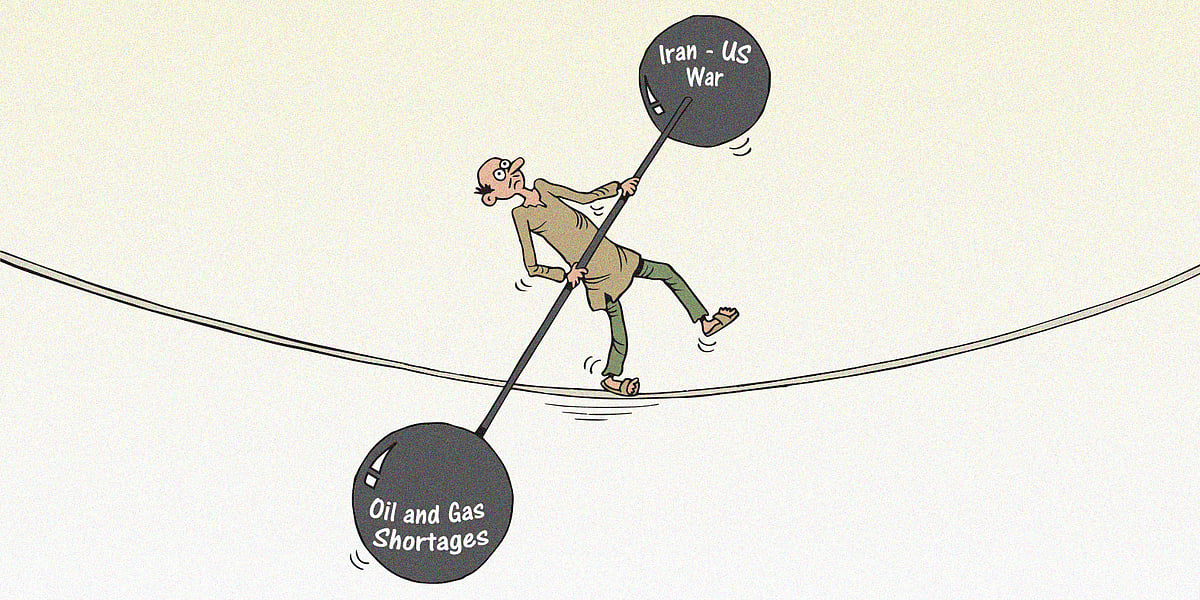
Southasia navigates diplomatic dilemmas and shortages as war in Iran continues
As the war in Iran continues, Southasia is already feeling the impact of potential shortages in crude oil and natural gas. On 13 March, oil prices dipped slightly to between USD 95 to USD 100 a barrel after the International Energy Agency agreed to release energy reserves and the US temporarily allowed the sale of Russian oil at sea. Still, India’s central government has said it will regulate oil and gas supply, as the US waiver would provide only limited relief. Bangladesh closed universities and Pakistan shut schools for two weeks and introduced a four-day work week for the public sector, while Myanmar is limiting private vehicle use. Several countries, including Bangladesh and Myanmar, have introduced fuel rationing, while Sri Lanka has increased fuel prices.
Meanwhile, Sri Lanka and India continued to face diplomatic dilemmas around three stranded Iranian warships after the war escalated. Both countries justified hosting Iranian sailors on humanitarian grounds after the US torpedoed one of the warships. Reports emerged that the US was pressuring Sri Lanka not to repatriate the Iranian sailors, even though Sri Lanka is bound to hold only one of the vessels under international laws. (On 11 March, a Sri Lankan court ordered that the bodies of the Iranian sailors be repatriated.) India said it granted permission for all three warships to dock, and it was unclear how two of them ended up near Sri Lanka, while Indian media claimed that Sri Lanka had ‘invited’ the warship to dock, contradicting reports of distress calls from the ships. With no end to the war in sight, Southasia now has to brace for impacts to cost of living while navigating their relationships with the US, Israel and Iran.

Elsewhere in Southasia:
- Two suspects in killing of Bangladeshi activist Sharif Osman Hadi arrested in India, ordered for extradition in a bid to rebuild fraught India-Bangladesh relations
- At least 30 civilians lose their lives after ground attack by Myanmar junta in Bago region, south Myanmar, with at least five executed by military and 160 arrested amidst clashes with Karen National Liberation Army (KNLA)
- Pakistan Ministry of Information and Broadcasting flagged by audit commission for PKR 101.4 million (over USD 360,000) in undisclosed spending including PKR 70 million toward “special publicity fund”, as well as PKR 50 million to private advertising company supporting Pakistan Peoples Party campaign
- India’s supreme court permits landmark use of passive euthanasia (withdrawal of artificial life support) for 32-year-old man who had spent last 12 years in coma
- Bangladeshi prosecutor Saimum Reza Talukder resigns from International Crimes Tribunal after recordings reveal request for bribe from family of former Awami League minister Fazle Karim Chowdhury, charged for crimes against humanity, to be released on bail
- Sri Lanka dissolves national Ceylon Electricity Board, divides into six state-owned companies in major restructure of energy sector amidst trade union strikes
- Sri Lanka and Nepal approves bilateral diplomatic, service and official visa exemptions for travel of up to 30 days
- Indian Ministry of Information and Broadcasting clamps down on Telegram app, orders 3100 channels to be removed for hosting copyrighted content from OTT platforms
- US designates Afghanistan as “state sponsor of wrongful detention”, requests release of incarcerated US citizens as Afghanistan’s Taliban government rejects claim, calls for dialogue
- Tamil Nadu records deaths of four Dalits in police custody since January 2026 with at least two of the deaths involving custodial torture, totaling 27 deaths in custody since 2021
Revisit the below archival stories from Himal adding more context to this week's news updates from Bangladesh and India
Also read: The Muhammad Yunus government played with fire, now Bangladesh burns again
Also read: The limitations of the Dravidian model
Snap Southasia
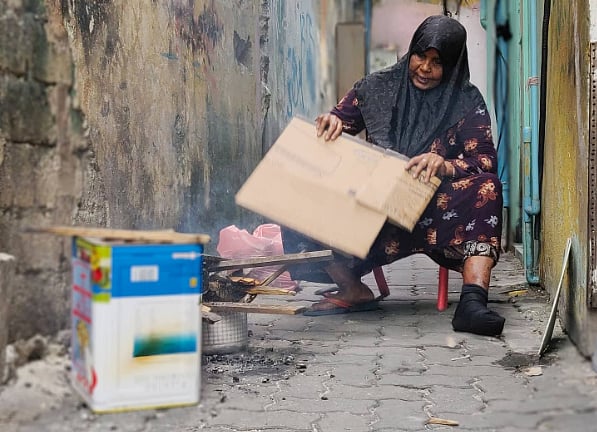
Where in Southasia is this image from? Click on your guess below (and check in next week to see if you guessed right!)
Uttara, Dhaka
Burns Road, Karachi
Male, Maldives