The news cycle has been frenetic this week, and all eyes have been on ongoing negotiations between Iran and the US. Pakistan played a key role in negotiating a ceasefire, bringing hope to Southasia that shortages on fuel, cooking gas, fertiliser and other essentials would soon come to an end. To read more about the negotiations, scroll on. This week, we have a deep-dive into Sri Lanka’s free education system (and proposed education reforms), a conversation about Pakistan's feminist movement and organising the Aurat March and more. We aim to give you a window into Southasian politics and culture like no one else. That’s why you should sign up to our Patrons programme and support independent journalism on Southasia, from Southasia.
This week in Himal
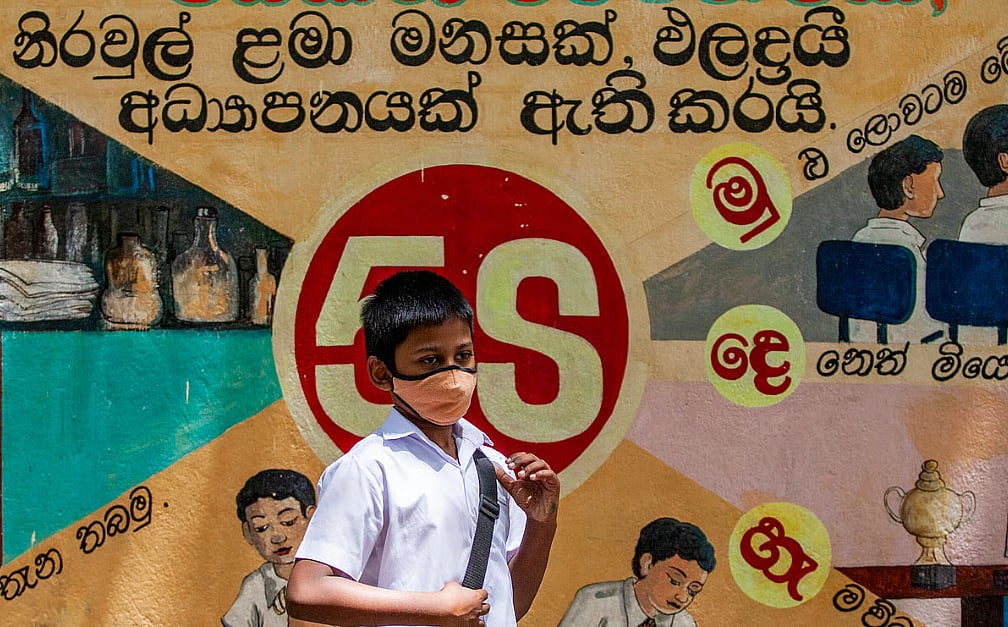
Dhanuka Bandara writes about recently proposed educational reforms by Sri Lanka’s National People’s Power government and the country’s long history of deeper struggles around education and nationalism.
In case you missed our Q and A session with Anam Abbas, director of This Stained Dawn, our featured documentary for Screen Southasia this month, you can now catch it online here.
Also read: Aurat March, feminism and political organising in Pakistan
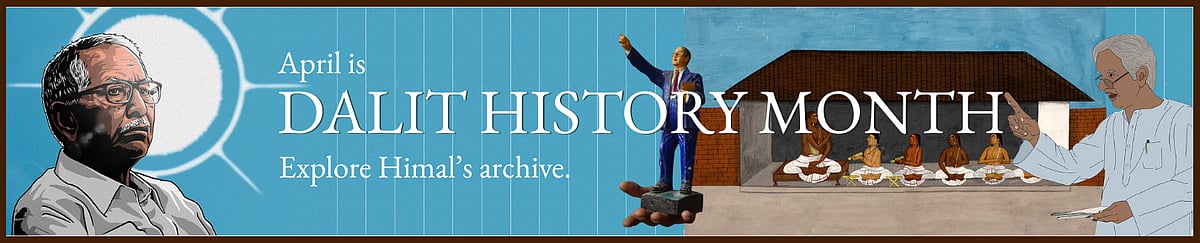
Also read: Himal Interviews: Anand Teltumbde on B R Ambedkar and the limits of iconisation
This week in Southasia
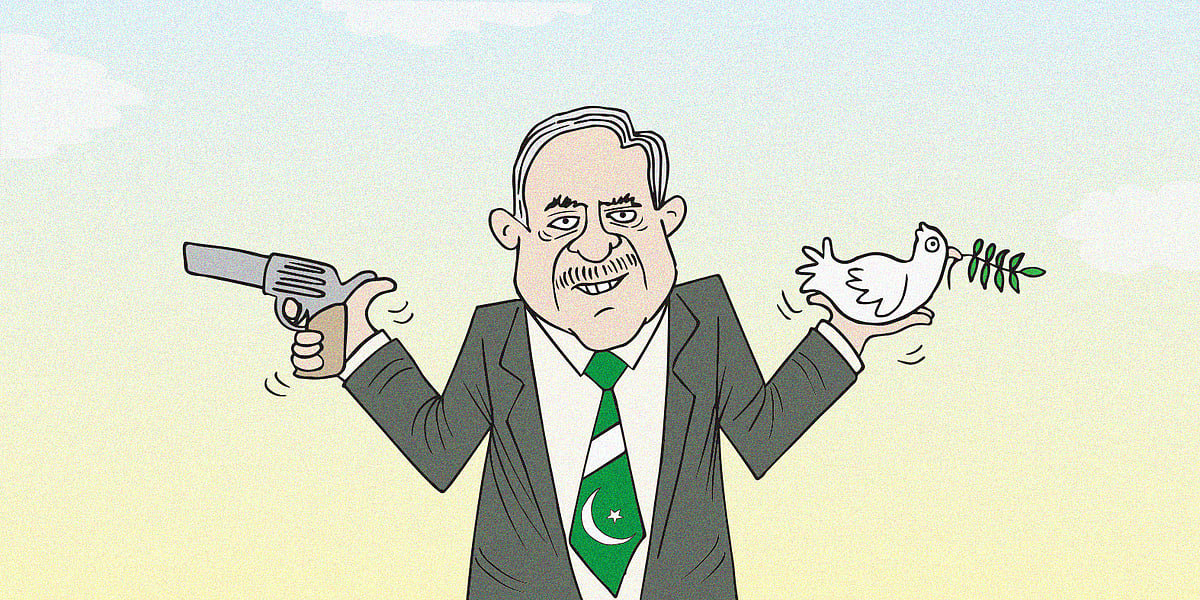
Pakistan emerges as key broker in Iran US ceasefire
This week, Pakistan scored a diplomatic coup by playing a key role in securing a fragile ceasefire between the US and Iran after weeks of negotiations. The negotiations included discussions with the foreign ministers of Turkiye, Egypt and Saudi Arabia, with Pakistan’s foreign minister Ishaq Dar visiting Beijing the next day in order to get China’s input on the mediation efforts, signalling that China is also backing the talks. The emergence of Pakistan as a mediator has sparked unease in Delhi and concerns of being sidelined. Pakistan is convening peace talks in Islamabad even as the country is still negotiating peace with Afghanistan after declaring “open war” and carrying out artillery strikes that have killed civilians. The talks are also unusual as the US is participating in talks that have been backed by China, a sign of rapid geopolitical shifts after Donald Trump’s presidency.
The ceasefire will provide some relief to Southasia’s fuel and Liquefied Natural Gas crisis, with several countries introducing fuel-rationing and public holidays for civil servants in past weeks in order to conserve fuel, and with long queues reported in countries like Bangladesh. But the ceasefire remains fragile, especially due to Israel’s ongoing strikes on Lebanon. For countries like Sri Lanka, the ceasefire will not ward off pre-existing crises, with powercuts still a possibility due to substandard coal shipments. The Iranian navy warned that ships that passed through “without permission” remained vulnerable to attack. The streets of Islamabad were quiet as talks are scheduled to begin in Islamabad today, with a public holiday declared.
Elsewhere in Southasia:
- Five killed in fresh outbreak of violence in Manipur including two children, three suspects arrested for involvement in initial bomb blast in Bishnapur; Manipur government shuts down internet, imposes curfew after two others shot by Central Reserve Police Force amidst protests over attack
- Over 8.9 million voters struck from West Bengal’s voter lists after Special Intensive Revision, over half of them from Muslim-dominated districts, ahead of assembly elections in the state
- Bangladesh and World Health Organisation hold emergency measles-rubella vaccination drive for children across 18 districts after death toll rises to over 100, with 900 confirmed cases of measles reported since 15 March
- Opposition Maldivian Democratic Party sweeps local council elections, seen as decisive mid-term verdict on President Mohammed Muizzu’s government as voters reject proposal to hold presidential and parliamentary elections simultaneously
- At least five lose their lives in gas lighter factory fire in Dhaka, Bangladesh
- Rohingya representatives, rights groups file crimes against humanity, genocide case against newly installed Myanmar president Min Aung Hlaing in Indonesia
- IMF and Sri Lankan government reach staff-level agreement to provide USD 700 million worth of financing from Extended Fund Facility (EFF) program
- Nine police officers in Tamil Nadu given death penalty over 2020 killings, torture of man and his son detained for breaching Covid-19 lockdown rules
- Australian former soldier Ben Roberts-Smith arrested for alleged killing of unarmed detainees while serving in Afghanistan, marking first war crimes tribunal in Australia
- Assam, Kerala and Puducherry kick off assembly elections in test for Bharatiya Janata Party as it seeks to expand beyond traditional votebase, results set for 4 May
Revisit the below archival stories from Himal adding more context to this week’s news updates from Pakistan, India and Myanmar
Also read: Pakistan and the ‘alliance maze’
Also read: Manipur’s conflict has harsh lessons for all of India’s Northeast
Also read: Fear and loathing greet Myanmar’s unfree election
Snap Southasia