It’s been quite a week. Pakistan has effectively declared war on Afghanistan, and Southasia is feeling the repercussions of the US-Israeli assault on Iran. Amid all of that, on 5 March, Nepal went to the polls, marking the first election since youth-led protests led to the fall of the government last September.
At Himal, we’ve been following the election closely, publishing a podcast conversation and analysis that unpacks this crucial vote. Our latest piece starts to make sense of the verdict as the results roll in.
We’ve also reported new data from Ukraine on the number of Southasians killed fighting for Russia in the Ukraine war, with figures much higher for some countries than previously known. We also broke the fact that Sri Lankans top the tally of deaths by a very wide margin.
For all this and more, scroll on. We bring you the latest news from across Southasia and top-notch independent journalism on the region, week on week. And if you value our coverage, please sign up to our Patron programme to support our work.
This week in Himal
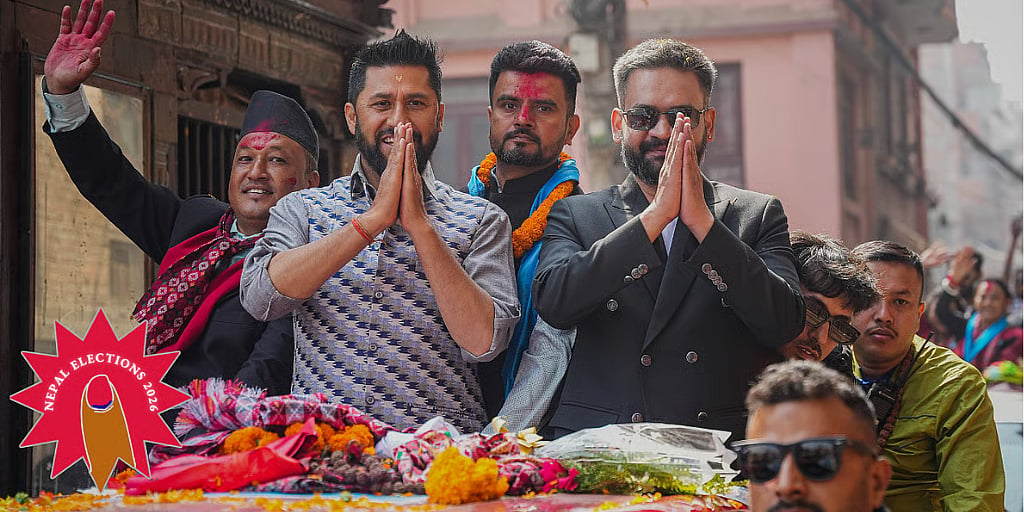
Pranay Rana writes that early results show the Rastriya Swatantra Party taking the lead in the 5 March election, the first after the Gen Z protests, sweeping out the old political establishment and leaving Balendra Shah and Rabi Lamichhane as the new faces of Nepali politics.
Also read: Revealed: At least 455 Southasians killed fighting for Russia in Ukraine war, Ukraine says
Also read: How online abuse and patriarchy hold back women in the Nepal election
Also read: How the Left veered right in Nepal
Also read: Podcast: Parties, power and the promise of change in Nepal
Also read: Southasia's Crisis of Media Freedom (Part 1)
This week in Southasia
War comes to Southasia
The hostilities following the US-Israeli strikes on Iran and the killing of Ayatollah Ali Khamenei have sent shockwaves throughout Southasia. The Iran-led blockade of the Strait of Hormuz has halted maritime traffic and led to spikes in oil and gas prices, with Southasia’s (and particularly India’s) crude oil and natural gas supply expected to be deeply impacted if the standoff continues. The United States issued a 30-day waiver allowing Indian refineries to purchase Russian oil in a bid to stave off an oil-supply crisis. On 4 March, a US submarine sank an Iranian warship off the southern coast of Sri Lanka, killing more than 80 people. That put Sri Lanka in a tight spot, trying to rescue Iranian navy personnel while not angering the West, and questioned India’s claims to be the “guardian” of the Indian Ocean.
Millions of Southasian migrant workers are at risk, with at least four from across Pakistan, Nepal and Bangladesh killed in Iran’s retaliatory strikes in West Asia. Thousands of travellers are stranded due to cancelled flights. In Pakistan, 24 people were killed in clashes with security forces after protests over Khamenei’s killing. Protests were also reported in India-administered Jammu and Kashmir.
Meanwhile, on 27 February, Pakistan declared “open war” on Afghanistan and launched fresh strikes against its neighbour, including an attempted strike on the former US military airbase at Bagram. More strikes have followed, and the death toll has risen to 81, including 55 civilians. The UN has reported nearly 66,000 Afghans displaced, with early reports indicating more forced deportations of Afghan refugees from Pakistan.
If the war in Iran escalates further, Pakistan will likely also have to contend with more attacks by Baloch insurgents. The hostilities with Afghanistan could mean even more attacks by the Pakistani Taliban.
Southasian governments are struggling to mount a diplomatic response to the Iran war. India is trying to balance relations with both Israel and Iran. Sri Lanka evacuated 208 crew members from a second Iranian vessel after an emergency request to dock, with President Dissanayake saying the country was focusing on saving lives while “maintaining neutrality”. There’s likely more turmoil and tightrope walking to come in the weeks ahead.

Elsewhere in Southasia:
- Early election results show the upstart Rashtriya Swatantra Party leading heavily across Nepal in the first vote since last year’s Gen Z protests. The RSP’s Balen Shah, the former rapper-turned-mayor, will likely be the new prime minister, with the country’s old political guard swept out.
- India and Canada sign major trade deals with Canada agreeing to supply USD 1.9 billion worth of uranium for Indian nuclear development, technology and mineral cooperation in bid to reset relations after India’s alleged involvement in killing of Canadian Sikh activist in 2023
- Myanmar pardons over 10,000 prisoners, over 7000 of whom were arrested under counter-terrorism laws, and closes cases for 12,000 others citing national holiday
- At least 25 lose their lives in Myanmar military bombing targeting trade point in central Magway region
- Former Delhi chief minister Arvind Kejriwal and 23 others released from jail and cleared of corruption charges after two years; minister blames BJP for politically motivated arrests
- UK issues restrictions barring study visas from four countries including Afghanistan and Myanmar, halts work visas for Afghans
- Indian Supreme Court flags Andhra Pradesh trial court’s use of AI-generated verdicts, labels usage as “misconduct”
- Sri Lanka tourism department decides not to promote LGBTQ+ tourism within country after petition challenges legality of endorsement
- Over 400 academics sign letter urging Azim Premji University to withdraw FIR request against university reading circle for discussing 1991 Kashmir mass rape case after trespass, assault and vandalism by student wing of RSS at Bengaluru campus on 24 February
Revisit the below archival stories from Himal adding more context to this week's news updates from Pakistan, Nepal and Myanmar
Also read: Will Pakistan make a fatal mistake backing the United States against Iran?
Also read: Nepal’s staggering journey from Gen Z protests to new government
Also read: Myanmar’s political prisoners belie the junta’s talk of democratic transition
Snap Southasia
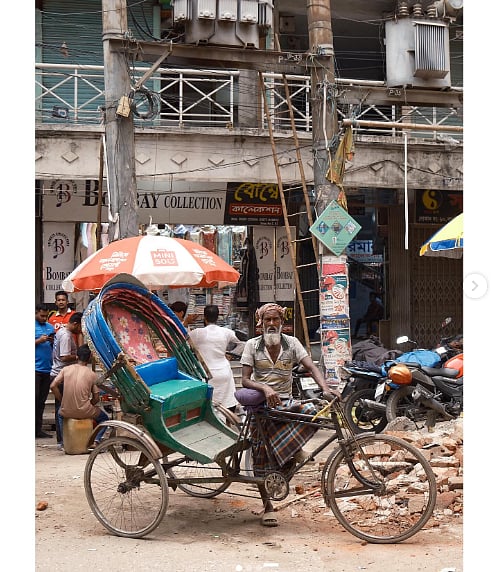
Where in Southasia is this image from? Click on your guess below (and check in next week to see if you guessed right!)
Dhaka, Bangladesh
Mumbai, India
Karachi, Pakistan