This is Southasia Weekly, your regular update on the latest from Himal and across the region. If you only read one email from us all week, this should be it.
Himal persists because we believe journalists exposing wrong across Southasia deserve a home for their work. As countless outlets across the region bow before the powerful or are driven out of business, readers’ support keeps us free from government or corporate control. We need your help to keep fighting.
On Monday afternoon, police raided the Delhi and Kerala homes of Ravi Nair, one of India’s best investigative journalists. They seized not just Ravi’s digital devices, but also those of his son and of a colleague who happened to be at one of the sites. The police left without so much as handing over the hash values of the devices – a crucial record for verifying that they are not subsequently tampered with.
Without a clear record of the hash values, the evidentiary validity of the data on the devices in any court proceedings is questionable at best. So why would the police seize them this way? Ravi is perhaps best known for his investigative exposes of the Adani Group and its billionaire chairman, Gautam Adani – who is especially close to India’s prime minister, Narendra Modi. He is facing numerous legal cases, including from the Adani Group. Integrity of evidence wasn’t the focus of the raids, it seems. Intimidation was the more likely goal.
Intimidation and retribution aimed at journalists and whistle-blowers is now a trademark of Modi’s India. I’ve seen it time and again in my two decades as a journalist and editor in India, and I faced it directly myself for a story I broke in 2014 exposing the involvement of the Rashtriya Swayamsevak Sangh in terror attacks that killed 117 people, with sanction from the RSS chief himself, Mohan Bhagwat. I have crossed paths with Ravi in my time at Himal, and this week I’m left wondering if the personal cost is worth it. But then this work must be done, just as Ravi has done it for years knowing the dangers. And so, we keep fighting.
|
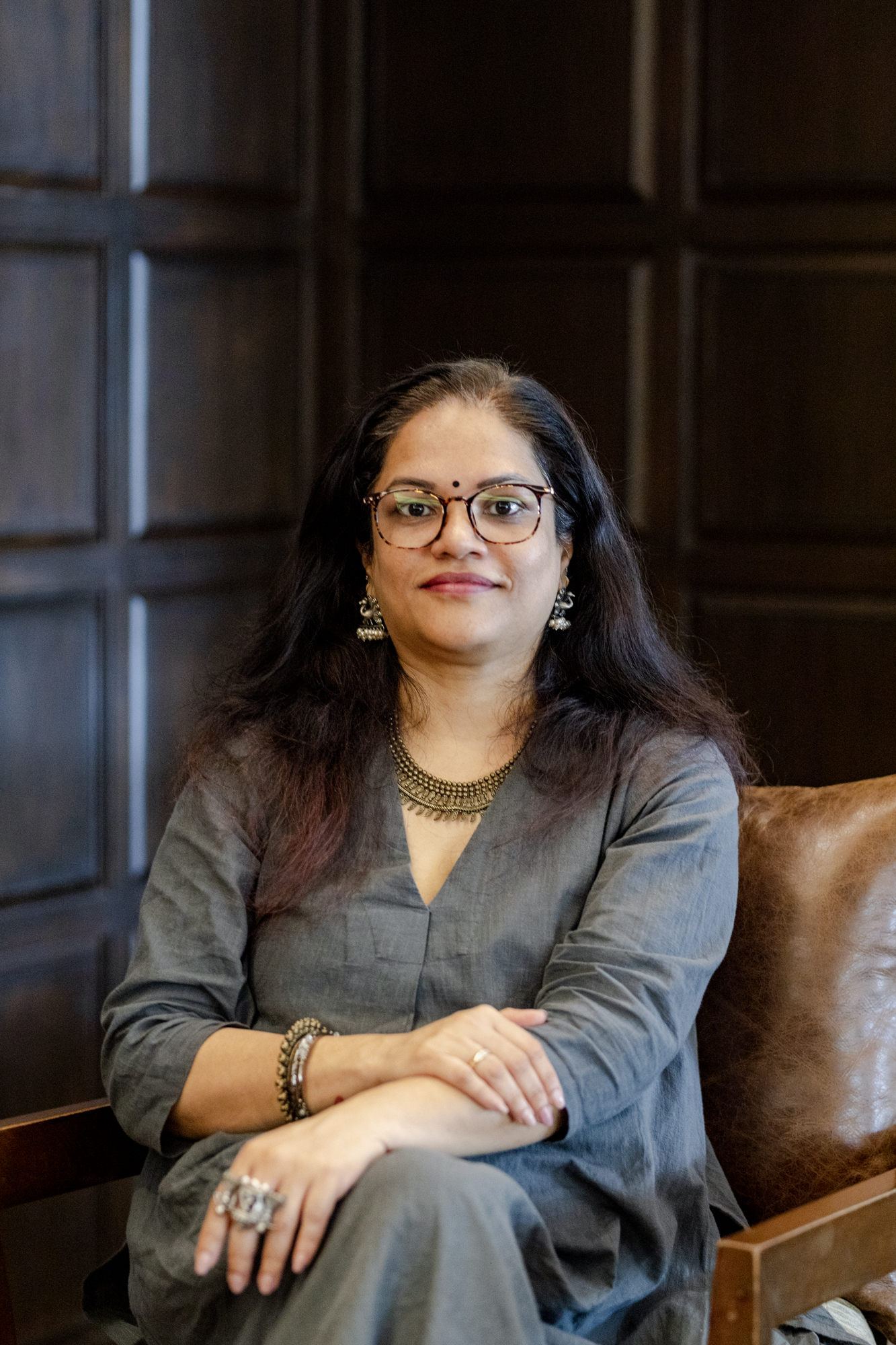
Leena Gita Reghunath Managing Editor Himal Southasian |
|
Here’s what Himal published this week:
POLITICS
Women-led pond restorations challenge the Ken-Betwa Link Project as an answer to Bundelkhand’s water woes
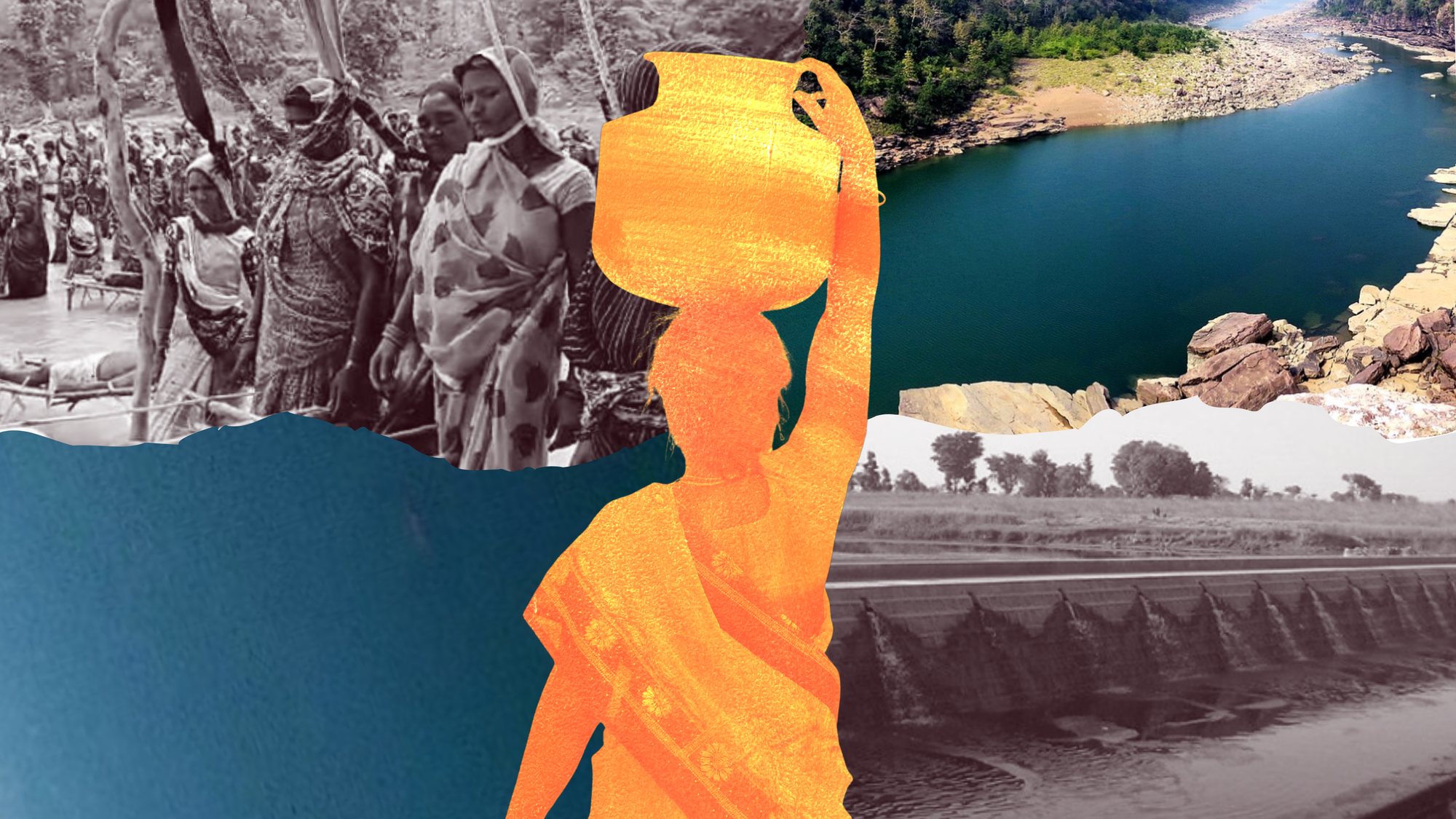
Thousands in Bundelkhand have protested their displacement because of to the Indian government’s Ken-Betwa river-linking project. Ankit Mishra writes that community-driven water restoration projects are succeeding where large-scale water infrastructure project are unproven at best.
PODCAST
Sowmiya Ashok on what Keeladi tells us about India’s past – and present

Himal Associate Editor Shwetha Srikanthan hosts a conversation with the journalist Sowmiya Ashok on her book looking at how an archaeological excavation in Tamil Nadu has become a powerful symbol of Tamil identity – and a flashpoint in larger battles over history in India.
BOOKS
A radical theory of jallikattu and Vijay’s rise in Tamil Nadu

In light of the actor-turned-politician Vijay’s surprise victory in the April Tamil Nadu state assembly elections, Ashik Kahina reviews T Dharmaraj’s book Jallikattu: Kizharchi ennum Suzhchi – or “Jallikattu: Agitation as Assemblage”. Dharmaraj offers a provocative account of Tamil Nadu’s 2017 jallikattu protests and tries to explain Vijay’s political rise.
Here’s what happened in Southasia this week:
NEWS DIVE
West Bengal’s crackdown on Muslims
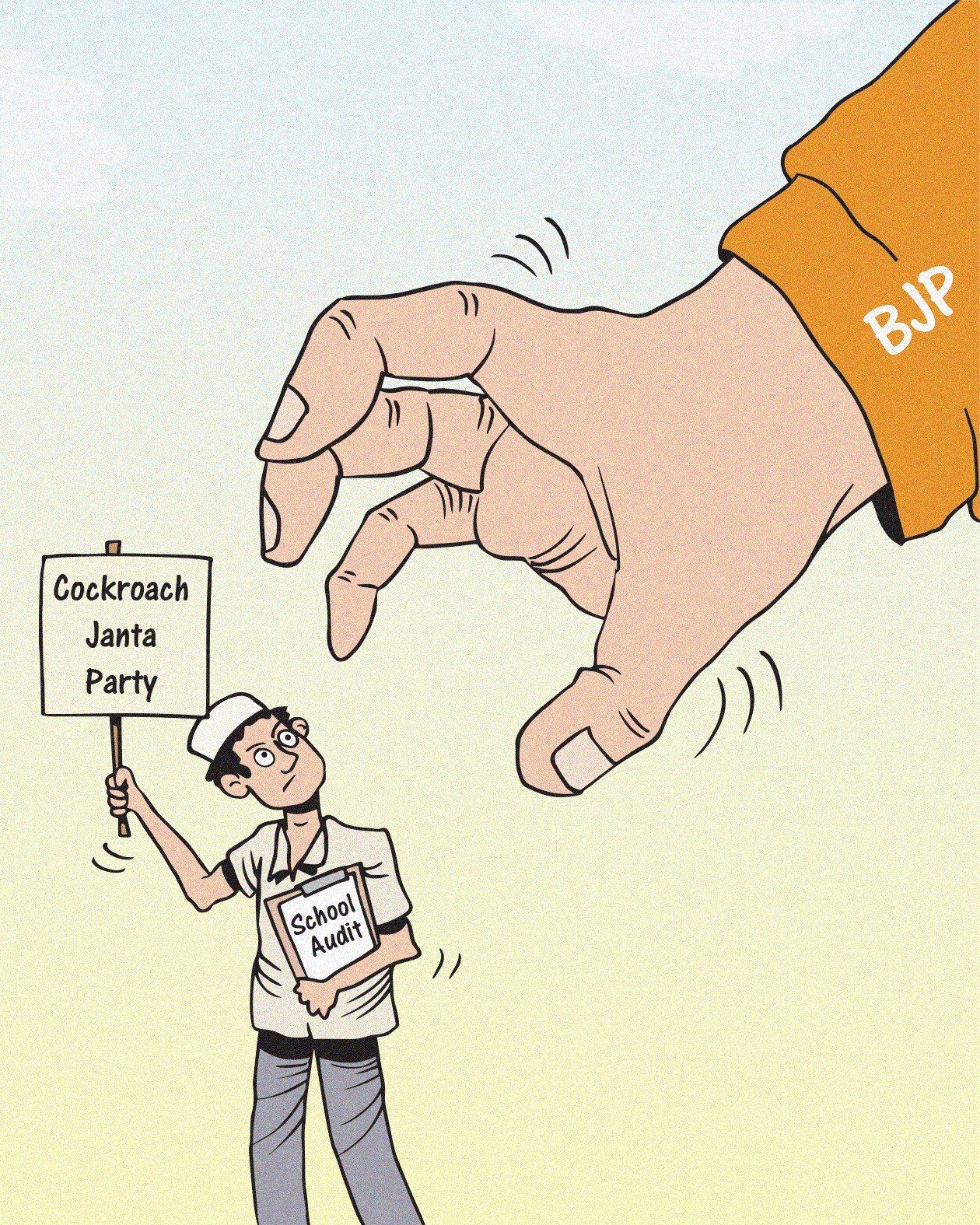
Eight have been arrested over the death of a Cockroach Janta Party activist’s father in West Bengal, allegedly at the hands of local workers of the Bharatiya Janata Party. Police said the death occurred after the CJP volunteer Abdul Hafiz visited his former primary school in Bankura district as part of a CJP campaign to audit facilities in government-run schools, including electricity, functional toilets and midday meals. The chief minister of West Bengal, the BJP’s Suvendu Adhikari, said the attackers were “criminals with no BJP connection”.
The death is apparently the latest instance of the targeting of Muslims in West Bengal since the start of BJP rule there after recent state elections. At least 15 Muslim protesters were detained after a 24 July CJP rally in Kolkata, with several held under the newly passed West Bengal Public Safety and Control of Anti-Social Activities Act – commonly called the ‘Goonda’ law. They were initially denied bail. Adhikari repeatedly used Islamophobic language when referring to the protesters, calling them “Friday people” and “foreign-funded Jamatis”. Meanwhile, a Special Intensive Revision in West Bengal and India’s Citizenship Amendment Act have meant persecution, disenfranchisement, deportation and loss of citizenship disproportionately impacting Bengali Muslims in the state. The repression of the CJP protesters is a sign of the anti-minority direction of West Bengal’s politics since the change in power from the All India Trinamool Congress to the Hindu-nationalist BJP.
Himal shows you Southasia like you’ve never seen it before. Become a Patron today to support independent journalism on Southasia, from Southasia.
ELSEWHERE IN SOUTHASIA
- Indian journalist Ravi Nair’s homes raided in Kerala and Delhi, mobile phones and devices including those owned by his son and colleague seized after his reporting on Adani group investment in Life Insurance Corporation of India in November 2025
- Pakistan Supreme Court orders government to shift Pakistan Tehreek-e-Insaaf leader Imran Khan from Rawalpindi to hospital in Islamabad for medical check up after months of requests from PTI and Khan’s family
- Ambani-run Vantara wildlife rescue and rehabilitation centre submits voluntary commitments to India’s CITES Management authority pledging no more imports of big cats and other endangered wildlife, prioritising in-situ conservation after concerns raised over sourcing of animals, wildlife management
- Government investigation finds that Nepal Police officer fired bullet that killed 15-year-old protester during Siraha communal violence on 30 July, contradicting security agencies’ earlier denials of using live ammunition
- Rashtriya Swayamsevak Sangh chief Mohan Bhagwat to visit US, Canada and UK as part of global outreach efforts even as US body on religious freedom calls for sanctions
- Sri Lanka tables bills to raise judge’s retirement ages, replace Prevention of Terrorism Act in Parliament despite protests
- India’s PM Cares fund releases just INR 8.8 million for children orphaned by Covid-19, amounting to around INR 2596 per child listed as a beneficiary, rest held in fixed deposits
- Royal Bhutan Police arrests 17 individuals over theft and vandalism of religious artefacts from lhakangs (traditional Buddhist temples or shrines) and chortens (Tibetan Buddhist monuments) for buyers overseas
- Veteran Sri Lankan singer Nanda Malini, known for her socially conscious songs, passes away at 82 years old
- Bangladesh holds presidential election after Mohamed Shahabuddin’s resignation, Bangladesh Nationalist Party candidate Mirza Fakhrul Islam Alamgir elected with 255 votes, joint opposition Jamaat-e-Islami candidate receives 88 votes
- At least 42 children injured in explosion at a private school in Kabul, Taliban spokesperson says Islamic State of affiliated groups may be responsible
FROM THE ARCHIVE
Revisit Himal stories that add more context to this week’s news from India, Sri Lanka, Bangladesh, Myanmar and Pakistan.
 The Editors
 M Rajshekhar
 Salman Rafi Sheikh
SNAP SOUTHASIA